

Does an Electric Callus Remover Really Work at Home?
An electric callus remover uses a rotating abrasive roller to gently remove layers of dead, hardened skin with less effort than traditional foot files. For most people, it delivers visible improvement after a single session, especially on dry, rough heels. While it won't permanently prevent calluses, regular use can help keep feet smoother and reduce the buildup that leads to cracked heels.
Real-World Results on Light, Moderate, and Thick Calluses
Based on typical at-home use and manufacturer guidance, results vary depending on callus thickness:
- Light calluses: Often noticeably smoother after one treatment.
- Moderate calluses: Usually improve within 1–3 sessions when followed by daily moisturizing.
- Thick, stubborn calluses: Require multiple shorter treatments over several weeks rather than one aggressive session.
An electric callus remover performs best when used consistently with proper aftercare. Very deep cracks, painful fissures, or signs of infection should be evaluated by a healthcare professional instead of treated at home.
Electric Callus Remover vs Manual Callus Remover: Which Is Right for You?
⏱ 7 min read
Choosing between an electric callus remover and a manual foot file isn't simply about speed. The right option depends on your callus thickness, skin sensitivity, budget, and how often you maintain your feet. This guide compares both approaches, explains how each tool works, and helps you confidently choose the best solution for smoother, healthier feet at home.
electric callus remover comparison See it in action
Quick Verdict: Electric Foot Callus Grinder vs Manual Callus Remover at a Glance
Feature Comparison Table
| Feature | Electric Foot Callus Grinder | Manual Callus Remover |
|---|---|---|
| Speed | Fast | Moderate to slow |
| Best For | Moderate to thick calluses | Light maintenance |
| Ease of Use | Minimal effort | Requires hand pressure |
| Precision | Consistent abrasion | Depends on user technique |
| Initial Cost | Higher | Lower |
| Long-Term Maintenance | Replace roller heads periodically | Replace file or pumice when worn |
Who Should Buy Each Option
- Choose an electric callus remover if you regularly develop thick heels, want quicker results, or prefer effortless maintenance.
- Choose a manual remover if your calluses are mild, you travel frequently, or you only need occasional touch-ups.
- Many users achieve the best results by combining both: an electric grinder for primary exfoliation and a manual file for small finishing adjustments.
How Electric and Manual Callus Removers Work
Both tools remove dead skin through controlled abrasion, but they accomplish the task differently. Understanding how each works helps you select the most appropriate option for your skin condition.
How an Electric Foot Grinder Removes Dead Skin
An electric foot grinder uses a motor-driven roller coated with abrasive particles. As the roller spins, it gradually buffs away hardened skin while allowing consistent pressure across the treatment area. Because the motor performs the work, users generally apply less force, reducing fatigue during longer sessions.
- Powered rotation removes dead skin evenly.
- Ideal for moderate and thick heel calluses.
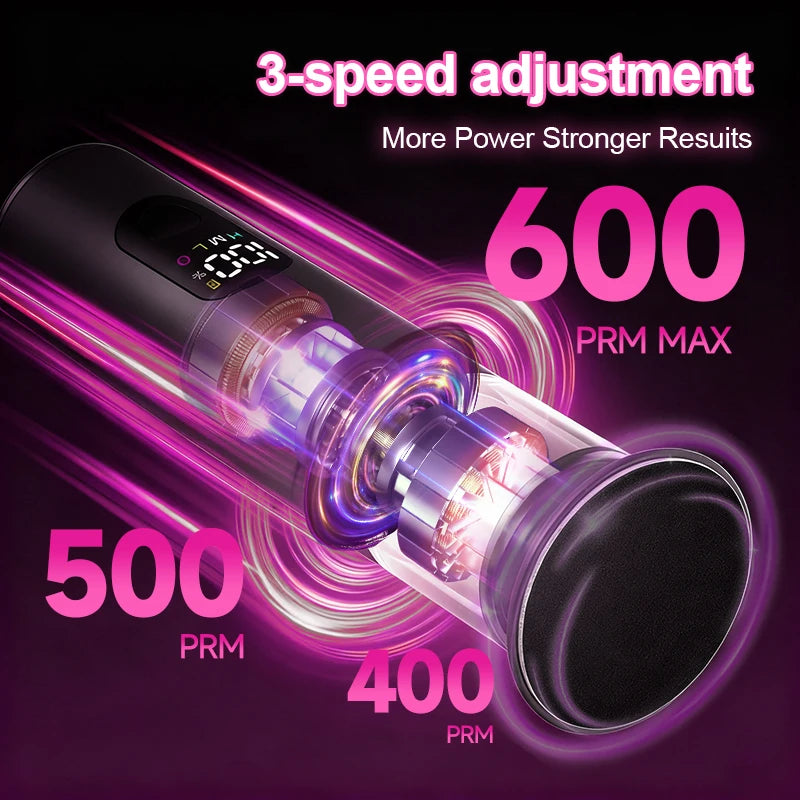
- Most models include multiple speed settings and replaceable rollers.
How Manual Foot Files and Callus Shavers Work
Manual foot files, pumice stones, and metal rasps depend entirely on hand pressure. They offer excellent control but require more physical effort and can take longer when treating heavily built-up skin. Sharp callus shavers should only be used with caution because removing too much healthy skin increases the risk of injury.
Many users pair these tools with routines found in Body Care and Health Devices to maintain comfort and confidence year-round.
Manual vs Electric Callus Remover: Complete Comparison
Effectiveness and Speed
Electric callus removers typically remove hardened skin faster and with greater consistency than manual tools. Thick calluses that may require several manual sessions can often be significantly reduced in one or two carefully performed treatments.
Safety and Risk of Over-Exfoliation
Neither option is completely risk-free. Manual files can create uneven pressure if excessive force is used, while electric devices can remove too much skin if held in one spot for too long. The safest approach is multiple gentle passes rather than aggressive filing.
Comfort and Ease of Use
Electric models reduce wrist strain because the rotating roller performs most of the work. Manual tools may be preferable for users who want maximum control over small treatment areas.
Cost and Long-Term Ownership
Manual removers are inexpensive initially. Electric devices cost more upfront but often become economical over years of regular use because only the roller heads require replacement.
Cleaning and Maintenance
Manual tools should be rinsed, dried thoroughly, and replaced once abrasive surfaces wear smooth. Electric grinders require similar cleaning plus periodic roller replacement and battery charging for rechargeable models.
Choosing between a grinder and a buffer depends primarily on how severe your calluses are and whether you're treating existing buildup or maintaining already-soft feet.
When to Choose a Grinder
- Thick heel calluses
- Dry, cracked skin
- Infrequent but intensive maintenance
- Users seeking faster visible improvement
When to Choose a Buffer
- Light roughness
- Sensitive skin
- Weekly maintenance
- Finishing after heavier exfoliation
Can You Use Both Together?
Yes. Many experienced users first reduce thick calluses with a grinder before switching to a gentler buffer for routine maintenance. This combination minimizes unnecessary abrasion while helping maintain smoother heels between treatments.
For users exploring complete routines, related options appear in Skin and Beauty Care Devices and Nail Care Devices .
Best Electric Callus Remover Examples
Best Overall
The KentDO Electric Foot Grinder offers an excellent balance of power, comfort, and ease of use for most home users.
Best Budget
Micro-Pedi Rechargeable Callus Remover is a practical option for users seeking an affordable rechargeable device for routine maintenance.
Best for Thick Calluses
Emjoi Micro-Pedi Crystal 2 provides aggressive exfoliation suitable for stubborn heel buildup while remaining manageable for experienced users.
KentDO Electric Foot Grinder Review
Direct Answer: The KentDO electric callus remover delivers fast, even exfoliation with stable rotation and an ergonomic grip, making it well suited for users who regularly deal with thick heel calluses but want a comfortable learning curve.
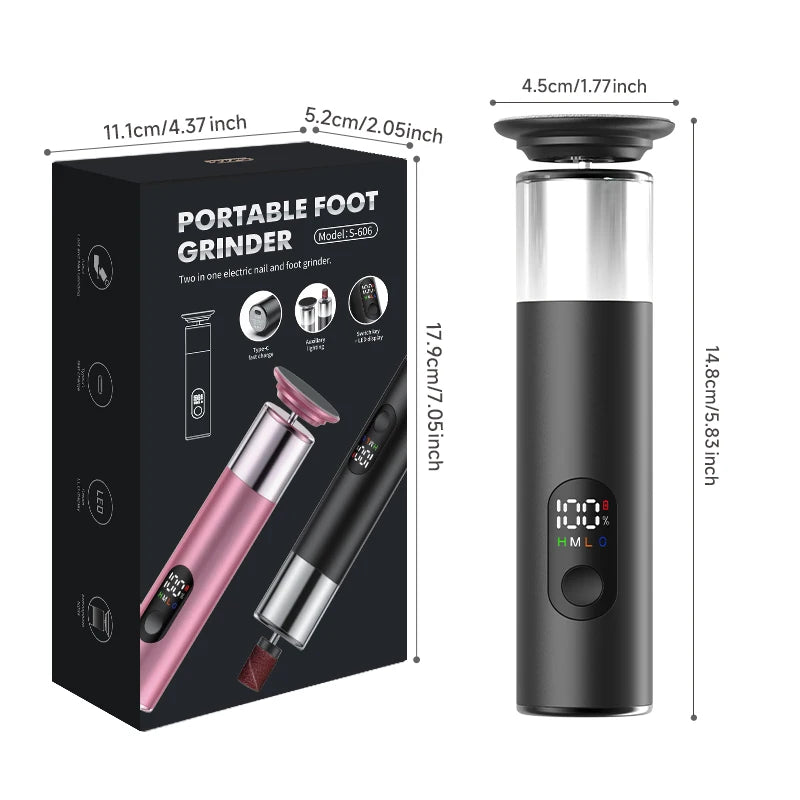
- Ergonomic handle for better control
- Multiple speed settings
- Durable abrasive roller
- Simple cleaning between sessions
You can explore the KentDO model directly here: KentDO Electric Foot Grinder .
electric foot grinder results See it in action
Who Should Choose Electric vs Manual?
Very Thick Calluses
An electric foot grinder provides the quickest, most consistent improvement while reducing physical effort.
Sensitive Skin
A gentle electric buffer or fine manual file used with minimal pressure offers greater control.
Beginners
Choose an electric model with multiple speed settings and start with the lowest speed.
Seniors and Limited Mobility
Rechargeable electric devices with ergonomic handles require less grip strength and reduce repetitive wrist movement.
Travel and Budget Buyers
Compact manual files remain lightweight, inexpensive, and easy to pack.
electric foot buffer finish See it in action
Common Mistakes to Avoid
Over-Grinding
Removing too much skin can increase tenderness and encourage additional callus formation during healing.
Using on Wet Skin Incorrectly
Always follow the manufacturer's instructions. Many electric rollers are designed specifically for dry feet.
Poor Hygiene
Clean rollers after every use and never share foot care tools with others.
Replacing Rollers Too Late
Worn abrasive rollers become less effective, requiring longer treatment times. Replace them whenever the abrasive surface becomes noticeably smoother.
How to Use an Electric Callus Remover Safely
Step-by-Step Guide
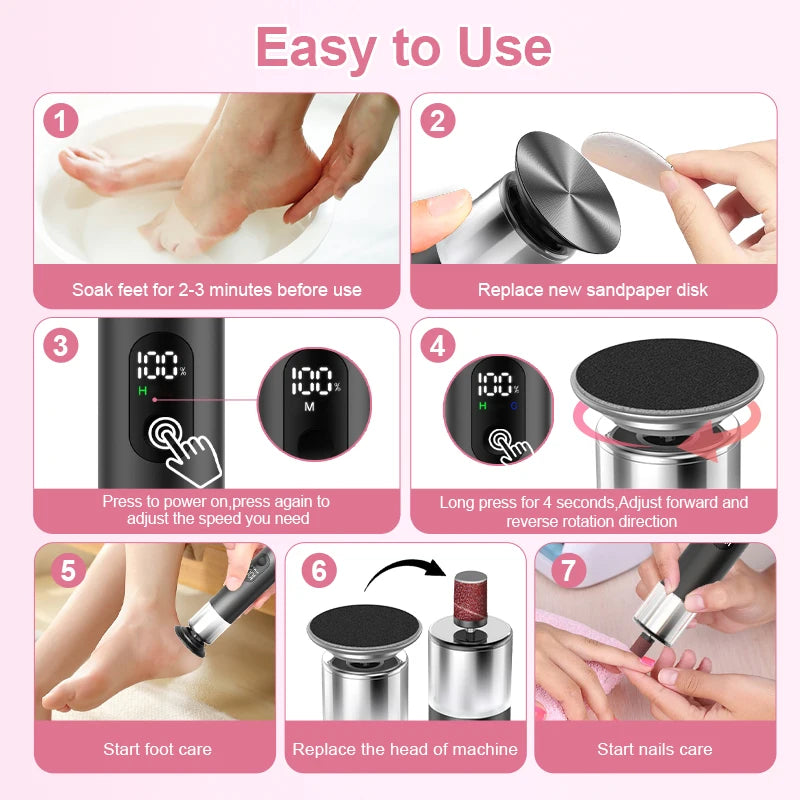
- Begin with clean, completely dry feet unless your device specifies otherwise.
- Select the lowest comfortable speed.
- Glide the roller continuously using light pressure.
- Avoid holding the roller in one location.
- Stop once the skin feels smooth rather than perfectly thin.
Aftercare Tips
Apply a rich foot cream immediately after treatment to restore moisture and maintain results. Most users only need exfoliation once or twice weekly, depending on callus buildup.
Many users combine this with self-care habits inspired by Beauty & Self-Care Blog .
Ready to upgrade your routine? Visit the KentDO Electric Foot Grinder and experience smoother heels at home.
Decision Guide: Which Callus Remover Should You Choose?
Best Overall Choice
For most households, an electric callus remover provides the best combination of speed, consistency, and convenience.
When Electric Wins
- Thick heel calluses
- Frequent maintenance
- Reduced hand fatigue
- Faster visible improvement
When Manual Wins
- Occasional touch-ups
- Minimal budget
- Travel convenience
- Very mild rough skin
Frequently Asked Questions
How often should I use an electric callus remover?
Most people only need treatment once or twice each week. Daily use is generally unnecessary and may irritate healthy skin.
Can beginners use electric foot grinders?
Yes. Begin with the lowest speed and keep the roller moving continuously to avoid over-exfoliation.
Is an electric foot buffer enough for thick calluses?
Usually not. Buffers work best for maintenance after thicker calluses have been reduced with a grinder.
Are manual callus removers still effective?
Yes. They remain effective for light maintenance but generally require more effort and time.
Are electric callus removers safe for diabetics?
People with diabetes, poor circulation, or reduced sensation should consult their healthcare provider before using any callus removal device at home.
Do electric rollers need replacing?
Yes. Roller heads gradually wear down with use. Replace them whenever exfoliation becomes noticeably less effective or according to the manufacturer's recommendations.
Can I use both manual and electric tools together?
Yes. Many users combine an electric grinder for primary callus reduction with a manual file for light finishing or occasional touch-ups.













