

Quiet Electric Camping Heaters: How to Choose the Best One for Your Trip
Looking for a portable electric camping heater that won't disturb your campsite? We've evaluated the best electric camping heater options for tents, RVs, campers, and van life, comparing noise levels, heating performance, safety, and energy efficiency so you can confidently choose the right model for your next adventure.
⏱ 6 min read
Cold nights can quickly turn an enjoyable camping trip into an uncomfortable experience. A quality electric camping heater provides clean, reliable warmth without combustion fumes while operating quietly enough for restful sleep. The right heater depends on your campsite power supply, shelter size, and expected temperatures.

Quiet electric camping heaters — See it in action
Best Electric Camping Heater: Top Picks by Camping Style
Quick Comparison Table
| Camping Style | Recommended Option | Why It Works |
|---|---|---|
| Small tent with campsite power | Heater A | Compact, quiet, low power draw |
| RV or camper | Heater C | Efficient continuous heating with AC power |
| Van life | Heater B | Flexible dual-power capability |
| Weekend budget camping | Compact ceramic heater | Affordable and easy to transport |
Best Electric Heater for Tent Camping
The best electric tent heater is typically compact, lightweight, and designed for small enclosed spaces. Models operating around 500–750 watts provide enough heat for well-insulated tents while remaining compatible with most campground electrical hookups.
Best Electric Heater for RVs and Campers
RVs and travel trailers generally benefit from slightly larger ceramic or PTC heaters with adjustable thermostats. These provide more consistent heating throughout the night while drawing predictable electrical loads from campground hookups.
Best Budget and Premium Electric Camping Heaters
- Heater A — Compact AC plug-in, 35 dB . Excellent for small tents and weekend campers. Pros: Silent, compact. Cons: Limited heating range.
- Heater B — AC & battery powered, 38 dB . Ideal for van life and flexible camping. Pros: Dual power capability. Cons: Slightly heavier.
- Heater C — AC powered, 40 dB . Suitable for medium tents and campers. Pros: Energy efficient. Cons: Requires AC power.
Why Choose an Electric Camping Heater Instead of Propane or Butane
Electric vs Propane Heater
Choosing between an electric heater for camping and a propane or butane model depends on where you camp.
| Feature | Electric Heater | Propane/Butane Heater |
|---|---|---|
| Noise | Very quiet | Generally quiet |
| Indoor air quality | No combustion fumes | Requires careful ventilation |
| Campground use | Excellent with electrical hookups | Useful off-grid |
| Fuel | Electricity | Gas canisters or propane tanks |
| Maintenance | Minimal | Fuel storage required |
When Electric Heating Is the Better Choice
An electric heater for camping is often the better option when staying at developed campgrounds with electrical hookups, RV parks, cabins, or powered campsites. It eliminates fuel handling, reduces indoor air quality concerns, and typically offers quieter operation for overnight comfort.
Types of Electric Camping Heaters
Different heating technologies suit different camping situations.
Ceramic Heaters
Ceramic heaters warm up quickly, distribute heat evenly, and are among the most popular choices for tents and campers thanks to their balance of portability, efficiency, and safety.
PTC Heaters
PTC (Positive Temperature Coefficient) heaters automatically regulate heat output as temperatures change, improving efficiency while lowering the risk of overheating.
Infrared Heaters
Infrared models heat nearby objects instead of warming the surrounding air. They work well in enclosed campers or cabins but are less effective inside drafty tents.
Fan Heaters
Fan-assisted heaters circulate warm air quickly. Quality models remain relatively quiet, although extremely low-noise campers may prefer ceramic or PTC designs with slower fans.
How to Choose the Best Electric Camping Heater
Choose the Right Heater Size
Match heater output to your shelter size. Small backpacking tents generally need 400–600 watts, while larger family tents or campers may require 750–1500 watts when electrical service allows.
Key Features to Compare
- Low operating noise, ideally below 40 dB.
- Adjustable thermostat for stable overnight temperatures.
- Tip-over protection and automatic overheat shutoff.
- Compact size for easy transportation.
- Cool-touch housing if children or pets are present.
Power Source Compatibility
Before purchasing, verify whether you'll use campground shore power, an RV electrical system, a portable generator, or a power station. Not every electric camping heater supports every power source.
Testing and Evaluation Criteria
When comparing the best electric heater for camping , evaluate heating speed, thermostat accuracy, operating noise, energy consumption, portability, safety certifications, and overall reliability in cold weather.
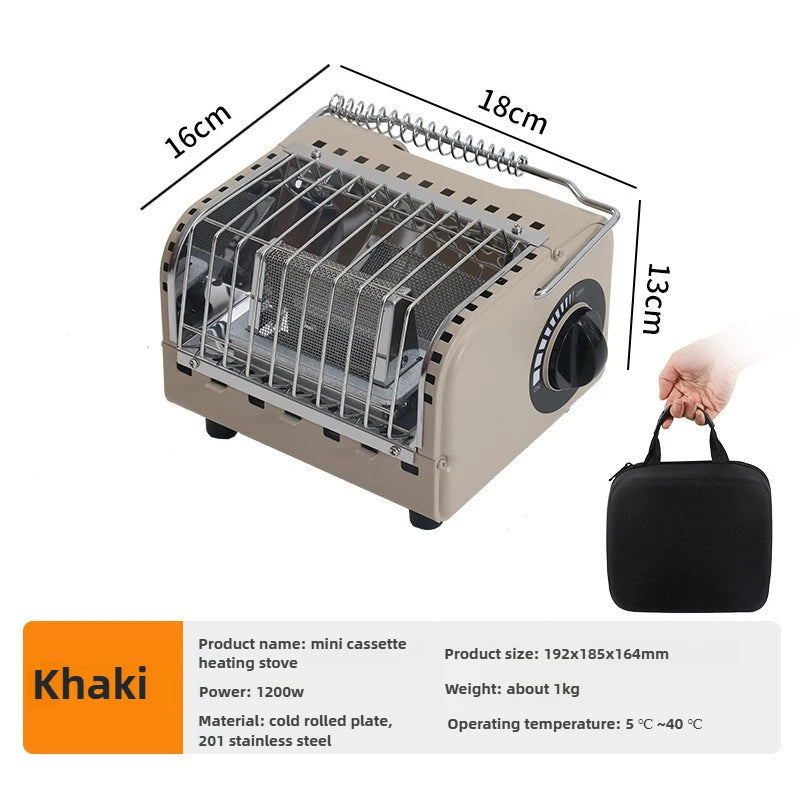
Electric heaters inside tents — See safe positioning tips
Power Consumption and Campsite Electrical Requirements
Generator Compatibility
Most small electric camping heaters operate between 500 and 1500 watts. Portable generators rated above 2000 running watts generally power a single heater comfortably while leaving capacity for lights or charging devices.
Extension Cord Guidelines
Use only heavy-duty outdoor-rated extension cords that match the heater's electrical requirements. Avoid lightweight household cords, which may overheat during continuous operation.
15A and 30A Campsite Limits
Many campground hookups provide either 15-amp or 30-amp service. A typical 1500W heater draws about 12.5 amps on a 120V circuit, leaving limited capacity for additional high-power appliances. Plan your electrical load carefully to avoid tripping breakers.
Electric Heater Safety for Tents, RVs, and Cabins
Fire Safety
- Keep at least 3 feet (1 meter) from bedding, sleeping bags, clothing, and tent walls.
- Never cover the heater.
- Use heaters with tip-over protection and overheat shutoff.
Condensation and Ventilation
Although electric heaters do not produce combustion gases, proper ventilation still helps reduce condensation inside tents while maintaining healthy airflow.
Safe Placement
Place the heater on a stable, level, non-flammable surface away from entrances and walkways where it could be accidentally knocked over.
Cold-Weather Performance: What to Expect
Mild vs Freezing Conditions
Electric camping heaters perform best in cool to moderately cold weather. During freezing conditions, they help maintain comfort inside insulated shelters but should not be expected to fully compensate for poor insulation or extreme outdoor temperatures.
Layering Heat Sources
Combine your heater with insulated sleeping pads, high-quality sleeping bags, thermal clothing, and a well-insulated tent. Layering these heat-retention strategies provides significantly better comfort than relying on the heater alone.
Related Reading:
- Best Portable Camping Heater: Top Picks & Comparison
- Butane Heater Use Cases: When, Where, and Why It Works Best
- How to Heat a Room Without Electricity
- Portable Camping Power Stations
- Winter Camping Gear Checklist

Energy-efficient electric heaters in action — See it in use
Frequently Asked Questions
What is the best heater for camping?
The best heater depends on your camping style. Campgrounds with electrical hookups benefit from compact electric heaters, while off-grid campers may require propane or butane alternatives.
What is the best electric heater for tent camping?
The best electric heater for tent camping is compact, operates quietly below 40 dB, includes tip-over protection, and matches your tent size without exceeding campsite electrical limits.
Can you safely use an electric heater inside a tent?
Yes, provided the heater is designed for indoor use, positioned correctly, kept away from combustible materials, and operated according to the manufacturer's safety instructions.
How many watts does an electric camping heater use?
Most electric camping heaters consume between 400 and 1500 watts depending on size and heat setting.
Can a generator run an electric tent heater?
Yes. Most portable generators rated at 2000 watts or higher can power a typical camping heater, although you should account for other connected appliances.
Are electric heaters better than propane heaters for campgrounds?
In powered campgrounds, electric heaters are usually the more convenient option because they produce no combustion fumes, require no fuel canisters, and operate quietly.
Which electric heater works best in freezing weather?
Well-insulated ceramic and PTC heaters generally deliver the most consistent performance, especially when paired with insulated camping gear and a properly sealed shelter.
What size electric heater do I need for a tent or camper?
Small tents often require 400–600 watts, medium shelters typically benefit from 750–1000 watts, and larger campers may use 1500-watt heaters if campsite electrical service supports the load.
Related Guide: Portable Camping Heater Comparison: Best Picks for Cold Trips













