

Electric Foot Bath Massager vs Manual Foot Soak: Head-to-Head Comparison
Features and Functionality
An electric foot bath massager offers more than warm water alone. Most models combine automatic heating, vibration, massage rollers, and bubble jets to create a consistent recovery experience. By comparison, a manual foot soak depends entirely on the initial water temperature and any additions such as Epsom salt or essential oils.
Comfort and Relaxation
One of the biggest advantages of an electric foot spa is its ability to maintain a comfortable water temperature throughout the session. Continuous warmth paired with gentle mechanical massage can help reduce muscle tension more effectively than soaking in water that gradually cools.
A manual foot soak has the lowest upfront cost because it requires only a basin and warm water. An electric foot bath massager costs more initially, but frequent users often find the additional comfort, convenience, and massage features worthwhile over time, particularly if foot fatigue is a daily concern.
Maintenance, Cleaning, and Durability
Manual soaking requires little maintenance beyond cleaning the basin. Electric foot spas should be emptied, dried, and cleaned according to the manufacturer's instructions after use. With proper care, quality units are designed for years of regular home use.
Safety and Ease of Use
Both options are generally easy to use. Electric foot bath massagers provide preset heating and massage functions that reduce the need to refill hot water during a session. Users should always follow the manufacturer's safety instructions, avoid overfilling the basin, and discontinue use if discomfort occurs.
Quick Comparison Table
| Feature | Electric Foot Bath Massager | Manual Foot Soak |
|---|---|---|
| Heat retention | Maintains a consistent temperature automatically | Water gradually cools |
| Massage | Rollers, vibration, and bubbles | No built-in massage |
| Comfort | High for extended sessions | Moderate |
| Convenience | Hands-free with minimal adjustment | Requires reheating if water cools |
| Initial price | Moderate | Low |
| Maintenance | Regular cleaning after use | Minimal cleaning |
| Best for | Frequent foot fatigue and daily recovery | Occasional relaxation and budget-conscious users |
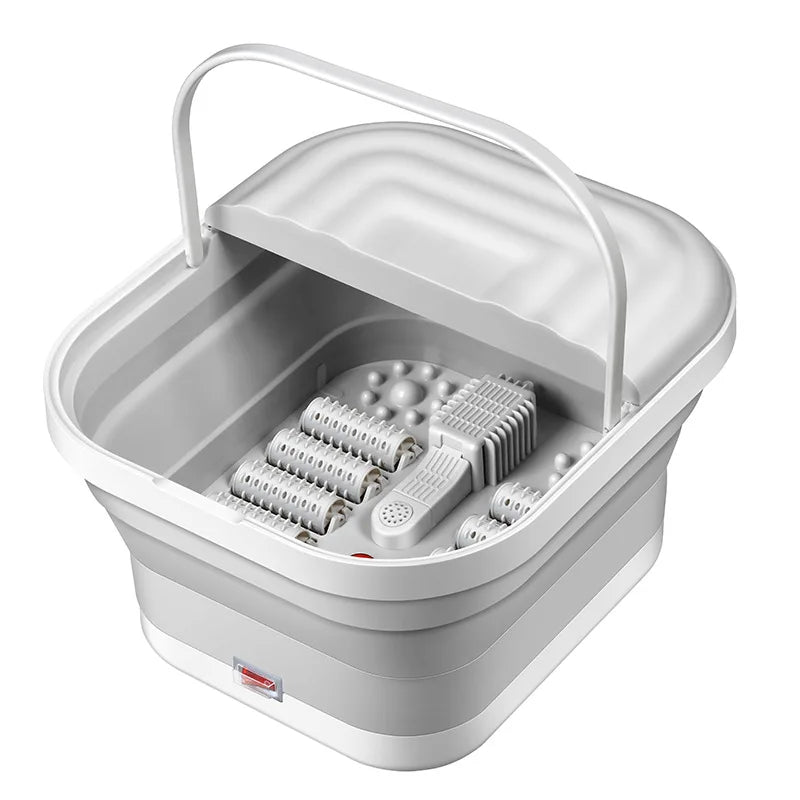
foot bath massager comparison for foot fatigue from standing all day — See it in action
What Is an Electric Foot Bath Massager and How Does It Work?
An electric foot bath massager is a powered wellness device that enhances a traditional foot soak by combining warm water with massage technology. Instead of relying only on soaking, these machines use heat and mechanical stimulation to create a more consistent recovery experience for tired feet after work, exercise, or prolonged standing.
Heat, Bubbles, Rollers, and Vibration
Modern foot spa machines often combine several features that work together to improve comfort:
- Automatic heating keeps the water at a comfortable temperature throughout the session.
- Bubble jets provide gentle water movement that enhances the soaking experience.
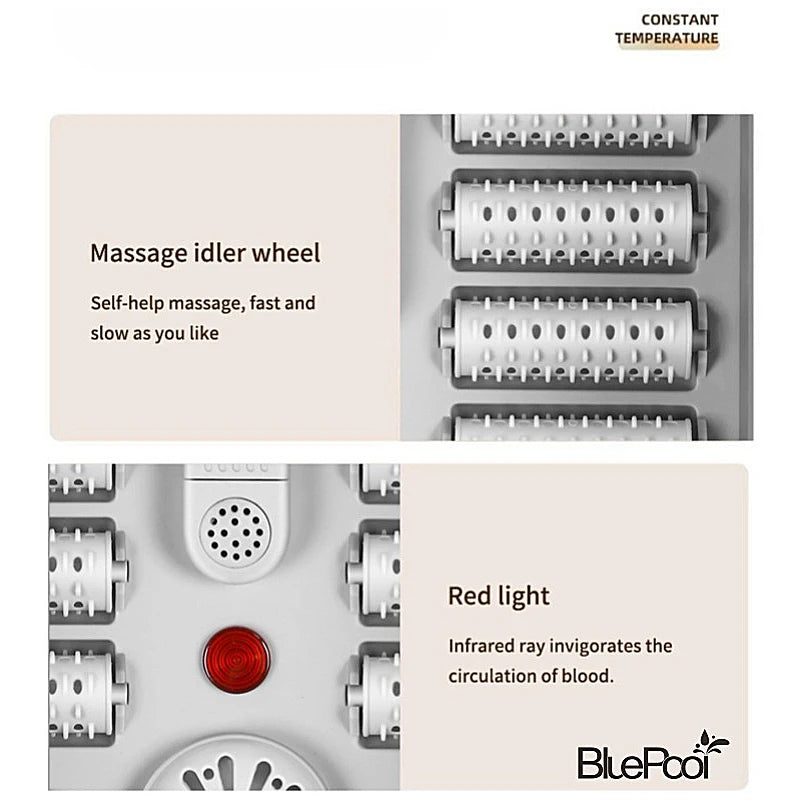
- Vibration massage helps relax tired muscles and reduce feelings of stiffness.
- Massage rollers apply light pressure to the soles of the feet, encouraging relaxation during use.
Although features vary by model, combining warmth with massage generally provides more consistent comfort than soaking alone.
How Hydrotherapy May Support Circulation and Recovery
Warm water naturally causes blood vessels near the skin to widen, which may temporarily increase local blood flow. When combined with vibration or massage rollers, an electric foot bath massager may help reduce muscle tightness, ease post-activity soreness, and promote relaxation after long periods of standing.
Current evidence suggests that heat and massage can temporarily improve comfort and support recovery from everyday muscle fatigue. However, a foot spa should not be considered a substitute for medical treatment of chronic pain, circulation disorders, or foot conditions that require professional care.
Manual Foot Soak Benefits and Limitations
A traditional foot soak remains a practical way to relax tired feet, especially if you only need occasional relief. While it lacks the advanced features of an electric foot spa, it is inexpensive, easy to prepare, and can become part of a simple self-care routine at home.
Benefits of Traditional Soaking
- Budget-friendly: A basin and warm water are all you need, making it one of the most affordable recovery options.
- Easy to customize: Many people add Epsom salt, essential oils, or herbal ingredients to create a more relaxing experience.
- Gentle relaxation: Warm water may help ease temporary muscle tension and soften dry skin after a long day.
- Accessible: A manual foot soak requires no electricity, special equipment, or ongoing maintenance.
Limitations Compared with Electric Foot Spas
- Heat dissipates quickly: Water gradually cools, reducing comfort during longer soaking sessions.
- No active massage: Traditional soaking does not provide vibration, massage rollers, or bubble stimulation.
- Less effective for frequent foot fatigue: People who stand or walk for extended periods often benefit from the additional comfort provided by heated massage features.
- More hands-on maintenance: You may need to replace or reheat the water to maintain a comfortable temperature.
For occasional relaxation, a manual soak is often sufficient. However, if foot fatigue is part of your daily routine, an electric foot bath massager generally offers a more consistent and convenient recovery experience.
Who Should Choose Each Option?
For Plantar Fasciitis and Sore Feet
People experiencing sore, tired feet may appreciate the combination of warmth and gentle massage offered by an electric foot bath massager. While it is not a treatment for plantar fasciitis or other medical conditions, it can help improve comfort before stretching or other recommended therapies. If pain is persistent or severe, consult a healthcare professional.
For Athletes
After running, hiking, or intense training sessions, athletes often prefer electric foot spas because consistent heat and massage can help reduce post-exercise muscle tightness and promote relaxation as part of a broader recovery routine.
For Seniors
Older adults who experience tired feet after walking or standing may find electric foot bath massagers easier to use because the water stays warm throughout the session. Anyone with diabetes, neuropathy, reduced sensation, or circulation disorders should seek medical advice before using heated foot spa devices.
For Budget Buyers
If your goal is occasional stress relief without investing in new equipment, a manual foot soak remains an excellent low-cost option. It delivers many of the relaxing benefits of warm water, even though it lacks the convenience and massage features of an electric foot spa.
Is an Electric Foot Spa Worth It?
For many people, the answer is yes . If you regularly experience sore, tired feet after work, exercise, or long periods of standing, an electric foot bath massager offers greater convenience and comfort than a traditional foot soak. The combination of consistent heat and massage features makes it a practical investment for ongoing home recovery.
When It Is Worth Buying
- You experience foot fatigue several times each week.
- You spend long hours standing or walking at work.
- You prefer automatic temperature control instead of reheating water.
- You value built-in massage features that support relaxation.
- You plan to use the device regularly enough to justify the upfront cost.
When a Manual Soak Is the Better Choice
- You only soak your feet occasionally.
- Your budget is limited.
- You prefer a simple, low-maintenance routine.
- You mainly want the relaxing effects of warm water without powered features.
Ultimately, choosing between an electric foot bath massager vs manual foot soak depends on how often you need relief. Frequent users generally benefit more from an electric model, while occasional users may find a traditional soak perfectly adequate.
Why the KentDO Heated Foot Bath Massager Stands Out
Key Features
The KentDO Heated Foot Bath Massager combines several features designed to make home foot care more convenient than a basic soaking basin. Its heated design helps maintain a comfortable water temperature throughout the session, while integrated massage functions provide additional relaxation for tired feet.
- Automatic heating for consistent comfort.
- Massage features designed to enhance relaxation.
- Simple controls suitable for regular home use.
- Well suited for people recovering from long workdays or active lifestyles.
Pros and Cons
- Pros: Consistent heat, convenient operation, effective for frequent foot fatigue, comfortable home recovery.
- Cons: Higher upfront investment than a manual soak, requires storage space, should be cleaned after each use.
Product spotlight: KentDO Heated Foot Bath Massager
How to Use an Electric Foot Bath Massager Safely and Effectively
Step-by-Step Use
- Place the foot bath massager on a stable, dry surface.
- Fill the basin to the recommended water level.
- Select your preferred temperature and massage settings.
- Rest your feet comfortably in the water for approximately 15 to 20 minutes.
- Remove your feet carefully and dry them thoroughly, especially between the toes.
Cleaning After Each Session
Regular cleaning helps extend the life of your foot spa and promotes good hygiene.
- Unplug the unit and allow it to cool before emptying the water.
- Wipe the basin with a soft cloth and mild detergent.
- Rinse thoroughly if recommended by the manufacturer.
- Dry the interior completely before storing the unit.
- Avoid immersing electrical components in water.
daily feet care routine with foot bath massager — See it in action
Are Foot Spas Safe to Use?
Yes. Foot spas are generally safe for healthy adults when used according to the manufacturer's instructions. Good hygiene, appropriate water temperature, and routine cleaning help ensure a safe and comfortable experience. However, people with certain medical conditions should consult a healthcare professional before using an electric foot bath massager.
Who Should Avoid Foot Spas
- People with open cuts, blisters, or infected skin on the feet.
- Individuals with severe peripheral neuropathy or reduced sensation who may not detect excessive heat.
- People with uncontrolled diabetes or circulation disorders unless advised by a healthcare provider.
- Anyone recovering from recent foot surgery or serious foot injuries without medical clearance.
Safety Tips Before Every Session
- Check that the water temperature is comfortable before placing your feet in the basin.
- Follow the recommended session length, typically 15 to 20 minutes.
- Clean and dry the foot spa thoroughly after every use.
- Never immerse electrical components in water.
- Stop using the device if you experience pain, dizziness, or skin irritation.
Frequently Asked Questions
Is an electric foot spa worth it?
If you regularly experience tired or sore feet, an electric foot spa can be a worthwhile investment. Consistent heat and massage features provide greater convenience and comfort than a manual foot soak, especially for frequent home use.
Does a foot spa improve circulation?
Warm water and gentle massage may temporarily increase blood flow near the surface of the skin and help reduce muscle stiffness. While these effects can improve comfort and relaxation, a foot spa should not be considered a treatment for underlying circulation disorders.
Are foot spas safe to use?
Yes, when used correctly. Follow the manufacturer's instructions, maintain proper hygiene, and consult a healthcare professional before use if you have diabetes, neuropathy, poor circulation, or open wounds.
How often should you use a foot spa?
Many people use an electric foot bath massager two to four times per week, while others enjoy short daily sessions after work or exercise. Follow the manufacturer's recommendations and discontinue use if discomfort develops.
Can you add Epsom salt to an electric foot spa?
Some foot spa machines are compatible with Epsom salt, while others are not. Always check your owner's manual before adding salts, oils, or other products, as certain additives may affect the performance or lifespan of the device.
Which is better for plantar fasciitis: foot spa or manual soak?
Neither option treats plantar fasciitis directly. However, an electric foot spa may provide greater temporary comfort because it combines warm water with massage features. It works best alongside stretching, supportive footwear, and any treatment recommended by your healthcare provider.
KentDO Heated Foot Bath Massager
Related Guide: Heated Foot Bath Massager Comparison: Which Fits Your Needs?













