

Electric Foot Callus Remover vs File: Which Works Better?
⏱ 7 min read
Rough heels can quietly steal confidence. You moisturize, you scrub, yet the dryness comes back. So which tool actually makes a difference at home: a modern electric foot callus remover or a classic foot file? This foot callus removal comparison looks at effectiveness, comfort, safety, maintenance, and long-term value to help you choose the best solution for your routine.
Explore how different foot care tools perform for smooth, healthy heels.
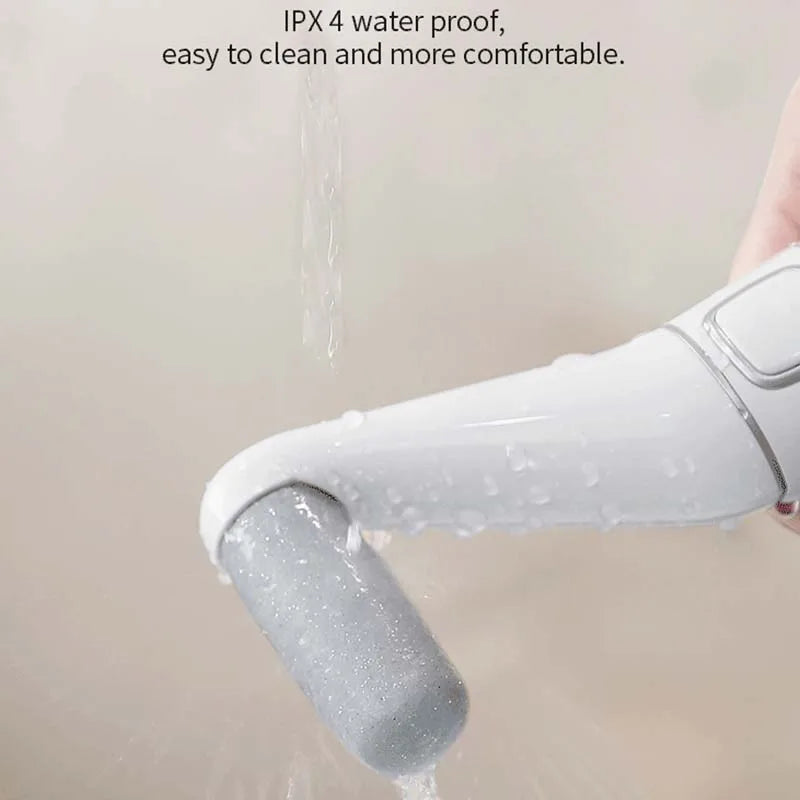
electric foot callus remover for smooth heels at home • See it in action
Understanding Foot Calluses: Why They Form
What causes foot calluses?
Calluses develop when repeated friction and pressure stimulate the skin to build a thicker protective layer. Walking long distances, standing for extended periods, wearing poorly fitting shoes, going barefoot on hard surfaces, and certain foot mechanics can all contribute.
In many cases, calluses are completely normal. They help protect the skin from injury, but excessive buildup can become dry, rough, uncomfortable, or prone to cracking.
When calluses become a problem
Not every callus needs aggressive removal. Thin, smooth calluses often require only regular moisturizing and occasional exfoliation. Thick, yellow, cracked, or painful calluses usually benefit from more consistent care using the best way to remove foot callus at home based on their severity.
Choosing between a manual file and an electric device depends largely on the thickness of the hardened skin, how frequently calluses return, and how much maintenance you're willing to do.
How Electric Foot Callus Removers and Manual Foot Files Work
How electric rollers remove dead skin
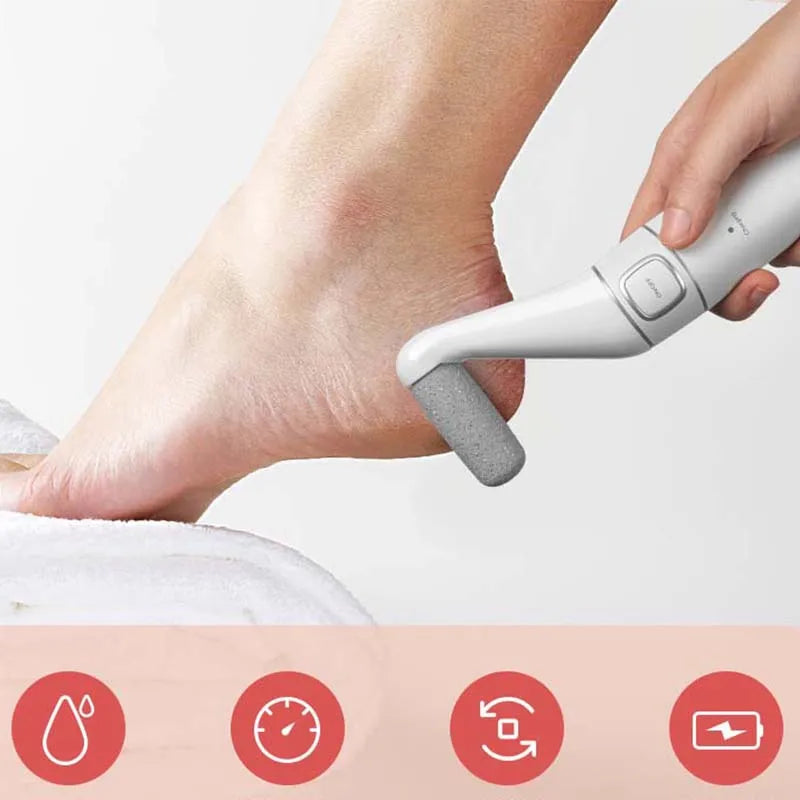
An electric foot callus remover uses a rotating or oscillating abrasive roller to gradually buff away dead skin through controlled mechanical exfoliation. Because the roller maintains a consistent speed, it removes hardened skin more evenly than repeated hand filing.
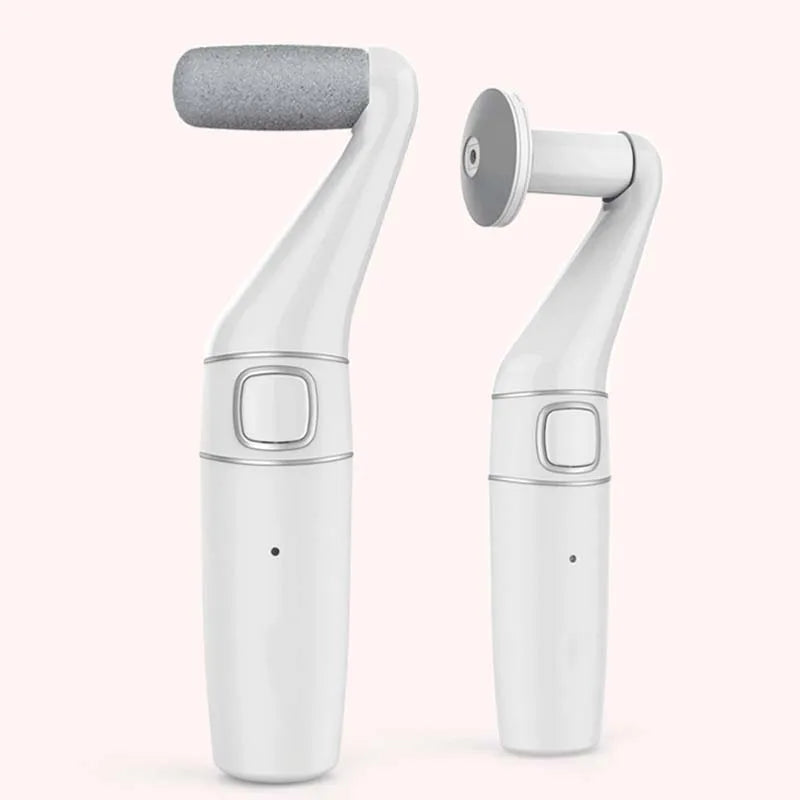
Many modern models include coarse and fine rollers, multiple speed settings, rechargeable batteries, and ergonomic handles. Most are designed for dry use, although some waterproof models can be used on damp feet depending on manufacturer instructions.
How manual foot files exfoliate calluses
A manual foot file relies on the user applying pressure across an abrasive surface, such as a metal rasp, emery board, diamond-coated file, or pumice stone. The amount of skin removed depends entirely on the user's technique and consistency.
Some manual tools work best after soaking the feet, while others are designed for dry filing. Compared with electric foot file benefits, manual tools offer greater tactile control but typically require more effort to achieve similar results on thick calluses.
Quick takeaway: Electric rollers excel at recurring thick calluses, while manual files remain an excellent option for occasional touch-ups and light exfoliation.
Electric Foot Callus Remover vs File: Side-by-Side Comparison
Effectiveness
For thick, recurring heel buildup, electric devices generally remove dead skin faster and more consistently. Manual files perform well for mild calluses and routine maintenance.
Speed
An electric callus remover often completes a treatment within a few minutes, while manual filing usually takes longer and requires more physical effort.
Comfort
Electric rollers provide smoother, more controlled exfoliation with less repetitive scraping. Manual filing may feel harsher if excessive pressure is applied.
Safety
Both tools are safe when used correctly. Electric devices help reduce uneven filing through consistent motion, while manual files offer maximum control for experienced users. Neither should be used on open wounds, infected skin, or actively bleeding cracks.
Maintenance & Hygiene
Electric models require occasional roller replacement, charging, and cleaning after each use. Manual files require simple washing and thorough drying but can eventually lose their abrasive surface over time.
Cost
Manual foot files have a lower upfront cost. Electric removers cost more initially but may offer better long-term convenience for people who regularly manage thick calluses.
Portability
Manual files easily fit into travel bags and never require charging. Rechargeable electric models are portable but add extra bulk and charging accessories.
Learning Curve
Electric removers are generally beginner-friendly because the motor performs much of the work. Manual files require more practice to achieve even pressure without over-filing.
Best Skin Types
Electric devices are ideal for thick, dry, recurring calluses. Manual files are well suited to mild roughness, occasional maintenance, and users who prefer gradual exfoliation.
| Feature | Electric Foot Callus Remover | Manual Foot File |
|---|---|---|
| Effectiveness | Excellent for thick calluses | Best for light to moderate buildup |
| Speed | Fast results in minutes | Slower, requires repeated strokes |
| Comfort | Smooth, consistent exfoliation | Depends on technique |
| Safety | Controlled when used properly | Greater user control but easier to over-file |
| Maintenance | Clean and replace rollers periodically | Wash and dry after use |
| Cost | Higher initial investment | Lower purchase price |
| Portability | Good | Excellent |
| Best For | Persistent thick heels | Weekly maintenance and travel |
Pros and Cons of Electric Callus Removers
Advantages
- Fast, even removal of thick calluses.
- Less physical effort during treatment.
- Excellent for regular home pedicures.
- Multiple roller options allow gradual exfoliation.
- Ideal for users seeking electric foot file benefits such as speed and convenience.
Limitations
- Higher purchase price than manual tools.
- Requires charging or battery power.
- Rollers need periodic replacement.
- Can remove too much skin if held in one place too long.
Pros and Cons of Manual Foot Files
Advantages
- Affordable and widely available.
- No batteries or charging required.
- Durable and easy to carry while traveling.
- Provides precise control for small areas.
Limitations
- Requires more manual effort.
- Slower on stubborn heel calluses.
- Results depend heavily on user technique.
- May produce uneven exfoliation if excessive pressure is used.
Which Tool Is Best for Different Situations?
Thick cracked heels
An electric callus remover is usually the better choice because it removes heavy buildup more efficiently while requiring less effort.
Light maintenance
A manual file or pumice stone works well for weekly touch-ups when only a small amount of dead skin needs removal.
Sensitive skin
Choose a fine roller or a gentle manual file and exfoliate gradually. Stop if skin becomes tender or irritated.
Travel
A compact manual foot file is lightweight, inexpensive, and doesn't require charging.
Budget shoppers
If cost is the main priority, a quality manual file delivers excellent value. If convenience and recurring use matter more, investing in an electric remover can be worthwhile over time.
Electric Foot Callus Remover Safety Tips
How to use an electric foot file
- Begin with the lowest speed.
- Move continuously instead of holding the roller in one spot.
- Allow the roller to do the work without pressing hard.
- Clean the roller thoroughly after each session.
Who should avoid aggressive callus removal
People with diabetes, poor circulation, neuropathy, or foot wounds should consult a healthcare professional before using aggressive exfoliation tools. These conditions increase the risk of unnoticed skin injury.
Signs of overuse
If your feet become sore, pink, sensitive, or begin peeling excessively, reduce treatment frequency. Most people only need to exfoliate once every one to two weeks, followed by daily moisturizing.
Simple Foot Care Routine for Long-Term Results
Exfoliate
Use your preferred foot care tool once every one to two weeks depending on callus thickness.
Moisturize
Immediately apply a rich foot cream containing ingredients such as urea or glycerin to lock in moisture after exfoliation.
Prevent calluses
Wear properly fitting shoes, reduce friction with cushioned socks when needed, and address recurring dry skin early before thick calluses develop again.
For additional foot care solutions, explore our Body Care and Health Devices collection. You may also find these guides helpful: Does Removing Dead Skin From Feet at Home Really Work? , Why Is My Skin Peeling on My Feet? , and Burning Feet at Night: Causes, Symptoms & Relief .
best electric callus remover results for dry heels solution • See it in action
Final Verdict: Electric Foot Callus Remover vs File
Quick decision guide
If you're comparing an electric foot callus remover vs file, there isn't a single winner for everyone.
- Choose an electric callus remover if you have thick, recurring calluses, want faster treatments, and prefer consistent results with less effort.
- Choose a manual foot file if your calluses are mild, you travel frequently, or you want a simple, budget-friendly maintenance tool.
- For many people, the best approach is both: use an electric remover for periodic deep exfoliation and a manual file or pumice stone for light weekly maintenance.
Ultimately, regular exfoliation combined with consistent moisturizing will have a greater impact on long-term heel health than the specific tool you choose.
Related Guide: Best Electric Foot File Comparison for Home Pedicures
Get yours now — limited stock!
electric foot callus remover for confident, smooth heels • See it in action













