

Electric Foot File Reviews 2026: Best Tools to Remove Dead Skin on Feet
An electric foot file works by gently rotating a textured roller to buff away thick, dry buildup. Unlike manual tools, an electric foot file removes dead skin on feet evenly and safely, helping heels look smoother after just a few uses while reducing effort, time, and irritation.
⏱ 8 min read
Dry, cracked heels can make you feel self-conscious, no matter how polished the rest of your routine is. You moisturize, you scrub, and yet rough skin keeps coming back. What if the solution wasn’t more effort—but a smarter tool designed to work with your skin instead of against it?
Explore how an electric foot file transforms daily foot care

electric foot file for smooth heels and easy callus removal See it in action
Does an Electric Foot File Really Work for Cracked Heels?
Before and After Expectations
Yes—an electric foot file for cracked heels can noticeably smooth rough skin by removing layers of dead buildup. After one session, heels typically feel softer. After consistent use over 1–3 weeks, visible cracks often become less pronounced.
How Fast Results Appear
Light dryness improves in just a few uses, while thick calluses may require multiple sessions. Consistency—not pressure—is what delivers the best long-term results.
Limitations for Severe Cracks
Electric callus removers are not medical devices. Deep or painful heel fissures may require professional treatment. For maintenance and moderate dryness, however, they are highly effective.
Why Heels Get Rough Over Time
Heels naturally bear more weight and friction than other areas of the foot. Over time, this causes the skin to thicken as a protective response. Aging, dehydration, and seasonal dryness worsen the problem, leading to visible cracks and rough patches.
Traditional tools like pumice stones or metal files often remove skin unevenly, sometimes causing additional buildup and creating a cycle of frustration.
What Is an Electric Foot File and How Does It Work?
An electric foot file is a handheld device designed to remove dead skin on feet efficiently. Using a rotating roller with micro-abrasive texture, it buffs away rough patches and calluses without harsh scraping.
Compared to manual tools, electric models provide controlled exfoliation, adjustable speeds, and consistent pressure—making them easier to use and safer for regular home care.
Learn why more people switch to an electric foot callus remover
What to Look for in an Electric Foot File (2026 Buying Guide)
Motor Power and Performance for Thick vs Light Calluses
Stronger motors maintain consistent rotation under pressure, making them ideal for thick calluses. For light maintenance, a moderate motor prevents over-exfoliation.
Speed Settings and Control for Safe Use
Dual or variable speeds let you switch between gentle smoothing and deeper exfoliation. Beginners should prioritize models with low-speed options.
Roller Types and Grit Levels Explained
Coarse rollers remove thick buildup, medium rollers maintain smoothness, and fine rollers polish sensitive areas. Interchangeable heads provide flexibility for different needs.
Battery Life and Rechargeable Convenience
Rechargeable foot files offer consistent performance and eliminate disposable batteries. Look for USB charging and at least 60 minutes of runtime.
Ergonomics, Noise, and Ease of Handling
Lightweight, well-balanced devices reduce hand fatigue. Quieter motors improve comfort during longer sessions.
How to Choose Based on Your Foot Type
Best for Thick Calluses
Choose high-power devices with coarse rollers and multiple speed settings for deeper exfoliation.
Best for Sensitive Skin
Look for fine rollers, low-speed modes, and gentle pressure control to avoid irritation.
Best for Maintenance and Smooth Skin
Mid-range models with medium rollers are ideal for maintaining already soft feet with minimal effort.
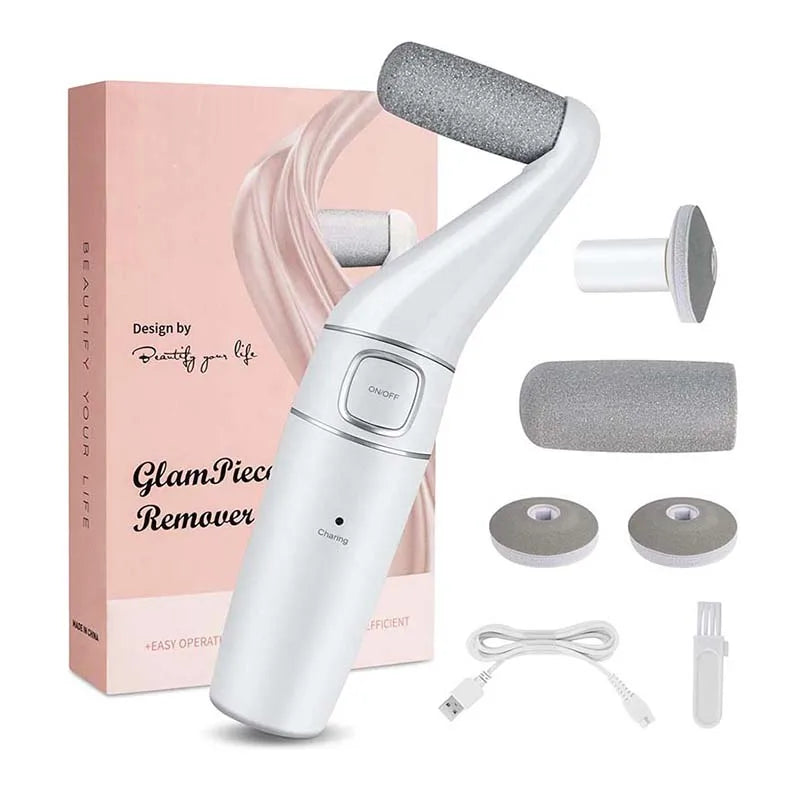
electric foot callus remover helping remove dead skin on feet See it in action
Electric Foot File vs Manual Tools: What’s the Difference?
| Feature | Electric Foot File | Manual File |
|---|---|---|
| Pressure control | Even, guided rotation | Depends on user force |
| Results | Smoother, consistent | Often uneven |
| Time required | Fast, efficient | Longer sessions |
| Skin comfort | Gentler on heels | Higher irritation risk |
This comparison explains why many users switch to electric options for long-term improvement. Explore more tools in Manual vs Electric Foot Care Tools .
How to Use an Electric Foot File Safely at Home
Step-by-Step Usage Guide
- Clean and dry your feet.
- Select the appropriate roller.
- Start on low speed.
- Glide gently without pressing.
- Moisturize after use.
- Clean the device thoroughly.
Common Mistakes to Avoid
- Applying too much pressure
- Holding in one spot too long
- Overusing more than 3 times per week
Hygiene and Cleaning Tips
Remove and rinse rollers after each use. Allow them to dry completely to prevent bacteria buildup.
Learn more in our Foot Care Routines at Home guide.
Get yours now — limited stock!
Testing Criteria: How We Evaluate Electric Foot Files
Durability and Build Quality
We assess materials, motor stability, and long-term wear resistance.
Ease of Cleaning and Maintenance
Removable rollers and washable components improve hygiene and convenience.
Noise Level and Comfort
Lower noise devices provide a more comfortable experience, especially for frequent use.
Battery Performance
We evaluate runtime, charging speed, and consistency across multiple sessions.
Best Electric Foot Files of 2026: Comparison & Reviews
| Product | Best For | Roller Type | Rechargeable | Price |
|---|---|---|---|---|
| FilerPro Ultra | Best Overall | Dual roller | Yes | $$$ |
| HeelSmooth Max | Thick Calluses | Extra coarse | Yes | $$ |
| SoftStep Recharge | Cracked Heels | Fine roller | Yes | $$ |
| BudgetFeet | Budget-Friendly | Standard | No | $ |
| SeniorCare Pro | Seniors | Coarse & fine | Yes | $$$ |
Real Results and User Experiences
Before and After Scenarios
Users typically report softer heels after one session and visible improvements within 1–2 weeks.
Who Sees the Best Results
Those with moderate dryness and consistent routines benefit the most.
Common Complaints
- Overuse causing sensitivity
- Low-power models struggling with thick calluses
- Rollers needing replacement over time
Example: Jane, 45, improved stubborn cracked heels within three weeks using consistent twice-weekly sessions.
Who Benefits Most From an Electric Foot File?
- People with chronic dry heels
- Busy professionals
- At-home self-care users
- Anyone maintaining smooth feet
Pair with tools from Body Care and Health Devices for a complete routine.
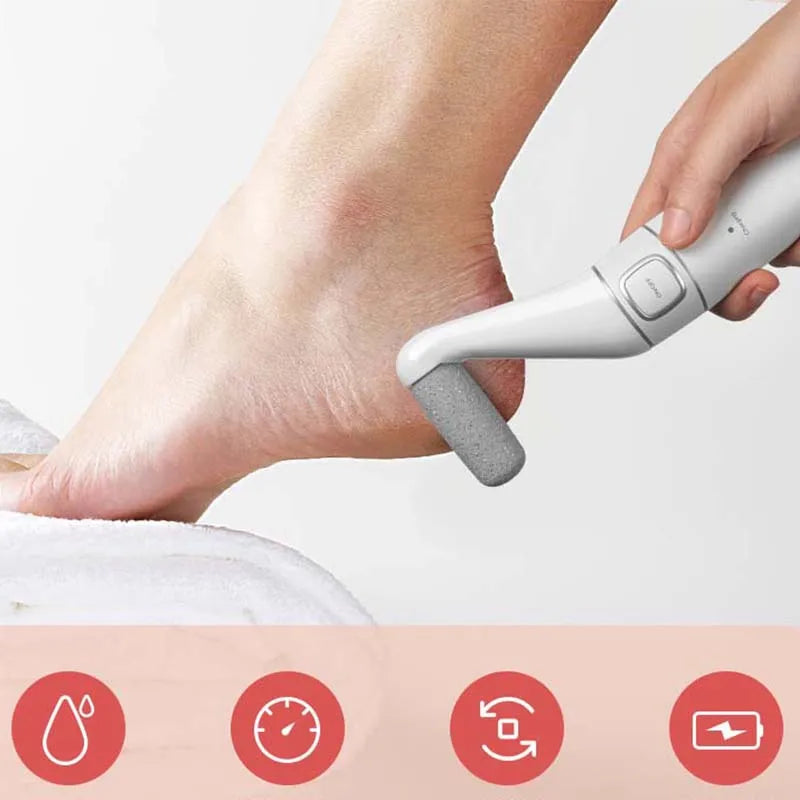
best electric callus remover for smooth heels See it in action
Frequently Asked Questions
How often should I use an electric foot file?
2–3 times per week is ideal.
Is it safe for sensitive skin?
Yes, use fine rollers and low speed.
Does it replace professional pedicures?
No, but it helps maintain results.
Can it remove thick calluses at home?
Yes, with coarse rollers and consistent use.
What grit level is best for thick calluses?
Coarse grit works best for thick buildup.
Can I use an electric foot file on wet or dry skin?
Most devices are designed for dry use unless specified otherwise.
How long does a foot file roller last?
Typically 2–3 months depending on usage.
Are rechargeable foot files better?
Yes, they provide consistent power and convenience.
Can electric foot files damage healthy skin?
Only if overused or used with excessive pressure.
Experience smoother heels at home













