

Does a hair steamer work better than an electric heating cap for deep conditioning?
A hair steamer and an electric hair heating cap improve deep conditioning in different ways. A hair steamer uses warm moisture to help soften the cuticle and support hydration, while a heating cap uses controlled heat to improve conditioner absorption and create a consistent treatment environment. The better option depends on your hair porosity, moisture needs, and whether you prioritize maximum hydration or convenience.
Hair Steamer vs Heat Cap: Which Is Better for Deep Conditioning Your Hair?
Hair Steamer vs Heat Cap: Quick Verdict
If you're comparing a hair steamer vs heat cap, the best choice depends on your hair type, porosity, and treatment goals.
In general, hair steamers are better for low-porosity, natural, and moisture-resistant hair because steam helps lift the cuticle and improve conditioner penetration. Heat caps are often better for convenience, affordability, and maintaining consistent heat during deep conditioning treatments.
Neither tool is universally better. The winner depends on whether you need maximum moisture penetration or practical at-home conditioning.
Choose a Hair Steamer If…
- You have low-porosity hair.
- Your hair struggles to absorb conditioners.
- You want maximum hydration.
- You regularly deep condition natural curls or coils.
- You prioritize moisture retention over convenience.
Choose a Heat Cap If…
- You want a portable, affordable solution.
- You deep condition regularly at home.
- You prefer less mess and setup.
- You use protein treatments frequently.
- You want consistent heat with minimal maintenance.
Best Choice by Hair Goal
- Maximum hydration: Hair steamer
- Budget-friendly conditioning: Heat cap
- Low-porosity hair: Hair steamer
- Quick weekly treatments: Heat cap
- Natural curls and coils: Hair steamer
- Convenience and portability: Heat cap
Choosing between an electric hair heating cap and a steam cap can feel confusing—especially when you want healthier, softer hair without wasting money on the wrong tool. Both methods support deeper conditioning, but the way they interact with your hair is different.
⏱ 6 min read
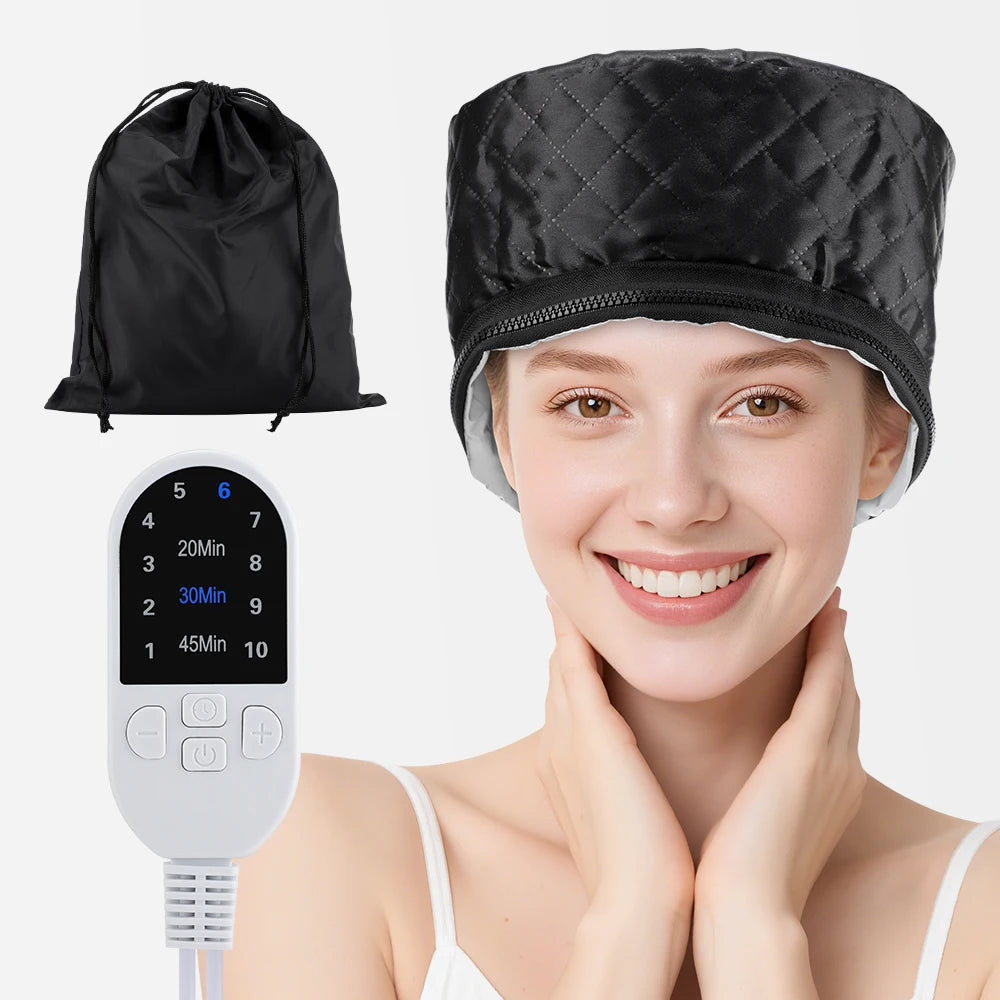
electric hair heating cap for deep conditioning without hooded dryer See it in action
Hair Steamer vs Heat Cap: Side-by-Side Comparison Table
- Heat Source: Steam moisture vs controlled dry/moist heat
- Cuticle Opening: Steamer generally stronger
- Deep Conditioner Penetration: Steamer advantage
- Convenience: Heat cap advantage
- Portability: Heat cap advantage
- Setup Time: Heat cap advantage
- Maintenance: Heat cap advantage
- Hydration Support: Steamer advantage
- Cost: Heat cap usually lower
- Best for Low-Porosity Hair: Steamer advantage
- Best for Weekly Deep Conditioning: Heat cap advantage
- Best for Natural Hair: Steamer slight advantage
How Hair Steamers and Heat Caps Work
How a Hair Steamer Works
A hair steamer produces warm water vapor that surrounds the hair shaft. The combination of heat and humidity helps soften the cuticle layer, allowing conditioning ingredients to spread more evenly throughout the hair.
How a Deep Conditioning Heat Cap Works
A deep conditioning heat cap uses electrically generated heat or microwave-heated inserts to warm the hair during treatment. The heat encourages conditioner absorption without introducing additional moisture into the environment.
Steam Heat vs Dry Heat: The Key Difference
The biggest difference between a hair steamer and heating cap is the presence of moisture. Steam combines humidity and warmth, while a heat cap relies primarily on controlled heat. This difference influences cuticle behavior, hydration levels, and overall treatment outcomes.
The Science of Steam vs Heat for Hair Health
Hair Cuticle Response to Steam
Steam increases humidity around the hair shaft while raising temperature. This combination temporarily loosens the cuticle layer, helping conditioners reach areas that may otherwise remain difficult to penetrate.
Hair Cuticle Response to Dry Heat
Heat caps warm the hair and conditioning products, improving spreadability and absorption. However, they generally provide less environmental moisture than steam-based treatments.
Moisture Retention and Product Absorption
Steam does not permanently moisturize hair, but it can improve the effectiveness of moisturizing products. Heat caps can also enhance absorption, especially when paired with quality deep conditioners, but they rely more heavily on the product itself rather than added humidity.
What Is a Hair Steamer and How Does It Work?
A hair steamer is a device that produces warm mist to surround your hair, helping it absorb moisture and conditioning treatments more effectively.
The steam gently lifts the cuticle layer while infusing strands with water vapor, making it especially effective for dry, brittle, or low-porosity hair.
Key Benefits of Hair Steamers
- Deep hydration for dry or dehydrated hair
- Improves elasticity and reduces breakage
- Helps products penetrate more evenly
- Enhances curl definition for natural hair
Limitations of Steam Treatments
- Bulky equipment compared to heat caps
- Longer setup and usage time
- Can cause over-moisturizing if overused
Hair Steamer Cap Benefits Explained
- Improves conditioner penetration.
- Supports hydration-focused treatments.
- May help soften low-porosity hair.
- Can enhance curl definition after conditioning.
- Creates a spa-like deep conditioning experience at home.
- Often improves the effectiveness of moisturizing masks.
Hair Steamer Cap Side Effects and Risks
Hair steamers are generally safe when used correctly, but excessive use may contribute to over-hydration in some hair types.
- Temporary over-softening of hair.
- Potential moisture-protein imbalance.
- Scalp discomfort if steam is excessively hot.
- Frizz in highly humid conditions.
- Reduced effectiveness when used too frequently.
Most users can avoid these issues by following manufacturer guidelines and balancing moisturizing treatments with occasional protein treatments when appropriate.
What Is a Heat Cap and How Does It Work?
A heat cap is a wearable device that delivers consistent, controlled heat to your hair during deep conditioning treatments.
It works by gently warming the hair and scalp, helping the cuticle open so conditioners and oils can penetrate more effectively.
Key Advantages of Heat Caps
- Temperature controlled hair care for consistent results
- No dripping water or setup complexity
- Faster treatment time compared to steamers
- Portable and travel-friendly
Potential Drawbacks of Heat Caps
- Does not add moisture like steam
- May be less effective for very dry or low porosity hair
- Requires careful temperature control to avoid overheating
Explore more tools like this in the Hair Care and Styling Devices collection.
Hair Steamer vs Heat Cap: Pros and Cons
Hair Steamer Pros and Cons
- Pros: Excellent hydration support, ideal for low-porosity hair, strong conditioner penetration.
- Cons: Higher cost, larger equipment, more maintenance, longer setup.
Heat Cap Pros and Cons
- Pros: Affordable, portable, simple to use, low maintenance.
- Cons: Less humidity exposure, may not perform as well for highly resistant low-porosity hair.
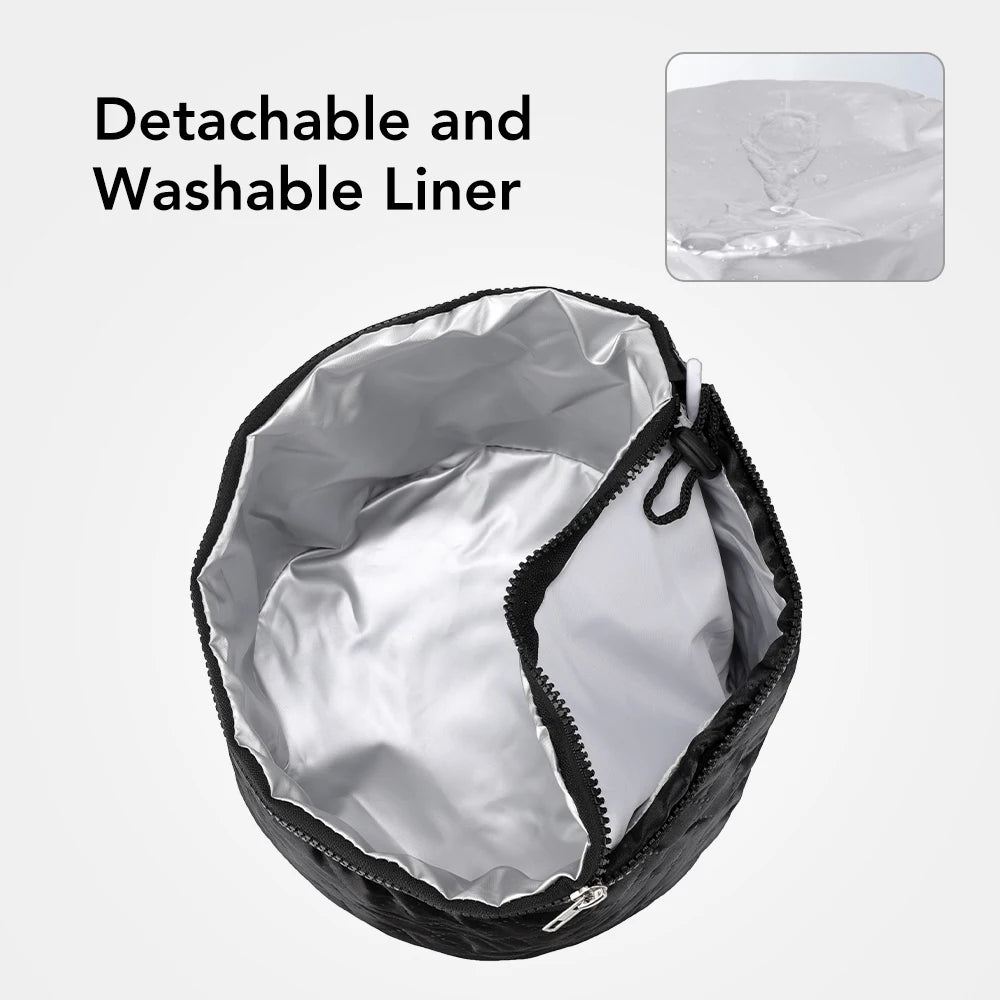
temperature controlled hair care for hair therapy moisture and repair See it in action
Best Option by Hair Type, Texture, and Porosity
Low Porosity Hair
Hair steamers are typically the better choice because steam helps open tightly closed cuticles, allowing moisture to penetrate effectively.
High Porosity Hair
Heat caps work well since the cuticle is already open, and the goal is to help products absorb and retain moisture without overhydrating.
Natural & Curly Hair
Hair steamers are ideal for maintaining hydration, improving curl definition, and reducing breakage in textured hair.
Straight and Fine Hair
Fine hair often benefits from lighter conditioning routines. A heat cap may be more practical because it supports treatment absorption without adding too much moisture.
Damaged or Color-Treated Hair
Both options can work, but steamers are better for restoring moisture, while heat caps are useful for strengthening treatments and protein masks.
Relaxed or Chemically Processed Hair
Hair that has undergone chemical processing often benefits from balanced moisture and strengthening treatments. A heat cap can support conditioning, while steam can help improve softness.
Hair Steamer vs Heat Cap for Specific Goals
Deep Conditioning
Hair steamers often provide the strongest deep-conditioning experience because steam improves conditioner distribution and penetration.
Moisture Retention
Steam typically performs better when hydration is the primary objective.
Protein Treatments
Heat caps often work well with protein treatments because they provide controlled warmth without excessive humidity.
Hair Growth Support
Neither device directly causes hair growth, but healthier hair care practices may reduce breakage and improve length retention.
Frizz Reduction
Results depend on hair type, though proper conditioning with either method can improve manageability.
Scalp Care
Some users find steam treatments soothing for dry scalps due to the added humidity.
Real-World Differences: Cost, Time, Convenience, and Maintenance
Initial Cost Comparison
Heat caps are generally more affordable, while full hair steamers usually require a larger upfront investment.
Treatment Time
Most heat cap sessions last 20–40 minutes. Steam sessions commonly require similar treatment times plus setup and water preparation.
Ease of Use
Heat caps are typically simpler for weekly routines because they are lightweight, portable, and require minimal preparation.
Cleaning and Maintenance
Steamers require periodic cleaning and water reservoir maintenance. Heat caps generally require less upkeep.
Common Myths About Hair Steamers and Heat Caps
Does Steam Add Moisture Directly to Hair?
Steam alone is not a substitute for conditioners and moisturizers. It primarily helps improve the performance of moisturizing products.
Does More Heat Mean Better Results?
No. Excessive heat can increase the risk of dryness and damage. Moderate, controlled heat is generally preferred.
Can Steam Repair Damaged Hair Permanently?
No treatment permanently repairs damaged hair. Steam can improve appearance and manageability but cannot reverse structural damage.
Which One Should You Choose? (Decision Guide)
Decision Tree for Choosing Between a Steamer and Heat Cap
-
Do you have low-porosity hair?
- Yes → Choose a hair steamer.
- No → Continue.
-
Is affordability your top priority?
- Yes → Choose a heat cap.
- No → Continue.
-
Do you want maximum hydration?
- Yes → Choose a hair steamer.
- No → Continue.
-
Do you value convenience and portability?
- Yes → Choose a heat cap.
- No → Hair steamer may provide better conditioning performance.
Frequently Asked Questions
Is a hair steamer cap worth it?
For low-porosity, curly, and moisture-resistant hair, many users find the added hydration benefits worthwhile.
Which is better for low-porosity hair: steamer or heat cap?
Hair steamers are generally preferred because steam can help improve product penetration.
Can too much steam damage hair?
Excessive steaming may contribute to over-hydration and reduced elasticity in some hair types.
Do heat caps dry out hair?
Not typically when used correctly with deep conditioners, though excessive heat should be avoided.
Does deep conditioning work without steam?
Yes. With consistent heat from an electric hair heating cap, treatments can absorb effectively without steam.
Is a hair steamer better than a heat cap for growth?
Neither directly causes hair growth, but healthier conditioning habits may support stronger hair and reduce breakage.
Can I use both a steamer and heat cap together?
Yes. Some routines combine steam for hydration and heat caps for regular conditioning sessions.
For more wellness-focused tools, explore the Body Care and Health Devices collection.
Related Guide: Best Hair Steamer Cap Home: Top Picks Compared
Final Verdict: Hair Steamer vs Heat Cap
When comparing a hair steamer vs heat cap, neither tool wins in every category.
If your primary goal is maximum hydration, improved conditioner penetration, and support for low-porosity or natural hair, a hair steamer is usually the better option.
If affordability, convenience, portability, and consistent weekly deep conditioning are your priorities, a heat cap is often the smarter purchase.
For most users, the decision comes down to balancing hydration performance against convenience. Understanding your hair porosity, texture, and conditioning goals will help you choose the option that delivers the best results.













