

Are Seat Warmers for Cars Safe to Use?
Seat warmers for cars are safe when they are manufactured with proper electrical protection and used according to the manufacturer's instructions. High-quality models include low-voltage operation, built-in fuses, temperature sensors, thermostats, and automatic shut-off features that help prevent overheating. Choosing a well-built seat warmer is far more important than simply selecting the hottest model.
Key Safety Features to Look For
- Automatic shut-off after a set period
- Built-in fuse protection against electrical faults
- Thermostat-controlled temperature regulation
- Overheat protection with multiple heat settings
- Secure straps and non-slip backing to prevent movement while driving
Who Should Avoid Heated Seat Cushions
Most healthy adults can safely use a seat warmer in car for daily commuting. However, people with reduced heat sensitivity, diabetes-related neuropathy, recent skin injuries, or certain medical conditions should consult a healthcare professional before prolonged use. Pregnant drivers should also follow their physician's recommendations and avoid excessive heat exposure.
Best Seat Warmers for Cars (2026): Safe, Powerful & Worth Buying
⏱ 7 min read
Cold mornings can make even a short drive uncomfortable. But is adding a seat warmer actually safe for your body and your vehicle? Many drivers want fast warmth without worrying about electrical issues or long-term health effects. This guide breaks down the safest types, how they work, how to compare the best seat warmers for cars, and which options are worth buying today.
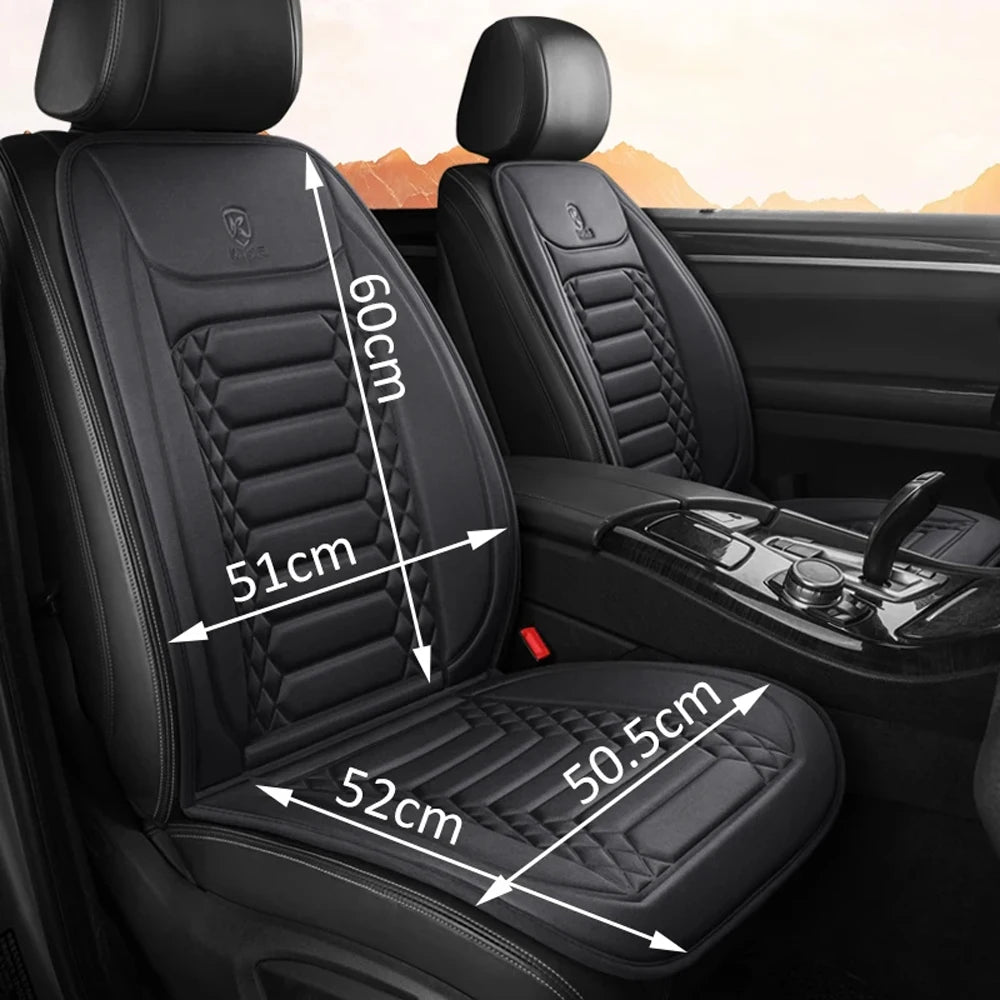
Winter car seat warmer comfort with built-in protection — See it in action
How Do Car Seat Warmers Work? (Quick Explanation)
Car seat warmers use thin electrical heating elements embedded inside the seat cushion or a seat cover. When powered, these elements generate heat evenly across the seating surface, delivering fast warmth without heating the entire cabin.
Most modern systems include thermostats and adjustable heat levels, allowing safe and efficient temperature control while minimizing power consumption.
- Heating elements: Thin resistance wires or carbon fiber heating pads distribute warmth evenly.
- Power source: Usually powered by a 12V outlet or direct vehicle wiring.
- Controls: Adjustable temperature settings for different weather conditions.
- Safety features: Thermostats, auto shut-off, and overheating protection.
This explains how car seat warmers work and why they provide faster personal comfort than waiting for the cabin heater to warm the entire vehicle.
Types of Seat Warmers for Cars Compared
Not all seat warmers for car use the same technology. Understanding the differences makes it easier to choose the safest, most comfortable, and most cost-effective option.
Built-In Heated Seats (Factory Installed)
Factory-installed heated seats are integrated into the vehicle's electrical system and designed with multiple safety sensors.
- Excellent heat consistency
- Integrated temperature monitoring
- Premium comfort
- Higher purchase or retrofit cost
Universal Seat Heaters (Aftermarket Options)
Universal seat heaters include removable heated seat covers and installation kits that fit most cars, SUVs, and trucks.
- Affordable solution
- Easy installation
- Available for nearly every vehicle
- Quality varies by manufacturer
12V vs USB-Powered Seat Warmers
Power source affects heating performance and intended use.
- 12V models: Faster heating, higher temperatures, ideal for daily driving.
- USB-powered models: Lower heat output, better suited for office chairs or portable use.
- Best choice: A quality 12V heated seat cover remains the preferred option for most drivers.
View heated car seat cover
Best Seat Warmers for Cars (Top Picks for 2026)
We evaluated performance, comfort, heating consistency, ease of installation, durability, and safety features to identify the strongest options across different driving needs.
Best Overall Car Seat Heater
- Rapid heat-up in minutes
- Consistent temperature across the seat
- Reliable automatic shut-off
- Ideal for everyday commuting
Best Budget Seat Warmer
- Affordable pricing
- Simple controls
- Suitable for occasional winter driving
- Basic safety protection
Best Premium Heated Seat Cover
- Premium materials
- Multiple heating zones
- Excellent durability
- Maximum comfort on long trips
Best Universal Seat Heater Kit
- Hidden installation
- OEM-style appearance
- Consistent heating performance
- Fits many vehicle types
Best for Long Drives
- Ergonomic cushioning
- Stable temperature control
- Helps reduce cold-weather fatigue
Best for Trucks
- Larger seat compatibility
- Heavy-duty construction
- Secure attachment system
Best for Leather Seats
- Gentle, even heat distribution
- Non-slip backing
- Designed to protect seat surfaces
Best for Back Pain
- Comfortable lumbar support
- Steady therapeutic warmth
- Ideal for cold-weather commuting
Best Seat Warmers for Cars Comparison Table (2026)
| Category | Heat Settings | Heating Speed | Power Source | Best For | Safety Features |
|---|---|---|---|---|---|
| Best Overall | High / Multiple | Fast | 12V | Daily commuting | Auto shut-off, thermostat |
| Budget | Low-Medium | Moderate | 12V | Occasional use | Fuse protection |
| Premium | Multiple | Fast | 12V | Maximum comfort | Thermostat, overheat protection |
| Universal Kit | Multiple | Fast | Direct wiring | Permanent installation | Factory-style temperature control |
Seat Warmers Comparison Table (Features, Heat Levels & Safety)
Compare the best seat heating and cooling pad options for comfort and power consumption by focusing on the features that matter most.
| Feature | Basic Models | Premium Models |
|---|---|---|
| Heat Levels | 1–2 settings | 3 or more settings |
| Power Consumption | Low | Low to Moderate |
| Seat Compatibility | Universal | Universal + custom fit |
| Materials | Polyester | Leather, memory foam, premium fabric |
| Warranty | Limited | Extended warranty available |
| Safety | Basic fuse | Thermostat, auto shut-off, overheat protection |
Premium models generally provide better temperature control, improved comfort during long drives, and longer service life.
How We Tested the Best Seat Warmers for Cars
To compare the best seat warmers for cars fairly, we focused on the factors that matter most during real winter driving.
- Heat-up time: How quickly the warmer reached a comfortable temperature.
- Temperature consistency: Whether warmth remained even across the seat.
- Comfort: Cushion thickness and support during extended drives.
- Ease of installation: Setup time, fit, and cable management.
- Durability: Stitching quality, materials, and overall value for money.
Products that combined dependable heating, quality construction, and multiple built-in safety features ranked highest.
Seat Warmer vs Factory Heated Seats
| Feature | Factory Heated Seats | Aftermarket Seat Warmers |
|---|---|---|
| Installation | Factory integrated | Plug-in or retrofit kit |
| Performance | Excellent | Very good with quality models |
| Cost | Highest | Much more affordable |
| Flexibility | Vehicle specific | Fits most vehicles |
| Best For | New vehicles | Upgrading existing vehicles |
Drivers who want factory-level comfort without replacing their vehicle often find that a premium aftermarket heated seat cover delivers excellent value.
Which Seat Warmer in Car Is Right for You? (Buyer’s Guide)
Choose the Right Power Source
For everyday driving, a 12V plug-in model offers the strongest and most consistent heat. USB-powered models work better for portable or light-duty applications.
Fit and Compatibility
Check dimensions carefully before purchasing. Universal seat heaters fit most sedans, SUVs, and trucks, but oversized seats may require larger covers.
Material and Comfort
Look for breathable fabrics, secure straps, and padded cushioning if you spend long hours behind the wheel.
Safety Certifications
Select products with thermostat protection, automatic shut-off, quality electrical connectors, and reputable manufacturing standards.
Warranty and Maintenance
A longer warranty often reflects better build quality. Keep the cover clean, inspect cables regularly, and avoid folding heating elements during storage.
Pros and Cons of Seat Warmers in Cars
Pros
- Provides instant warmth during cold weather
- Uses relatively little vehicle power
- Improves driving comfort without heating the entire cabin
- Universal models fit many vehicles
- Excellent value compared with factory heated seats
Cons
- Low-quality products may heat unevenly
- Incorrect installation can reduce performance
- Some retrofit kits require professional installation
- Premium models cost more than basic seat covers
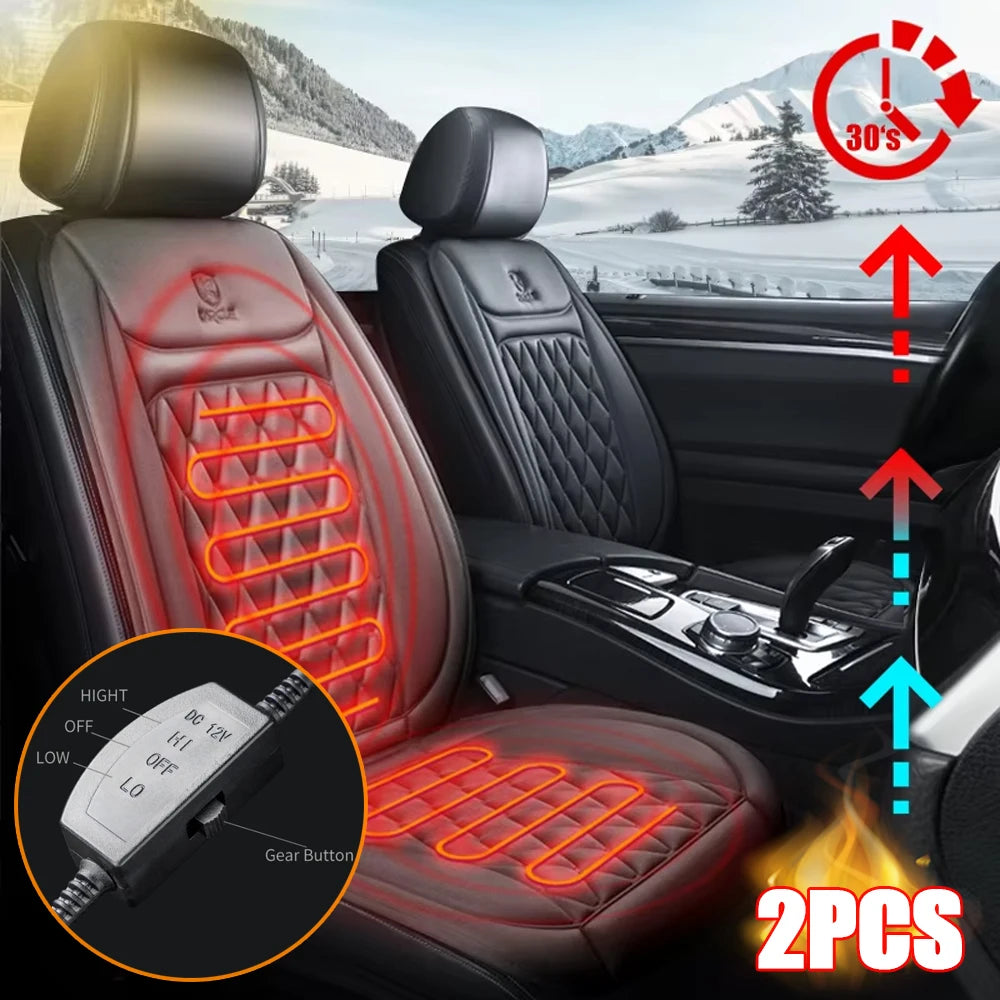
Winter driving comfort with universal seat heaters — See it in action
Drivers who prioritize comfort often explore additional options in the Lifestyle collection.
Quick FAQ About Car Seat Warmers
What is the best seat warmer for cars?
The best choice depends on your vehicle and budget, but quality 12V heated seat covers with thermostat protection and automatic shut-off provide the best balance of safety, comfort, and value.
Are universal seat warmers safe?
Yes. Well-made universal seat warmers are safe when installed correctly and include built-in protection against overheating.
Do seat warmers drain a car battery?
They consume relatively little power while the engine is running. Leaving them powered with the engine off for long periods can gradually drain the battery.
Which is better: 12V or USB seat warmers?
For vehicles, 12V models provide significantly better heating performance than USB-powered alternatives.
Can seat warmers be used on leather seats?
Yes, provided the manufacturer states they are compatible with leather upholstery and they are installed according to instructions.
How hot do car seat warmers get?
Most operate within a comfortable temperature range designed to provide warmth without becoming excessively hot.
Can you install seat warmers yourself?
Plug-in seat covers are simple DIY installations. Hidden retrofit kits may require professional installation.
How long do heated seat cushions last?
With normal care, quality heated seat cushions commonly last several years of seasonal use.
Do heated seat cushions consume a lot of power?
No. They are generally energy-efficient and require far less power than warming the entire cabin.
Are aftermarket seat warmers as good as factory heated seats?
Premium aftermarket models deliver excellent comfort and heating performance, although factory systems usually provide tighter vehicle integration.
Get yours now — limited stock!
Do Heated Socks Really Work for Cold Feet?
Yes. Heated socks actively generate warmth instead of relying solely on body heat, making them one of the best socks for cold feet during winter. Unlike conventional thermal socks, they maintain a more consistent foot temperature by delivering heat directly to areas that cool down first, particularly the toes and forefoot.
People who spend long periods outdoors, commute in freezing weather, or naturally experience cold feet often notice a significant improvement in comfort. Heated socks can also benefit individuals with mild circulation-related discomfort by helping keep feet comfortably warm, although they are not intended to treat underlying medical conditions.
- Actively replace lost heat rather than simply insulating existing warmth.
- Provide adjustable warmth for several hours depending on battery capacity and heat setting.
- Help reduce cold-related numbness and stiffness during prolonged outdoor activities.
- Perform especially well for hiking, skiing, hunting, winter work, and everyday commuting.
Like any battery-powered wearable, heated socks have practical limitations. Battery runtime decreases when using the highest heat setting, and insulation, ambient temperature, footwear, and wind exposure all influence real-world performance. Choosing the correct sock thickness and battery capacity is just as important as selecting the heating technology itself.
Why Cold Feet Happen and When Heated Socks Help
Cold feet develop for several reasons, and understanding the cause helps determine whether heated socks are the right solution. Standard winter socks can slow heat loss, but they cannot replace warmth once your feet become cold.
Poor Circulation
Reduced blood flow is one of the most common reasons feet feel cold. Sitting for long periods, remaining inactive, or naturally having poor peripheral circulation can leave toes feeling chilled even indoors. Heated socks provide steady external warmth that improves overall comfort during daily activities.
Cold Weather Exposure
Snow, freezing temperatures, damp conditions, and prolonged time outdoors accelerate heat loss through your footwear. Battery powered heated socks continuously replace lost warmth, helping maintain a more stable foot temperature than insulated socks alone.
Medical Conditions
Some health conditions can contribute to persistently cold feet. While heated socks may improve comfort, they should not be considered a medical treatment. If cold feet are accompanied by pain, discoloration, wounds that do not heal, or persistent numbness, consult a healthcare professional to identify the underlying cause.
How Heated Socks Work (Heating Elements, Batteries, Materials)
Understanding how heated socks work makes it easier to compare different models. Modern electric heated socks combine flexible heating elements, rechargeable batteries, breathable fabrics, and electronic temperature controls to provide efficient, evenly distributed warmth while remaining comfortable enough for extended wear.
Types of Heating Technology
- Carbon fiber heating elements: Lightweight, flexible, durable, and capable of producing even heat with low power consumption.
- Infrared heating technology: Some premium models use far-infrared heating to distribute warmth more evenly across the foot while maintaining energy efficiency.
Carbon fiber remains the most widely used heating material because it combines durability with consistent performance even after repeated bending and normal daily use.
Battery Types and Runtime Explained
Most rechargeable heated socks use compact lithium-ion battery packs that attach near the upper calf or cuff. Actual battery life depends on battery capacity, ambient temperature, and the selected heat level.
- High: Approximately 3–4 hours for maximum warmth.
- Medium: Around 5–7 hours for balanced comfort and battery efficiency.
- Low: Up to 8–10 hours for extended outdoor use.
Higher-capacity batteries generally weigh slightly more but provide longer operating times, making them well suited for skiing, hunting, hiking, and full work shifts.
Heating Zones: Toe vs Full Foot
The placement of heating elements has a major impact on comfort. Most premium heated socks concentrate warmth around the toes and ball of the foot because these areas lose heat first. Some full-foot designs extend heating beneath the arch and forefoot to create more uniform warmth throughout the entire foot.
Toe-focused heating is typically the most energy-efficient design, while broader heating coverage provides a warmer overall feel at the expense of slightly higher power consumption.
Fabric and Moisture Management
Heating technology performs best when paired with high-quality fabrics. Many rechargeable heated socks combine merino wool, polyester, nylon, and elastane to balance insulation, stretch, durability, and moisture control.
- Moisture-wicking fabrics help keep feet dry during extended wear.
- Breathable construction reduces overheating inside insulated boots.
- Reinforced heel and toe panels improve durability.
- Stretch materials help maintain a secure fit while minimizing bunching and friction.
The combination of efficient heating elements, long-lasting batteries, targeted heating zones, and breathable materials allows modern heated socks to deliver reliable warmth across a wide range of winter conditions.
Heated Socks vs Thermal Socks: Which Is Better?
Choosing between heated socks and thermal socks depends on how cold your environment is, how long you'll be outdoors, and whether your feet naturally become cold despite wearing insulated footwear. While both options are designed for winter conditions, they provide warmth in very different ways.
| Feature | Heated Socks | Thermal Socks |
|---|---|---|
| Warmth Source | Battery-powered heating elements | Body heat retained through insulation |
| Performance in Extreme Cold | Excellent | Moderate |
| Long Outdoor Exposure | Ideal | Less effective over extended periods |
| Battery Required | Yes | No |
| Best For | Hiking, skiing, hunting, outdoor work, chronically cold feet | Daily winter wear, mild temperatures, short outdoor trips |
Heated socks actively replace lost heat, making them the better choice for freezing weather, prolonged outdoor activities, and anyone looking for the best socks for cold feet. Adjustable temperature settings also allow users to fine-tune comfort throughout the day.
Thermal socks remain a practical option when temperatures are only moderately cold. Their insulating materials trap body heat effectively, but once your feet become cold, they cannot actively restore warmth the way electric heated socks can.
If your feet consistently feel cold despite wearing insulated boots or thick winter socks, heated socks generally provide superior comfort and more dependable cold-weather performance.
Comfort, Fit, and Battery Placement
Warmth alone does not determine whether heated socks are comfortable enough for everyday use. The best models combine flexible fabrics, thoughtful battery placement, and ergonomic construction so they can be worn comfortably inside hiking boots, ski boots, work boots, and everyday footwear.
- Seamless toe construction minimizes rubbing and blister formation.
- Elastic arch support improves fit while reducing sock movement.
- Breathable moisture-wicking fabrics help keep feet dry during extended wear.
- Lightweight battery packs positioned near the upper calf improve balance and reduce pressure around the ankle.
- Stretch panels provide a secure fit without restricting movement.
When selecting a size, choose socks that fit snugly without compressing your toes. A proper fit allows heating elements to stay close to the foot while maintaining healthy circulation and overall comfort.
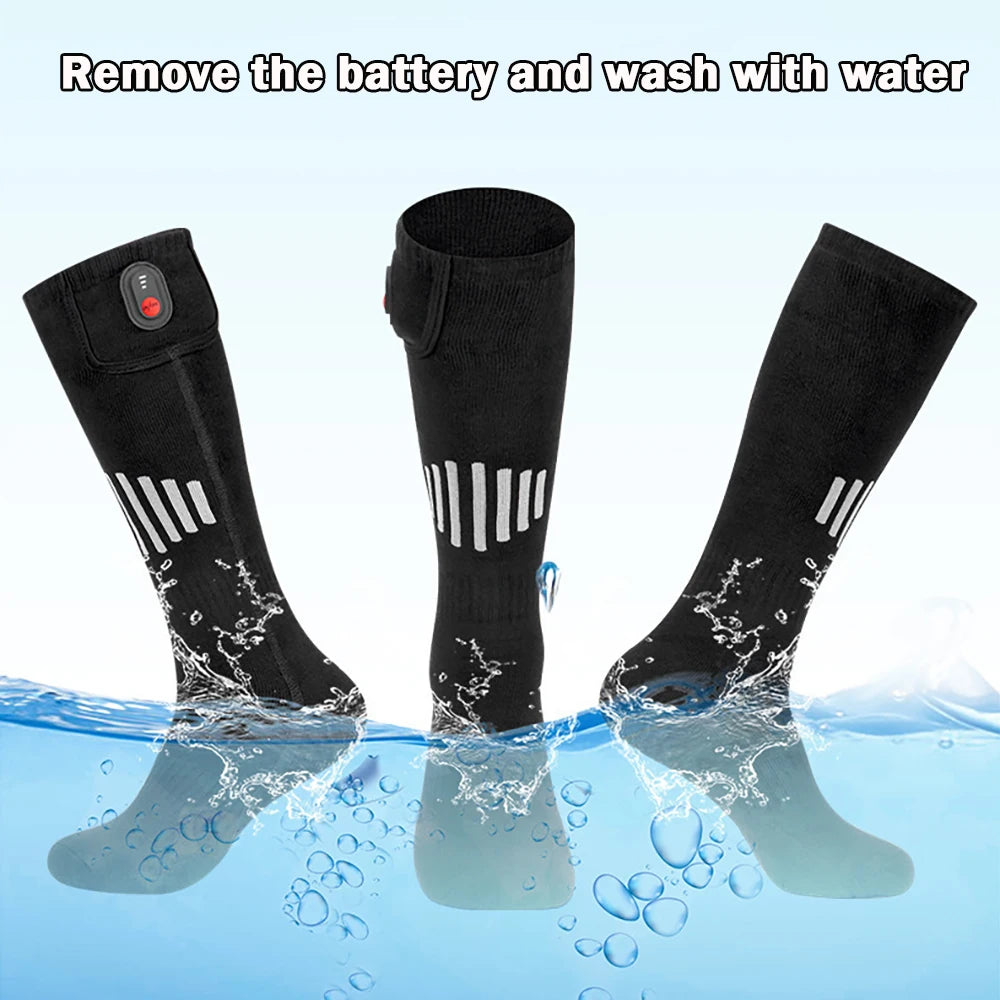
Balanced warmth without bulk — See it in action
Are Heated Socks Safe? What You Need to Know
Modern rechargeable heated socks are designed with multiple safety features that allow them to deliver dependable warmth while minimizing the risk of overheating. When used according to the manufacturer's instructions, quality heated socks are safe for routine winter use.
Built-in Safety Features
- Automatic temperature regulation to maintain consistent heat levels.
- Overheat protection that reduces or interrupts power if temperatures become excessive.
- Low-voltage lithium-ion battery systems designed for wearable electronics.
- Durable insulated wiring that remains flexible during repeated use.
These features help distribute warmth evenly while protecting both the heating elements and the wearer during prolonged use.
Charging and Battery Safety
- Charge batteries only with the supplied or manufacturer-approved charger.
- Allow batteries to cool before recharging after extended operation.
- Inspect battery packs and cables regularly for signs of wear or damage.
- Avoid exposing batteries to excessive moisture, direct flames, or high temperatures.
- Disconnect batteries before storing socks for long periods.
Proper battery care not only improves safety but also helps maintain battery capacity over many charging cycles.
Washing and Care
- Remove battery packs before washing.
- Follow the manufacturer's washing instructions carefully.
- Air dry completely before reconnecting batteries.
- Do not use heated socks if heating wires, connectors, or battery housings appear damaged.
- Store socks in a clean, dry location to protect electronic components.
Routine inspection and proper maintenance extend the lifespan of rechargeable heated socks while ensuring consistent heating performance season after season.
Real-World Performance and Battery Life
In everyday use, quality heated socks deliver fast, consistent warmth that is difficult to achieve with traditional insulated socks alone. Most users notice comfortable heat within a few minutes, while premium battery powered heated socks maintain stable temperatures throughout outdoor activities such as hiking, skiing, hunting, winter commuting, and working in cold environments.
Battery performance varies according to the selected heat level, outside temperature, and battery capacity. Lower heat settings generally provide the longest runtime, while maximum settings prioritize rapid warming in extremely cold conditions.
- High setting: Approximately 3–4 hours of maximum heat.
- Medium setting: Around 5–7 hours of balanced warmth.
- Low setting: Up to 8–10 hours for extended outdoor use.
Long-term users also report that breathable fabrics and evenly distributed heating help reduce dampness inside boots, allowing feet to stay comfortable during prolonged wear. Proper charging habits and regular care further improve battery lifespan and overall durability.
How to Choose the Best Heated Socks for Your Needs
The best heated socks for winter are those that match your activities, footwear, and expected weather conditions. Consider battery capacity, heating coverage, fabric quality, fit, and overall comfort before making your purchase.
For Skiing and Snow Sports
Choose thin, flexible heated socks that fit comfortably inside ski or snowboard boots without creating pressure points. Prioritize toe-focused heating, moisture-wicking fabrics, and batteries capable of lasting an entire day on the slopes.
For Hunting and Hiking
Hunters and hikers benefit from rechargeable heated socks with extended battery life, durable construction, reinforced heel and toe sections, and reliable warmth during long periods outdoors. Lightweight battery packs also improve comfort over extended distances.
For Work
If you work outdoors or in cold warehouses, look for heated socks designed for daily use with durable materials, dependable battery performance, and balanced heat distribution that remains comfortable throughout long shifts.
For Circulation and Everyday Winter
For daily wear or cold-sensitive feet, prioritize breathable fabrics, moderate heating levels, flexible construction, and a slim profile that fits comfortably inside regular shoes or winter boots. Adjustable temperature controls allow you to customize warmth without overheating.
Those seeking dependable winter comfort often explore options within the Body Care and Health Devices or Lifestyle collections for complementary cold-weather solutions.
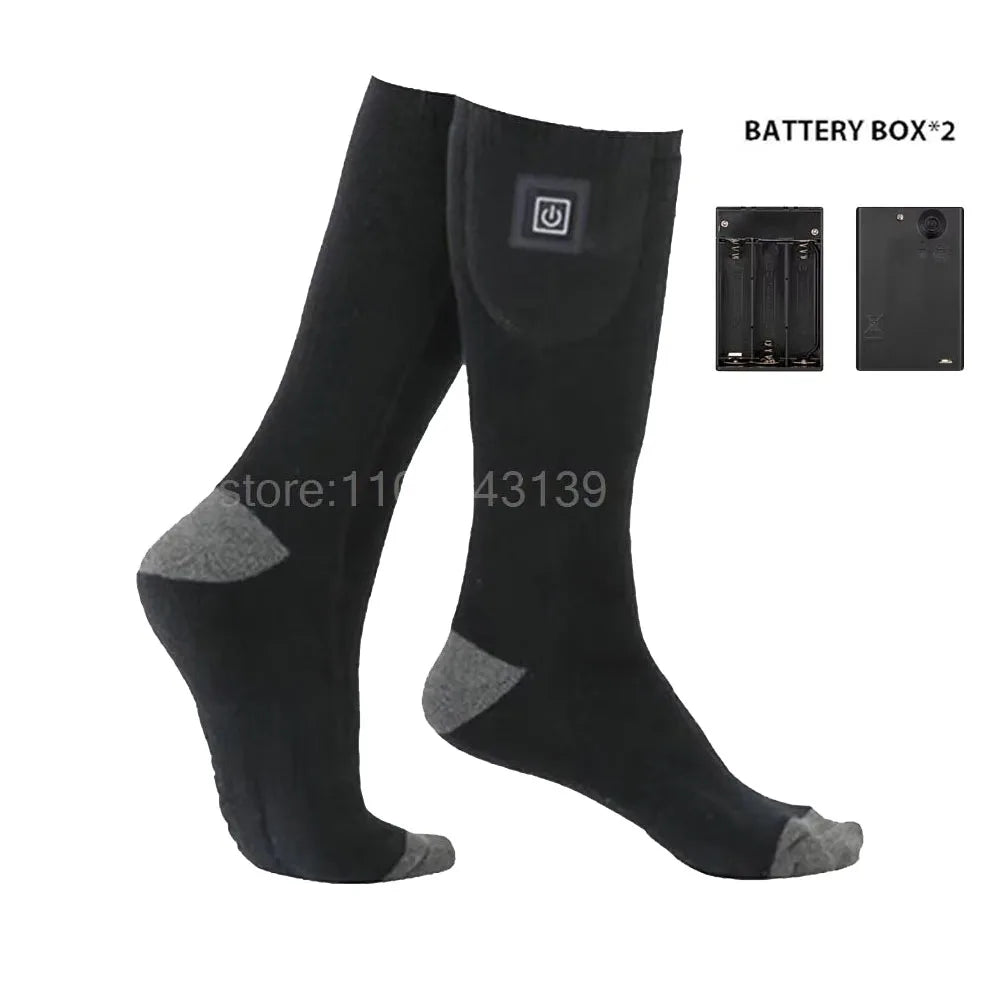
Everyday winter comfort redefined — See it in action
Common Mistakes When Buying Heated Socks
Avoiding a few common purchasing mistakes can help you choose heated socks that provide better comfort, longer battery life, and greater long-term value.
- Choosing the lowest price instead of comparing battery runtime, fabric quality, and durability.
- Selecting the wrong size, resulting in poor heat transfer or uncomfortable pressure inside boots.
- Ignoring heating zone placement, especially if toe warmth is your highest priority.
- Overlooking battery charging time, replacement availability, or expected battery lifespan.
- Buying socks that are too bulky for your preferred footwear.
- Not following recommended washing and battery care instructions, which can shorten product life.
Frequently Asked Questions
What are the best heated socks for winter?
The best heated socks for winter combine long battery life, reliable toe or full-foot heating, breathable moisture-wicking fabrics, and a comfortable fit inside your preferred footwear. The right choice depends on whether you need them for skiing, hiking, hunting, outdoor work, commuting, or everyday warmth.
How do electric heated socks work?
Electric heated socks use thin heating elements powered by rechargeable lithium-ion batteries to generate controlled warmth. Heat is typically concentrated around the toes and forefoot, while built-in temperature controls allow you to choose different heat settings based on weather conditions and battery life.
Are heated socks safe to wear all day?
Yes. High-quality heated socks are designed with low-voltage battery systems, automatic temperature regulation, and overheat protection. As long as they are used according to the manufacturer's instructions and inspected regularly for damage, they are generally safe for extended daily wear.
How long do battery powered heated socks last?
Most battery powered heated socks provide approximately 3–10 hours of warmth depending on battery capacity, outside temperature, and the selected heat level. Lower heat settings typically offer the longest operating time.
Do heated socks improve circulation?
Heated socks do not treat circulation disorders, but the consistent warmth they provide can improve overall foot comfort and help reduce the discomfort associated with cold-sensitive feet. If you have persistent circulation problems or underlying medical conditions, consult a healthcare professional for appropriate treatment.
Can rechargeable heated socks be machine washed?
Many rechargeable heated socks are machine washable after removing the battery packs. Always follow the manufacturer's care instructions, use a gentle wash cycle when recommended, and allow the socks to dry completely before reconnecting the batteries.
Are heated socks better than thermal socks?
For freezing temperatures and extended outdoor activities, heated socks generally outperform thermal socks because they actively generate warmth instead of relying solely on insulation. Thermal socks remain a good option for mild winter conditions and shorter periods outdoors.
What are the best socks for cold feet?
If your feet become cold easily despite wearing insulated footwear, rechargeable heated socks are usually the most effective solution. For less demanding conditions, high-quality merino wool thermal socks may provide sufficient warmth without requiring batteries.
How do you keep feet warm in cold weather without overheating?
Choose heated socks with adjustable temperature settings, breathable moisture-wicking fabrics, and a proper fit inside your boots. Start with a lower heat setting and increase it only when needed to maintain consistent comfort while preventing excessive perspiration.













