

EMS Muscle Training Before and After: What Results Are Realistic?
EMS muscle training before and after results can include improved muscle activation, strength, recovery, and functional comfort, but the timeline and visible changes vary widely. Electrical muscle stimulation (EMS) sends controlled electrical impulses through electrodes to trigger muscle contractions. It can complement exercise and rehabilitation, but it is not a shortcut that replaces resistance training, nutrition, or consistent recovery.
What Science Says About Electrical Muscle Stimulation
Research supports electrical muscle stimulation as a tool that can help activate muscles and, in certain settings, support gains in strength and physical function. It is used in rehabilitation and physiotherapy and is also used by some athletes and fitness users as a supplement to conventional training. Results depend on the type of EMS, the muscles being stimulated, the intensity, the training program, and the user's overall routine.
What EMS Can and Cannot Do
- Can do: Support muscle activation, contribute to strength and endurance improvements, complement recovery routines, and provide a low-impact way to stimulate targeted muscles.
- Cannot do: Guarantee dramatic fat loss, replace progressive resistance training for maximum muscle growth, or produce identical before-and-after results for every user.
What Affects Your Before-and-After Results
Your results depend on more than the device itself. Training consistency, EMS intensity, electrode placement, nutrition, sleep, recovery, starting fitness level, and whether you also perform resistance exercise can all influence how quickly changes appear. This is why two people can follow similar EMS routines and experience very different results.
⏱ 7 min read
Electric Muscle Stimulator Before and After: Real EMS Results, Timeline & What to Expect
Electric muscle stimulator before and after results are best understood as a progression rather than an overnight transformation. Some users notice stronger muscle contractions and improved muscle awareness first, while visible changes in muscle tone or body composition may take longer. This guide explains what EMS can realistically do, when changes may appear, how to evaluate before-and-after progress, and how to use electrical muscle stimulation more effectively.
Explore real user results
The most realistic EMS before-and-after results come from consistent use, realistic expectations, and combining stimulation with an appropriate training and recovery routine.

Electric muscle stimulator before and after results in real home recovery routines — See it in action
EMS Muscle Training Before and After: What Actually Changes
EMS results before and after can involve several different outcomes, and not all of them are immediately visible in a mirror. Muscle activation and strength may improve before body composition changes become noticeable. The most meaningful results should be evaluated using a combination of performance, measurements, comfort, and consistent progress photos.
Muscle Tone and Strength Changes
EMS can stimulate muscle contractions and help reinforce the connection between the nervous system and targeted muscles. With consistent use, some people may experience improved muscle activation and strength, particularly when EMS complements an active training program. Visible muscle tone depends on factors such as muscle development, body-fat levels, genetics, and the type of exercise performed alongside EMS.
Fat Loss vs Muscle Activation
One of the most common misconceptions about body electrical muscle stimulation before and after results is that muscle contractions automatically lead to significant fat loss. EMS activates muscles, but meaningful fat loss primarily depends on overall energy balance and long-term lifestyle habits. A device should not be viewed as a replacement for physical activity, nutrition, or a sustainable calorie deficit when fat loss is the goal.
Body Composition Changes and Measurements
Changes in body composition may be more useful than relying on the scale alone. If you are tracking progress, consider waist or limb measurements, strength performance, how clothing fits, and standardized photos. A single measurement can fluctuate because of hydration, food intake, muscle inflammation, and other short-term factors, so trends over several weeks are more informative.
Posture, Recovery, and Circulation Effects
Some users report reduced muscle tightness, improved body awareness, and greater comfort after incorporating EMS into a broader recovery routine. Stimulation may also be used as part of approaches designed to support muscle recovery and circulation. However, results vary, and EMS should not be treated as a cure for an underlying medical condition or persistent pain.
Start your recovery routine
EMS Before and After Timeline (Week-by-Week Results)
Week 1–2: Neural Activation Phase
During the first one to two weeks, the most noticeable changes may be how the stimulation feels. Users may become more familiar with the contractions, improve their awareness of the targeted muscles, and gradually learn how to adjust intensity comfortably. Visible physical changes are usually limited at this stage.
Week 3–4: Strength & Endurance Gains
With consistent use, some users may begin noticing improvements in muscle activation, exercise tolerance, or perceived fatigue. The extent of progress depends on whether EMS is being used alone or alongside regular physical training. Progress is generally more meaningful when the routine is consistent rather than sporadic.
Week 5–8: Visible Muscle Tone Changes
After several weeks, subtle changes in muscle tone or body measurements may become easier to notice for some users. Visible changes are more likely when EMS is combined with resistance training, adequate nutrition, and sufficient recovery. Individual results can vary considerably.
After 8+ Weeks: Long-Term Adaptation
Long-term results depend on maintaining the routine. Users may continue working toward improvements in strength, muscle conditioning, recovery habits, and overall physical performance. EMS is most useful as part of a sustainable plan rather than a short-term transformation strategy.
Real EMS Before and After Examples
Before-and-After Photo Examples
Before-and-after photos can help show changes in muscle definition or body shape, but they should be interpreted carefully. A photo may show a genuine change, yet lighting, posture, camera distance, hydration, and muscle pump can also influence how the body appears. The most credible comparisons use consistent conditions and show progress over a meaningful period.
Case Study: Busy Professional
A sedentary professional may use EMS as part of a broader routine focused on movement, mobility, and recovery. Over several weeks, the most noticeable improvements may be better awareness of inactive muscles, greater comfort after long periods of sitting, or improved consistency with a structured wellness routine. These outcomes are different from claiming that EMS alone can reverse the effects of prolonged inactivity.
Case Study: Athlete Recovery
An athlete may use EMS as a supplement to training and recovery. The goal may be to support muscle activation or complement an existing recovery routine between workouts. Because athletes already perform structured exercise, their results should not be attributed to EMS alone.
Case Study: Muscle Definition
For someone focused on muscle definition, EMS may complement resistance training and a nutrition plan. Visible changes depend heavily on the amount of muscle built and the level of body fat covering it. A consistent combination of progressive training, adequate protein and calories, recovery, and appropriate EMS use is more likely to produce meaningful results than relying on stimulation alone.

Using electric muscle stimulator for home recovery sessions — See it in action
How to Evaluate EMS Before-and-After Photos
Signs of Reliable Progress Photos
- Similar lighting, camera distance, and background
- Consistent posture and body position
- Photos taken at similar times and under comparable conditions
- A realistic time period between images
- Progress supported by measurements or performance changes where relevant
How to Track Your Own Progress
For more objective EMS results before and after tracking, take standardized photos every few weeks rather than comparing random images. You can also record training performance, body measurements, perceived recovery, and how consistently you complete sessions. Looking at several forms of progress helps prevent short-term fluctuations from being mistaken for long-term transformation.
Benefits of EMS Muscle Training (Backed by Evidence)
Recovery and Circulation
Electrical stimulation is used in some rehabilitation and recovery settings to activate muscles and support movement-related goals. Depending on the type of device and protocol, EMS may also be incorporated into routines intended to support circulation and muscle recovery. It should be used according to the device instructions and should not replace evaluation for unexplained or persistent symptoms.
Muscle Activation Without Joint Stress
Because EMS creates muscle contractions without requiring the same external load as traditional resistance exercise, it may be useful in some low-impact routines. This does not mean it is appropriate for every injury or medical condition. People recovering from an injury should follow guidance from a qualified healthcare professional.
Time Efficiency vs Traditional Workouts
EMS can be convenient for users who want to add targeted muscle stimulation to a busy schedule. However, shorter sessions do not automatically provide the same benefits as a complete resistance-training program. The strongest approach depends on the goal: EMS may complement training, while progressive resistance exercise remains important for building strength and muscle over time.
Many users pair their recovery setup with other wellness tools from the Body Care and Health Devices collection for a complete home therapy experience.
EMS-Only vs Strength Training: Which Produces Better Before-and-After Results?
Strength and Hypertrophy
Traditional resistance training remains the more established approach for progressive overload, strength development, and maximizing muscle hypertrophy. EMS can support muscle activation and may complement a training program, but it should not automatically be considered an equivalent replacement for a well-designed resistance routine.
Fat Loss Expectations
Fat loss depends primarily on overall energy balance and sustainable habits. EMS may support an active lifestyle, but electrical muscle stimulation alone should not be expected to create dramatic body-fat reductions. Before-and-after changes are more likely to be meaningful when nutrition and regular physical activity are also addressed.
Why Combining EMS With Resistance Training Works Best
For many fitness users, combining EMS with resistance training provides a more complete approach. Resistance exercise supplies progressive loading, while EMS can be used as a supplementary tool for targeted activation or recovery. The ideal balance depends on your goals, experience, recovery needs, and any health considerations.
How to Maximize EMS Before-and-After Results
Training Frequency and Session Length
Follow the manufacturer's instructions and begin with a manageable schedule. Many users incorporate EMS several times per week, but the appropriate frequency depends on the device, intensity, muscle group, and overall training load. Increasing intensity or frequency too quickly can make recovery more difficult.
Nutrition for Muscle Growth
Nutrition matters if your goal is to build or maintain muscle. Adequate protein, sufficient overall energy intake, hydration, and a balanced diet support the training process. EMS cannot compensate for inadequate nutrition or consistently poor recovery.
Intensity and Electrode Placement
Correct electrode placement is essential for targeting the intended muscle group. Start at a comfortable intensity and increase gradually according to the device instructions. Stronger stimulation is not automatically better, and uncomfortable or painful use is a reason to stop and reassess the setup.
Common Mistakes That Slow Progress
- Using EMS inconsistently
- Expecting EMS alone to create major fat loss
- Placing electrodes incorrectly
- Increasing intensity too quickly
- Ignoring resistance training when muscle growth is the goal
- Failing to allow adequate recovery between demanding sessions
Who Should and Should Not Use EMS
Ideal Candidates
EMS may appeal to adults who want to supplement a fitness, recovery, or muscle-activation routine. Athletes, active adults, and people looking for a convenient way to add targeted stimulation may all consider it, provided they use an appropriate device correctly.
Medical Contraindications
People with implanted electronic devices, certain medical conditions, or other health concerns should consult a qualified healthcare professional before using EMS. The correct precautions depend on the individual and the specific device, so always read the product safety instructions before use.
Safety Tips
- Follow the device manufacturer's instructions.
- Use electrodes only as directed and check the skin before and after use.
- Do not use a damaged device or damaged electrode pads.
- Start with a lower intensity and increase gradually.
- Stop using the device if you experience unusual pain, significant skin irritation, or other concerning symptoms.
- Seek professional guidance if you are unsure whether EMS is appropriate for you.
Choosing the Right EMS Device or Program
Home Devices vs Studio EMS
Home EMS devices offer convenience, privacy, and the ability to build stimulation into a personal routine. Studio-based EMS programs may provide professional supervision and structured full-body sessions, but they can cost more and require scheduled appointments. Your choice should depend on your goals, experience, budget, and need for guidance.
Features That Matter
- Adjustable intensity levels
- Clear controls and easy-to-follow programs
- Reliable electrode connectivity
- Rechargeable battery or convenient power options
- Comfortable, portable design
- Clear safety and usage instructions
When Professional Supervision Is Worth It
Professional supervision may be valuable if you are new to EMS, recovering from an injury, managing a medical condition, or using a more advanced full-body stimulation system. A qualified professional can help determine whether EMS is appropriate and guide safe setup and progression.
The Electric Muscle Stimulator offers adjustable stimulation in a compact format, making it easy to integrate targeted muscle stimulation into a home routine.
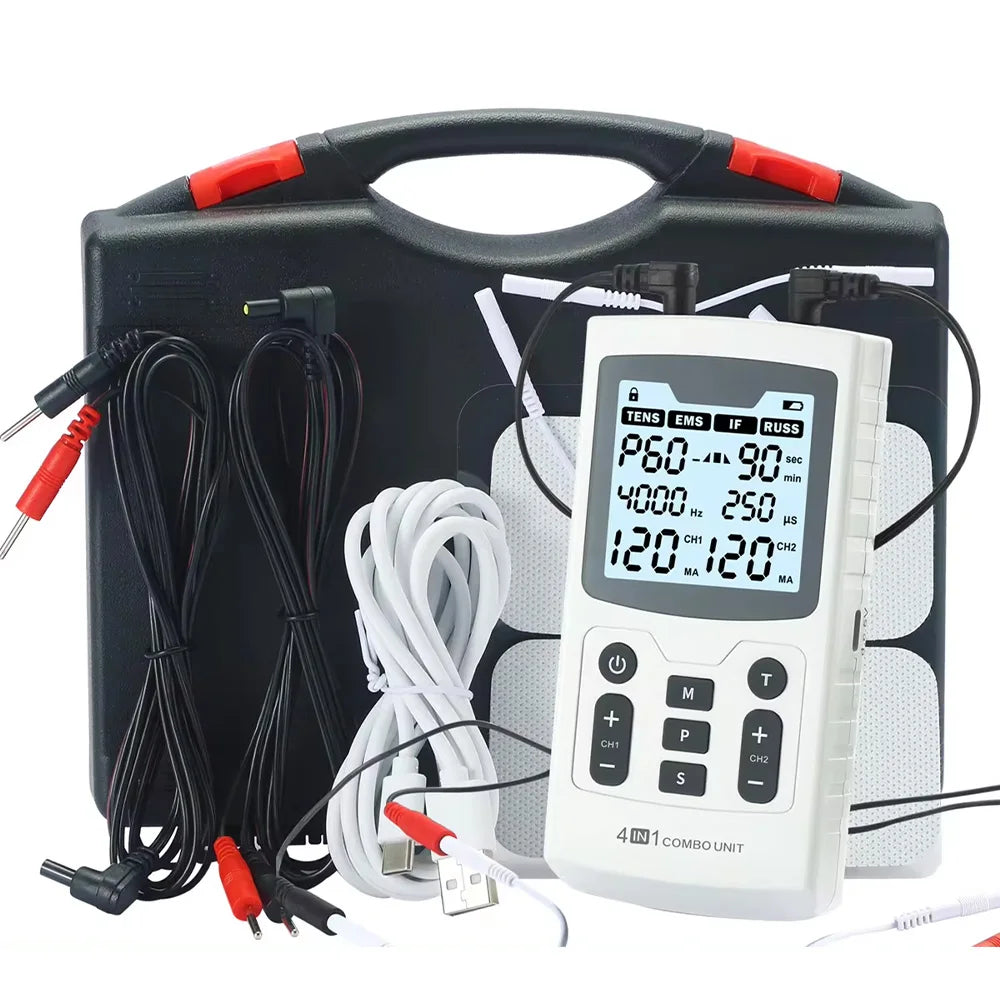
Electric muscle stimulator before and after recovery routines at home — See it in action
Shop Electric Muscle Stimulator
FAQ: EMS Muscle Training Before and After Results
How realistic are EMS muscle training before and after results?
Realistic results can include improved muscle activation, strength, recovery, and, in some cases, visible changes in muscle tone. The size and speed of the transformation depend on consistency, EMS settings, starting fitness level, nutrition, resistance training, and individual factors.
How many weeks does EMS take to show visible changes?
Some users notice changes in muscle awareness and activation within the first few weeks. Visible changes may take several more weeks and are more likely when EMS is combined with consistent exercise and appropriate nutrition. There is no single timeline that applies to everyone.
Can EMS build muscle without lifting weights?
EMS can cause muscles to contract and may support strength development in certain contexts, but it should not be assumed to provide all the benefits of progressive resistance training. If maximizing muscle growth and strength is the goal, EMS is generally better viewed as a supplement rather than a complete replacement for resistance exercise.
Does EMS help reduce body fat?
EMS primarily stimulates muscle contractions and should not be relied on as a standalone fat-loss method. Reducing body fat depends mainly on overall energy balance, nutrition, and physical activity over time.
Should I combine EMS with strength training?
For many people, yes. Combining EMS with an appropriate resistance-training program can provide a more complete approach because strength training offers progressive loading while EMS can complement targeted muscle activation or recovery.
How often should beginners use EMS?
Beginners should start conservatively and follow the device's instructions. Frequency depends on the type of EMS, intensity, muscle group, and the rest of your training routine. Allow enough recovery and avoid increasing intensity too quickly.
Are home EMS devices as effective as studio EMS?
Effectiveness depends on the device, the program, the settings, and how consistently it is used. Studio EMS may provide more supervision and structured programming, while home devices offer convenience and flexibility. Neither option guarantees the same results for every user.
Who should avoid electrical muscle stimulation?
People with certain implanted electronic devices, medical conditions, or other health concerns may need to avoid EMS or obtain professional guidance before use. Always review the manufacturer's safety instructions and consult a qualified healthcare professional if you are unsure whether EMS is appropriate.
For a complete wellness routine, explore other recovery tools in the Body Care and Health Devices collection.
Related Guide: Muscle Stimulator for Home Therapy Who It Works Best For
Final Verdict: Is EMS Training Worth It for Real Results?
EMS muscle training can produce real benefits in muscle activation and may complement strength, recovery, and low-impact training routines. However, the most realistic EMS muscle training before and after results come from consistent use rather than exaggerated transformation claims.
Use EMS as a supplement to a broader plan that includes appropriate exercise, nutrition, recovery, and realistic expectations. It can be a useful tool for supporting your routine, but it is not a shortcut that replaces progressive training or healthy lifestyle habits.













