How to Use an Electric Muscle Stimulator (EMS): Step-by-Step Guide for Safe & Effective Results
Electric muscle stimulation (EMS) devices are widely used for muscle recovery, circulation support, and rehabilitation. Learning how to use an electric muscle stimulator correctly helps you maximize comfort while reducing the risk of skin irritation or ineffective treatment. Whether you're recovering after exercise, easing everyday muscle stiffness, or reactivating muscles after inactivity, following the right EMS device instructions makes every session more effective.
⏱ 6 min read
Explore how muscle stimulation fits into modern self-care.
Have you ever finished a workout—or even a long workday—feeling like your muscles just won't reset? EMS may be the missing piece in your recovery routine. Below, you'll learn how electrical muscle stimulation works, where to place the pads, how often to use your device, and the safest way to integrate EMS into your weekly recovery plan.

Electric muscle stimulator benefits in daily recovery routines · See it in action
How Does Muscle Stimulation Therapy Work?
Understanding how muscle stimulation therapy works helps set realistic expectations. EMS devices deliver controlled electrical impulses through adhesive electrodes placed on the skin. These impulses stimulate motor nerves, causing targeted muscles to contract and relax in a pattern similar to natural movement.
What Happens During Electrical Muscle Stimulation
As electrical pulses reach the muscle, groups of muscle fibers contract involuntarily. These repeated contractions may help increase local circulation, encourage muscle activation, and reduce post-exercise soreness. EMS is commonly used for recovery, rehabilitation programs, and maintaining muscle engagement during periods of reduced activity.
EMS vs Natural Muscle Contraction
During exercise, your brain sends signals through the nervous system to activate muscles. EMS bypasses that voluntary pathway by directly stimulating motor nerves. While it can activate muscles without joint loading, it does not reproduce the cardiovascular and metabolic demands of traditional exercise.
EMS vs NMES vs TENS
- EMS (Electrical Muscle Stimulation): Primarily targets muscle contraction for recovery, activation, and conditioning.
- NMES (Neuromuscular Electrical Stimulation): Often refers to clinical or rehabilitation-focused muscle stimulation prescribed by healthcare professionals.
- TENS (Transcutaneous Electrical Nerve Stimulation): Primarily focuses on temporary pain relief by stimulating sensory nerves rather than producing strong muscle contractions.
Electric Muscle Stimulator Benefits
The electric muscle stimulator benefits supported by current clinical practice focus primarily on recovery, rehabilitation, muscle activation, and temporary pain management. Results vary depending on the individual, treatment consistency, and the underlying condition being treated.
EMS for Muscle Recovery
Many athletes and active individuals use EMS after training because rhythmic muscle contractions may improve circulation and support recovery from delayed onset muscle soreness (DOMS). EMS works best when combined with hydration, proper nutrition, adequate sleep, and appropriate training volume.
Rehabilitation and Muscle Activation
Physical therapists frequently use electrical muscle stimulation therapy to help reactivate muscles following surgery, injury, or prolonged inactivity. While EMS cannot replace rehabilitation exercises, it can complement supervised treatment plans by helping maintain muscle engagement.
Circulation and Pain Management
Some users experience temporary pain relief during or after EMS sessions. The combination of gentle muscle contractions and improved local blood flow may reduce feelings of tightness and fatigue, making EMS a useful addition to broader recovery strategies.
For a complete setup, explore muscle recovery devices that complement EMS therapy.
How to Use an Electric Muscle Stimulator: Step-by-Step Guide
Step 1 – Understand Your EMS Device
Before your first session, review your device manual and become familiar with the available programs. Most EMS units include recovery, massage, muscle activation, and strength-focused modes. Choosing the correct program ensures the electrical stimulation matches your treatment goal.
Step 2 – Prepare Your Skin and Device
Clean and dry the treatment area before applying electrodes. Oils, lotions, and sweat reduce pad adhesion and electrical conductivity. Check that the battery is sufficiently charged and inspect electrodes for wear before every session.
Step 3 – Correct Electrode Placement
Position electrode pads over the center of the targeted muscle rather than directly on joints or bony areas. Symmetrical placement generally provides more balanced muscle contractions and greater comfort during treatment.
Step 4 – Choose the Right Program and Intensity
Begin at the lowest intensity and gradually increase until you feel firm, comfortable muscle contractions without pain. Stronger stimulation does not necessarily produce better results. Comfort and consistency are more important than maximum intensity.
Most EMS sessions last between 10 and 30 minutes depending on the selected program. After treatment, remove the electrodes carefully, clean your skin if needed, return the pads to their protective film, and drink water to support recovery.
For a beginner-friendly device, the Electric Muscle Stimulator offers simple daily operation.
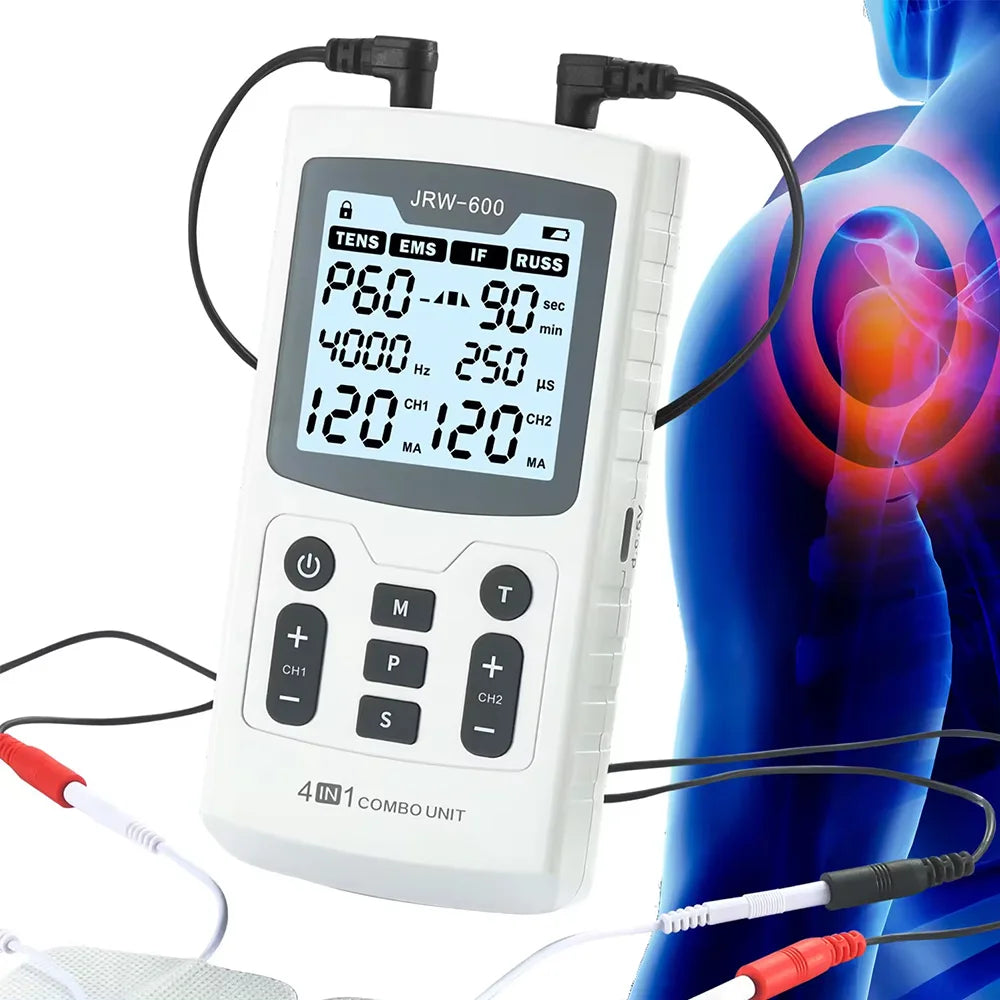
Benefits of muscle stimulation therapy for daily comfort · See it in action
Who Should and Should Not Use EMS
Ideal Candidates
EMS can benefit recreational exercisers, office workers with muscle stiffness, older adults maintaining mobility, and individuals participating in supervised rehabilitation programs. It is especially useful when low-impact muscle activation is preferred.
Contraindications
Do not use EMS over the heart, head, throat, or broken skin. People with implanted cardiac devices such as pacemakers, certain neurological conditions, uncontrolled epilepsy, or those who are pregnant should avoid EMS unless specifically cleared by their healthcare provider.
When to Consult a Healthcare Professional
If you have recently undergone surgery, experience persistent unexplained pain, have reduced sensation, or have a chronic medical condition affecting nerves or circulation, consult a qualified healthcare professional before beginning EMS therapy.
Electrode Placement Guide by Muscle Group
Abdominals
Place electrodes symmetrically on each side of the abdominal muscles while avoiding the navel and rib cage.
Arms
For biceps or triceps, position one electrode near each end of the muscle belly while avoiding elbow joints.
Legs
Place pads over the largest portion of the quadriceps, hamstrings, or calf muscles. Avoid placing electrodes directly behind the knee.
Back and Shoulders
Position pads on either side of the spine rather than directly over it. For shoulders, place electrodes over the major muscle groups while avoiding the neck and collarbone.
How Often to Use an Electric Muscle Stimulator
Beginner Schedule
New users should begin with two or three sessions per week using moderate intensity. This allows muscles and skin to adapt comfortably.
Recovery Schedule
For recovery-focused programs, EMS may be used most days of the week at comfortable intensities, particularly after exercise or prolonged sitting.
Daily Use Guidelines
If you're wondering, can you use an electric muscle stimulator every day? The answer is generally yes for low-intensity recovery sessions. However, high-intensity strength programs should be limited to three to five sessions per week for each muscle group with adequate rest between treatments.
- Recovery sessions: 5–7 days weekly if comfortable.
- Strength or conditioning programs: 3–5 sessions weekly.
- Allow approximately 24 hours of recovery after demanding stimulation sessions targeting the same muscles.
Using EMS for Workout Recovery
Before Exercise
A short five to ten minute EMS session at low intensity may help increase muscle awareness before training. It should supplement—not replace—your regular dynamic warm-up.
After Exercise
Many users perform a 15–20 minute recovery session after training to encourage relaxation and reduce post-workout stiffness.
Recovery Between Training Sessions
EMS can also be used on rest days alongside stretching, mobility exercises, hydration, and adequate sleep to support overall recovery between workouts.
Is Electrical Muscle Stimulation Safe?
Safe Intensity Levels
The safest intensity produces a noticeable yet comfortable muscle contraction. If the treatment becomes painful or causes sharp discomfort, reduce the intensity immediately.
Common Mistakes
- Starting with excessively high intensity.
- Incorrect electrode placement.
- Reusing damaged or dried-out electrode pads.
- Skipping skin preparation before treatment.
Signs to Stop Treatment
Stop using EMS immediately if you experience dizziness, severe skin irritation, unusual swelling, persistent numbness, chest discomfort, or pain that continues after the session. Seek medical advice if symptoms persist.
EMS vs Traditional Recovery Methods
EMS works best as part of a complete recovery routine rather than as a replacement for established recovery methods.
| Recovery Method | Best For | User Effort | Typical Session |
|---|---|---|---|
| Stretching | Flexibility and mobility | Active | 10–20 minutes |
| Massage | Muscle relaxation | Passive | 30–60 minutes |
| EMS | Muscle activation and recovery | Passive | 10–30 minutes |
EMS vs Stretching
Stretching improves flexibility and joint mobility, while EMS primarily stimulates muscle contractions. The two methods complement each other rather than compete.
EMS vs Massage
Massage focuses on soft tissue manipulation, whereas EMS stimulates muscle fibers directly. Some users alternate both methods to address different recovery needs.
When to Combine Methods
For many active individuals, the most effective routine combines mobility work, proper nutrition, hydration, quality sleep, and EMS sessions based on training demands.
Troubleshooting Common EMS Problems
Weak or No Stimulation
Verify battery charge, ensure cable connections are secure, and reposition electrodes over the muscle belly.
Pads Not Sticking
Wash and dry the skin before use, return pads to their plastic backing after every session, and replace them once adhesion noticeably declines.
Skin Irritation
Mild redness after treatment is common and usually fades quickly. Persistent irritation may indicate worn pads, excessive intensity, or sensitive skin.
Battery and Device Issues
Recharge the unit according to the manufacturer's instructions and inspect cables regularly for damage. If the device produces inconsistent stimulation despite proper setup, discontinue use until it has been inspected.
Cleaning and Maintaining Your EMS Device
Electrode Pad Care
Store electrode pads on their original protective film after every session. Keeping them clean extends their usable lifespan and maintains consistent conductivity.
Storage Tips
Store your EMS device in a cool, dry location away from direct sunlight, excessive heat, and moisture. Keep cables loosely coiled to prevent unnecessary wear.
Replacing Pads
Replace electrode pads whenever they no longer adhere properly, produce uneven stimulation, or show signs of cracking or contamination. Fresh pads improve comfort and treatment consistency.
Frequently Asked Questions
Can you use an electric muscle stimulator every day?
Yes. Low-intensity recovery programs can often be used daily if your skin tolerates the electrodes well. More demanding muscle conditioning programs should include recovery days.
How long should each EMS session last?
Most sessions last between 10 and 30 minutes depending on the selected program and treatment goal.
How strong should the EMS intensity feel?
You should feel firm muscle contractions without sharp pain. Increase intensity gradually until contractions are strong but remain comfortable.
Does EMS build muscle or only aid recovery?
EMS may help improve muscle activation and complement strength training, but it should not be considered a substitute for progressive resistance exercise.
Where should you never place EMS pads?
Avoid placing electrodes on the head, throat, chest near the heart, directly over the spine, broken skin, joints, or areas with significantly reduced sensation.
Can EMS replace strength training?
No. EMS supports muscle activation and recovery but cannot replace the full benefits of resistance exercise for strength, endurance, and cardiovascular health.
How long does it take to see EMS results?
Some users notice temporary muscle relaxation after the first session, while improvements in recovery or muscle activation generally develop after several weeks of consistent use.
Can you use EMS after every workout?
Yes. Recovery-focused programs are commonly used after training sessions provided the treatment remains comfortable and the muscles are not excessively fatigued.
Is EMS safe for older adults?
Many older adults can safely use EMS for muscle activation and recovery. Individuals with chronic medical conditions should consult their healthcare provider before starting treatment.
How often should electrode pads be replaced?
Replacement frequency depends on usage and care, but most reusable pads should be replaced once adhesion weakens or stimulation becomes inconsistent.
Explore more recovery-focused tools through Body Care and Health Devices and discover how small daily habits can transform how your body feels.
Related Guide: EMS Muscle Recovery Guide How to Use It for Faster Healing