Does an electric muscle stimulator really help with muscle growth?
An electric muscle stimulator for muscle growth can help improve muscle activation, strength development, and recovery when used alongside a structured resistance training program. Current research suggests that electrical muscle stimulation (EMS) is an effective training supplement—not a replacement for lifting weights or progressive overload. While EMS can recruit additional muscle fibers and improve neuromuscular efficiency, meaningful muscle hypertrophy still depends on consistent exercise, nutrition, and recovery.
⏱ 7 min read
Electric Muscle Stimulation (EMS): Does It Build Muscle and How It Really Works
If you train consistently but struggle with slow strength gains, lingering soreness, or difficulty activating certain muscle groups, you may wonder whether an electric muscle stimulator for muscle growth is worth using. The evidence shows EMS can enhance training quality and recovery, but realistic expectations are important. Understanding what EMS can—and cannot—do helps you use it more effectively.
What Is Electrical Muscle Stimulation (EMS)?
Electrical muscle stimulation (EMS) , also called neuromuscular electrical stimulation (NMES) , uses controlled electrical impulses delivered through adhesive electrodes placed on the skin. These impulses activate motor nerves, causing muscles to contract in a way that resembles natural movement generated by the nervous system.
Originally developed for rehabilitation after injury or surgery, EMS is now widely used by physical therapists, athletes, and home users to support muscle activation, strength training, and recovery.
How EMS Differs from Voluntary Muscle Contraction
During conventional exercise, the brain sends signals through the spinal cord and peripheral nerves to recruit muscle fibers. EMS skips the brain's initial command by delivering electrical current directly to motor nerves beneath the electrodes.
This process can increase muscle fiber recruitment in targeted areas, making EMS particularly useful for improving the mind-muscle connection, maintaining muscle during rehabilitation, or enhancing specific exercises.
Types of EMS: Clinical, Sports, and Consumer Devices
- Clinical EMS: Professional-grade systems used by healthcare providers to restore movement, prevent muscle atrophy, and assist rehabilitation.
- Sports Performance EMS: Higher-performance units designed for athletes focusing on strength, explosive power, and recovery.
- Consumer EMS: Home devices intended for muscle stimulation, fitness support, circulation, and recovery after exercise.
Although all three rely on the same physiological principles, they differ in programming options, intensity ranges, and intended use.
Explore how this electric muscle stimulator works

Electric muscle stimulator for muscle growth paired with neuromuscular electrical stimulation technology. See it in action.
Does Electrical Muscle Stimulation Build Muscle? What Science Says
The short answer is yes—but only within realistic limits. Research consistently shows EMS can improve muscle strength and activation, especially when combined with resistance exercise. However, EMS alone produces much smaller gains than a progressive strength-training program.
Research on EMS and Muscle Strength Gains
Studies have found that EMS training can improve strength by increasing motor unit recruitment and helping muscles contract more efficiently. This benefit is especially valuable for beginners, older adults, injured individuals, or athletes targeting specific weak muscle groups.
Can EMS Increase Muscle Hypertrophy?
EMS may contribute to hypertrophy by increasing training stimulus and recruiting fast-twitch muscle fibers. However, the greatest muscle growth occurs when EMS complements exercises such as squats, presses, rows, or other resistance movements that progressively challenge the muscles.
EMS as a Supplement vs Replacement for Weight Training
EMS should be viewed as an accessory training tool rather than a shortcut to building muscle. Without progressive overload, adequate protein intake, and consistent exercise, muscle gains from EMS alone remain modest.
How Electrical Muscle Stimulation Works (Science Explained)
EMS works by sending precisely controlled electrical impulses through electrodes positioned over a muscle. These impulses activate motor neurons, causing repeated muscle contractions.
Nerve Activation and Muscle Fiber Recruitment
Unlike voluntary exercise, which typically recruits smaller motor units before larger ones, EMS can recruit a broader range of muscle fibers simultaneously. This includes fast-twitch fibers that are responsible for producing greater force.
The electrical current travels from the device through the electrodes into the skin, stimulating motor nerves beneath the surface. Once activated, those nerves signal muscle fibers to contract repeatedly according to the selected program.
Changing frequency, pulse width, and intensity allows EMS devices to emphasize muscle strengthening, endurance, or recovery depending on your goals.
How EMS Supports Muscle Growth and Bodybuilding Performance
An electric muscle stimulator for muscle growth supports bodybuilding by improving muscle recruitment rather than replacing traditional training.
Improving Muscle Activation
- Enhances activation during isometric holds
- Improves mind-muscle connection
- Helps activate muscles that are difficult to fully engage
Supporting Weak Muscle Groups
Bodybuilders often use EMS to target lagging muscles such as calves, glutes, hamstrings, or shoulders during accessory work. This can improve training quality without adding excessive joint stress.
Enhancing Training Variety
EMS can be incorporated into warm-ups, activation drills, rehabilitation, or recovery sessions, providing additional training variety while complementing conventional resistance exercise.
This is why EMS is widely used in both clinical settings and home routines supported by Body Care and Health Devices .
EMS Workout Benefits for Strength, Recovery, and Performance
EMS Workout Benefits for Strength and Endurance
- Improves muscle activation during workouts
- Supports strength gains when combined with resistance training
- Helps maintain training quality during rehabilitation
- Targets difficult-to-activate muscle groups
Electrical Stimulation Muscle Recovery
- Supports healthy circulation after exercise
- May reduce perceived muscle soreness
- Helps maintain light muscle activity on recovery days
- Can complement stretching and mobility routines
Time Efficiency and Training Support
Most EMS sessions last 10 to 30 minutes, making them a practical option for athletes, busy professionals, and anyone looking to supplement existing workouts without spending significantly more time in the gym.
EMS vs Traditional Weight Training: Which Builds More Muscle?
| Feature | EMS Training | Traditional Weight Training |
|---|---|---|
| Muscle growth potential | Moderate when used correctly | Highest with progressive overload |
| Strength development | Supports strength gains | Primary driver of strength |
| Convenience | Short home sessions | Requires equipment or gym access |
| Recovery support | Excellent supplemental tool | Depends on programming |
| Best use | Accessory training and rehabilitation | Primary muscle-building method |
For most healthy adults, combining EMS with a well-designed resistance training program provides better results than relying on either approach alone.
Risks, Safety, and Who Should Avoid EMS
Is EMS Safe for Home Use?
Most consumer EMS devices are considered safe when used according to manufacturer instructions. Begin with moderate intensity and gradually increase stimulation as your tolerance improves.
Who Should Not Use EMS Devices
- People with pacemakers or implanted cardiac devices
- Individuals with certain heart conditions unless medically cleared
- Pregnant individuals unless advised by a healthcare professional
- People with active skin infections or open wounds where electrodes would be placed
- Individuals with certain neurological disorders who have not received medical guidance
Common Side Effects and Misuse Risks
Temporary muscle soreness, skin irritation, or mild discomfort may occur, particularly during the first few sessions. Avoid placing electrodes over the chest, neck arteries, or broken skin, and discontinue use if significant pain develops.
Who Benefits Most from EMS Training?
Fitness Enthusiasts Chasing Better Results
EMS helps maximize muscle activation without increasing joint loading, making it useful alongside regular strength programs.
Busy Professionals with Limited Training Time
Short EMS sessions can supplement missed workouts or provide additional activation when schedules become hectic.
Recovery-Focused Users and Rehab Support
Individuals returning from injury or rebuilding strength after inactivity often benefit from supervised EMS programs as part of a broader rehabilitation strategy.
Learn how to use an electric muscle stimulator at home
How to Use EMS for Muscle Growth (Step-by-Step Guide)
- Clean the skin and place electrodes directly over the target muscle.
- Select a strength or hypertrophy-focused program.
- Increase intensity until contractions are strong but comfortable.
- Perform 10 to 30 minute sessions according to the device instructions.
- Whenever possible, combine EMS with resistance exercises or isometric contractions.
Choosing EMS Intensity and Training Frequency
Most users benefit from two to five EMS sessions per week depending on training volume and recovery. High-intensity programs should be balanced with adequate rest.
Electrode Placement for Different Muscle Groups
Correct electrode placement improves muscle recruitment. Position pads over the main muscle belly of larger muscles such as the quadriceps, hamstrings, glutes, biceps, or abdominal muscles according to the manufacturer's placement guide.
Combining EMS With Resistance Training
For optimal results, use EMS after strength workouts or during activation drills before training. Pairing electrical stimulation with progressive overload remains the most effective strategy for long-term muscle development.

Using an electric muscle stimulator for muscle growth during targeted training. See it in action.
Clinical vs Consumer EMS Devices: What’s the Difference?
Neuromuscular Electrical Stimulation in Therapy
Clinical EMS systems offer advanced programming, higher output ranges, and individualized treatment protocols supervised by healthcare professionals. They are commonly used following orthopedic surgery, neurological conditions, and rehabilitation programs.
Home Fitness EMS Devices Explained
Consumer EMS devices prioritize ease of use, portability, and preset programs for fitness, muscle activation, and recovery. While less customizable than clinical equipment, quality home devices can effectively support everyday training goals.
Pros and Cons of Electrical Muscle Stimulation
-
Advantages
- Supports muscle activation and neuromuscular coordination
- Complements resistance training
- Can improve recovery between workouts
- Convenient home use with short sessions
- Low-impact option for individuals managing joint stress
-
Limitations
- Cannot replace progressive strength training
- Muscle growth is limited without exercise
- May feel uncomfortable at higher intensities
- Not suitable for everyone due to medical contraindications
- Requires consistency to produce noticeable benefits
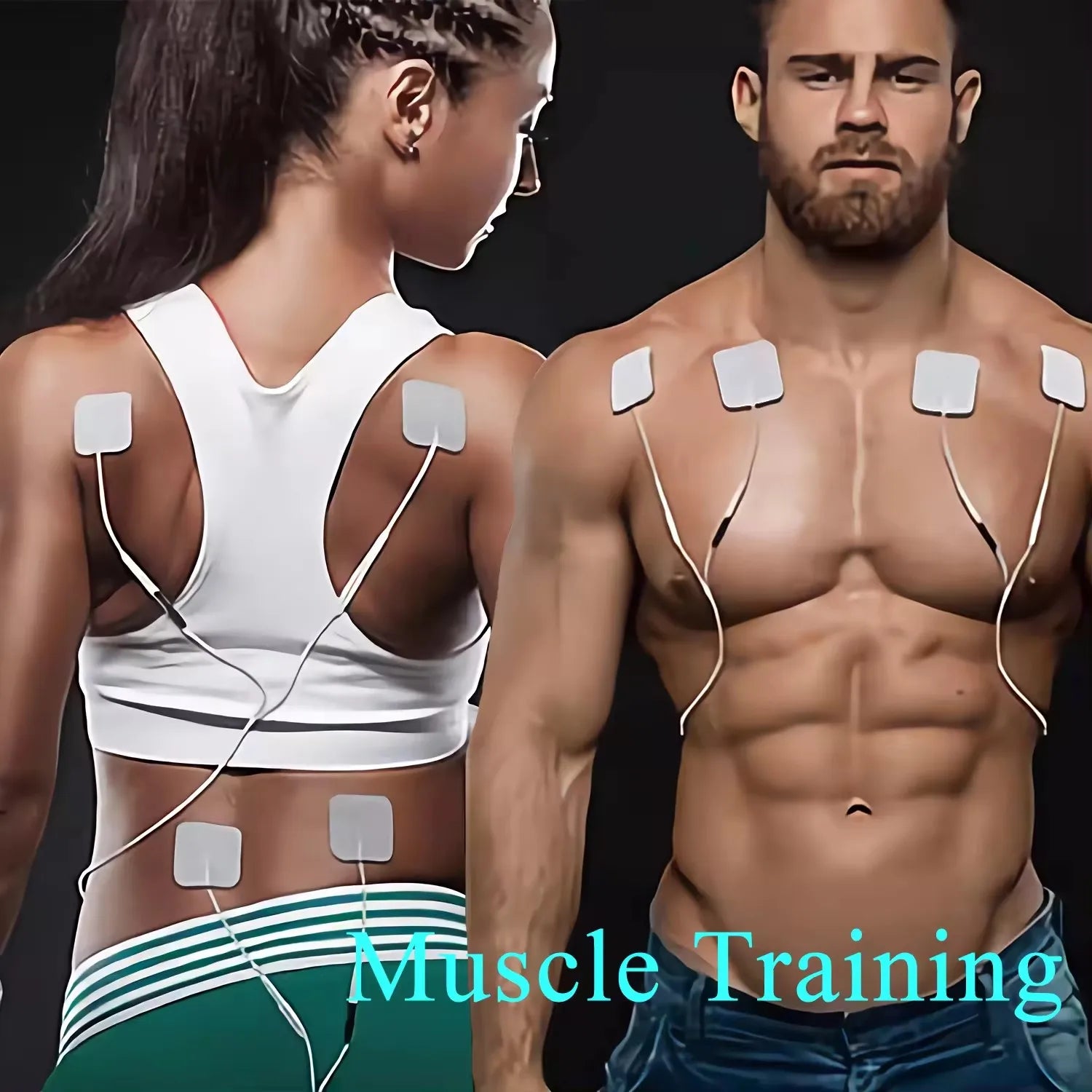
Electric muscle stimulator for muscle growth supporting recovery and consistent training. See it in action.
Get yours now — limited stock!
Frequently Asked Questions
Do muscle stimulators build muscle?
Yes, muscle stimulators can contribute to strength and muscle development when combined with resistance training. They work best as a supplement rather than a replacement for exercise.
Can EMS build muscle without exercise?
Some muscle activation and strength improvements are possible, especially during rehabilitation, but significant muscle growth generally requires progressive resistance training.
How effective is EMS for bodybuilding?
Bodybuilders often use EMS to improve muscle activation, enhance weak muscle groups, and support recovery. It is most effective when integrated into an existing training program.
How long does it take to see EMS results?
Improved muscle activation may be noticeable within a few weeks, while measurable increases in strength and muscle size usually require several months of consistent training.
Is EMS safe for daily use?
Daily use may be appropriate for low-intensity recovery programs, but higher-intensity strength sessions should include adequate recovery. Always follow the manufacturer's recommendations and consult a healthcare professional if you have underlying medical conditions.
Related Guide: EMS Muscle Recovery Guide How to Use It for Faster Healing