

Does muscle stimulation at home really work?
Yes. Muscle stimulation at home can be effective when used correctly and for appropriate goals. Devices using EMS (Electrical Muscle Stimulation), NMES (Neuromuscular Electrical Stimulation), and TENS (Transcutaneous Electrical Nerve Stimulation) are commonly used in rehabilitation clinics and increasingly in home settings to help support pain relief, muscle activation, recovery, and functional movement.
How does electric muscle stimulation work?
Electrical muscle stimulation delivers controlled electrical impulses through adhesive electrode pads placed on the skin. These impulses stimulate motor nerves, causing muscles to contract in a controlled manner. Depending on the device and program selected, stimulation may help:
- Activate weak or inactive muscles during rehabilitation
- Improve muscle awareness after injury or surgery
- Support circulation in less active muscles
- Reduce post-workout muscle stiffness when combined with recovery strategies
TENS technology works differently by stimulating sensory nerves instead of creating muscle contractions. Its primary purpose is temporary pain relief by helping reduce pain signals reaching the brain.
What results can you realistically expect?
Most people notice improvements in muscle relaxation, reduced stiffness, and better muscle engagement after several consistent sessions. During rehabilitation, EMS may help maintain or restore muscle activation when movement is temporarily limited. However, electrical stimulation works best alongside exercise, stretching, and professional rehabilitation—not as a replacement for them.
⏱ 8 min read
Muscle Stimulation at Home: Best EMS Devices, Benefits, and Safe Usage Guide
Struggling to keep up with clinic appointments or activate the right muscles during workouts? At-home muscle stimulation offers a structured, flexible way to support recovery, improve muscle engagement, and stay consistent—without relying on fixed schedules.
Explore how this device works in real-life setups
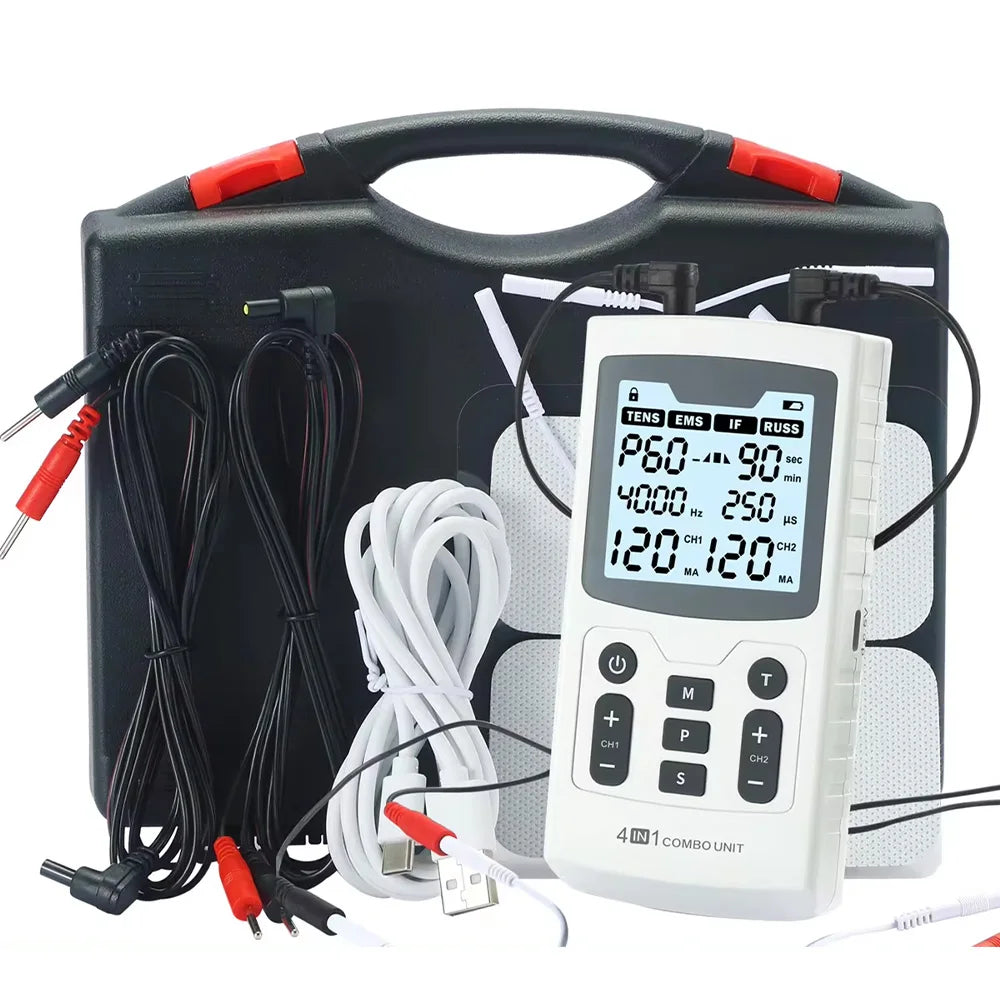
Electric muscle stimulator physical therapy with a home physical therapy device — See it in action
What is electric muscle stimulator physical therapy?
Electric muscle stimulator physical therapy uses carefully controlled electrical impulses to activate muscles or nerves for rehabilitation, recovery, and pain management. Many modern home physical therapy devices combine multiple therapy modes, allowing users to tailor treatment based on their needs.
EMS vs NMES vs TENS explained
- EMS: Produces muscle contractions to improve muscle activation, conditioning, and recovery.
- NMES: A rehabilitation-focused form of electrical muscle stimulation frequently prescribed after injury or surgery to restore muscle function.
- TENS: Stimulates sensory nerves to provide temporary pain relief without producing strong muscle contractions.
When each therapy is appropriate
- Choose EMS for muscle recovery, conditioning, and post-exercise support.
- Choose NMES when following a rehabilitation program recommended by a healthcare professional.
- Choose TENS when your primary goal is temporary relief from back, neck, joint, or muscle pain.
- Combo devices provide flexibility for households with multiple recovery goals.
Learn how this muscle stimulation machine fits into home sessions
Who should use muscle stimulation at home?
Who benefits most
- People recovering from orthopedic injuries or surgery under professional guidance
- Office workers experiencing muscle tightness from prolonged sitting
- Older adults working to maintain muscle activation and mobility
- Athletes looking to complement post-workout recovery routines
- Individuals participating in structured home rehabilitation programs
Who should avoid EMS
Electrical stimulation may not be appropriate for everyone. People with implanted pacemakers or defibrillators, certain heart rhythm disorders, uncontrolled epilepsy, or those who are pregnant should consult a healthcare professional before using EMS or TENS devices.
When to consult a healthcare professional
Seek medical advice if you recently had surgery, have unexplained muscle weakness, experience severe pain, have reduced sensation in the treatment area, or are unsure whether electrical stimulation is appropriate for your condition.
How to use a muscle stimulator at home safely
Correct setup helps maximize benefits while minimizing skin irritation and discomfort.
Home EMS therapy setup
Read the user manual before your first session, charge the device if needed, and inspect electrode pads for wear. Always apply pads to clean, dry skin.
Electrode placement basics
Position pads over the target muscle rather than directly on joints or bony areas. Avoid placing electrodes across the chest, on the front of the neck, or over broken skin. Follow the placement diagrams provided by your device manufacturer whenever available.
Session timing and intensity
Begin with the lowest comfortable intensity and increase gradually until you feel a noticeable but tolerable muscle contraction. Most sessions last between 10 and 30 minutes depending on the treatment goal and program selected.
Weekly usage recommendations
Many users benefit from three to five sessions per week for each muscle group, allowing adequate recovery between treatments. Your healthcare provider may recommend a different schedule during rehabilitation.

Physical therapy muscle stimulation machine in a real home setup — See it in action
Benefits and limitations of muscle stimulation at home
Recovery and rehabilitation
Electrical muscle stimulation may help improve muscle activation, support rehabilitation after periods of inactivity, and complement exercise programs designed by healthcare professionals.
Pain management
TENS therapy can provide temporary relief from muscle and joint discomfort for many users. While it does not treat the underlying cause of pain, it may make daily activities and exercise more comfortable.
What EMS cannot do
- It does not replace resistance training for building strength.
- It cannot substitute for physical therapy when professional rehabilitation is required.
- It should not be considered a cure for chronic medical conditions.
- It works best when combined with movement, stretching, and healthy recovery habits.
Is muscle stimulation safe at home?
For most healthy adults, muscle stimulation is considered safe when used according to manufacturer instructions and appropriate medical guidance.
Common side effects
Mild skin redness, temporary tingling, or light muscle soreness can occur after treatment. These effects usually resolve within a short period.
Safety precautions
- Use clean, properly maintained electrode pads.
- Begin with low intensity and increase gradually.
- Never place pads over the heart or the front of the neck.
- Do not exceed recommended session lengths.
- Stop using the device if pads become damaged or lose adhesion.
When to stop using EMS
Discontinue treatment and seek medical advice if you experience severe pain, persistent skin irritation, dizziness, unusual swelling, or worsening symptoms after treatment.
Choosing the best home EMS device
EMS vs TENS vs combo devices
- EMS: Best for muscle activation and recovery.
- TENS: Best for temporary pain relief.
- Combo devices: Suitable for users wanting both functions in one device.
Features that matter
- Wide intensity adjustment range
- Multiple therapy programs
- Dual-channel capability
- High-quality reusable electrode pads
- Portable rechargeable design
- Clear display and easy controls
Comparison table
| Feature | EMS | TENS | Combo Device |
|---|---|---|---|
| Primary purpose | Muscle activation | Pain relief | Both |
| Muscle contractions | Yes | Minimal | Yes |
| Pain management | Limited | Excellent | Excellent |
| Rehabilitation | Excellent | Supportive | Very good |
See how this device supports daily recovery
Best Muscle Stimulators for Home Use (2026 Buyer Picks)
The best home physical therapy device depends on whether your primary goal is rehabilitation, pain relief, athletic recovery, or everyday muscle maintenance.
Best for rehabilitation
Look for an EMS or NMES device with multiple channels, adjustable pulse settings, and guided therapy programs suitable for structured rehabilitation.
Best for pain relief
TENS-focused units are ideal for temporary management of back pain, neck discomfort, and joint soreness.
Best value option
Entry-level combo devices provide both EMS and TENS modes with enough customization for most home users at an affordable price.
Best advanced home therapy device
Professional-grade models typically offer more treatment programs, stronger output ranges, independent channel control, and improved electrode management for experienced users.
Common mistakes to avoid
Incorrect electrode placement
Improper pad placement can reduce effectiveness and increase discomfort. Always follow placement diagrams designed for the muscle being treated.
Using excessive intensity
Higher intensity does not necessarily produce better results. Increase stimulation gradually until contractions are firm but comfortable.
Expecting EMS to replace exercise
Electrical stimulation supports recovery and rehabilitation but should complement—not replace—regular movement, strengthening exercises, and physical therapy when recommended.
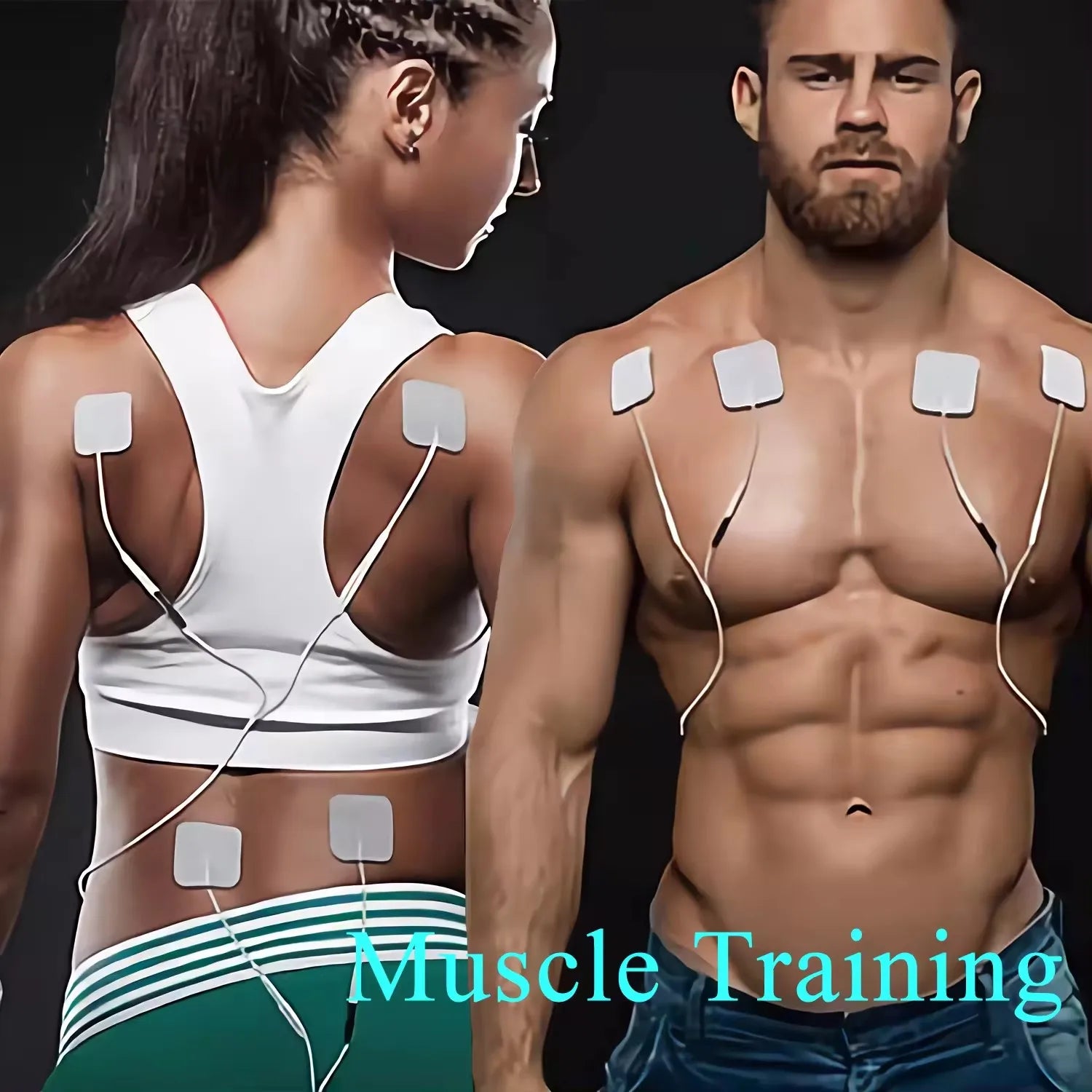
Muscle rehabilitation equipment used consistently at home — See it in action
Frequently asked questions
Can you do physical therapy at home with EMS?
Yes. Home EMS devices can support rehabilitation programs by helping activate muscles between therapy sessions. They are most effective when used alongside exercises recommended by a healthcare professional.
Can I use electrical muscle stimulation every day?
Some rehabilitation programs include daily use, but many users benefit from three to five sessions per week for each muscle group. Follow your device instructions or your clinician's recommendations.
How long does it take to see results?
Temporary pain relief may occur during or shortly after treatment. Improvements in muscle activation or conditioning generally require several weeks of consistent use combined with exercise.
Does EMS replace exercise?
No. EMS supports muscle activation and recovery but cannot replace strength training, cardiovascular exercise, or a comprehensive rehabilitation program.
Can EMS help muscle rehabilitation?
Yes. EMS is widely used as part of rehabilitation programs to help activate weakened muscles, particularly after injury or surgery, when prescribed or recommended by qualified healthcare professionals.
Get yours now — limited stock!
Related Guide: EMS Muscle Recovery Guide How to Use It for Faster Healing













