
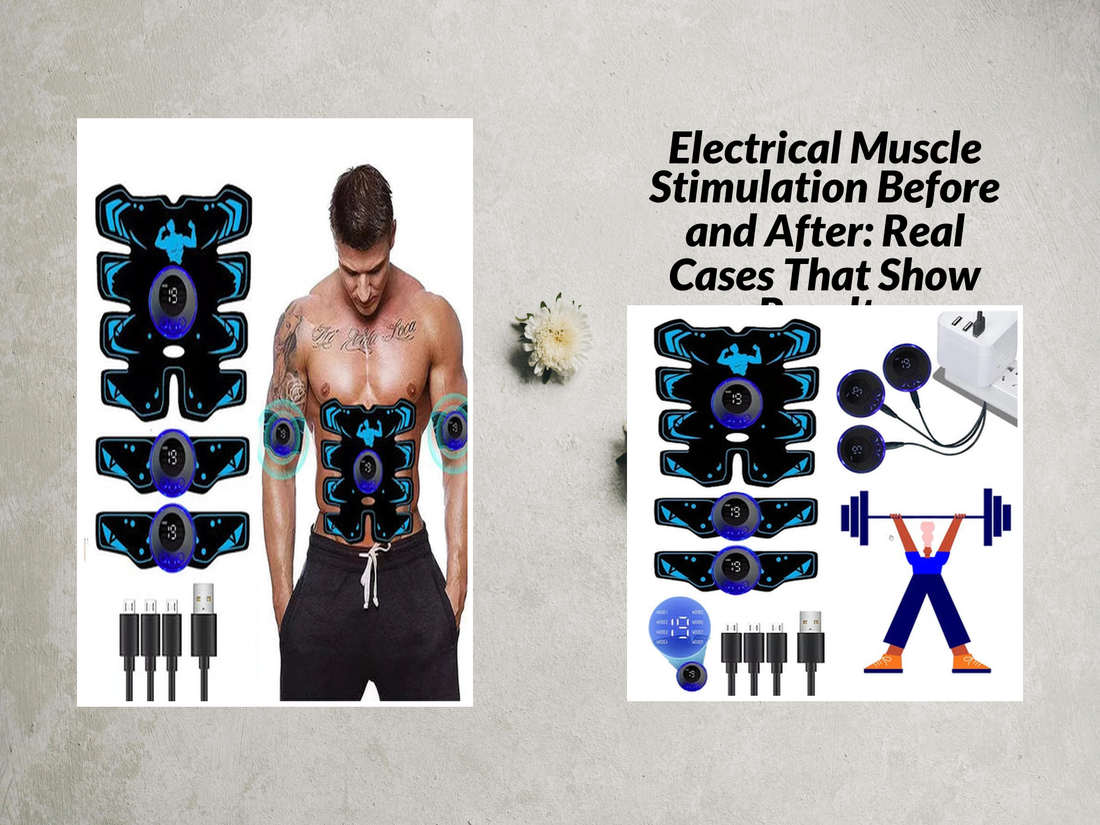
What Are EMS Training Before and After Results?
When people search for EMS training before and after , they usually want proof that electrical muscle stimulation produces visible body changes. Realistic EMS transformations often include improved muscle definition, increased strength, better posture, and gradual reductions in body fat when combined with proper nutrition and exercise.
Rather than expecting dramatic overnight changes, most users notice progressive improvements over several weeks. Comparing standardized progress photos, body measurements, strength gains, and body composition provides a much more accurate picture than relying on scale weight alone.
What "Before and After" Actually Measures
- Muscle definition
- Body fat percentage
- Waist circumference
- Strength improvements
- Posture and core stability
- Overall body composition
Fat Loss vs Muscle Definition vs Strength Gains
EMS primarily stimulates muscle contractions. Visible fat loss depends on maintaining a calorie deficit, while muscle tone and strength improvements often become noticeable sooner. Understanding this distinction helps set realistic expectations for EMS before and after results.
⏱ 8 min read
Electrical Muscle Stimulation Before and After: Real EMS Training Results Explained
Electrical muscle stimulation before and after results are widely discussed in fitness and rehabilitation because they reflect measurable changes in muscle activation, strength, and body composition over time. EMS does not replace exercise but enhances muscle recruitment during structured training, which can lead to noticeable improvements when used consistently.
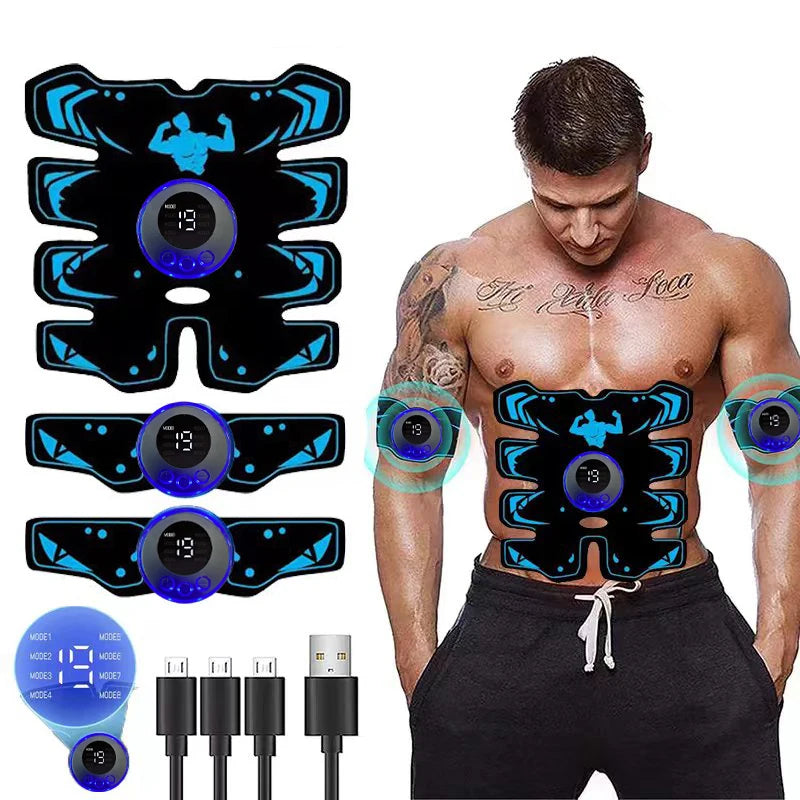
Electrical muscle stimulation before and after: see how users transformed with EMS technology
How EMS Training Works to Stimulate Muscles
Electrical Muscle Stimulation (EMS) uses controlled electrical impulses to trigger involuntary muscle contractions during exercise. These impulses work alongside voluntary movement, increasing the number of muscle fibers activated in each training session.
How Electrical Muscle Stimulation Activates Muscle Fibers
Electrodes placed on the skin deliver impulses that stimulate motor neurons, causing repeated muscle contractions. When combined with functional movements such as squats, lunges, and core exercises, EMS increases overall muscle engagement.
Why Visible Results Take Time
Muscle adaptation requires repeated stimulus over time. Neural adaptation, protein synthesis, and changes in body composition all occur gradually. Most EMS training before and after results become noticeable only after several weeks of consistent training.
Real EMS Training Before and After Transformations
Authentic EMS training results should always be evaluated in context, including consistent lighting, identical poses, and clear timelines. Without these factors, visual comparisons can be misleading.

EMS muscle stimulator review: real cases of faster toning and recovery
4-Week EMS Training Before and After Results
Early improvements typically include better muscle activation, improved posture, and increased training performance. Visible fat loss is usually minimal at this stage.
8-Week EMS Before and After Results
By eight weeks, muscle definition becomes more noticeable, particularly in the core, arms, and lower body, especially when paired with proper nutrition.
12-Week EMS Training Before and After Results
At twelve weeks, consistent EMS training combined with lifestyle optimization may lead to clearer improvements in muscle tone, endurance, and overall body composition.
EMS Weight Loss Before and After Examples
Weight loss varies significantly. EMS supports calorie expenditure and muscle engagement, but fat reduction primarily depends on diet and overall activity level.
How to Evaluate EMS Training Before and After Photos
- Check for identical lighting conditions
- Confirm consistent posture and angle
- Verify timeline transparency
- Compare measurements, not just visuals
- Be cautious of heavily edited images
EMS Training Before and After Photos: What They Really Show
Before and after photos often highlight visible changes, but they do not always represent full physiological progress. Understanding what is actually changing helps set realistic expectations.
Muscle Definition Changes
Increased muscle tone can become visible even before major fat loss occurs.
Posture Improvements
Stronger core and back muscles often improve posture, creating a leaner appearance.
Body Composition Changes
Changes in body composition reflect shifts in fat mass and lean muscle mass over time.
Lighting, Pump, and Camera Angle Differences
Lighting and positioning can exaggerate or minimize visible differences in transformation photos.
What Results Can You Expect by Body Area?
EMS Abs Before and After
The abdominal area often shows improved core stability and gradual definition with consistent training.
EMS Arms Before and After
Arms may develop better muscle tone through repeated activation of biceps and triceps.
EMS Legs and Glutes Before and After
Lower body muscles often respond well, improving strength, endurance, and firmness.
EMS Back and Core Stability Improvements
Strengthening back and core muscles supports posture, balance, and functional movement in daily activities.
EMS Training Results Timeline: Week by Week
Weeks 1–2
Neuromuscular adaptation begins, with improved muscle activation and mild soreness.
Weeks 3–4
Early improvements in tone, coordination, and exercise performance appear.
Weeks 5–8
Strength gains increase and visible muscle definition begins to emerge.
Weeks 9–12
More noticeable body composition changes and sustained strength improvements develop.
Factors That Affect EMS Before and After Results
Session Frequency
Consistency plays a major role in how quickly results appear.
Nutrition
A balanced diet supports muscle development and fat loss outcomes.
Sleep and Recovery
Recovery is essential for muscle repair and adaptation.
Starting Fitness Level
Beginners may notice faster early improvements compared to trained individuals.
Trainer Quality and Exercise Intensity
Proper guidance and progressive training significantly influence results.
EMS vs Traditional Strength Training: Before and After Comparison
EMS should be viewed as a complement to traditional resistance training rather than a replacement.
- Muscle Development: Traditional strength training remains the primary method for long-term hypertrophy.
- Fat Loss: Both require nutritional control for meaningful results.
- Time Commitment: EMS sessions are shorter but less comprehensive.
- Long-Term Sustainability: Conventional training builds more complete fitness foundations.
Scientific Evidence Behind EMS Training Results
Research indicates that EMS can improve muscle strength and functional performance when used alongside exercise. However, outcomes vary based on protocols and individual factors.
Research on Muscle Strength
Studies show EMS can enhance muscle activation and strength, especially in beginners or rehabilitation settings.
Research on Body Composition
Some evidence suggests modest improvements in lean mass and fat reduction when EMS is combined with training.
Current Limitations of Evidence
Variations in device types, training protocols, and populations make results difficult to generalize.
Limitations, Risks, and Common Myths
EMS Is Not Passive Weight Loss
EMS does not produce fat loss without supporting lifestyle habits such as diet and activity.
Why Results Differ Between Individuals
Genetics, consistency, recovery, and nutrition all influence outcomes.
Who Should Avoid EMS Training
Individuals with implanted electronic devices, certain medical conditions, or pregnancy should consult a healthcare professional before use.
How to Maximize Your EMS Before and After Results
Recommended Weekly Schedule
One to two sessions per week combined with regular movement is commonly recommended.
Nutrition Tips
Support training with adequate protein intake and balanced calories aligned with your goals.
Recovery Strategies
Prioritize sleep and allow sufficient recovery between sessions.
Tracking Progress Beyond Photos
- Body measurements
- Strength performance
- Fitness endurance
- Progress photos under consistent conditions
Frequently Asked Questions About EMS Training Before and After
How soon can I see EMS training before and after results?
Visible improvements typically appear after 8–12 weeks of consistent use combined with proper nutrition.
How many EMS sessions are needed?
Most people begin noticing changes after 8–20 sessions depending on training consistency and goals.
Does EMS help with weight loss?
EMS supports calorie burn and muscle engagement but is most effective when paired with a calorie-controlled diet.
Are EMS results permanent?
No. Ongoing training and healthy habits are needed to maintain results.
Is EMS safe?
When used correctly, EMS is generally safe for healthy adults.
Can EMS replace regular workouts?
No. EMS should complement traditional strength and cardiovascular training, not replace it.
How often should I take before and after photos?
Monthly photos under identical conditions provide the most accurate progress tracking.
Related Articles:
- Electro Muscle Stimulation Benefits for Athletes vs Beginners Explained
- What Does Electrical Muscle Stimulation Do for Different Body Goals?
Pillar Articles:













