

Electrical Muscle Therapy Benefits: How Electrical Stimulation Therapy Works, Benefits, and Safety
Many people experience sore muscles, slow recovery, or difficulty maintaining consistent recovery routines. Electrical muscle therapy provides a convenient way to support muscle activation, relaxation, and rehabilitation through controlled electrical impulses. This guide explains how electrical stimulation therapy works, the benefits of muscle stimulation therapy, who may benefit most, and how to use it safely at home.
⏱ 5 min read
Explore how electrical muscle therapy works at home
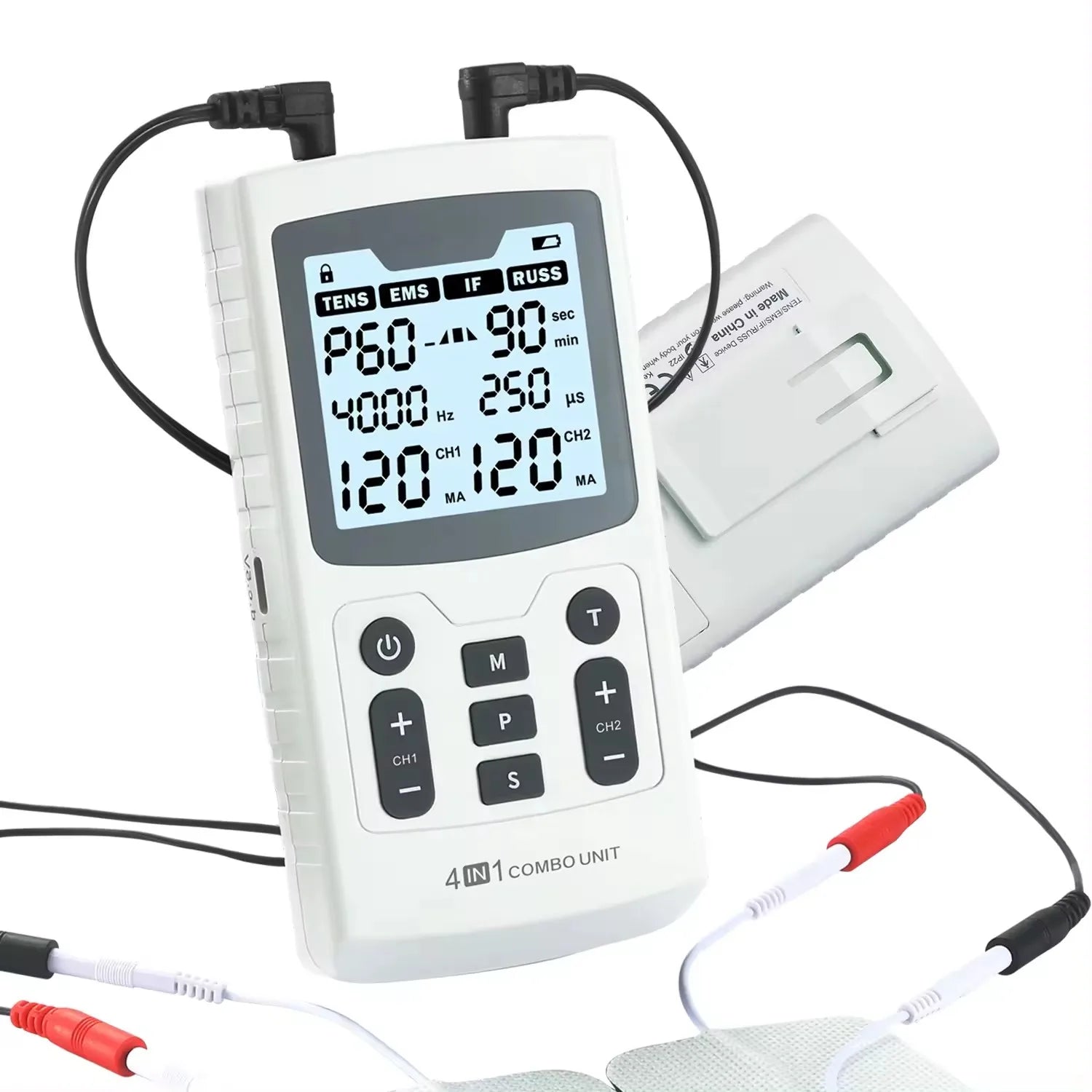
Electrical muscle therapy benefits in daily recovery See it in action
What Is Electrical Stimulation Therapy? (EMS vs TENS vs NMES vs FES Explained)
Electrical stimulation therapy is a treatment method that uses controlled electrical impulses to activate nerves and muscles. These signals can support pain management, muscle recovery, rehabilitation, and improved muscle function.
What is EMS (Electrical Muscle Stimulation)?
EMS activates motor nerves that control muscles, causing targeted contractions similar to natural muscle movement. The main EMS therapy benefits include supporting muscle activation, reducing stiffness, and assisting recovery after physical activity or periods of inactivity.
What is TENS (Transcutaneous Electrical Nerve Stimulation)?
TENS focuses primarily on sensory nerves rather than muscle fibers. It uses low-voltage electrical signals to influence pain signaling pathways, making it commonly used for temporary pain relief and discomfort management.
What are NMES and FES?
NMES (Neuromuscular Electrical Stimulation) is often used in clinical rehabilitation to help restore muscle strength and function after injury, surgery, or periods of reduced movement.
FES (Functional Electrical Stimulation) applies electrical stimulation during specific activities to help improve functional movements, such as walking or grasping, for people with certain neurological conditions.
Key differences between electrical stimulation therapies
- EMS: Targets muscles for activation, recovery, and strength support.
- TENS: Targets nerves primarily for pain relief.
- NMES: Supports muscle retraining during rehabilitation.
- FES: Helps improve functional movement patterns.
How Electrical Stimulation Therapy Works
Understanding how electrical stimulation therapy works helps explain why it is used in both clinical and home recovery settings. Electrical impulses travel through electrodes placed on the skin and stimulate targeted nerves or muscles.
How electrical impulses stimulate muscles
When electrical signals reach motor nerves, they trigger muscle contractions. These contractions can help activate underused muscles, maintain muscle engagement, and support recovery when normal movement is limited.
How electrical stimulation affects pain signals
Electrical stimulation may influence how pain signals are processed by the nervous system. This can help reduce the sensation of discomfort and support relaxation in areas affected by muscle tension.
How circulation and muscle activation improve
Repeated muscle contractions encourage movement within the muscle tissue, which may support circulation. Improved blood flow helps deliver oxygen and nutrients while supporting the removal of metabolic waste after activity.
Why treatment outcomes vary
Results can vary depending on the stimulation type, treatment consistency, device settings, individual health factors, and the reason for use. Electrical stimulation therapy works best as part of a broader recovery strategy rather than as a replacement for movement or professional care.
What Are the Benefits of Electrical Stimulation Therapy?
The benefits of electrical muscle stimulation depend on the therapy goal and individual condition. Research and clinical use show that electrical stimulation can support pain management, muscle activation, rehabilitation, and recovery when applied correctly.
Pain relief
Electrical stimulation therapy benefits include helping manage discomfort by influencing pain signals and encouraging muscle relaxation. TENS-based treatments are commonly used for pain relief, while EMS may help reduce discomfort linked to muscle tightness and fatigue.
Muscle strengthening and re-education
EMS can support muscle re-education by activating muscle fibers that may be difficult to engage voluntarily. This makes it useful during rehabilitation programs where maintaining muscle activity is important.
Faster recovery and reduced soreness
Muscle stimulation therapy benefits include supporting post-workout recovery by encouraging gentle contractions that improve circulation and reduce feelings of stiffness after intense activity.
Improved circulation and edema management
Muscle contractions created by electrical stimulation can support circulation and fluid movement. This may help some users manage swelling and discomfort related to reduced mobility.
Support during rehabilitation
Electrical stimulation is frequently used as part of rehabilitation plans to help maintain muscle function, rebuild strength, and support gradual recovery after injury or surgery.
Conditions That May Benefit From Electrical Stimulation Therapy
Electrical stimulation therapy may be used for several recovery and rehabilitation goals. The best approach depends on the condition, treatment plan, and guidance from a healthcare professional when needed.
Sports injuries
Athletes may use EMS therapy benefits to support recovery after muscle strain, intense training, or repetitive physical stress. It can complement stretching, exercise, and other recovery techniques.
Post-surgical rehabilitation
After surgery, electrical stimulation may help maintain muscle activity when movement is limited. Rehabilitation professionals may use NMES to support strength rebuilding during recovery.
Chronic musculoskeletal pain
People managing ongoing muscle and joint discomfort may use electrical stimulation as one component of a broader pain management approach.
Neurological conditions
Certain neurological rehabilitation programs use electrical stimulation techniques to help improve muscle activation and functional movement.
Who Benefits Most From EMS Therapy?
Athletes
Athletes often use EMS to support muscle recovery, reduce post-training stiffness, and maintain consistent performance routines.
Older adults
Older adults with reduced activity levels may benefit from muscle activation support and improved movement confidence when EMS is used appropriately.
People recovering from injury
Individuals recovering from injuries may use EMS to maintain muscle engagement while gradually returning to normal movement.
Individuals with limited mobility
People with limited mobility may benefit from electrical stimulation as part of a supervised recovery plan focused on maintaining muscle function.
Discover the muscle therapy machine users rely on
Is Electrical Muscle Stimulation Safe? Risks, Side Effects, and Precautions
Who should avoid electrical stimulation
People with pacemakers, implanted electronic devices, certain heart conditions, epilepsy, or those who are pregnant should consult a healthcare professional before using electrical stimulation therapy.
Common side effects
Most users experience mild sensations such as tingling, pulsing, or muscle twitching. Incorrect electrode placement or excessive intensity may cause skin irritation, discomfort, or soreness.
When to stop treatment
- Stop use if you experience sharp pain, burning sensations, or unusual discomfort.
- Do not continue if skin irritation develops around electrode areas.
- Seek medical advice if symptoms worsen or recovery concerns continue.
Safe home-use guidelines
- Follow the device instructions carefully.
- Start with low intensity and increase gradually.
- Avoid placing electrodes on sensitive areas or broken skin.
- Use EMS as a supplement to exercise and rehabilitation, not a replacement.
Electrical Stimulation Therapy vs Other Recovery Methods
EMS vs TENS
EMS focuses on muscle contractions for activation and recovery, while TENS primarily targets nerves for pain management. Some devices combine both functions for different recovery goals.
EMS vs massage
Massage uses manual pressure to relax muscles, while EMS creates controlled contractions through electrical signals. Both approaches may support relaxation and recovery in different ways.
EMS vs stretching and exercise
Stretching improves flexibility, while exercise builds strength and endurance. EMS supports muscle activation but should complement regular physical activity rather than replace it.
EMS vs compression therapy
Compression therapy uses external pressure to support circulation, while EMS uses muscle contractions to encourage movement. Some recovery routines combine both approaches.
| Method | Main Purpose | Time Required | Best Use Case |
|---|---|---|---|
| Electrical Muscle Therapy | Muscle activation and recovery support | 15–30 minutes | Workout recovery and rehabilitation support |
| Manual Massage | Muscle relaxation | 60+ minutes | Targeted tension relief |
| Stretching and Exercise | Mobility and strength | Varies | Long-term physical improvement |
| Compression Therapy | Circulation support | 20–60 minutes | Swelling and recovery routines |
How to Use Electrical Stimulation Therapy at Home
Choosing the right device
Select a device based on your goal, such as muscle recovery, relaxation, or pain support. Look for adjustable intensity levels, comfortable electrodes, and clear safety instructions.
Electrode placement basics
- Clean and dry the target skin area.
- Place electrodes over the recommended muscle location.
- Select the appropriate mode and begin at a low intensity.
Recommended treatment frequency
Many users incorporate EMS therapy several times per week depending on their goals and comfort level. Consistency is usually more important than using high intensity levels.
Common mistakes to avoid
- Using intensity levels that are too high.
- Placing electrodes incorrectly.
- Using EMS instead of regular movement and exercise.
- Ignoring safety instructions.
Pairing this approach with other tools from Body Care and Health Devices can enhance overall comfort.
Get yours now — limited stock!
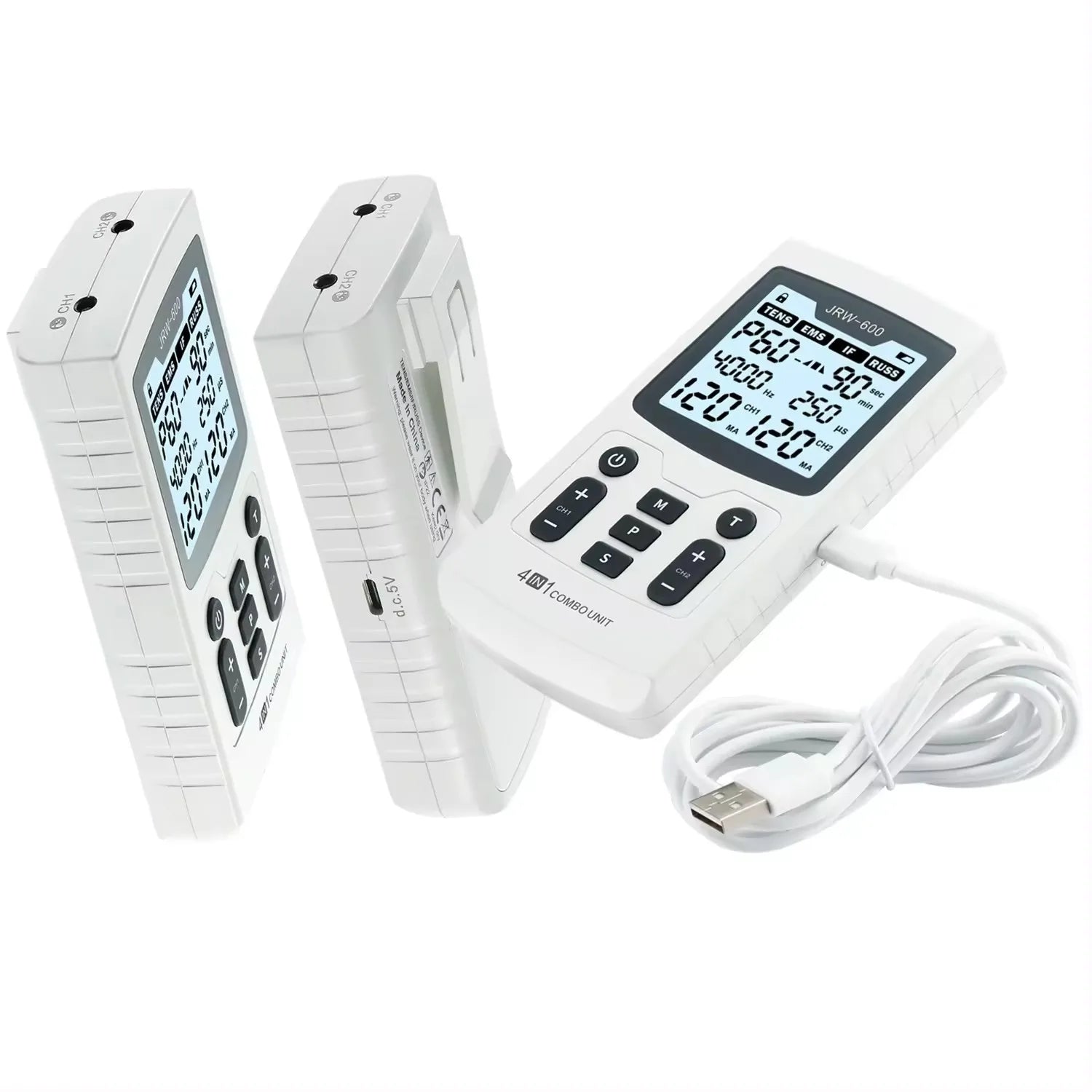
Muscle therapy machine for smarter workout recovery methods See it in action
Frequently Asked Questions
What are the benefits of electrical muscle stimulation?
Electrical muscle stimulation benefits include supporting muscle activation, recovery, relaxation, rehabilitation, and circulation when used correctly.
How does electrical stimulation therapy work?
Electrical stimulation therapy works by sending controlled impulses through electrodes to stimulate nerves or muscles, creating targeted responses such as contractions or changes in pain signaling.
Is electrical muscle stimulation safe for daily use?
Electrical muscle stimulation may be safe for regular use when following device instructions, using appropriate settings, and avoiding contraindications.
Who should not use electrical stimulation therapy?
People with certain implanted medical devices, heart conditions, pregnancy concerns, or specific neurological conditions should consult a healthcare professional before use.
Can electrical stimulation help muscle recovery?
Yes, EMS may support muscle recovery by encouraging muscle activation, circulation, and relaxation after physical activity.
What is the difference between EMS, TENS, NMES, and FES?
EMS focuses on muscle stimulation, TENS focuses on nerve stimulation for pain relief, NMES supports muscle retraining, and FES assists functional movements during rehabilitation.
Can EMS replace exercise or physical therapy?
No. EMS works best as a supplement to exercise, rehabilitation programs, and healthy movement habits.
How long does it take to notice results from electrical stimulation therapy?
Some users notice immediate sensations such as relaxation or reduced tightness, while longer-term improvements usually require consistent use over time.
Related Guide: Does Electric Muscle Stimulator Work Real Reviews and Results













