

Does electrical neuromuscular stimulation really work?
Yes—electrical neuromuscular stimulation (NMES) works by delivering controlled electrical impulses that activate motor nerves and trigger muscle contractions. When used consistently and correctly, it can improve muscle activation, support recovery, enhance circulation, and help restore strength—especially in rehabilitation and low-mobility scenarios.
Electrical Neuromuscular Stimulation (NMES): How It Works, Benefits, Safety & Device Guide
Electrical neuromuscular stimulation is no longer limited to clinics or elite athletes. Today’s devices bring clinically inspired recovery technology into everyday routines, helping users improve muscle activation, support circulation, and enhance recovery efficiency. Understanding how NMES works—and what features matter—can help you achieve more consistent, measurable results.
⏱ 8 min read
Explore how today’s technology supports smarter wellness routines.
Have you ever finished a workout—or even a long workday—feeling tight, sore, and frustrated that recovery takes longer than it should? Electrical neuromuscular stimulation targets these issues at the neuromuscular level, where traditional massage and stretching may not reach effectively.

Electrical neuromuscular stimulation in daily recovery routines — See it in action
What Is Neuromuscular Electrical Stimulation (NMES)?
Medical definition and purpose
Neuromuscular electrical stimulation (NMES) is a therapeutic technique that uses electrical impulses to stimulate motor nerves, causing muscles to contract involuntarily. It is widely used in rehabilitation to restore muscle function, prevent atrophy, and support recovery.
NMES vs EMS vs TENS vs FES
- NMES: Targets motor nerves for muscle contraction and rehabilitation
- EMS: General term including fitness and toning applications
- TENS: Focuses on pain relief via sensory nerves
- FES (Functional Electrical Stimulation): Used to restore functional movement such as walking
Common rehabilitation settings
NMES is commonly used in physical therapy clinics, post-surgical recovery programs, and at-home rehabilitation routines. It is often combined with physical therapy exercises and muscle strengthening methods for optimal results.
How Neuromuscular Electrical Stimulation Works
How electrical impulses activate nerves
NMES devices send controlled electrical pulses through electrodes placed on the skin. These pulses stimulate motor nerves, which then signal muscles to contract.
Muscle contraction physiology
Unlike voluntary contractions, NMES can recruit deeper or less-used muscle fibers, improving overall muscle activation and coordination.
Treatment parameters explained
Key parameters include frequency (Hz), pulse width (µs), and intensity. These determine whether the session focuses on recovery, endurance, or strengthening.
Factors affecting treatment response
Effectiveness depends on electrode placement, intensity level, consistency, and individual muscle condition.
Clinical Applications of NMES
Stroke rehabilitation
NMES is widely used to help stroke patients regain muscle control and improve motor function.
Post-surgical muscle recovery
After surgery, NMES helps prevent muscle atrophy and accelerates recovery when movement is limited.
Musculoskeletal rehabilitation
It supports recovery from injuries by improving muscle strength and coordination.
Neurological conditions
NMES is used in conditions like multiple sclerosis or spinal cord injury to maintain muscle activity and circulation.
Clinically Proven Benefits of NMES Therapy
Muscle strengthening
NMES enhances muscle activation and helps rebuild strength, particularly when voluntary movement is limited.
Functional movement recovery
It improves coordination and supports the return of normal movement patterns.
Circulation and edema support
Rhythmic contractions improve blood flow, helping reduce swelling and support recovery.
Evidence summary
Clinical studies show NMES is effective for rehabilitation, especially when combined with exercise recovery strategies.
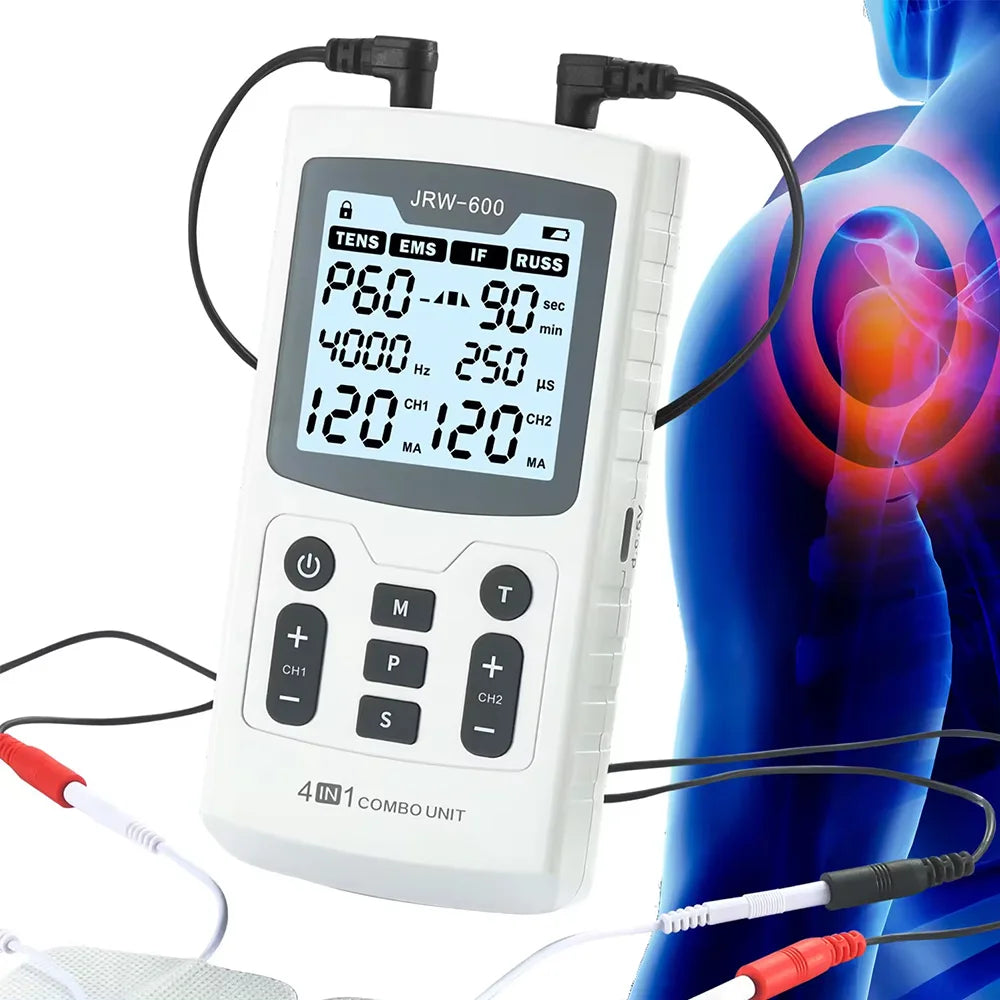
Neuromuscular electrical stimulation technology in use — See it in action
Treatment Protocols and What to Expect
Typical treatment workflow
Sessions begin with electrode placement, followed by gradual intensity adjustment and guided contraction cycles.
Session duration and frequency
Most sessions last 10–30 minutes and are repeated several times per week for best results.
Progress monitoring
Users track improvements in strength, comfort, and recovery speed over time.
Combining NMES with exercise
NMES works best alongside muscle recovery techniques and active training.
Risks, Contraindications, and Safety
Who should avoid NMES
- People with pacemakers or implanted devices
- Pregnant individuals without medical advice
- Areas with wounds or infections
Precautions
Always follow device instructions and start with low intensity.
Possible side effects
Mild skin irritation or tingling may occur.
When to seek professional guidance
Consult a healthcare provider if you have underlying conditions or persistent discomfort.
NMES vs TENS vs EMS vs FES
| Type | Primary Purpose | Best Use Case |
|---|---|---|
| NMES | Muscle contraction | Rehabilitation & strength |
| TENS | Pain relief | Chronic pain |
| EMS | Muscle stimulation | Fitness & toning |
| FES | Functional movement | Neurological rehab |
Choosing a Neuromuscular Electrical Stimulation Device
Essential device features
Look for adjustable intensity, multiple modes, and safety controls.
Intensity and waveform options
Different settings allow customization for recovery or strengthening.
Electrode quality
High-quality pads improve comfort and effectiveness.
Home vs clinical devices
Home devices are portable and convenient, while clinical devices offer advanced customization.
Discover step-by-step ways people use it at home.
How to Use an NMES Device Safely
Preparation
Clean and dry the skin before use.
Electrode placement
Place pads along the muscle belly, avoiding joints.
Session settings
Start with low intensity and gradually increase.
Aftercare
Remove electrodes gently and hydrate the skin if needed.
Research Evidence and Limitations
What studies show
Research supports NMES for improving muscle strength and recovery, especially in rehabilitation settings.
Conditions with strongest evidence
Stroke recovery, post-surgical rehab, and muscle atrophy prevention.
Limitations of current research
Results vary depending on usage, device quality, and individual conditions.
Glossary of NMES Terms
Motor unit
A nerve and the muscle fibers it controls.
Pulse width
The duration of each electrical impulse.
Frequency
Number of pulses per second.
Duty cycle
The ratio of contraction time to rest time.
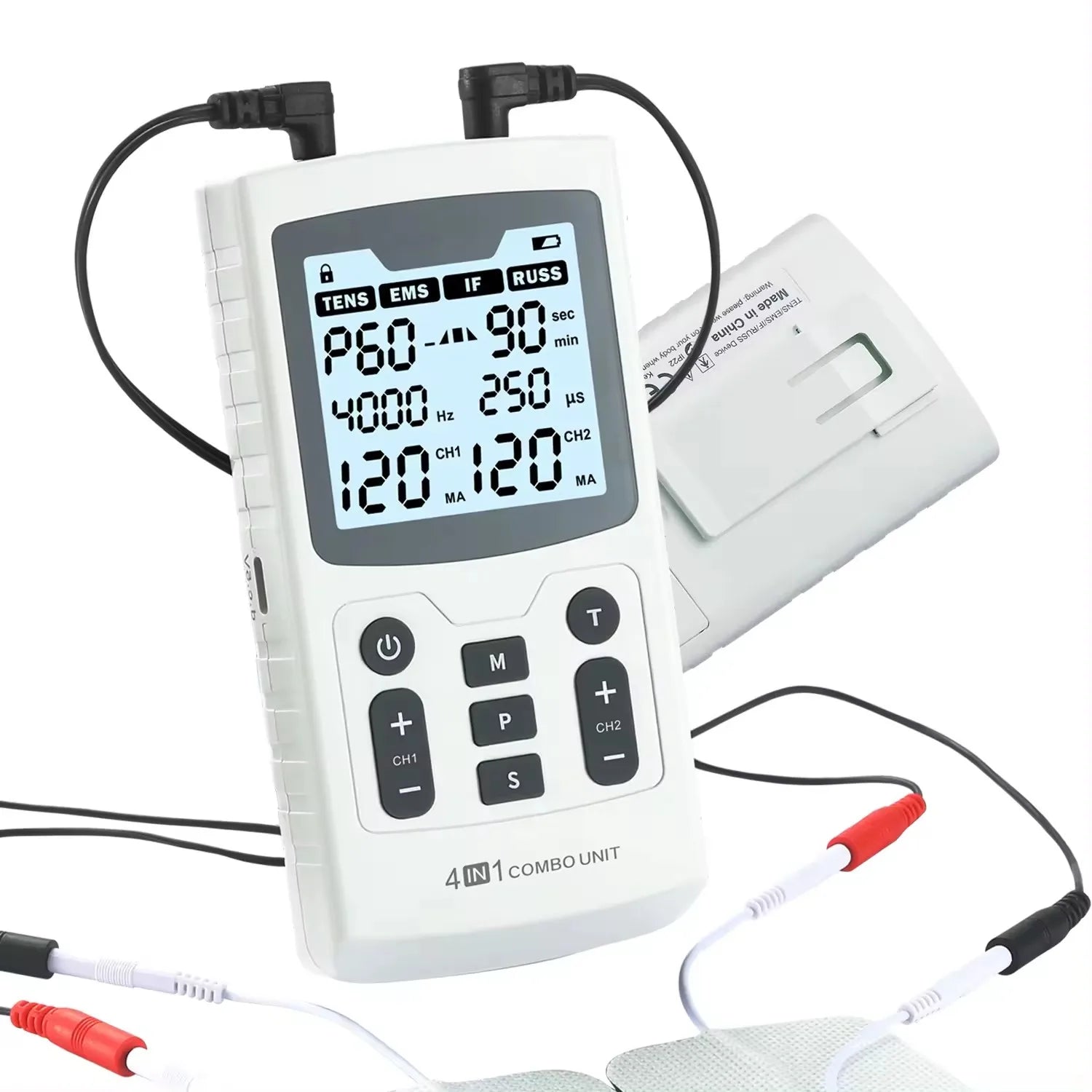
Muscle therapy machine for everyday recovery — See it in action
Frequently Asked Questions About NMES
What conditions can neuromuscular electrical stimulation treat?
It is commonly used for rehabilitation, muscle weakness, and recovery after injury.
Is neuromuscular electrical stimulation supported by research?
Yes, especially in clinical rehabilitation and muscle recovery applications.
What is the difference between NMES and FES?
NMES focuses on strengthening, while FES enables functional movements.
Can NMES help prevent muscle atrophy?
Yes, it helps maintain muscle activity when movement is limited.
How often should NMES therapy be used?
Typically several times per week, depending on goals.
Can you use NMES safely at home?
Yes, when following instructions and safety guidelines.
Does NMES hurt during treatment?
It may feel like a tingling or contraction but should not be painful.
Who should not use electrical muscle stimulation?
People with pacemakers, certain medical conditions, or pregnancy without approval.
Explore the full experience: Electrical Muscle Stimulator













