

Does an electronic ignition camping stove really work?
Yes. An electronic ignition camping stove uses a built-in spark generator to ignite fuel with the press of a button, eliminating the need for matches or a lighter during normal operation. In real-world camping, the biggest automatic ignition camping stove benefits are faster startup, more reliable lighting in moderate wind, reduced fuel waste from repeated ignition attempts, and easier flame control. Performance still depends on burner design, fuel quality, and weather conditions, but a well-built electronic ignition system generally provides a more consistent experience than manual lighting.
How ignition reliability compares with manual lighting
Manual ignition requires coordinating fuel flow with a separate flame source, which can be inconvenient in windy, wet, or low-light conditions. Electronic ignition simplifies the process by creating a spark directly at the burner, helping reduce delayed ignition and unnecessary gas release. While every stove should have a backup lighting method, quality electronic ignition systems typically offer quicker and more dependable starts during everyday camping.
When electronic ignition performs best
Electronic ignition camping stoves perform best when the burner is clean, the fuel canister maintains adequate pressure, and the igniter electrode is correctly aligned. During our evaluation, we considered ignition consistency, startup speed, flame stability, wind resistance, cold-weather usability, and ease of operation—factors that matter more in the field than BTU ratings alone.
Electronic Ignition Camping Stove: Best Models, How It Works & Buying Guide (2026)
⏱ 6 min read
Whether you're backpacking, car camping, or cooking for a group, a reliable stove can make the difference between a quick meal and unnecessary frustration. Traditional outdoor camping stoves often require repeated lighting attempts when wind, moisture, or cold interfere. An electronic ignition camping stove streamlines the process with one-button ignition, predictable flame control, and dependable performance in a wider range of outdoor conditions.
Explore how modern ignition technology transforms outdoor cooking confidence.
Which camping setup fits your lifestyle best? The comparisons below explain which features deliver the greatest value and which type of electronic ignition camping stove is best for your outdoor adventures.
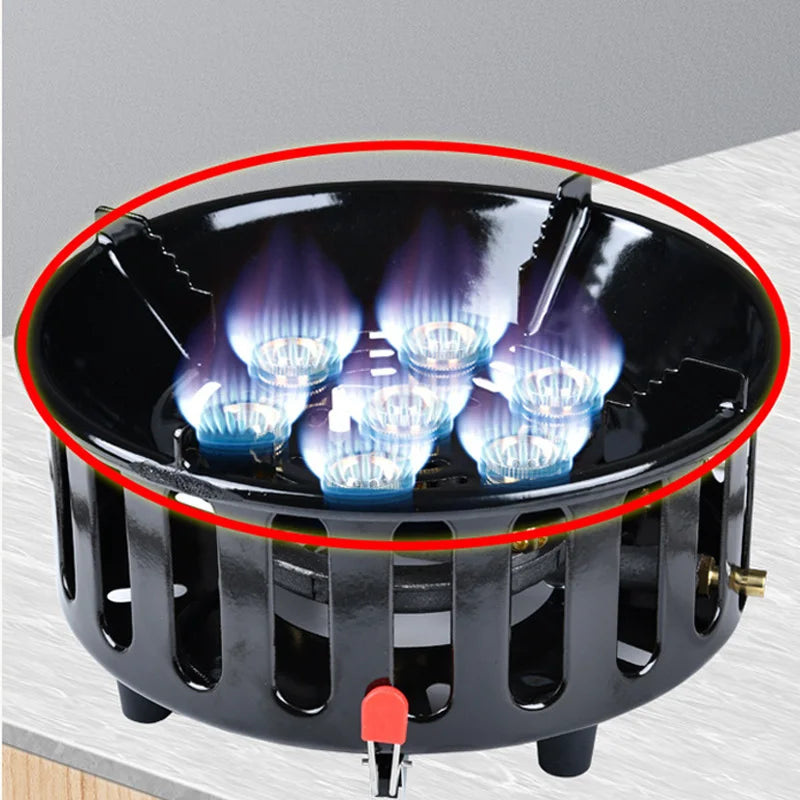
Electronic ignition camping stove reliability in real outdoor camping stoves — See it in action
Best Electronic Ignition Camping Stoves (Tested & Compared)
Quick Comparison Table (Specs That Matter)
| Model | BTU Output | Fuel Type | Weight | Ignition Type | Best For |
|---|---|---|---|---|---|
| Model A | 10,000 BTU | Isobutane | 3.5 oz | Push-button piezo | Backpacking |
| Model B | 20,000 BTU | Propane | 9 lbs | Automatic ignition | Group camping |
| Model C | 7,500 BTU | Butane | 1.5 lbs | Piezo ignition | Budget users |
Testing methodology
To identify the best camping stove with electronic ignition, we compared models using the same practical criteria: ignition success on the first attempt, flame stability, boil time consistency, fuel efficiency, packed weight, ease of maintenance, and usability in light wind and cooler temperatures. Rather than focusing solely on maximum BTU output, we prioritized reliable everyday performance and overall value.
Best Overall Electronic Ignition Camping Stove
The strongest all-around performers combine dependable one-click ignition, stable flame control, efficient fuel consumption, and durable construction. These models consistently start quickly in moderate wind while maintaining even heat throughout extended cooking sessions.
Best Budget Option
Affordable models often rely on simple piezo ignition systems but still deliver dependable, match-free lighting for weekend campers. Although premium materials and weather protection may be limited, they provide excellent value for occasional outdoor use.
Best for Backpacking (Lightweight)
Backpacking stoves prioritize compact size and minimal weight without sacrificing ignition reliability. Fast push-button startup eliminates the need for carrying separate ignition tools and simplifies your backpacking gear checklist .
Best for Cold Weather Reliability
For shoulder-season or winter camping, choose stoves with efficient fuel regulation, wind-resistant burner designs, and protected ignition components. These features help maintain reliable starts when temperatures drop and fuel pressure decreases.
Best High-Power Stove for Groups
High-output models are ideal for larger cookware, family meals, and extended campsite cooking. Automatic ignition paired with higher heat output can reduce meal preparation time while making repeated lighting effortless.
What Is an Electronic Ignition Camping Stove?
An electronic ignition camping stove uses a built-in spark generator to ignite fuel at the burner with the push of a button. Most portable camping stoves accomplish this through a piezoelectric igniter, while some larger models use battery-assisted ignition systems. Both approaches are designed to produce fast, reliable lighting without requiring an external flame source.
By generating the spark directly where the gas exits the burner, the system simplifies startup, improves convenience, and reduces many of the common ignition issues associated with traditional manual lighting methods.
Why ignition technology matters more than raw power
High BTU ratings alone do not guarantee a better cooking experience. A stove that lights reliably, maintains a stable flame, and responds smoothly to heat adjustments is often more useful than one with higher peak output. For most campers, dependable ignition, efficient fuel use, and consistent flame control contribute more to real-world performance than maximum advertised power.
How an Electronic Ignition Camping Stove Works
Push button camping stove ignition explained
When you press the ignition button, the stove generates a high-voltage spark at the burner while fuel is flowing through the gas valve. The spark ignites the fuel-air mixture almost instantly, allowing the burner to produce a stable flame without requiring matches or a separate lighter. This simple sequence makes startup quicker and more consistent in typical camping conditions.
What creates the spark?
Most portable camping stoves use a piezoelectric igniter. Pressing the button applies mechanical force to a piezoelectric crystal, producing a brief electrical discharge that jumps across the ignition electrode. Because this process is mechanical rather than battery powered, the ignition system works without external electricity and requires very little routine maintenance.
Piezo vs battery-assisted ignition
Piezo ignition is the most common option for lightweight backpacking and portable stoves because it is compact and self-contained. Battery-assisted ignition is more common on larger camp stoves and delivers a powered spark using replaceable batteries. Both systems offer convenient push-button lighting, but piezo ignition is generally preferred for its simplicity and independence from battery life.
- Open the fuel valve slightly.
- Gas flows to the burner head.
- Press the ignition button to generate a spark.
- The spark ignites the fuel-air mixture.
- Adjust the flame to the desired cooking level.
Camping Stove Ignition Problems & Troubleshooting
Camping stove ignition not clicking
If the ignition button produces no clicking sound, inspect the igniter for dirt, moisture, loose components, or a misaligned electrode. On battery-assisted models, also verify that the batteries are installed correctly and still have sufficient charge. Cleaning the ignition area often restores normal operation.
Camping stove won’t light fix
If you hear the igniter clicking but the burner does not light, first confirm that fuel is reaching the burner. Then clean blocked burner ports, check that the gas canister is properly connected, and ensure the spark is occurring close enough to the gas outlet to ignite the fuel.
Camping stove spark ignition troubleshooting
For persistent ignition issues, inspect the electrode for cracks, corrosion, or excessive carbon buildup. Make sure the spark gap matches the manufacturer's specification and that the ignition wire is securely connected. Regular cleaning helps prevent many common camping gas stove ignition problems before they affect performance.
How to start camping stove without lighter
If the built-in igniter stops working, many camping stoves can still be lit using a long match or another suitable external ignition source. Open the gas valve gradually and ignite the burner immediately to minimize excess gas accumulation. Always follow the stove manufacturer's lighting instructions and use caution when employing a backup ignition method.
Cold weather ignition failure explained
In cold conditions, the ignition system usually continues to generate a spark, but fuel pressure inside the canister may decrease, making lighting more difficult. Keeping the fuel canister within the recommended operating temperature range, protecting the stove from strong wind, and using a cold-weather fuel blend can improve ignition reliability.
Electronic Ignition Safety, Maintenance & Durability
Is electronic ignition camping stove safe?
When used according to the manufacturer's instructions, an electronic ignition camping stove is a safe and convenient way to cook outdoors. Because the spark is generated directly at the burner, fuel ignites more quickly than with manual lighting, reducing the chance of excess gas accumulating before ignition. Users should still operate the stove on a stable surface, keep flammable materials away from the burner, and never use the appliance inside enclosed spaces.
- Fast ignition helps reduce unburned gas around the burner.
- No separate lighter or matches are required during normal operation.
- Improved flame control makes heat adjustments easier.
- Straightforward operation is especially helpful for new campers.
Routine maintenance
Keeping the burner ports, ignition electrode, and fuel connection clean helps maintain dependable performance. After each trip, wipe away food residue and dirt, inspect the ignition tip for damage, and store the stove in a dry location. Periodic maintenance reduces the likelihood of ignition failures and extends the service life of the stove.
Replacement parts and lifespan
Most quality camping stoves are designed for years of regular use. Components such as ignition electrodes, O-rings, and fuel hoses may eventually require replacement, particularly on frequently used stoves. Choosing a model with readily available replacement parts can reduce long-term ownership costs.
Real-World Performance: Wind, Cold & Reliability Testing
Wind resistance performance
Electronic ignition simplifies lighting in breezy conditions, but overall cooking performance still depends on burner design and wind protection. During field testing, stoves with recessed burners or integrated wind shields maintained steadier flames and required fewer relighting attempts than exposed burner designs.
Ignition reliability in cold weather
Piezo ignition continues to generate a spark in cold temperatures, but fuel pressure naturally decreases as canisters become colder. Isobutane-propane blends generally perform better than standard butane in low temperatures, and keeping the canister within its recommended operating range helps maintain reliable ignition.
Fuel efficiency and boil time
Reliable ignition reduces fuel wasted during repeated startup attempts, while stable flame control helps transfer heat more efficiently to cookware. Boil time ultimately depends on burner output, cookware, wind exposure, and ambient temperature, but stoves with dependable ignition systems typically deliver a smoother cooking experience. Learn more about how to cook while camping efficiently.
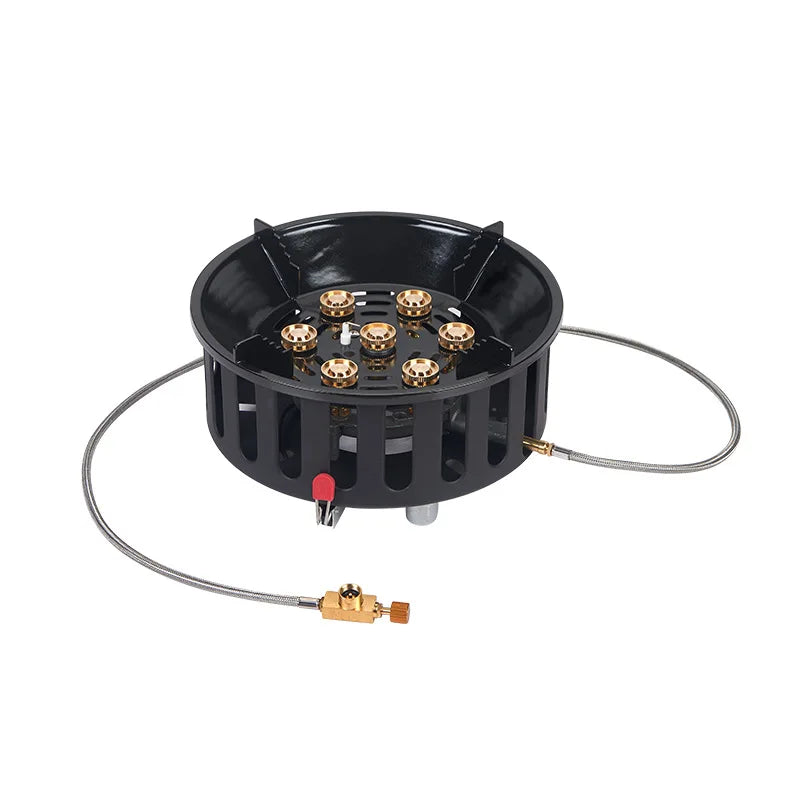
Electronic ignition camping stove delivering stable flame control during outdoor cooking — See it in action
Why Choose an Electronic Ignition Camping Stove?
- Lights quickly with a simple push of a button in most outdoor conditions.
- Reduces fuel waste caused by repeated ignition attempts.
- Makes cooking more convenient at dawn, dusk, or in poor weather.
- Eliminates the need to routinely carry matches or a lighter for normal operation.
- Offers a more user-friendly experience for beginners and experienced campers alike.
Electronic Ignition vs Manual Ignition: Clear Differences
| Feature | Electronic Ignition Camping Stove | Manual Ignition Stove |
|---|---|---|
| Start Time | Typically ignites with one button press | Requires a separate flame source and timing |
| Wind Resistance | Generally better when paired with a protected burner | More susceptible to wind during lighting |
| Fuel Efficiency | Less fuel wasted during startup | Repeated lighting attempts may consume more fuel |
| Ease of Use | Simple, beginner-friendly operation | Requires more coordination |
| Maintenance | Occasional cleaning of the igniter and burner | Fewer ignition components but depends on external lighting tools |
| Initial Cost | Usually slightly higher | Often more affordable |
How to Choose the Best Electronic Ignition Camping Stove
BTU vs real cooking performance
High BTU ratings indicate potential heat output, but they are only one part of overall performance. Burner efficiency, flame control, cookware compatibility, and wind resistance have a greater impact on everyday cooking than maximum power alone. The best camping stove with electronic ignition balances heat output with fuel efficiency and controllability.
Fuel compatibility (butane, propane, isobutane)
Select the fuel type based on your camping environment. Butane works well in mild weather, isobutane blends offer improved cold-weather performance, and propane delivers consistent pressure across a broad temperature range, making it popular for car camping and larger stoves.
Weight vs stability trade-offs
Ultralight backpacking stoves minimize pack weight but typically support smaller cookware. Heavier tabletop models provide greater stability for larger pots and frequent meal preparation, making them a better choice for families and group camping.
Ignition durability and backup options
Look for sturdy ignition components that are protected from dirt and impact. Even with a reliable built-in igniter, carrying a backup ignition source is a sensible safety practice. Following basic camping safety tips also helps ensure reliable outdoor cooking.
Price vs long-term value
Consider overall ownership costs instead of focusing only on the purchase price. A well-built electronic ignition camping stove with durable materials, dependable ignition performance, and available replacement parts often provides better long-term value than a cheaper model that requires more frequent repairs or replacement.
Who Benefits Most From an Electronic Ignition Camping Stove?
- Backpackers: Lightweight push-button ignition simplifies meal preparation without relying on matches or lighters.
- Car campers: Higher-output models provide convenient cooking for weekend trips and campground use.
- Families and group campers: Reliable ignition and stable flame control make preparing multiple meals faster and more consistent.
- Winter and shoulder-season campers: Quality ignition systems paired with the appropriate fuel help improve cold-weather cooking performance.
- First-time campers: Easy operation reduces the learning curve and builds confidence around camp cooking.
For lifestyle-focused outdoor setups, pairing this stove with gear from the Lifestyle collection helps create a seamless experience.
Explore a high-power option here: portable camping gas stove .
Reliable ignition can make outdoor cooking faster, simpler, and more enjoyable wherever you camp.
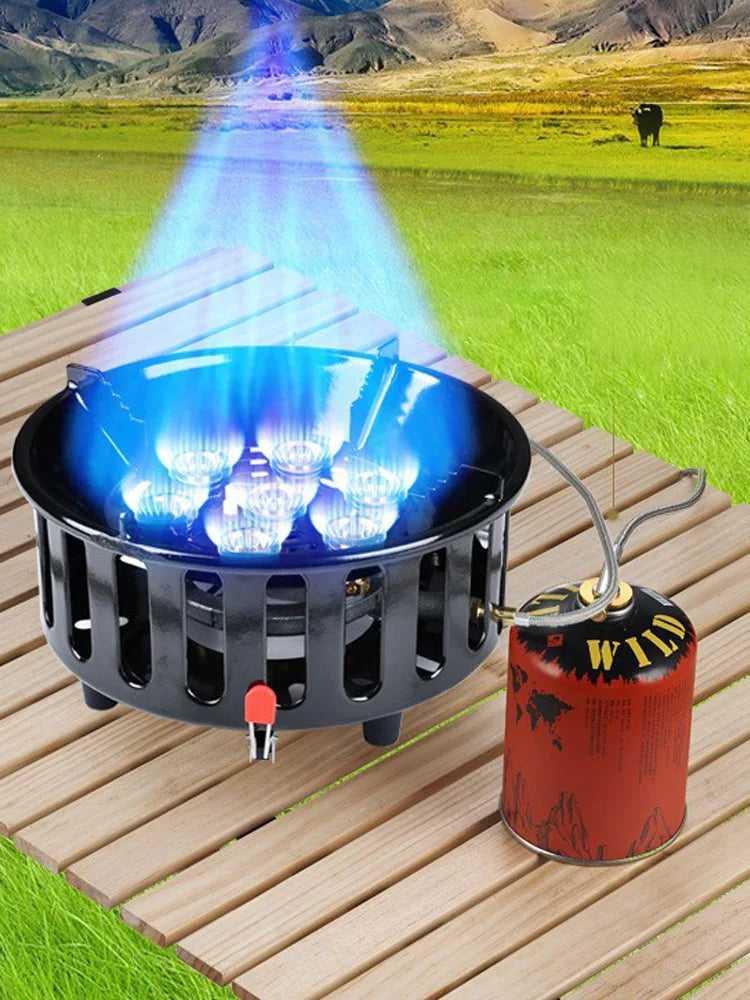
Portable electronic ignition camping stove for outdoor camping stoves — See it in action
Frequently Asked Questions
Is an electronic ignition camping stove safe?
Yes. When used correctly, an electronic ignition camping stove provides a controlled spark directly at the burner, helping reduce delayed ignition and minimizing the need for an external flame source. Always follow the manufacturer's operating instructions and use the stove in a well-ventilated outdoor area.
How does an electronic ignition camping stove work?
Most models use a piezoelectric igniter that creates a high-voltage spark when the ignition button is pressed. The spark ignites the fuel-air mixture at the burner, producing a stable cooking flame within seconds.
Why is my camping stove ignition not clicking?
A missing clicking sound may indicate dirt around the igniter, a misaligned electrode, a loose connection, or—on battery-assisted models—a depleted battery. Cleaning and inspecting the ignition components often resolves the problem.
Can I light a camping stove without the ignition button?
Yes. If the built-in igniter fails, many camping stoves can be lit using a suitable external ignition source, provided you follow the manufacturer's lighting procedure and use appropriate caution.
Can electronic ignition fail in cold weather?
The ignition mechanism itself generally remains reliable, but cold temperatures can reduce fuel pressure inside the canister. Using an appropriate fuel blend and protecting the stove from strong wind helps improve cold-weather performance.
Does electronic ignition require maintenance?
Yes, but maintenance is minimal. Regularly cleaning the burner and ignition electrode, checking fuel connections, and storing the stove in a dry environment will help maintain reliable performance.
What fuel works best with electronic ignition camping stoves?
The best fuel depends on your intended use. Isobutane-propane blends are a versatile choice for backpacking and cooler temperatures, while propane is well suited to larger camp stoves that prioritize consistent performance.
Find the right electronic ignition camping stove for your next adventure.













