

Do electronically heated gloves really keep hands warm on long cold rides?
Yes, electronically heated gloves can significantly improve warmth during long cold rides by using built-in heating elements powered by rechargeable batteries. Unlike traditional winter gloves that only trap existing body heat, heated gloves actively generate warmth across key areas such as the fingers, fingertips, and back of the hand. This makes them especially useful for riders who experience numb hands, reduced grip control, or discomfort during extended exposure to freezing temperatures.
Best Heated Gloves for Cold Weather: Reviews & Buying Guide
Struggling with numb fingers during winter rides or extreme cold? This expert-tested guide to the best heated gloves for cold weather explains how to compare heating performance, battery life, insulation, and comfort features—helping you choose the right pair for reliable warmth and better control in harsh conditions.
Electronically heated gloves are becoming an essential piece of cold-weather gear for riders who need consistent hand warmth without sacrificing dexterity. If you have experienced frozen fingers, poor handlebar control, or heated gloves that fail when temperatures drop, understanding the technology behind rechargeable heated gloves can help you make a smarter choice. This guide examines how heating systems work, what affects real-world performance, and which features matter most for long winter rides.
⏱ 5 min read
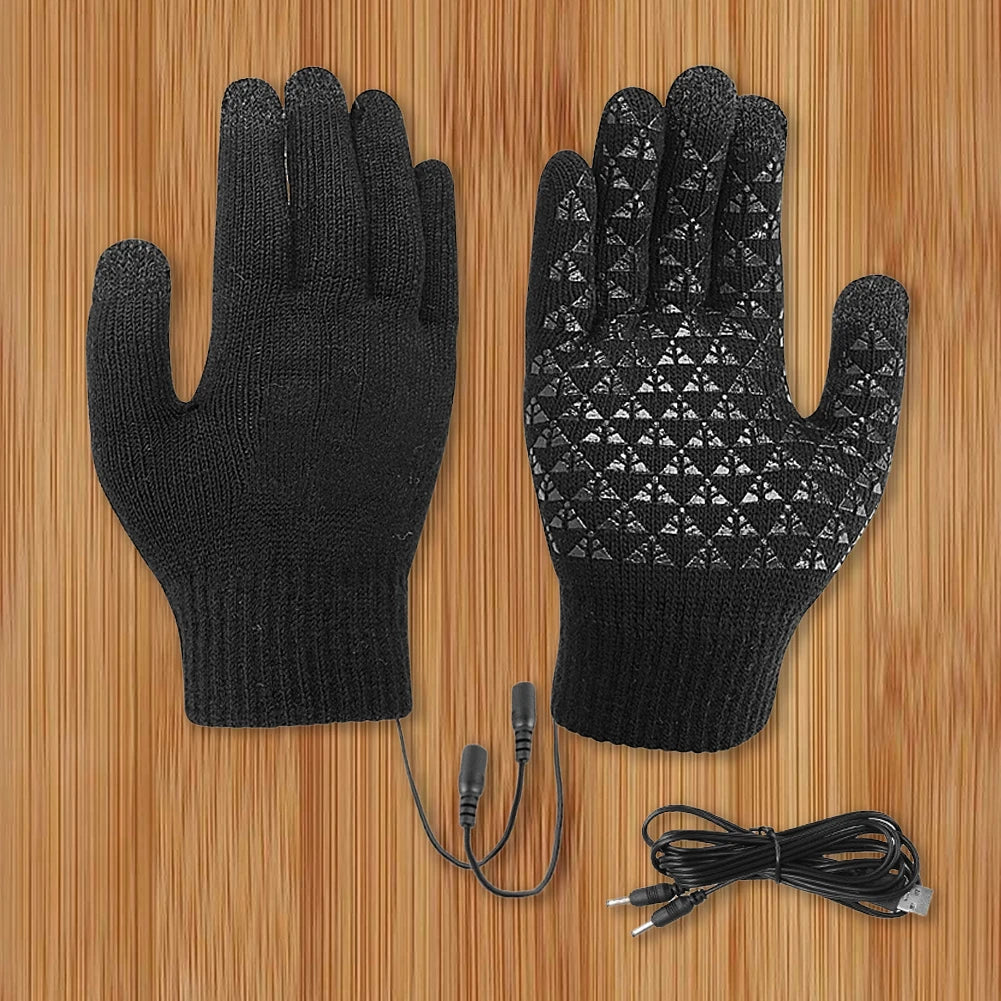
Electronically heated gloves in real riding conditions — See it in action
Why Hands Go Numb in Cold Weather
Cold exposure affects hand comfort and control because low temperatures, wind chill, and constant vibration can reduce circulation to the fingers. During long rides, the body naturally prioritizes keeping the core warm, which can leave hands feeling colder and less responsive.
Traditional insulated gloves help slow heat loss, but they cannot create additional warmth once your hands become chilled. For riders spending hours outdoors, especially in winter conditions, gloves for numb hands in cold weather need to provide more than insulation alone—they need active heat support.
Heated gloves are especially beneficial for:
- Motorcycle and touring riders traveling in freezing temperatures
- Commuters exposed to cold wind for extended periods
- Outdoor enthusiasts who need reliable finger movement and grip control
- Anyone who struggles with cold-sensitive hands during winter activities
How Heated Gloves Work
Rechargeable heated gloves combine electrical heating technology with protective outer materials to create a warmer environment around your hands. Instead of depending only on trapped body heat, these gloves use battery-powered heating systems to actively produce warmth where it is needed most.
Heating Elements
Most modern heated gloves use flexible carbon fiber heating elements or conductive heating panels positioned around high-loss areas such as the fingertips, fingers, and back of the hand. These heating zones are designed to distribute warmth evenly while allowing enough flexibility for gripping handlebars or performing outdoor tasks.
- Finger and fingertip heating zones for improved comfort
- Back-of-hand heating panels for broader warmth coverage
- Flexible materials that maintain mobility during use
Rechargeable Battery Systems
Rechargeable heated gloves typically use lithium-ion battery packs that provide power for several hours depending on temperature settings, battery capacity, and outdoor conditions. Better battery systems regulate power delivery more consistently, helping prevent uneven heating or sudden temperature drops.
When choosing rechargeable heated gloves, consider battery capacity, charging time, removable battery availability, and performance in cold temperatures. Batteries naturally lose efficiency in extreme cold, so insulated battery compartments can help maintain longer runtime.
Insulation and Waterproofing
Heating technology works best when combined with proper insulation and weather protection. A heated glove still needs quality materials to prevent heat from escaping through wind, snow, or moisture.
- Wind-resistant outer shells reduce heat loss during riding
- Thermal liners help retain warmth generated by heating elements
- Water-resistant membranes protect internal electronics from moisture
- Reinforced palms improve durability and grip performance
Heat Settings Explained
Most heated gloves include multiple temperature settings so users can adjust warmth based on weather conditions and activity level. Lower settings help conserve battery during mild cold, while higher settings provide additional heat during freezing temperatures.
| Heat Setting | Typical Use | Best Conditions |
|---|---|---|
| Low | Battery-saving warmth | Cool weather and short rides |
| Medium | Balanced warmth and runtime | Cold commuting and touring |
| High | Maximum heat output | Freezing temperatures and extreme cold |
The best performance comes from combining active heating with proper insulation, allowing heated gloves to maintain comfortable temperatures without relying entirely on maximum battery power.
Battery Life and Charging Performance
Battery performance is one of the most important factors when choosing rechargeable heated gloves. A strong heating system is only useful if the batteries can maintain consistent power throughout a ride. Modern battery heated gloves use improved lithium-ion power systems and temperature controls to deliver more stable heat output, reducing uneven warmth between hands.
Runtime by Heat Setting
Battery runtime depends on the selected heat level, outside temperature, wind exposure, and battery capacity. Lower settings extend operating time, while higher settings provide stronger warmth for freezing conditions but consume power faster.
| Heat Setting | Average Runtime | Best Use Case |
|---|---|---|
| Low | 6–8 hours | Cool weather rides and extended battery conservation |
| Medium | 4–5 hours | Cold highway cruising and daily winter commuting |
| High | 2–3 hours | Freezing temperatures and extreme cold exposure |
For most riders, medium heat provides the best balance between warmth and battery life during long-distance trips. Starting on a higher setting to warm cold hands and then lowering the temperature can also help maximize runtime.
Charging Times
Most rechargeable heated gloves require several hours to fully recharge, depending on battery capacity and charger output. Riders planning full-day trips should charge batteries before departure and consider carrying spare batteries when longer operating time is needed.
- Charge batteries fully before extended winter rides
- Avoid storing batteries completely empty for long periods
- Use the manufacturer-approved charger for safer charging
- Check battery condition regularly before cold-weather use
Replacement Batteries
Battery lifespan can affect the overall value of heated gloves. Many quality models use removable battery packs, allowing users to replace aging batteries instead of replacing the entire glove system.
When comparing rechargeable heated gloves, look for accessible replacement batteries, reliable connectors, and protective battery compartments that help maintain performance in cold environments.
Cold-Weather Battery Performance
Cold temperatures can reduce lithium-ion battery efficiency, causing shorter runtime than expected. Keeping batteries insulated inside dedicated compartments or under protective layers helps maintain more consistent power during winter rides.
Heated Gloves vs Traditional Winter Gloves
Traditional winter gloves depend on insulation to slow heat loss, while heated gloves actively generate warmth through battery-powered heating elements. For short outdoor activities, insulated gloves may be sufficient, but riders spending hours in cold conditions often benefit from the consistent heat provided by electronically heated gloves.
- Warmth consistency: Heated gloves maintain active warmth, while traditional gloves gradually lose effectiveness as body heat decreases.
- Dexterity and control: Heated gloves can reduce the need for thick insulating layers, helping riders maintain better grip and finger movement.
- Weather adaptability: Adjustable heat settings allow users to respond to changing temperatures during a ride.
- Long-distance comfort: Heated designs are better suited for extended exposure, touring, and winter commuting.
| Feature | Traditional Winter Gloves | Electronically Heated Gloves |
|---|---|---|
| Active Heat Generation | ❌ No | ✅ Yes |
| Cold Protection Over Time | ❌ Gradually decreases | ✅ Maintains warmth with battery power |
| Finger Mobility | ❌ Often requires thicker insulation | ✅ Designed for improved flexibility |
| Long Ride Comfort | ❌ Limited in extreme cold | ✅ Built for extended winter use |
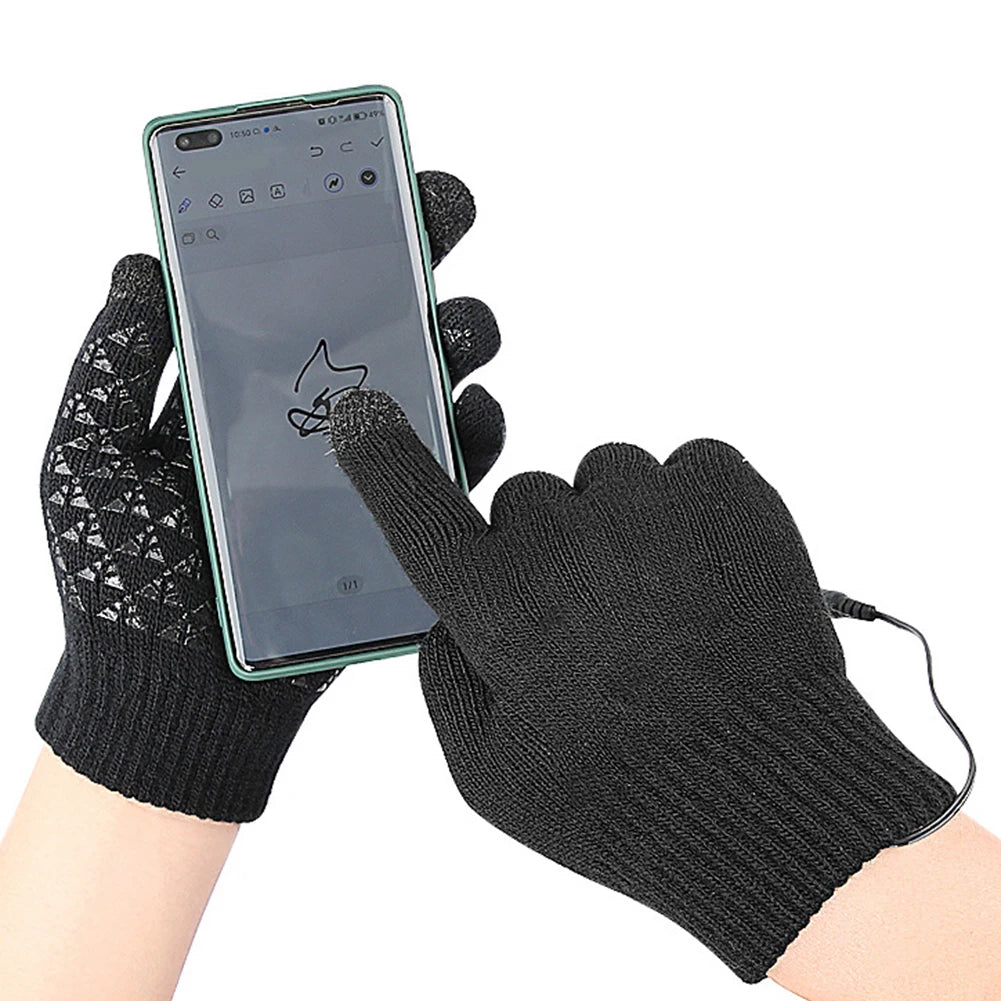
Rechargeable heated gloves compared during winter rides — See it in action
Why Are My Heated Gloves Not Working?
When heated gloves stop producing warmth, the cause is usually related to battery problems, connection issues, damaged heating elements, or moisture exposure. Understanding these common failures can help extend glove lifespan and prevent unexpected cold hands during winter rides.
Battery Issues
Battery problems are one of the most common reasons heated gloves fail. A battery may appear fully charged but provide reduced runtime if it has aged, been stored incorrectly, or has been exposed to repeated freezing temperatures.
- Check that batteries are fully charged before each use
- Replace batteries that no longer maintain normal runtime
- Avoid leaving lithium-ion batteries unused for extended periods without charging
- Store batteries in a cool, dry location away from extreme temperatures
Connection Problems
Loose connectors, damaged cables, or poor contact between the battery and glove can interrupt power delivery. Before assuming the heating system is damaged, inspect all connection points and ensure battery packs are properly secured.
- Check battery connections before riding
- Inspect wiring for visible damage or wear
- Keep connectors clean and protected from moisture
Heating Element Faults
The heating elements inside electronically heated gloves are designed for repeated use, but excessive bending, impact, or moisture exposure may eventually affect performance. If one glove heats normally while the other remains cold, the issue may be isolated to that glove’s internal heating system.
Choosing gloves with reinforced heating zones and durable construction can reduce the risk of premature failure.
Maintenance Tips to Prevent Problems
Proper care helps maintain reliable performance and extend the life of heated gloves. Follow these practices:
- Choose water-resistant or waterproof designs for snow and wet conditions
- Follow manufacturer charging instructions
- Allow gloves to dry completely before storing
- Avoid folding or compressing gloves in ways that damage internal wiring
- Use batteries with proper safety certifications
Best Heated Gloves for Cold Weather: Top Picks
The best heated gloves depend on how and where you plan to use them. Riders facing freezing temperatures need maximum warmth and battery endurance, while commuters may prefer lighter options with efficient heating and easier everyday use.
Best Overall
The best overall heated gloves balance warmth, battery performance, comfort, and durability. Look for models with full-finger heating coverage, adjustable temperature controls, reliable batteries, and weather-resistant materials.
Best for: Riders who want dependable performance across changing winter conditions.
Pros:
- Balanced warmth and battery life
- Comfortable for extended use
- Suitable for multiple outdoor activities
Cons:
- Usually costs more than basic heated gloves
Best Heated Gloves for Extreme Cold
Heated gloves for extreme cold are designed for harsh environments where insulation alone is not enough. These models typically combine powerful heating zones with thicker insulation, wind protection, and durable outer materials.
Best for: Snowmobiling, winter touring, mountain activities, and below-freezing temperatures.
Pros:
- Maximum heat output
- Better protection against wind and cold exposure
- Designed for extended outdoor use
Cons:
- May feel bulkier than lightweight options
Best Heated Gloves for Motorcycle
Heated gloves for motorcycle riding prioritize grip control, wind resistance, and battery reliability. Riders should look for flexible palms, secure wrist closures, and heating coverage that protects fingers exposed to airflow.
Best for: Motorcycle commuters, touring riders, and long highway trips.
Pros:
- Improves comfort during long rides
- Helps maintain finger movement and grip control
- Built for cold wind exposure
Cons:
- Premium motorcycle-focused models may have higher prices
Best Rechargeable Heated Gloves
Rechargeable heated gloves offer convenience with removable battery packs and adjustable heat levels. They are a practical choice for users who need flexible warmth for commuting, outdoor work, or recreational activities.
Best for: Users who need reusable battery-powered warmth throughout the day.
Pros:
- Adjustable temperature settings
- Rechargeable battery convenience
- Suitable for repeated winter use
Cons:
- Battery runtime depends on temperature settings and weather conditions
Sizing, Fit and Buying Guide
Choosing the right fit is essential when buying heated gloves for cold weather. A glove that is too tight can restrict movement and reduce comfort, while an oversized glove may create gaps that allow heat to escape. The ideal fit should provide enough room for insulation and battery-powered heating components while maintaining finger control.
Choosing the Right Size
Measure your hand according to the manufacturer’s sizing chart, paying attention to both palm width and finger length. Riders should be able to fully close their hand around handlebars without excessive pressure or restricted movement.
- Choose a snug fit that does not compress your fingers
- Leave enough space for natural hand movement
- Avoid oversized gloves that allow cold air to enter
- Consider whether you will wear thin liner gloves underneath
Activity-Based Recommendations
The best heated gloves depend on how you plan to use them. Different activities require different balances between warmth, flexibility, and durability.
- Motorcycle riding: Prioritize wind resistance, grip control, reinforced palms, and long battery runtime.
- Winter commuting: Look for lightweight designs with comfortable daily wear features.
- Outdoor work: Choose durable materials, strong insulation, and reliable heating performance.
- Skiing and snow activities: Focus on waterproof protection and maximum warmth.
Features Worth Paying For
Not every heated glove feature provides the same value. Investing in the right features can improve comfort, durability, and long-term performance.
- Multiple heat settings for changing weather conditions
- Rechargeable batteries with dependable runtime
- Water-resistant construction to protect internal electronics
- Heating coverage across fingers and back of the hand
- Touchscreen-compatible fingertips for convenience
- Reinforced palm materials for riding and outdoor use
Climate Considerations
Your local weather conditions should influence the type of heated gloves you choose. Mild winter climates may only require moderate heating and lighter insulation, while riders facing freezing temperatures need stronger batteries, better waterproofing, and higher heat output.
For extreme cold, prioritize heated gloves designed for maximum insulation and extended runtime. For shorter rides or moderate temperatures, a lighter rechargeable option may provide better comfort and flexibility.
Frequently Asked Questions
Do heated gloves really work in below-freezing temperatures?
Yes. Quality heated gloves can provide noticeable warmth in below-freezing conditions by using battery-powered heating elements combined with insulation and weather protection. For extreme cold, selecting higher heat settings and properly insulated designs provides better performance.
What are the best heated gloves for motorcycle riding?
The best heated gloves for motorcycle riding should combine strong heating coverage, wind resistance, flexible grip, durable palms, and enough battery life for the length of your ride.
How long do rechargeable heated gloves last on one charge?
Most rechargeable heated gloves provide approximately 2–8 hours of runtime depending on battery capacity, heat setting, outside temperature, and riding conditions. Lower settings typically provide longer battery life.
Why are my heated gloves not working?
Common causes include depleted batteries, loose connections, damaged wiring, moisture exposure, or worn heating elements. Checking battery condition and connections is usually the first troubleshooting step.
Are electric heated gloves safe in wet or snowy weather?
Many heated gloves are designed with water-resistant materials and protected electrical components for winter use. However, users should avoid wearing damaged gloves or exposing electronic components to excessive moisture.
Can heated gloves help numb hands in cold weather?
Yes. Heated gloves can help reduce discomfort from cold hands by providing consistent warmth during exposure to low temperatures. They are especially useful for riders who experience numb fingers during long winter trips.
How long do heated gloves typically last before replacement?
With proper maintenance, high-quality heated gloves can often last several years. Battery condition, frequency of use, charging habits, and exposure to moisture all influence overall lifespan.
Are replacement batteries available for most heated gloves?
Many rechargeable heated gloves use removable battery packs that can be replaced when performance declines. Checking battery availability before purchasing can help extend the useful life of the gloves.
Electric Heated Gloves Safety Tips
- Use certified lithium-ion batteries with built-in protection systems
- Avoid using gloves with damaged wiring, batteries, or heating components
- Keep batteries dry and follow proper charging instructions
- Store gloves and batteries correctly between seasons
Related Guide: USB Rechargeable Heated Gloves Review After Real Winter Use













