

Do Heated Gloves and Battery Powered Gloves Mean the Same Thing?
Yes—most heated gloves are battery powered, so the terms can be confusing. The important difference is usually how the gloves generate and receive power . Rechargeable heated gloves use built-in electric heating elements powered by rechargeable batteries, while other battery powered heated gloves may rely on disposable batteries or disposable chemical heat packs. Understanding this distinction helps you compare heat output, runtime, convenience, cost, and long-term value more accurately.
Heated Gloves vs Battery Powered Gloves: Key Differences, Pros & Which Should You Choose?
⏱ 7 min read — Cold hands can quickly make winter commuting, outdoor work, cycling, motorcycling, skiing, and other activities uncomfortable. But when comparing heated gloves vs battery powered gloves, the terminology can make the choice confusing. This guide explains how different heating systems work, compares rechargeable and disposable power options, and shows which type makes the most sense for different winter activities.
Heated Gloves vs Battery Powered Gloves: What's the Difference?
The phrase heated gloves vs battery powered gloves is often used as though these are two completely separate categories. In reality, many electric heated gloves are battery powered. The more useful comparison is between different power systems.
Rechargeable heated gloves use integrated heating elements connected to rechargeable battery packs, commonly lithium-ion batteries. They are designed for repeated use and usually offer multiple heat settings.
Disposable battery heated gloves may use replaceable batteries to power electric heating elements, while some non-electric warming gloves use disposable chemical heat packs. These options can be convenient for occasional use but typically offer less control or create recurring replacement costs.
In practical terms, the best comparison is usually rechargeable heated gloves vs disposable battery gloves . Rechargeable systems generally offer more consistent temperature control and better long-term value, while disposable options can be useful when you want simple, occasional warmth without recharging.
Heated Gloves vs Battery Powered Gloves: Quick Comparison Table
| Feature | Rechargeable Heated Gloves | Disposable Battery or Heat-Pack Gloves |
|---|---|---|
| Heating method | Electric heating elements powered by rechargeable batteries | Replaceable batteries or disposable chemical heat packs, depending on the design |
| Heat control | Usually multiple adjustable heat levels | Often limited or unavailable |
| Typical runtime | Approximately 2–8 hours depending on battery, setting, and conditions | Varies by battery or heat-pack type and may require replacement |
| Heat consistency | Generally more consistent while sufficient power remains | May decline as batteries or heat packs lose energy |
| Upfront cost | Usually higher | Usually lower |
| Long-term cost | Lower recurring cost after the initial purchase | Higher if batteries or heat packs are frequently replaced |
| Best for | Regular winter use, long outdoor exposure, sports, commuting, and outdoor work | Occasional use, short trips, and users who prioritize simple setup |
The right choice depends less on the label and more on how often you use the gloves, how cold your environment is, how long you stay outdoors, and whether adjustable heat is important to you.
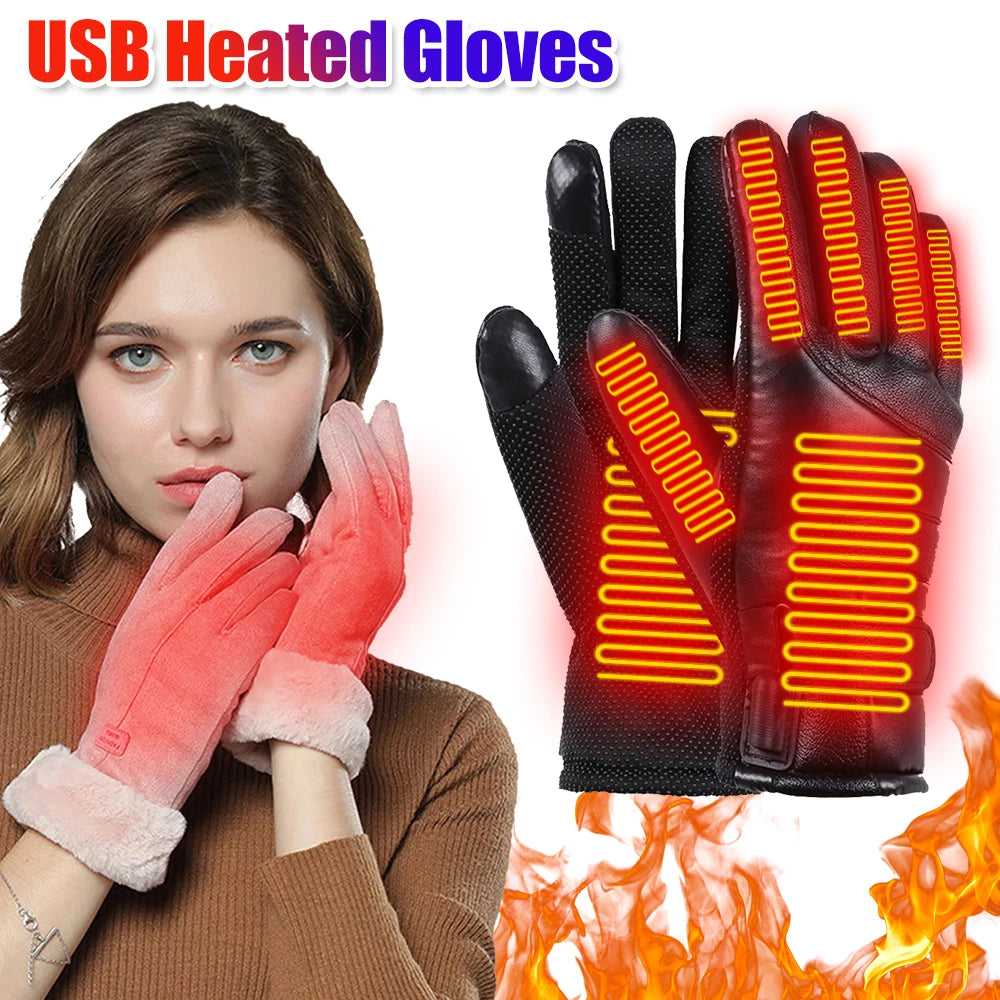
Electronically heated gloves provide targeted warmth and modern control — See it in action
How Heated Gloves Work
Electric heated gloves use small heating elements built into the glove to generate warmth. These elements are commonly positioned across the back of the hand and along the fingers, although the exact heating layout varies by model.
Heating Elements
Heating elements convert electrical energy into heat. Carbon fiber, conductive fabric, and thin metal-wire systems are among the technologies used in heated gloves. The location and coverage of the heating elements matter because warming the fingers, back of the hand, or both can affect how evenly warmth is distributed.
Battery Chemistry and Power Delivery
Rechargeable heated gloves commonly use lithium-ion battery packs because they provide a useful balance of energy density, size, and rechargeability. Replaceable battery systems use disposable cells, while chemical heat packs generate warmth through a controlled chemical reaction rather than an electrical heating circuit.
Battery capacity, temperature setting, ambient temperature, and the condition of the battery all affect how long the heating system can operate. A higher-capacity battery may provide longer runtime, but it can also add weight or bulk.
Heat Settings
Many modern electric heated gloves offer low, medium, and high settings. Adjustable heat allows you to use less power when the weather is cool and increase warmth when temperatures drop or your hands become cold.
- Heat can often be adjusted for changing weather conditions.
- Electric heating can provide warmth without relying entirely on thick insulation.
- Rechargeable systems can be used repeatedly throughout the winter.
- Heat output depends on battery charge and the selected setting.
Safety Systems
Quality heated gloves may include features such as temperature regulation, protective circuitry, and battery management systems. These features help control power delivery and reduce the risk of excessive heat during normal use. Always follow the manufacturer's instructions and use the specified battery and charger.
Rechargeable Heated Gloves vs Disposable Battery Gloves
Runtime
Rechargeable heated gloves commonly provide several hours of warmth per charge, with runtime varying significantly by heat setting and battery capacity. Disposable battery systems can also provide extended use, but the total runtime depends on the battery type and how often the heating system operates.
For frequent winter use, the ability to recharge the same battery pack can be more convenient than repeatedly purchasing replacement batteries or heat packs.
Charging Convenience
Rechargeable gloves require planning. You need to charge the batteries before use, particularly before a long ride, work shift, or day on the slopes. However, once charged, the same battery pack can be used repeatedly.
Disposable systems do not require charging, which can be useful for occasional users or situations where access to a charger is limited. The tradeoff is the need to keep replacement batteries or heat packs available.
Replacement Costs
Rechargeable heated gloves typically cost more at the beginning because they include heating elements, battery packs, and charging hardware. Over time, however, the cost per use can be lower because the same system can be recharged repeatedly.
Disposable battery gloves may have a lower purchase price, but frequent users can spend more over a season on replacement batteries or single-use heat packs.
Environmental Impact
Reusable rechargeable batteries can reduce the number of disposable batteries or single-use heat packs used over time. Batteries should always be recycled or disposed of according to local requirements rather than placed in ordinary household waste.
Best for frequent users: Rechargeable heated gloves generally offer better convenience and long-term value.
Best for occasional users: Disposable systems may be practical when you only need warmth a few times each season.
Key Differences Between Heated Gloves Types
Heat Output & Coverage
One of the biggest differences between heated gloves types is how warmth is distributed. A glove with heating elements across the fingers and back of the hand may provide more comprehensive coverage than a glove relying on a single localized heat source or a disposable heat pack.
However, heat coverage is only one part of performance. Insulation, wind protection, glove fit, and moisture resistance also determine how effectively the warmth is retained.
Battery Life & Runtime
Heated gloves battery life commonly ranges from approximately 2 to 8 hours, depending on the battery and heat setting. High heat usually consumes energy faster than low heat. Cold temperatures can also reduce the practical performance of rechargeable batteries.
When comparing models, consider the runtime you actually need rather than choosing solely by the highest advertised number.
Comfort & Dexterity
Heating components and batteries can add weight and bulk. A well-designed glove balances warmth with flexibility so you can grip handlebars, ski poles, tools, or everyday objects comfortably.
Look for flexible materials, an appropriate fit, and enough room for natural finger movement. A glove that is too tight can feel restrictive, while excessive internal space may reduce dexterity and warmth retention.
Waterproofing & Durability
Winter gloves need more than heating technology. Wind, snow, rain, and moisture can quickly reduce comfort. A water-resistant or waterproof outer material can help protect the hands and internal components, but the exact level of protection varies by product.
Check the manufacturer's care instructions and never assume that a heated glove is fully waterproof simply because it is marketed for winter use.
Long-Term Value
Rechargeable heated gloves generally make more financial sense for people who use them frequently. Occasional users may prefer a lower initial cost and the simplicity of disposable power or heat packs.
The most cost-effective option depends on total usage, battery replacement needs, charging convenience, and how long you expect to keep the gloves.
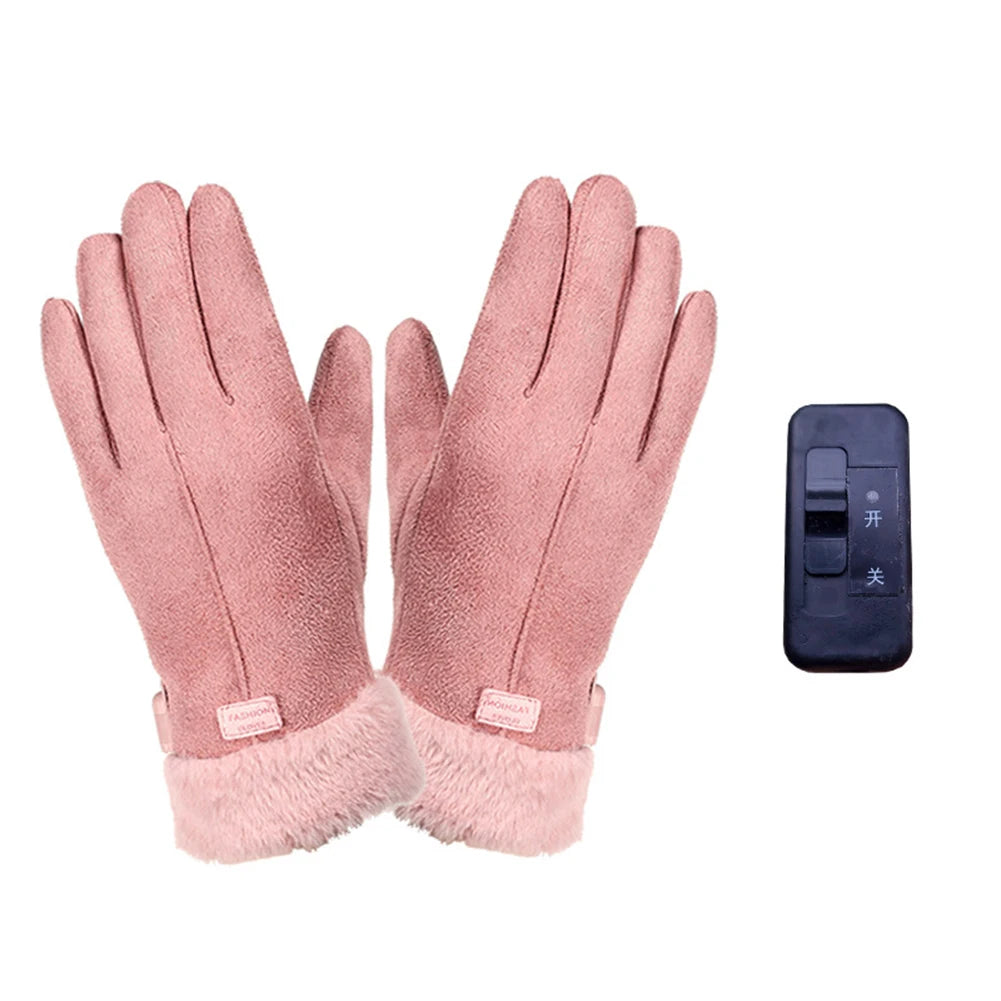
Side-by-side warmth and comfort comparison — See it in action
Which Type Is Best for Your Activity?
Cycling
For winter cycling, rechargeable electric gloves are often the more practical choice for regular riders. Adjustable heat can help manage changing conditions, while longer runtime can be useful for extended rides and commutes. Look for flexible construction, wind protection, and enough dexterity to operate controls safely.
Motorcycling
Motorcyclists face continuous wind exposure, which can make hands feel cold even when the air temperature is not extremely low. Heated gloves can provide a useful active heat source, but they should still offer appropriate protection, a secure fit, and compatibility with the rider's motorcycle gear.
Skiing & Snowboarding
Rechargeable heated gloves can be useful for long days in cold, snowy conditions because adjustable heat allows warmth to be changed as activity levels and temperatures change. Water resistance, insulation, grip, and battery runtime are especially important for snow sports.
Outdoor Work
Workers who spend hours outdoors may benefit from rechargeable heated gloves because they can be used repeatedly and provide adjustable warmth throughout the day. Durability, battery runtime, weather protection, and the ability to handle tools should be prioritized over heat output alone.
Raynaud's & Poor Circulation
Some people with cold-sensitive hands or circulation-related conditions may find heated gloves helpful for maintaining warmth. However, heated gloves are not a treatment for an underlying medical condition. People with Raynaud's syndrome or other circulation concerns should ask a qualified healthcare professional whether heated products are appropriate for their individual situation and follow the product's safety instructions carefully.
Pros and Cons of Each Option
Rechargeable Heated Gloves
- Pros: Adjustable heat, reusable batteries, consistent electric warmth, and strong long-term value for frequent users.
- Cons: Higher upfront cost, requires charging, and battery performance can vary in very cold conditions.
Disposable Battery Heated Gloves
- Pros: Simple to use, lower initial cost, and no charging routine for users who rely on replaceable batteries or heat packs.
- Cons: Recurring replacement costs, more waste, and potentially less control over heat output.
Battery Lifespan, Charging Time & Replacement Costs
Battery performance is an important part of a battery powered heated gloves comparison. The total cost and convenience of a glove depend not only on how long one charge lasts but also on how long the battery remains usable over repeated charging cycles.
Rechargeable battery lifespan varies by battery chemistry, usage, storage, charging habits, and product quality. Over time, rechargeable batteries may hold less charge and eventually need replacement. Replacement batteries should match the specifications recommended by the manufacturer.
Charging time also varies. Some battery packs may take several hours to reach a full charge, while faster systems may require less time. Check the manufacturer's specifications rather than assuming that all heated glove batteries charge at the same rate.
- Charge cycles: Rechargeable batteries gradually experience wear as they are repeatedly charged and discharged.
- Charging duration: Plan ahead if you need the gloves for a full day outdoors.
- Replacement batteries: Use compatible batteries designed for the specific glove system.
- Long-term ownership: Frequent users may save money by recharging rather than repeatedly buying disposable power sources.
For extended outdoor activities, carrying a compatible spare battery can be more useful than relying on maximum heat continuously, since higher settings typically reduce runtime.
Are Heated Gloves Safe?
Are heated gloves safe? Generally, they are designed for safe everyday use when used according to the manufacturer's instructions. However, safety depends on the condition of the glove, battery, wiring, charger, and heating system.
- Electrical safety: Do not use damaged batteries, exposed wiring, or visibly damaged charging equipment.
- Water resistance: Follow the product's instructions for snow, rain, washing, and moisture exposure. Water resistance does not necessarily mean the gloves can be submerged.
- Overheating protection: Quality products may use temperature regulation or protective circuitry to help manage heat output.
- Safe charging: Use the supplied or manufacturer-approved charger and follow charging instructions.
- Inspection: Stop using the gloves if the battery, wiring, or heating components show signs of damage.
People with reduced sensitivity to heat should take extra care when using heated products because they may not notice excessive warmth as quickly. If you have a medical condition affecting circulation or sensation, ask a healthcare professional for personalized guidance.
Heated Gloves Buying Guide: What to Look For
Insulation
Heating elements work alongside insulation rather than replacing it. Look for materials that help retain warmth while remaining flexible enough for your activity.
Battery Capacity
Battery capacity affects potential runtime, but a larger capacity does not automatically mean better performance. Compare capacity with the manufacturer's stated runtime and consider whether you need several hours of continuous use or only occasional bursts of heat.
Fit & Dexterity
A good fit should provide warmth without excessively restricting finger movement. Consider how much grip and control your activity requires, especially for cycling, motorcycling, skiing, or outdoor work.
Waterproof Rating
For snow and wet weather, check the product's stated water-resistance or waterproofing specifications. Also review care instructions because washing or drying the gloves incorrectly can damage electrical components.
Warranty
A warranty can provide additional confidence when buying a product that includes batteries and electronic heating components. Compare the warranty period and what it covers before purchasing.
Other useful features may include touchscreen-compatible fingertips, adjustable heat levels, flexible cuffs, secure battery compartments, and removable battery packs.
One popular option is the USB Heated Gloves , praised for balanced warmth, easy charging, and comfortable fit during daily winter use.
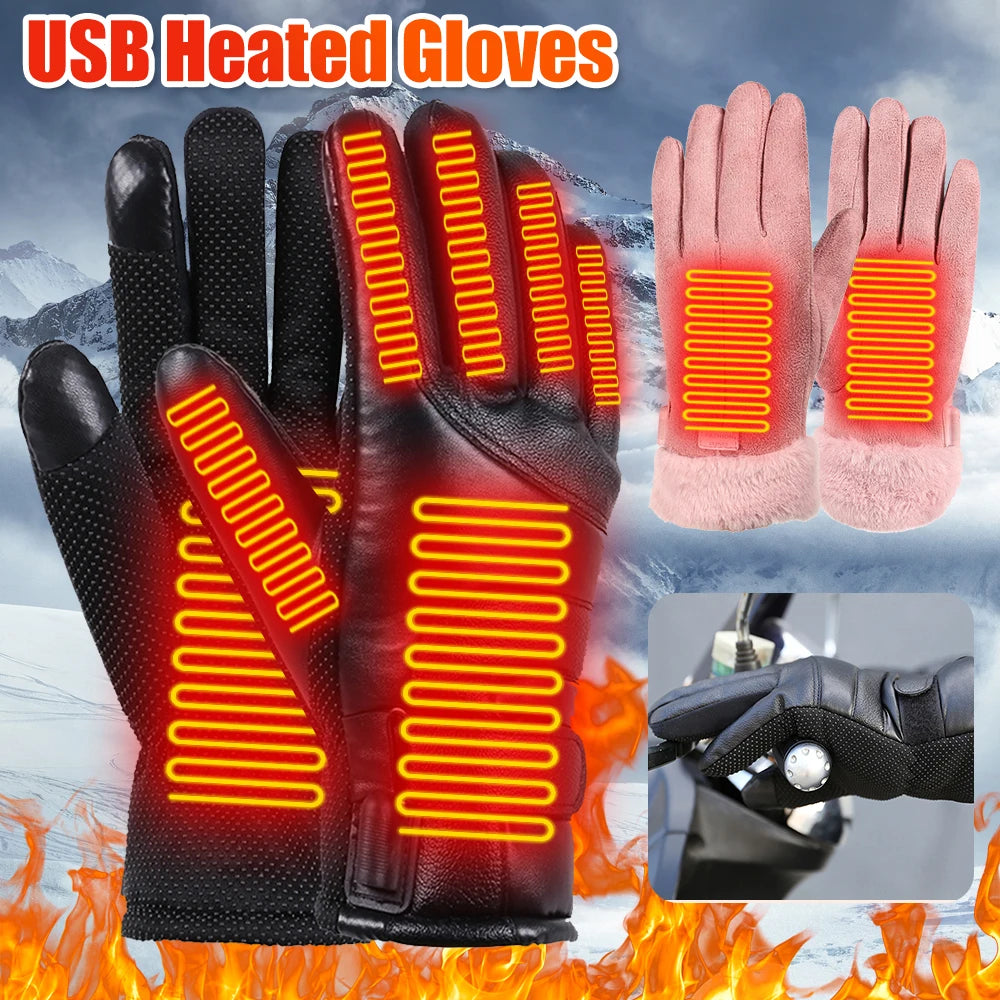
Modern rechargeable warmth designed for everyday confidence — See it in action
Frequently Asked Questions
Are heated gloves and battery powered gloves the same thing?
Not always, but the terms overlap. Most electric heated gloves are battery powered. The key distinction is usually between rechargeable battery systems, replaceable disposable batteries, and non-electric chemical heat packs.
Do rechargeable heated gloves last longer than disposable battery models?
It depends on the specific product and battery. A single charge may last for several hours, while disposable systems may require replacement batteries or heat packs after their usable energy is depleted. Rechargeable gloves generally offer better long-term reusability.
How long does a heated glove battery typically last?
Heated gloves battery life commonly ranges from approximately 2 to 8 hours per charge, depending on battery capacity, heat setting, temperature, and usage conditions. High heat usually reduces runtime.
Can heated gloves be used in wet snow or rain?
Some heated gloves are designed to resist snow and moisture, but the level of protection varies. Check the manufacturer's water-resistance specifications and care instructions, and do not assume that water-resistant gloves are fully waterproof or safe to submerge.
Which heated gloves are best for cycling or motorcycling?
The best heated gloves for cycling or motorcycling combine adjustable warmth with good dexterity, wind protection, appropriate weather resistance, and enough battery runtime for the planned ride. Motorcycle riders should also prioritize gloves that fit safely with their protective gear.
Are heated gloves safe for people with Raynaud's syndrome?
Some people with Raynaud's syndrome may find heated gloves helpful for maintaining warmth, but heated gloves do not treat the condition. Anyone with Raynaud's or another circulation-related condition should ask a qualified healthcare professional whether heated products are appropriate for their situation.
Is it worth buying rechargeable heated gloves?
Rechargeable heated gloves are often worth considering if you use them frequently, spend long periods outdoors, or want adjustable warmth. Occasional users may prefer disposable batteries or heat packs because of their lower initial cost and simple setup.
Related Guide: Heated Ski Gloves Compared: Best Options for Winter













