

Car Emergency Kit List: What should be in a vehicle emergency kit?
A complete car emergency kit list should include vehicle repair tools, safety equipment, first aid supplies, food and water, visibility gear, and seasonal items designed for unexpected roadside situations. The best emergency kit for a car depends on factors such as your vehicle type, driving environment, location, weather conditions, and how often you take short trips or long-distance journeys.
For faster preparation, organize your vehicle emergency kit list into these essential categories:
- Vehicle safety and repair: Jumper cables or a portable jump starter, tire repair tools, flashlight, and basic tools for minor roadside issues.
- Health and comfort: First aid supplies, water, snacks, blankets, and extra clothing layers.
- Visibility and communication: Warning triangles, reflective gear, phone chargers, and backup power supplies.
- Seasonal protection: Winter or summer items that help handle extreme temperatures and changing road conditions.
A well-prepared car emergency kit helps drivers respond quickly, stay safer while waiting for assistance, and manage common problems such as dead batteries, flat tires, unexpected delays, and severe weather conditions.
Car Emergency Kit List: Essentials, Seasonal Items, and Optional Gear
⏱ 5 min read — Being prepared on the road can save time, reduce stress, and improve safety during unexpected situations such as breakdowns, dead batteries, accidents, or extreme weather. This guide provides a complete car emergency kit list, including must-have essentials, seasonal upgrades, and optional tools for added confidence.
Roadside emergencies can happen anywhere, from a busy parking lot to a remote highway. A flat tire, weak battery, sudden storm, or long traffic delay can quickly become stressful when you do not have the right supplies nearby. Keeping a properly organized emergency kit for your car allows you to handle common problems more confidently and protect yourself and your passengers until help arrives.
Lifestyle
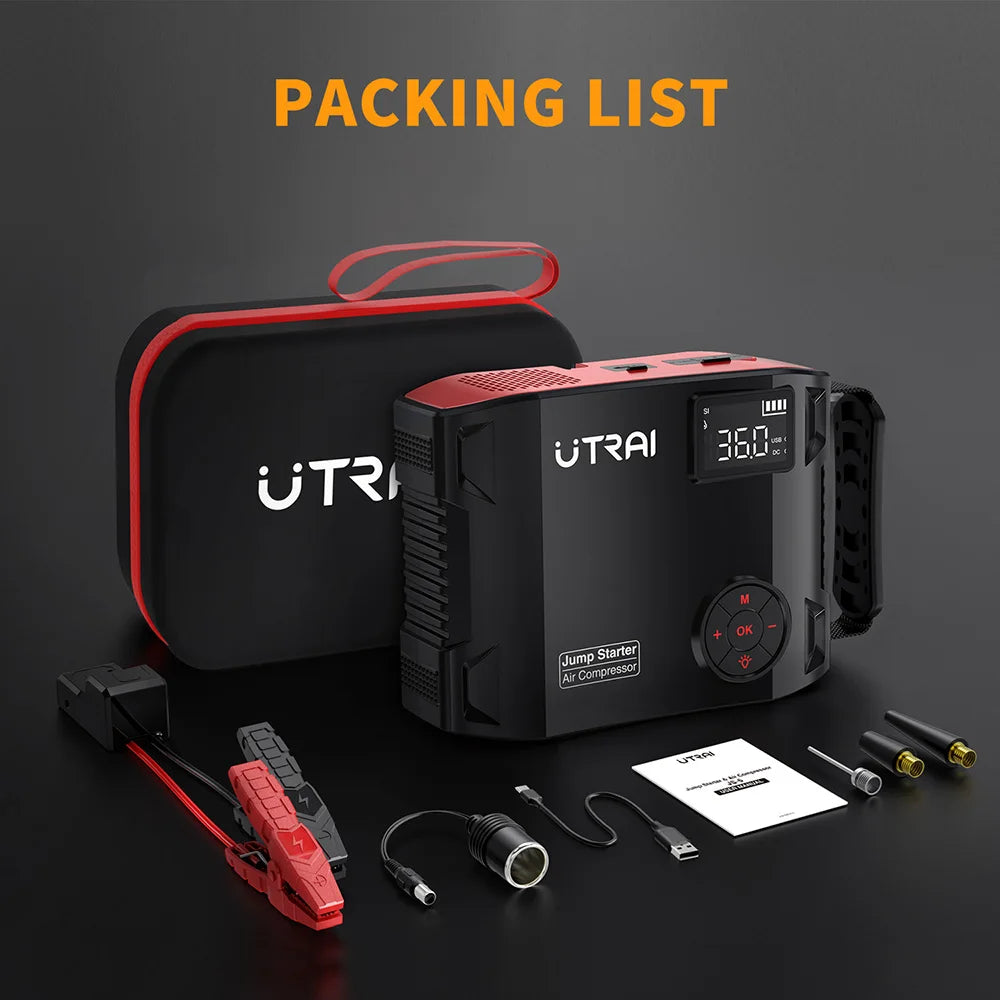
A complete car emergency kit helps you stay ready for unexpected roadside situations — See it in action
Why a Car Emergency Kit Is Critical for Safety
A car emergency kit provides immediate access to essential supplies that can help you respond during breakdowns, accidents, weather delays, and other unexpected roadside situations. Instead of waiting unprepared for roadside assistance, having the right equipment allows you to improve visibility, communicate effectively, perform basic repairs, and protect your health and comfort.
Common situations where car emergency kit essentials make a difference include:
- Vehicle breakdowns: Tools such as a portable jump starter, flashlight, and basic repair supplies can help resolve minor problems or keep you safe while waiting for help.
- Flat tires or roadside repairs: Tire tools, warning equipment, and visibility gear help you manage problems safely away from moving traffic.
- Severe weather delays: Blankets, water, extra clothing, and seasonal supplies provide protection during unexpected temperature changes or long waits.
- Remote travel situations: Communication tools, backup power, and emergency supplies become especially important when assistance may take longer to arrive.
A roadside emergency kit for your car reduces preparation time during stressful moments and improves safety for both drivers and passengers. The goal is not to carry every possible survival item, but to keep practical emergency supplies for car problems that are most likely to happen during everyday driving.
Car Emergency Kit Essentials (Must-Have Items)
The most important items for a car emergency kit are supplies that help you stay safe, solve common roadside problems, and remain comfortable while waiting for assistance. A basic car emergency kit checklist should focus on practical equipment for vehicle issues, personal safety, communication, and unexpected delays rather than unnecessary survival gear.
Vehicle Safety and Repair Tools
Vehicle-related tools are the foundation of any vehicle emergency kit list because many roadside problems involve simple issues that can be managed with the right equipment. These items help you perform basic fixes or make your vehicle safer while waiting for professional assistance.
- Portable jump starter or jumper cables: A dead battery is one of the most common roadside problems. A portable jump starter can help restart your vehicle without needing another car nearby.
- Tire repair kit and portable inflator: These tools can temporarily address minor tire issues and help maintain tire pressure until you reach a repair location.
- Basic toolkit: Screwdrivers, pliers, wrenches, and other compact tools are useful for simple adjustments or emergency repairs.
- Flashlight with extra batteries: Reliable lighting is essential for nighttime breakdowns, checking vehicle problems, or making yourself visible on the roadside.
- Reflective warning triangles or safety cones: Visibility equipment helps alert other drivers and creates a safer area around your vehicle.
Explore the portable jump starter kit
First Aid and Medical Supplies
Minor injuries can happen during roadside situations, from small cuts while handling equipment to unexpected health issues during travel. Keeping basic medical supplies in your car allows you to provide immediate care until additional help is available.
- First aid kit: Include bandages, antiseptic wipes, medical tape, gauze, and other basic supplies for minor injuries.
- Necessary medications: Keep any personal medications you may need during longer trips or unexpected delays.
- Emergency blankets: Thermal blankets help retain body heat and provide extra comfort during cold weather or extended waiting periods.
Food, Water, and Comfort Essentials
Breakdowns and road closures can leave drivers waiting longer than expected. Food, water, and comfort supplies help maintain energy and reduce stress, especially when traveling with passengers or driving in remote areas.
- Bottled water or hydration supplies: Water is one of the most important emergency supplies for car travel, particularly during hot weather or long delays.
- Non-perishable snacks: Energy bars, nuts, and other shelf-stable foods provide quick energy without requiring preparation.
- Extra clothing layers: Gloves, hats, jackets, and spare layers help protect against changing temperatures.
- Hand warmers and rain protection: These items provide additional comfort during cold, wet, or unpredictable weather conditions.
Visibility and Communication Supplies
Staying visible and maintaining communication are essential parts of a complete car emergency kit list. These supplies help other drivers notice your vehicle and allow you to contact assistance when needed.
- Reflective vest or high-visibility clothing: Makes you easier to see when inspecting your vehicle near traffic.
- Portable power bank or car charger: Keeps your phone available for emergency calls, navigation, and updates.
- Emergency contact information: Store important numbers offline in case your phone battery runs out or service is unavailable.
- Backup lighting: Extra batteries or a secondary light source provide reliability during nighttime emergencies.
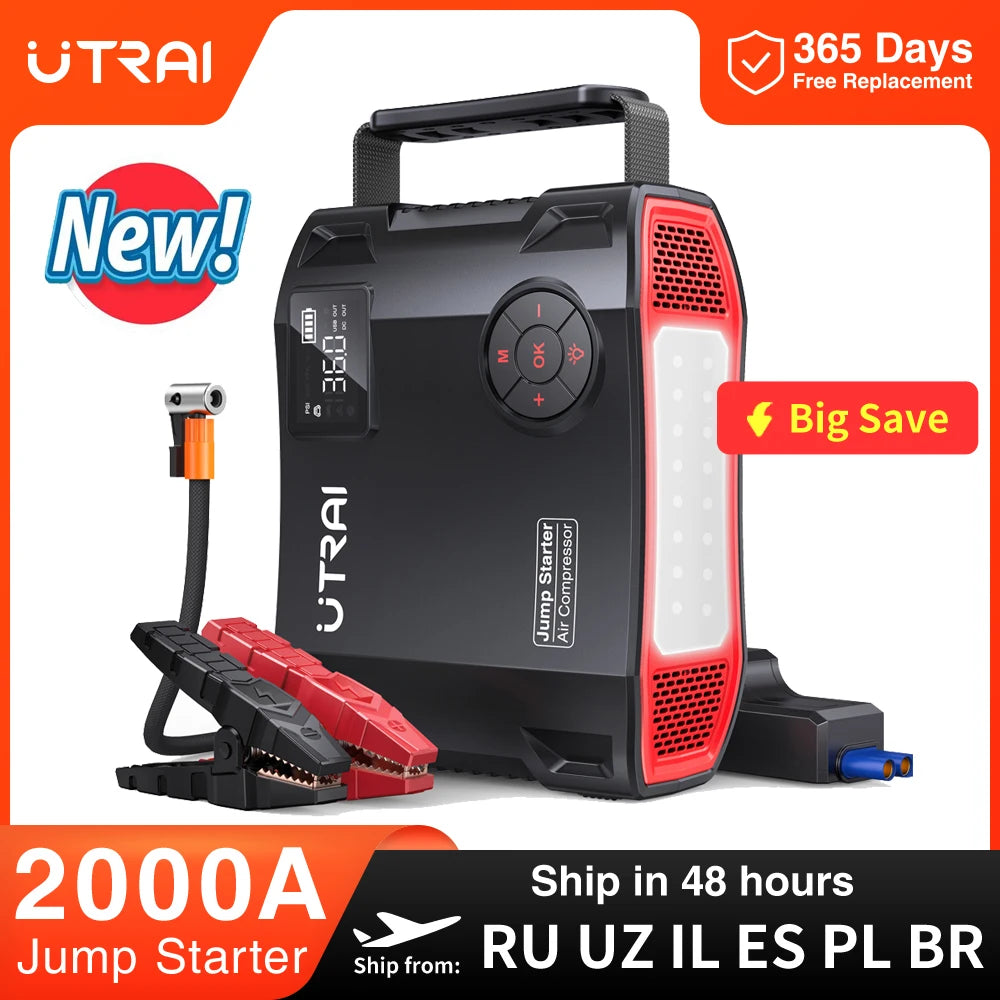
Compact emergency tools improve readiness during roadside situations — See it in action
Seasonal Additions: Winter and Summer Car Emergency Kits
The best car emergency kits list changes depending on the season and driving conditions. Extreme temperatures create different risks, so adding weather-specific supplies helps you prepare for cold-weather hazards, heat exposure, and unexpected delays.
Winter Car Emergency Kit List
Winter driving can create challenges such as icy roads, reduced visibility, freezing temperatures, and longer wait times for roadside assistance. A winter car emergency kit list should prioritize warmth, traction, and safe vehicle access.
- Ice scraper and snow brush: Remove snow and ice from windows and mirrors to improve visibility before driving.
- Traction aids: Sand, cat litter, or similar materials can provide additional grip if tires lose traction on slippery surfaces.
- Thermal blankets and extra gloves: Help maintain warmth during cold-weather breakdowns or delays.
- Hand warmers: Provide quick warmth when temperatures drop during roadside repairs.
- High-calorie snacks and extra water: Support longer waits during winter storms or road closures.
Summer Car Emergency Kit List
Hot weather creates different concerns, including dehydration, heat exposure, and vehicle stress caused by high temperatures. Summer emergency supplies for car travel should focus on hydration, cooling, and sun protection.
- Extra water supplies: Help prevent dehydration during hot weather emergencies or extended delays.
- Sunshade and sun protection: Reduce heat buildup inside the vehicle and protect against sun exposure.
- Cooling packs or wet wipes: Provide quick relief when temperatures rise.
- Portable fan: Offers additional airflow when waiting in a stationary vehicle.
- Sunscreen and sunglasses: Help protect against prolonged sun exposure during roadside situations.
Optional and Advanced Emergency Gear
Optional upgrades can make a car emergency kit more effective for specific driving situations, but they should complement—not replace—the essential supplies every driver needs. The best emergency car kits list depends on factors such as trip length, driving location, climate, vehicle type, and how far you typically travel from immediate assistance.
Safety and Survival Upgrades
These additional tools provide extra protection during serious roadside situations, especially when traveling through remote areas or locations with limited support. They are most useful for drivers who frequently take long trips, drive alone, or travel in challenging environments.
- Portable air compressor: Helps restore tire pressure after a slow leak or low-pressure warning, allowing you to reach a repair location more safely.
- Seatbelt cutter and window breaker: Provides an emergency escape option if a vehicle door cannot be opened after an accident.
- Fire extinguisher: A compact automotive-rated extinguisher can help respond quickly to small vehicle fires before they spread.
- Multi-tool: A compact tool with multiple functions can assist with minor adjustments and basic roadside tasks.
Technology and Communication Tools
Modern technology can improve communication and navigation when dealing with unexpected delays. These tools are especially valuable for long-distance drivers, families, and anyone traveling through areas with limited mobile coverage.
- Power bank for mobile devices: Keeps phones charged for emergency calls, navigation, and contacting roadside assistance.
- Car charger adapter: Provides a convenient backup charging option during everyday driving and emergencies.
- Emergency contact list stored offline: Ensures important phone numbers remain available even if your device loses power or connection.
- GPS device or offline maps: Helps with navigation when traveling in areas with weak cellular coverage.
- Emergency radio: Provides access to weather alerts and important updates during major storms or extended outages.
How to Pack and Store Your Car Emergency Kit for Quick Access
Proper storage is just as important as choosing the right car emergency kit essentials. A well-packed kit allows you to find important supplies quickly during stressful situations while keeping your vehicle organized and safe.
Use a durable waterproof container, storage box, or weather-resistant bag to protect supplies from moisture, dirt, and temperature changes. Group similar items together and label compartments so you can locate tools, medical supplies, and comfort items without searching through the entire kit.
- Keep frequently needed items accessible: Store flashlights, warning equipment, chargers, and first aid supplies where they can be reached quickly.
- Use labeled compartments: Separate repair tools, medical items, food supplies, and seasonal gear for faster identification.
- Choose the right storage location: The trunk works well for larger kits, while smaller emergency items can be stored under seats or in door compartments.
- Consider your vehicle type: SUVs, trucks, sedans, and EVs may require different storage approaches based on available space and equipment needs.
- Avoid overpacking: A practical kit that is organized and easy to access is more useful than an oversized collection of items you cannot quickly find.
Printable Car Emergency Kit Checklist (Downloadable PDF)
Use this basic car emergency kit checklist to confirm that your supplies are complete before your next trip. Reviewing your equipment regularly helps ensure every item is available and in working condition when an unexpected roadside emergency occurs.
Essential Items
- Portable jump starter or jumper cables
- Tire repair kit and portable inflator
- Basic hand tools
- Flashlight with spare batteries
- Reflective warning triangles or safety cones
- First aid kit
- Emergency blanket
- Bottled water and non-perishable snacks
- Phone charger or power bank
Seasonal Additions
- Winter: Ice scraper, snow brush, traction aid, gloves, hand warmers, and extra blankets.
- Summer: Extra drinking water, sunscreen, cooling towels or wet wipes, portable fan, and windshield sunshade.
Optional Upgrades
- Portable air compressor
- Automotive fire extinguisher
- Seatbelt cutter and window breaker
- Emergency radio
- Offline maps or dedicated GPS device
Travel-Specific Variations
- Family travel: Baby supplies, diapers, formula, wipes, children's snacks, and comfort items.
- EV and hybrid vehicles: Charging adapters, charging network information, and route planning resources for longer trips.
- Long-distance or rural driving: Additional water, extra food, spare flashlight batteries, and backup communication devices.
Download your free checklist here .
Real-Life Scenarios Where a Car Emergency Kit Saves You
Breakdown on a Remote Road
If your vehicle experiences a mechanical problem far from the nearest town, a roadside emergency kit for your car provides the supplies needed to stay visible, remain comfortable, and communicate while waiting for assistance. Water, snacks, emergency blankets, warning triangles, and backup power can make extended waits much safer.
Flat Tire Without Immediate Help
A flat tire at night or in an unfamiliar location can be stressful. Reflective warning equipment improves visibility for passing traffic, while a flashlight, tire repair tools, or portable air compressor may help you manage the situation until professional assistance becomes available.
Winter Weather Delay
Snowstorms, icy roads, and highway closures can leave drivers stranded for hours. Thermal blankets, extra clothing, hand warmers, traction aids, and emergency food help maintain comfort and reduce the risks associated with prolonged exposure to freezing temperatures.
Medical Emergency While Traveling
Minor cuts, scrapes, or unexpected health concerns can occur during any trip. A stocked first aid kit, emergency blanket, drinking water, and essential medications allow you to provide immediate care while waiting for emergency responders if necessary.
Each of these situations highlights why a well-planned vehicle emergency kit list focuses on practical equipment that improves safety, supports basic problem-solving, and helps drivers stay prepared until help arrives.
Secure your emergency car jump starter
Ear Warmers Under Helmet: Best Low-Profile Options for Cycling, Running & Skiing
Cold ears can quickly turn an enjoyable winter ride, run, or day on the slopes into an uncomfortable experience. Bulky beanies often create pressure points beneath helmets, trap excess heat, and shift during movement, reducing both comfort and focus. In contrast, modern ear warmers headband under helmet designs provide targeted insulation with a slim profile that works naturally with cycling, ski, climbing, and running helmets. By combining wind resistance, moisture management, and stretch fabrics, today's lightweight ear warmers help keep your ears warm without compromising helmet fit or performance.
Whether you're searching for thin ear warmers for cycling helmet use, lightweight running headbands, or low-profile winter ear protection for skiing, choosing the right design can make long cold-weather sessions noticeably more comfortable while reducing wind chill and distracting adjustments.
Explore practical options designed for comfort, stability, and weather adaptability.

Lightweight ear warmers headband under helmet delivering cycling ear covers and running ear warmers performance. See it in action.
Why Low-Bulk Ear Protection Improves Winter Comfort and Performance
Low-profile ear warmers are designed to solve one of the biggest frustrations of winter sports: staying warm without affecting helmet comfort. Unlike thick knit hats that can alter helmet positioning or create uncomfortable pressure, streamlined ear warmers fit smoothly beneath most helmets while insulating the ears against cold wind.
Need light protection for cool mornings or maximum insulation for freezing rides? Understanding how different designs perform makes choosing the right option much easier.
Cold air becomes increasingly uncomfortable as speed increases. Cyclists experience stronger wind chill, skiers face sustained exposure on lifts and descents, while runners often deal with sweat cooling rapidly against exposed skin. A helmet-compatible ear warmer creates an insulating barrier that blocks wind yet allows excess heat and moisture to escape during intense activity.
Why Athletes Prefer Low-Profile Ear Warmers
- Reduce pressure points caused by bulky winter hats under helmets.
- Maintain a consistent helmet fit without compromising stability.
- Wick away perspiration to minimize sweat-related chills.
- Stay securely positioned during riding, running, skiing, and hiking.
- Require fewer mid-session adjustments, helping maintain focus.
For many endurance athletes, switching to a lightweight helmet-compatible headband provides a noticeable improvement in overall comfort, particularly during long winter workouts where consistent temperature regulation becomes increasingly important.
| Feature | Bulky Winter Hat | Low-Profile Ear Warmers Under Helmet |
|---|---|---|
| Helmet Compatibility | Often changes helmet fit and creates pressure | Designed to fit comfortably beneath cycling, running, ski, and climbing helmets |
| Moisture Management | Can retain sweat | Performance fabrics efficiently wick moisture |
| Stability During Movement | May shift or bunch up | Stretch construction stays securely in place |
| Temperature Regulation | May become excessively warm | Balances insulation with breathability for active use |













