

Does an energy efficient dryer really cut power use?
Yes. An energy efficient dryer can significantly reduce electricity consumption by using advanced heat recovery, improved airflow systems, moisture sensors, and smarter drying cycles. Modern heat pump dryers typically use around 30–50% less energy than traditional vented models, although drying times and upfront costs can vary.
For households that run multiple loads each week, better dryer efficiency can translate into noticeable annual savings. However, the best choice depends on your laundry volume, installation space, budget, and whether long-term energy savings matter more than the lowest purchase price.
Best Energy Efficient Dryer Comparison (2026): Cut Power Use & Lower Bills
This 2026 guide compares the most energy efficient clothes dryers based on electricity usage, drying performance, operating costs, and long-term value. Whether you need a low energy dryer for an apartment, a family-sized model, or the most efficient dryer for frequent laundry loads, this comparison helps you identify the right option.
⏱ 7 min read
High electricity bills, damp clothes after a full cycle, and overheated laundry rooms are common signs that your dryer may be wasting energy. Today’s
energy efficient dryer options
use better heat management, moisture detection, and smart controls to reduce wasted power while protecting fabrics.
Explore smarter drying solutions designed to reduce electricity waste and improve everyday laundry performance.
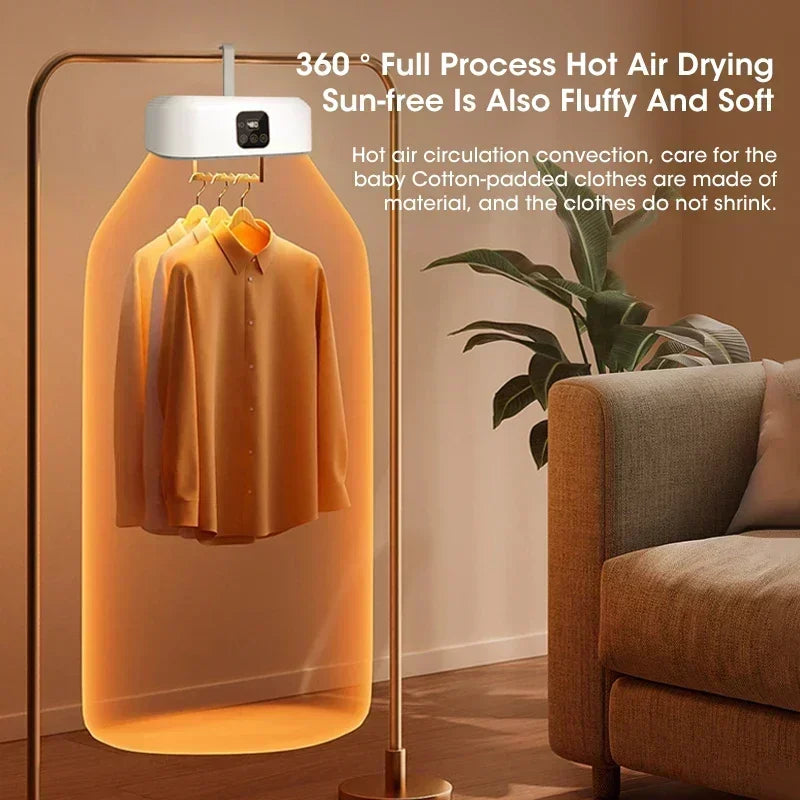
Energy efficient dryer overview – lower power use, improved drying results, and better fabric care.
Why Energy Efficient Dryers Matter More Than Ever
Dryers are among the highest energy-consuming laundry appliances, making energy efficient dryers an important upgrade for households looking to reduce monthly utility costs. As electricity prices continue increasing in 2026, choosing an inefficient dryer can result in hundreds of dollars in additional operating expenses over its lifetime.
A traditional vented dryer may consume approximately 3–4.5 kWh per cycle, while newer heat pump-based models can significantly reduce electricity demand by recycling heat instead of continuously generating new heat.
The benefits of switching to a more efficient dryer include:
- Lower electricity bills: Reduced energy consumption across hundreds of drying cycles.
- Less fabric damage: Lower-temperature drying helps protect delicate clothing.
- Better indoor comfort: Ventless designs reduce excess heat and humidity released into living spaces.
- Long-term savings: Higher upfront costs may be recovered through lower operating expenses.
- Reduced environmental impact: Using less electricity lowers overall household energy demand.
A low energy dryer is especially valuable for households that run laundry several times per week, families with children, and anyone trying to reduce appliance-related electricity costs.
How Do Energy Efficient Dryers Save Power?
The biggest difference between standard and efficient dryers comes from how they generate, reuse, and control heat. A modern energy efficient electric dryer does not simply apply more heat—it manages temperature, airflow, and moisture levels to remove water more effectively with less wasted energy.
Advanced dryer energy efficiency features focus on four key areas:
- Recovering and recycling heat instead of exhausting it.
- Automatically adjusting drying time based on moisture levels.
- Using smarter motors and compressors to match energy output with the load.
- Reducing unnecessary heating after clothes are already dry.
Heat Pump Technology
Heat pump technology is the leading innovation behind many of the most energy efficient clothes dryers . Instead of venting hot air after one use, heat pump systems capture and reuse heat throughout the drying cycle.
- Uses significantly less electricity than conventional vented dryers.
- Operates at lower temperatures to protect fabrics.
- Works well in apartments because many models do not require external venting.
- Provides better efficiency for frequent laundry schedules.
Moisture Sensors and Auto Shutoff
Moisture sensors improve efficiency by detecting when clothes have reached the desired dryness level. Instead of running a fixed-length cycle, the dryer automatically reduces or stops operation when additional heating is unnecessary.
- Prevents over-drying.
- Reduces wasted electricity.
- Helps protect fabrics from excessive heat exposure.
Variable-Speed Compressors and Smart Controls
Premium energy-saving dryers use variable-speed compressors, smart motors, and adaptive controls to adjust performance based on load size and fabric type.
These systems help balance drying speed and power consumption by avoiding unnecessary energy output for smaller or lighter loads.
ENERGY STAR Certification Explained
ENERGY STAR-certified dryers meet specific efficiency requirements designed to use less electricity than standard models while maintaining reliable performance. Certification can help shoppers identify appliances with improved energy performance, although operating costs still depend on usage habits, electricity rates, and dryer settings.
Look for features like heat pump systems, moisture sensors, and smart cycle optimization when comparing models.
Energy Efficient Dryer Types Compared (Heat Pump vs Condenser vs Vented)
Choosing between dryer types depends on more than energy usage. Installation requirements, drying speed, available space, and laundry volume all affect which energy efficient dryer options provide the best value.
Heat Pump Dryers
Heat pump dryers are generally considered the most efficient electric clothes dryer option because they reuse heat during the drying process.
- Energy use: Approximately 1.5–2.5 kWh per cycle.
- Best for: Frequent laundry, energy-conscious households, and long-term savings.
- Pros: Lowest electricity consumption, gentle drying temperatures, ventless installation options.
- Cons: Higher upfront price and often longer drying cycles.
Condenser Dryers
Condenser dryers collect moisture from warm air instead of exhausting it through an outdoor vent. They provide flexible installation but usually consume more energy than heat pump models.
- Energy use: Approximately 2–3.5 kWh per cycle.
- Best for: Homes that need flexible placement without vent installation.
- Pros: Easier installation and good everyday performance.
- Cons: Higher energy use compared with heat pump dryers.
Vented Dryers
Vented dryers remain popular because they are affordable and often dry clothes quickly, but they typically have the highest electricity consumption.
- Energy use: Approximately 3–4.5 kWh per cycle.
- Best for: Budget-focused buyers with existing vent connections.
- Pros: Fast drying speed and lower purchase cost.
- Cons: Higher ongoing electricity costs and more installation limitations.
Ventless vs Vented Installation
Ventless dryers, including heat pump and condenser models, are easier to install in apartments, condos, and smaller laundry rooms because they do not require an external exhaust duct.
Vented dryers may dry faster but require proper ventilation and can release heated air into the environment if the installation is inefficient.
Comparison: Most Energy Efficient Clothes Dryers
The best energy efficient dryers are not always the cheapest models upfront. A stronger comparison should consider electricity consumption, drying performance, capacity, maintenance needs, and long-term ownership value.
When evaluating the most efficient dryer , key factors include:
- Energy consumption: Lower kWh usage reduces monthly operating costs.
- Drying performance: Efficient models should remove moisture effectively without excessive cycles.
- Fabric protection: Lower-temperature systems help reduce heat damage.
- Household fit: The right dryer depends on laundry volume, available space, and installation requirements.
1. Heat Pump Dryer (Best Overall Efficiency)
Heat pump dryers are typically the top choice for buyers prioritizing electricity savings. By recycling warm air instead of releasing heat after each cycle, these models achieve some of the lowest energy consumption levels available.
- Energy use: Among the lowest of all dryer types.
- Best for: Families, frequent laundry users, and energy-conscious households.
- Key benefits: Maximum long-term savings, gentle drying temperatures, and improved fabric care.
- Considerations: Higher purchase price and longer cycle times compared with some vented dryers.
2. Hybrid Smart Dryer (Best for Connected Homes)
Hybrid smart dryers combine traditional drying systems with intelligent controls that optimize cycles based on load size, moisture levels, and fabric type.
- Energy use: Moderate to low depending on technology.
- Best for: Smart homes and users who want automated efficiency adjustments.
- Key benefits: Smart moisture detection, optimized drying programs, and reduced wasted operation time.
- Considerations: Advanced features may increase the initial cost.
3. Compact Energy-Saving Dryer (Best for Small Spaces)
Compact dryers are designed for apartments, condos, and smaller laundry areas where space efficiency matters as much as electricity savings.
- Energy use: Low compared with full-size traditional dryers.
- Best for: Apartment residents, couples, and smaller households.
- Key benefits: Space-saving design, efficient cycles, and flexible installation.
- Considerations: Smaller drum capacity may require more frequent loads.
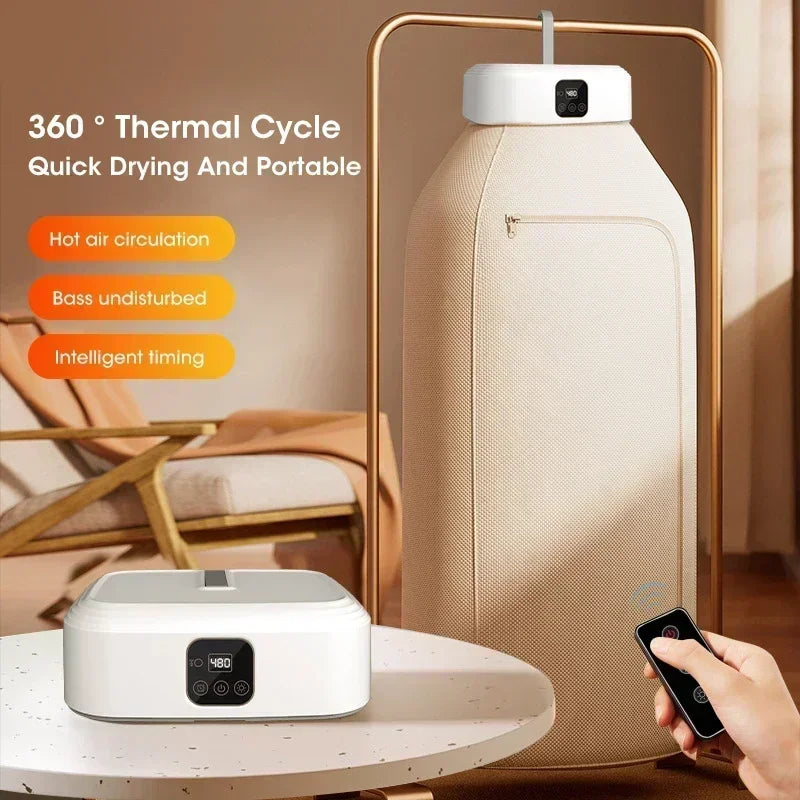
Comparing drying technologies helps identify the most energy efficient clothes dryers for different household needs.
Best Energy Efficient Dryers by Use Case
The right energy efficient dryer option depends on your household size, laundry frequency, available space, and budget. A model that works well for an apartment may not provide the capacity or savings needed for a large family.
Best for Apartments
For apartments and smaller homes, compact heat pump or condenser dryers are usually the most practical choices. These efficient dryers do not always require external venting, making installation easier in limited spaces.
- Choose compact capacity to avoid unnecessary energy use.
- Prioritize ventless designs when outdoor vent access is unavailable.
- Look for moisture sensors to prevent extended cycles.
Best for Large Families
Households with frequent laundry loads benefit most from high-capacity heat pump dryers. Although the initial investment may be higher, lower electricity consumption across hundreds of cycles can create significant long-term savings.
- Choose larger drum capacity to reduce the number of weekly cycles.
- Prioritize energy ratings over the lowest purchase price.
- Select models with automatic load adjustment for better efficiency.
Best Budget Energy-Saving Dryer
For shoppers focused on affordability, entry-level condenser dryers can provide a balance between installation flexibility and moderate energy efficiency.
- Lower upfront cost than premium heat pump models.
- Suitable for occasional laundry use.
- Better value when paired with energy-saving habits.
Best Premium Energy Efficient Dryer
Premium heat pump and smart dryers are designed for buyers who want maximum efficiency, advanced controls, and lower lifetime operating costs.
- Advanced moisture detection reduces unnecessary drying time.
- Smart programs improve energy management.
- Lower heat operation helps extend clothing lifespan.
True Cost of Ownership (Electricity + Maintenance + Lifespan)
The purchase price is only one part of evaluating dryer value. A truly power-saving dryer should be judged by total ownership cost, including electricity use, maintenance requirements, repairs, and expected lifespan.
A cheaper dryer may cost less initially but consume more electricity every year. In contrast, a more efficient model can reduce operating expenses enough to offset the higher purchase price over time.
- Electricity costs: The largest ongoing expense. Lower kWh consumption can create meaningful savings over thousands of drying cycles.
- Maintenance costs: Regular lint removal, airflow checks, and component cleaning help maintain dryer efficiency.
- Repair expectations: Models with reliable components and proper maintenance may avoid unnecessary service costs.
- Warranty coverage: Longer warranties can provide better protection for higher-priced appliances.
- Lifespan value: Lower operating stress from efficient heating systems may help support long-term performance.
For example, a heat pump dryer may require a larger upfront investment but can provide better lifetime value through reduced electricity consumption. The most cost-effective choice depends on how often you use your dryer and local electricity rates.
To keep any dryer operating efficiently, regular filter cleaning, proper loading, and maintaining good airflow are essential. Even the most efficient dryer can waste energy when airflow is restricted or maintenance is neglected.
How to Choose the Most Efficient Dryer
Selecting the most energy efficient clothes dryer requires more than choosing the model with the lowest advertised power usage. The best option depends on your laundry habits, available space, installation requirements, and long-term ownership goals.
Use this buying checklist to compare efficient dryers and find an energy efficient dryer that delivers the best balance of performance and operating cost.
Capacity
Dryer capacity should match your household’s laundry volume. A model that is too small may require more drying cycles, increasing total electricity use. A model that is too large may waste energy when running partially filled loads.
- Small households: Compact dryers work well for apartments, couples, or lighter laundry schedules.
- Medium households: Standard-capacity dryers provide a balance between efficiency and flexibility.
- Large families: High-capacity dryers can reduce the number of weekly cycles and improve overall energy savings.
Installation
Installation limitations can determine which dryer type is practical for your home. Ventless heat pump and condenser dryers provide more flexibility because they do not always require an external exhaust connection.
- Choose ventless models for apartments, condos, and rooms without outdoor vent access.
- Choose vented dryers when existing ventilation is available and fast drying is a priority.
- Check electrical requirements before purchasing to avoid installation problems.
Efficiency Ratings
Energy ratings help compare dryer performance, but they should be considered alongside real-world usage. Look at energy consumption per cycle, estimated annual operating costs, and available certifications when comparing models.
- Lower kWh per cycle usually means lower electricity costs.
- Heat pump systems typically provide the highest energy savings.
- ENERGY STAR certification can help identify models designed for improved efficiency.
Features Worth Paying For
Some features increase the purchase price but can improve efficiency and convenience over the life of the appliance.
- Moisture sensors: Prevent unnecessary drying once clothes are finished.
- Smart controls: Adjust cycles automatically to reduce wasted energy.
- Variable-speed compressors: Improve energy management in premium heat pump models.
- Low-temperature drying: Supports fabric protection while reducing power consumption.
For many households, investing in efficiency-focused features delivers better long-term value than choosing the lowest upfront price.
Energy Efficient Dryer FAQs
What is the most energy efficient dryer type?
Heat pump dryers are generally the most energy efficient dryer type because they recycle heat instead of continuously generating new heat. They can use significantly less electricity than traditional vented dryers while providing gentler drying performance.
Do heat pump dryers save enough to justify the cost?
For households that use a dryer frequently, heat pump models can justify their higher purchase price through lower electricity costs over time. The payback period depends on dryer usage, local electricity rates, and the difference in purchase price compared with standard models.
How much electricity does a dryer use per load?
Electricity use varies by dryer technology, load size, cycle settings, and efficiency features. Typical dryers may use approximately 1.5–4.5 kWh per cycle, with heat pump models generally using less energy than condenser and vented alternatives.
Are new dryers more energy efficient than older models?
Yes. Many new dryers include improved heat management, moisture sensors, smarter controls, and more efficient motors. These technologies allow newer models to reduce wasted energy compared with older appliances that rely on fixed heating cycles.
Does ENERGY STAR really lower electricity bills?
ENERGY STAR-certified dryers are designed to meet higher efficiency standards than many conventional models. While actual savings depend on usage patterns and electricity prices, choosing a certified model can help reduce operating costs over the appliance’s lifespan.
Which dryer technology uses the least electricity?
Heat pump technology typically uses the least electricity because it captures and reuses heat during the drying process. This makes heat pump dryers one of the best choices for households focused on reducing energy consumption.
Are heat pump dryers worth buying in 2026?
Heat pump dryers are worth considering in 2026 for buyers who prioritize lower energy bills, frequent laundry use, and long-term appliance value. They are especially useful in homes where electricity costs and efficiency are major concerns.
How much can an energy efficient dryer save each year?
Annual savings depend on dryer type, electricity rates, and usage frequency. Households running multiple loads each week may see greater savings because efficiency improvements are multiplied across hundreds of drying cycles.
Do larger dryers consume more electricity?
Larger dryers can consume more energy per cycle, but the relationship depends on efficiency and load management. A properly sized high-capacity dryer may use less total electricity if it reduces the number of weekly drying cycles.
What is the difference between ENERGY STAR and non-certified dryers?
ENERGY STAR dryers meet specific efficiency requirements designed to reduce electricity consumption compared with standard models. Non-certified dryers may still perform well, but certification provides an easier way to identify appliances designed with energy savings in mind.
How long does it take to recover the extra cost of a heat pump dryer?
The recovery period depends on the price difference between models, household laundry frequency, and local energy costs. Homes with frequent dryer use usually recover the additional investment faster because they benefit from savings on every cycle.
Which dryer is best for apartments?
Compact heat pump or ventless condenser dryers are often the best choices for apartments because they provide efficient drying without requiring traditional external vent installation.
How can I keep my dryer operating efficiently over time?
Regular maintenance helps preserve dryer efficiency. Clean lint filters after every load, keep airflow paths clear, follow manufacturer maintenance recommendations, and inspect components such as heat exchangers and moisture sensors when needed.
Related Guide: Best Electric Clothes Dryer Apartment Options Compared













