

Do energy efficient room heaters really lower heating bills?
Yes—an energy efficient room heater can reduce heating bills when it is used for zone heating instead of warming an entire home. The biggest savings come from heating occupied rooms only, selecting the correct heater size, using a built-in thermostat or ECO mode, and minimizing heat loss through drafts.
It's important to set realistic expectations. Electric resistance heaters convert nearly all of the electricity they consume into heat, so one heater isn't inherently more efficient than another at producing heat. The real difference comes from how effectively that heat is delivered , how well the thermostat manages runtime, and whether the heater matches your room size. Choosing the best energy saving heater means balancing efficiency, comfort, safety, and running costs for your specific space.
Energy Efficient Room Heater: Best Picks, Running Costs & Smart Ways to Save
Energy efficient room heaters are one of the fastest ways to reduce winter heating bills without sacrificing comfort. With the right setup, you can heat only the spaces you use and avoid wasting energy on empty rooms.
⏱ 7 min read
Quick Picks: Best Energy Efficient Room Heaters by Use Case
Best for small rooms
Compact ceramic heaters (500–1000W) warm bedrooms, home offices, and bathrooms quickly. They're ideal when you need fast heat for short periods.
Best for large rooms
Oil-filled radiators (1500W+) provide gentle, consistent warmth and continue releasing heat after switching off, making them efficient for longer heating sessions.
Best for offices
Personal ceramic heaters and infrared desk heaters focus warmth around your workstation instead of heating the entire room.
Best for bedrooms (quiet & overnight safe)
Oil-filled radiators and convection heaters with programmable thermostats, timers, tip-over protection, and overheat shutoff offer quiet overnight operation.
Best budget option
A basic ceramic heater with adjustable thermostat delivers excellent value for occasional use while keeping upfront costs low.
Best smart heater
Wi-Fi enabled smart heaters allow scheduling, remote temperature control, and energy monitoring, helping reduce unnecessary runtime.
How We Tested and Selected the Best Energy Efficient Room Heaters
Testing criteria
We evaluated heaters based on heat-up speed, temperature consistency, ease of use, noise level, room coverage, and overall energy management rather than marketing claims alone.
Efficiency scoring
Each heater type was assessed for how effectively it maintained comfortable temperatures with thermostat control, how well it matched recommended room sizes, and its estimated operating costs during typical daily use.
Safety evaluation
Preference was given to models offering overheat protection, tip-over shutoff, cool-touch exteriors, programmable timers, and recognized electrical safety certifications.
| Heater Type | Typical Wattage | Best Coverage | Estimated Running Cost* | Key Strength |
|---|---|---|---|---|
| Ceramic | 750–1500W | Small rooms | Low to medium | Fast heat-up |
| Oil-filled radiator | 1000–2000W | Medium to large rooms | Medium | Excellent heat retention |
| Infrared | 300–1200W | Spot heating | Very low for targeted use | Minimal wasted heat |
| Convection | 1000–2000W | Whole room | Medium | Even air temperature |
*Actual electricity cost depends on local energy prices, thermostat settings, and daily usage.
Tip: Lower wattage doesn't always mean lower operating costs. Choosing the correct heater size for your room usually saves more electricity than simply buying the smallest model.
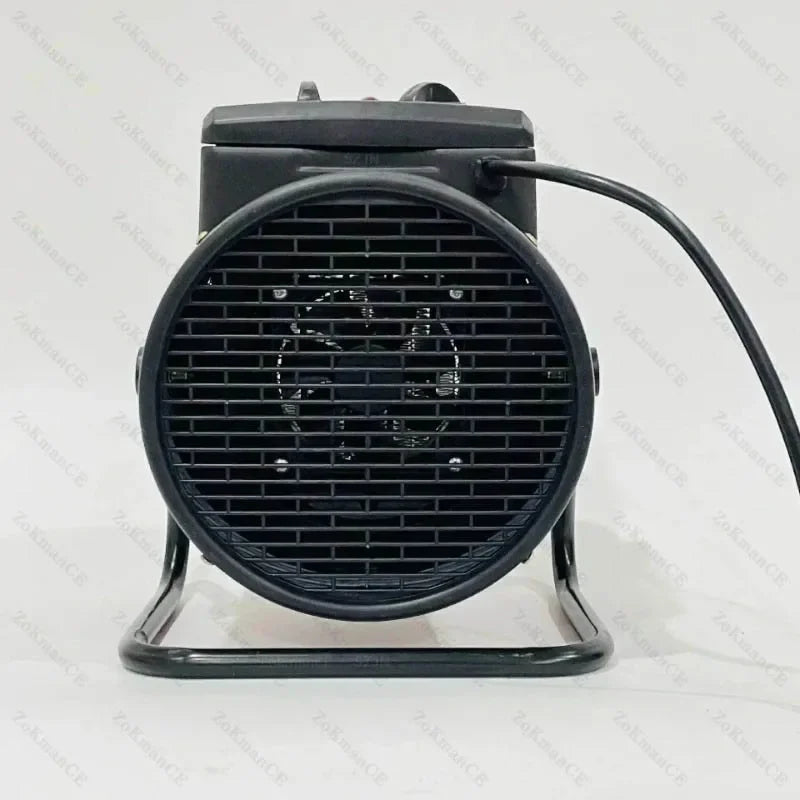
Energy efficient room heaters for targeted warmth See it in action
What Are Energy Efficient Room Heaters?
An energy efficient room heater is designed to provide comfortable warmth exactly where it's needed while minimizing unnecessary electricity consumption. Instead of heating an entire house, these heaters focus on occupied rooms to reduce wasted energy.
Key features that make them efficient
- Accurate electronic thermostats that reduce unnecessary runtime
- ECO modes that automatically adjust power output
- Programmable timers and scheduling
- Fast heat-up with consistent temperature control
- Proper sizing for the intended room
How room heaters work efficiently
Ceramic heaters warm air quickly, infrared heaters transfer heat directly to nearby people and objects, while oil-filled radiators store heat inside thermal oil and release it gradually for stable temperatures.
ECO mode and smart controls
ECO mode automatically lowers power once your target temperature is reached, helping reduce unnecessary cycling. Smart heaters go further by allowing scheduling, occupancy-based heating, and remote control through mobile apps.
Most Efficient Type of Space Heater (Ceramic vs Oil vs Infrared)
The most efficient type of space heater depends on how you plan to use it.
Ceramic heaters
Best for rapid heating in smaller rooms and short daily use. Their quick response makes them excellent for occasional heating.
Oil-filled radiators
Ideal for long heating sessions such as bedrooms and living rooms because retained heat reduces frequent power cycling.
Infrared heaters
Excellent for spot heating because they warm people and objects directly instead of heating all the surrounding air.
Which type is best by room
- Bedroom — Oil-filled radiator
- Small office — Ceramic heater
- Workshop or garage — Infrared heater
- Living room — Oil-filled or convection heater
How to Choose the Best Energy Saving Heater
What actually matters when choosing
- Room size and insulation quality
- Thermostat accuracy
- ECO mode and programmable timer
- Safety certifications
- Noise level
Wattage vs room size chart
- Up to 10 m²: 500–1000W
- 10–20 m²: 1000–1500W
- 20+ m²: 1500–2000W
Low electricity consumption heaters explained
Low electricity consumption heaters are most effective when properly matched to room size. A heater that's too small runs constantly, while an oversized model cycles unnecessarily.
A portable electric heater ceramic option is especially popular because it combines rapid heating with precise thermostat control.
Who should buy each heater type
- Ceramic — apartments, bedrooms, offices
- Oil-filled radiator — families needing quiet overnight warmth
- Infrared — workshops, garages, covered patios, desk heating
- Convection — consistently occupied living spaces
Real Running Costs: How Much Does a Heater Cost Per Hour?
Running costs depend on heater wattage, local electricity rates, thermostat settings, insulation quality, and daily operating time.
Monthly cost examples
- 500W heater used 5 hours/day — lowest monthly operating cost
- 1000W heater used 5 hours/day — moderate monthly cost
- 1500W heater used 5 hours/day — highest electricity use but suitable for larger spaces
What affects electricity use
- Outdoor temperatures
- Room insulation
- Desired indoor temperature
- Thermostat cycling
- Daily operating schedule
Why Room-by-Room Heating Lowers Bills
Central heating systems waste energy by warming unused areas. Energy efficient room heaters let you focus heat where you need it most, reducing overall energy use.
- Lower total runtime for heating devices
- Reduced thermostat dependency
- Less heat loss through unused rooms
- Better personal comfort control
Best Heater Placement for Maximum Efficiency
❌ Common mistakes
- Placing heaters behind furniture
- Positioning near drafts or open windows
- Using heaters in poorly insulated rooms
✅ Smart placement tips
- Place heaters where airflow is unobstructed
- Keep recommended safety clearances
- Close doors and windows while heating
Placement by room type
- Bedroom: away from bedding with proper clearance
- Office: beside your workspace rather than underneath clutter
- Living room: central open area for better circulation
Ideal Heater Temperature to Save Electricity
Why this range saves energy
Maintaining moderate temperatures reduces power consumption while keeping indoor comfort consistent.
Recommended temperature ranges by room
- Bedroom: 18–20°C
- Living room: 20–22°C
- Office: 19–21°C
Lowering your thermostat by just 1–2°C can noticeably reduce electricity usage over an entire heating season.

Dialing in the right energy efficient heater temperature See it in action
Step-by-Step Setup for Maximum Savings
Initial setup
- Select the correct heater size.
- Place it away from curtains and drafts.
- Set your preferred temperature before turning on.
Daily operation
- Use ECO mode whenever available.
- Program timers around your schedule.
- Heat occupied rooms only.
Maintenance checklist
- Clean air intakes regularly.
- Inspect power cords for damage.
- Remove dust before each heating season.
- Test safety shutoff features periodically.
Heater Energy Saving Tips (That Actually Work)
- Use timers to avoid unnecessary runtime.
- Seal drafts around windows and doors.
- Wear warm clothing before increasing temperature.
- Turn heaters off when rooms are unoccupied.
- Improve insulation for long-term savings.
Safe Use of Space Heaters Indoors
Tip-over protection
Choose heaters that automatically switch off if knocked over to reduce fire risk.
Overheat protection
Automatic overheat shutoff prevents excessive internal temperatures during extended operation.
Safety certifications
Look for recognized electrical safety certifications and always follow manufacturer clearance recommendations. Keep heaters at least one meter from combustible materials, avoid extension cords where possible, and never leave portable heaters operating unattended for long periods.
Frequently Asked Questions
Are energy efficient room heaters safe to use overnight?
Yes, models with thermostats, overheat protection, and tip-over shutoff are generally suitable for overnight use when positioned safely and used according to the manufacturer's instructions.
Can one heater replace central heating?
It can comfortably heat a single occupied room, but heating an entire house usually requires multiple heat sources or a central heating system.
Do ceramic heaters really save energy?
Ceramic heaters don't create more heat from less electricity, but they warm small spaces quickly and often reduce overall energy use through shorter operating times.
How soon will I notice savings?
Many households notice lower electricity consumption during the first full billing cycle after adopting zone heating and efficient thermostat settings.
What is the cheapest heater to run?
For spot heating, infrared heaters often use the least energy. For longer heating sessions, oil-filled radiators are frequently the most economical choice.
Are infrared heaters cheaper than electric heaters?
Infrared heaters are electric heaters. Their advantage is delivering heat directly to people and objects, reducing wasted energy in certain situations.
What size heater do I need?
Rooms up to 10 m² generally need 500–1000W, rooms between 10 and 20 m² need around 1000–1500W, while larger rooms typically require 1500–2000W depending on insulation.
Which heater uses the least electricity?
Infrared heaters often consume the least electricity for personal heating because they warm occupants directly rather than heating the entire room.
Is ECO mode worth using?
Yes. ECO mode automatically reduces power once the desired temperature is reached, helping avoid unnecessary electricity use.
Do smart heaters reduce electricity bills?
They can, especially through scheduling, remote control, and precise thermostat management that prevents heaters from running when rooms are empty.
How much does a 1500W heater cost to run per month?
The monthly cost depends on your local electricity rate and daily usage. Running a 1500W heater for several hours each day will naturally cost more than using a lower-wattage heater for short periods.
What heater is best for a bedroom?
Oil-filled radiators are popular for bedrooms because they operate quietly and provide stable overnight temperatures.
Can an energy efficient room heater heat an entire house?
Generally no. Portable room heaters are designed for zone heating rather than whole-home heating.
How often should I clean a room heater?
Dust should be removed every few weeks during heavy use, with a thorough cleaning before and after each heating season.













