

Does exercise for fractured ankle recovery really work?
Yes. Evidence-based exercise for fractured ankle recovery is one of the most important parts of rehabilitation after the bone is stable enough to move safely. Orthopedic and physiotherapy guidelines consistently recommend progressive exercises to restore joint mobility, rebuild muscle strength, improve balance, and normalize walking.
The key is progression. Starting too aggressively may delay healing, while avoiding rehabilitation altogether can contribute to long-term stiffness, weakness, reduced range of motion, and chronic ankle instability. Always perform exercises for fractured ankle recovery according to your orthopedic surgeon's or physiotherapist's recommendations, especially after surgery or complex fractures.
Exercise for Fractured Ankle Recovery: Tailored Routines for You
Recovering from an ankle fracture can feel slow, frustrating, and uncertain—especially when every step reminds you of what your body can't do yet. The right exercises help restore mobility safely, rebuild strength, improve balance, and gradually return you to everyday activities. This guide explains exactly when to start, how to progress through each recovery phase, and which movements are safest at every stage.
⏱ 7 min read
exercise for fractured ankle recovery with guided support — See it in action
Why Targeted Exercises Matter After an Ankle Fracture
After weeks in a cast or walking boot, the ankle naturally becomes stiff and the surrounding muscles weaken. Ligaments, tendons, and balance receptors also need retraining. A structured rehabilitation program helps your body adapt safely instead of placing excessive stress on healing tissues.
- Restores ankle range of motion gradually
- Improves circulation to help manage swelling
- Rebuilds calf, foot, and lower-leg strength
- Retrains balance and coordination for safer walking
- Reduces the risk of future ankle sprains and instability
The most successful rehabilitation programs increase exercise intensity only after pain, swelling, and weight-bearing tolerance improve.
When Can You Start Ankle Fracture Exercises?
Immobilization Phase
During the first stage after injury or surgery, your priority is protecting the fracture. Depending on your doctor's instructions, you may perform gentle ankle pumps, toe movements, and non-weight-bearing mobility exercises while wearing a cast or boot.
After Boot or Cast Removal
Once imaging confirms adequate healing and your healthcare provider clears you for rehabilitation, ankle fracture exercises typically progress to stretching, strengthening, and gradual weight-bearing. Every recovery timeline differs based on fracture severity and whether surgery was required.
When to Delay Exercise
Delay progression if you experience increasing swelling, severe pain, redness, fever, wound complications after surgery, or your healthcare provider advises continued protection. Advancing too quickly can slow recovery.
Recovery Timeline and Exercise Progression
Weeks 0–2
Focus on protecting the fracture, controlling swelling, moving the toes, and maintaining circulation. Follow weight-bearing restrictions exactly as prescribed.
Weeks 2–6
As healing progresses, begin gentle range-of-motion work and basic strengthening exercises after medical clearance. Walking usually advances gradually from assisted to partial weight-bearing.
Weeks 6–12
Most patients transition toward functional strengthening, balance training, and gait retraining. Daily activities become easier as endurance improves.
Return to Sport and Work
Higher-impact activities should only resume once strength, balance, flexibility, and walking mechanics have returned close to normal. Athletes and physically demanding workers often require additional rehabilitation beyond the initial 12 weeks.
Phase 1: Early Mobility Exercises
These ankle fracture exercises help restore range of motion while minimizing stiffness. Perform them slowly within a comfortable, pain-free range 2–3 times daily unless instructed otherwise.
Ankle Alphabet
While seated, trace each letter of the alphabet using your toes. This encourages gentle movement in multiple directions without placing significant weight through the ankle.
Pump and Point
Slowly point your toes away, then pull them back toward your shin. Perform 10–15 repetitions to improve circulation and reduce stiffness.
Seated Towel Stretch
Loop a towel around the ball of your foot and gently pull until you feel a comfortable calf stretch. Hold for 15–20 seconds and repeat 3–5 times.
Toe Curls
Place a towel beneath your foot and curl your toes to scrunch it toward you. This strengthens the small muscles of the foot without excessive ankle loading.
Phase 2: Strengthening Exercises
Once partial or full weight-bearing is approved, begin progressive strengthening to rebuild muscle lost during immobilization.
Resistance Band Dorsiflexion
Anchor a resistance band and pull your foot toward your shin. Complete 2–3 sets of 10–15 repetitions.
Heel Raises
Hold onto a stable surface, rise onto both toes, then lower under control. Progress to single-leg heel raises as strength improves.
Mini Squats
With feet shoulder-width apart, bend both knees slightly before returning to standing. Keep movements controlled and pain-free.
Calf Strengthening
Add seated or standing calf exercises with gradually increasing resistance to restore push-off strength needed for climbing stairs and walking normally.

ankle exercises for strength and mobility — See it in action
Phase 3: Balance and Functional Training
As strength improves, functional exercises help restore proprioception—the body's awareness of joint position—which is essential for preventing future injuries.
Single-Leg Stand
Balance on your recovering leg for 20–30 seconds while holding support if needed. Progress by reducing hand support.
Balance Pad Shifts
Stand on a foam pad or folded towel and slowly shift your weight in different directions for 1–2 minutes.
Step-Ups
Step onto a low platform using the recovering leg before stepping back down with control. Increase height only when comfortable.
Walking Drills
Practice smooth heel-to-toe walking, gradually increasing stride length and walking distance as your gait normalizes.
Exercises You Can Do With a Broken Ankle in a Boot
If your healthcare provider requires a walking boot, you can often maintain overall fitness without stressing the fracture.
Upper-Body Exercises
Perform seated dumbbell exercises, resistance band workouts, or machine-based upper-body training while keeping weight off the injured ankle.
Core Exercises
Modified planks, seated core rotations, and gentle abdominal exercises help maintain trunk strength that supports balance during recovery.
Non-Weight-Bearing Leg Exercises
Hip strengthening, straight-leg raises, glute bridges (if approved), and quadriceps exercises help reduce overall deconditioning while protecting the healing ankle.
Managing Pain, Swelling, and Walking Difficulties
Some soreness after rehabilitation sessions is expected, particularly when progressing to new exercises. However, sharp pain, worsening swelling, or increasing instability should not be ignored.
- Increase walking distance gradually rather than all at once.
- Elevate your foot after exercise if swelling increases.
- Apply ice according to your healthcare provider's recommendations.
- Use supportive footwear once cleared to discontinue the walking boot.
- Seek medical advice if pain continues to worsen instead of improving.
Sample Weekly Ankle Fracture Exercise Plan
Adjust this schedule according to your recovery phase and medical guidance.
- Monday–Friday: Mobility exercises, 2–3 sets each.
- Three days per week: Strength training including resistance bands, heel raises, and mini squats.
- Daily: Balance exercises for 5–10 minutes once weight-bearing is comfortable.
- One to two recovery days: Reduce intensity if swelling or soreness increases.
- Track progress: Record walking distance, pain levels, ankle motion, and balance improvements weekly.
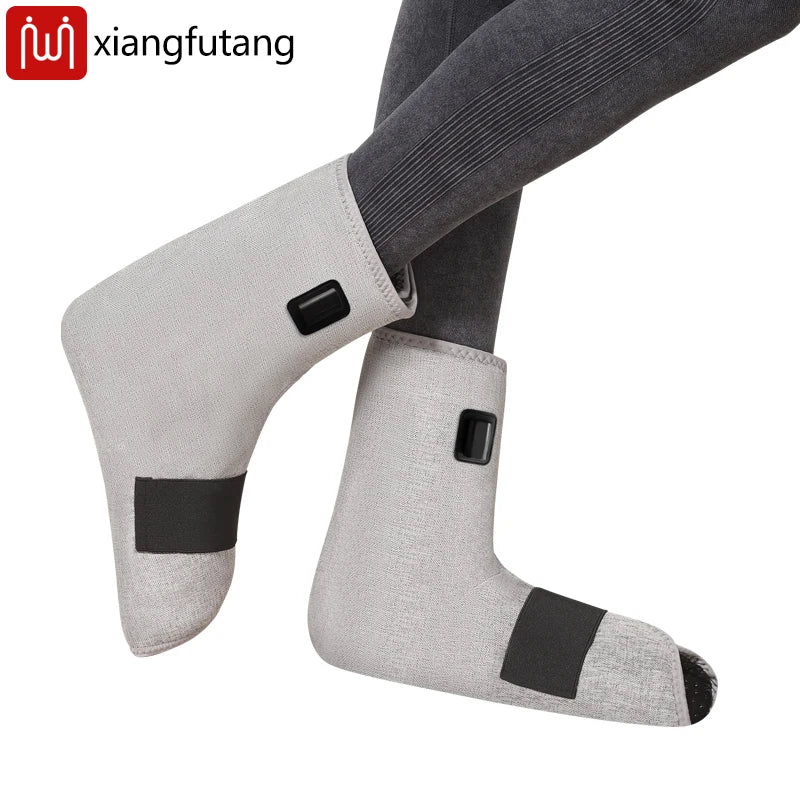
Following your exercise session, a red light heated ankle wrap may provide soothing warmth and support circulation as part of your post-exercise recovery routine.

rehab exercises for high ankle sprain recovery — See it in action
Common Mistakes to Avoid During Recovery
- Advancing to higher-impact exercises before receiving medical clearance.
- Skipping daily mobility work because the ankle "feels fine."
- Performing exercises through sharp pain instead of mild muscular discomfort.
- Ignoring swelling that persists longer than expected after activity.
- Using poor exercise technique or rushing repetitions.
- Returning to sports or running before strength and balance have recovered.
Frequently Asked Questions
How long does fractured ankle recovery usually take?
Most uncomplicated ankle fractures recover over 6–12 weeks, although full strength, balance, and confidence may continue improving for several months.
Can exercise reduce long-term stiffness?
Yes. Progressive rehabilitation helps restore mobility and significantly reduces the risk of persistent stiffness following immobilization.
Is pain normal during recovery exercises?
Mild soreness is common, but sharp pain, increasing swelling, or joint instability should prompt you to stop exercising and consult your healthcare provider.
Can I exercise with a broken ankle in a boot?
Yes. Many upper-body, core, and non-weight-bearing exercises can be performed safely while wearing a walking boot if approved by your healthcare provider.
When can I return to running or sports?
Return only after your healthcare provider confirms adequate healing and you have regained near-normal strength, balance, and walking mechanics.
When can I drive or return to work?
This depends on which ankle was injured, your job requirements, pain levels, and whether you can safely control a vehicle. Follow your treating clinician's advice before returning to driving or physically demanding work.
What signs indicate I should stop exercising?
Stop exercising and seek medical advice if you develop severe pain, increasing swelling, numbness, redness, wound problems, or difficulty bearing weight that worsens rather than improves.
Related Guide: Ankle Swelling After Sprain 4 Weeks: Who Benefits Most













