
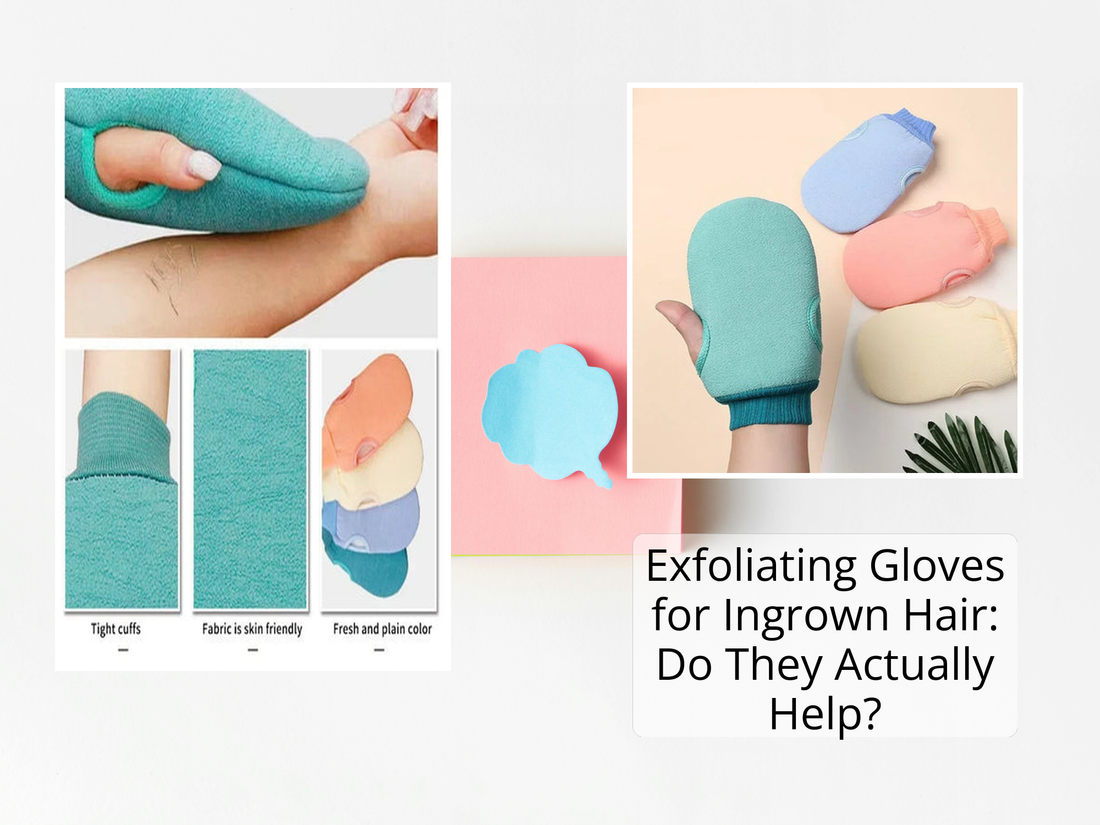
Best Exfoliating Gloves for Ingrown Hairs (2026 Dermatologist-Informed Guide)
Ingrown hairs can turn shaving, waxing, and epilation into a frustrating cycle of bumps, irritation, and uneven skin texture. Dermatologists consistently highlight one core prevention strategy: regular, gentle exfoliation. Among at-home tools, exfoliating gloves remain one of the most accessible and effective ways to keep follicles clear and reduce ingrown hairs over time. This guide breaks down how they work, which types perform best, and how to choose the right option for your skin type.
⏱ 7 min read

See it in action: exfoliating gloves helping smooth bumpy, ingrown-prone skin
See price — stock low!
Quick Comparison: Best Exfoliating Gloves for Ingrown Hairs
If you're shopping specifically to prevent ingrown hairs, razor bumps, or bikini area irritation, these are the top-performing exfoliating gloves and mitts based on exfoliation strength, skin sensitivity, and ease of use.
- Best Overall: Balanced exfoliation for most skin types
- Best for Bikini Area: Gentle texture with precise control
- Best Korean Exfoliating Mitt: Deep exfoliation for stubborn ingrowns
- Best for Keratosis Pilaris: Effective body resurfacing
- Best for Sensitive Skin: Low-irritation exfoliation
- Best Budget Pick: Affordable daily-use option
| Type | Best For | Texture Level | Skin Type |
|---|---|---|---|
| Viscose Exfoliating Mitt | Ingrown hair + rough skin | Strong | Normal to thick skin |
| Korean Exfoliating Mitt | Deep exfoliation | Very Strong | Resilient skin |
| Microfiber Glove | Sensitive areas | Gentle | Sensitive skin |
| Nylon Exfoliating Glove | Daily maintenance | Medium | Normal skin |
| KentDO Exfoliating Glove | Balanced ingrown prevention | Medium-Strong | Most skin types |
Do Exfoliating Gloves Actually Help Ingrown Hairs?
Yes. Exfoliating gloves help prevent and reduce ingrown hairs by removing dead skin cells that trap hairs beneath the surface. This improves follicle clarity and supports healthier hair growth patterns after shaving or waxing.
What Dermatologists Say About Physical Exfoliation
Dermatology consensus supports gentle physical exfoliation as part of an ingrown hair prevention routine. It helps reduce follicular blockage and supports outward hair growth, especially in shaved or waxed areas.
Does Exfoliating Remove Existing Ingrown Hairs?
Light or shallow ingrown hairs may gradually surface with consistent exfoliation. However, deeply embedded hairs may require targeted treatment or professional extraction.
When Exfoliating Gloves Won't Help
If the skin is infected, inflamed, or healing from severe irritation, exfoliating can worsen the condition and should be paused until the skin recovers.
What Causes Ingrown Hairs to Develop?
Ingrown hairs form when hair grows back into the skin instead of rising above the surface. Several lifestyle and biological factors increase this risk.
Dead Skin Buildup
Excess dead skin blocks follicles and prevents hair from growing outward properly.
Curly and Coarse Hair Types
Curly or tightly coiled hair is more likely to bend back into the skin during regrowth.
Shaving, Waxing, and Epilation
Hair removal methods can create sharp hair tips or alter growth direction, increasing the chance of ingrowns.
Friction and Tight Clothing
Constant friction, especially in the bikini area or thighs, can push hairs back into the skin.
Explore shaving and waxing care guides
How Exfoliating Gloves Prevent Ingrown Hairs
Removing Dead Skin That Traps Hair
Gloves physically lift away dead skin cells, helping hair grow outward instead of becoming trapped.
Preventing Razor Bumps and Follicle Blockage
Regular exfoliation keeps follicles clear, reducing post-shave irritation and razor bumps.
Improving Skin Texture
Consistent use supports smoother skin by encouraging natural cell turnover.
Exfoliating Gloves vs Other Ingrown Hair Treatments
Exfoliating Gloves vs Chemical Exfoliants
Gloves physically remove buildup, while AHAs and BHAs dissolve it chemically. Many users benefit from combining both carefully.
Exfoliating Mitts vs Brushes
Mitts provide more even coverage, while brushes can target small areas but may increase irritation risk.
Exfoliating Gloves vs Dry Brushing
Dry brushing improves circulation but typically provides less intense exfoliation than textured gloves.
Which Method Works Best for Bikini Area and Legs
Soft mitts work best for bikini areas, while medium-textured gloves are more effective for legs and arms.
Compare exfoliating gloves vs scrubs
Best Exfoliating Gloves for Ingrown Hairs (Detailed Reviews)
Best Overall Exfoliating Gloves
A balanced exfoliating glove like KentDO Exfoliating Glove offers consistent exfoliation without being overly harsh, making it suitable for most skin types.
Best Exfoliating Gloves for Bikini Area
Soft-textured gloves help reduce irritation while preventing ingrown hairs in sensitive zones.
Best Korean Exfoliating Mitt for Deep Exfoliation
Korean mitts deliver strong exfoliation and are ideal for removing heavy buildup on legs and arms.
Best Budget Exfoliating Glove
Nylon gloves offer affordable daily maintenance for general exfoliation needs.
Best for Sensitive Skin
Microfiber gloves are gentle and suitable for reactive or easily irritated skin.
Best for Keratosis Pilaris
Moderately abrasive gloves help reduce rough bumps caused by keratin buildup.
Best for Legs and Body Hair
Medium-to-strong exfoliating gloves are ideal for larger body areas where thicker skin is present.
Which Exfoliating Glove Is Best for Your Skin Type?
Sensitive Skin
Choose microfiber or ultra-soft gloves to minimize irritation.
Keratosis Pilaris
Moderate exfoliation combined with hydration improves skin texture over time.
Coarse Hair
Firmer gloves help prevent hair from becoming trapped under thicker skin layers.
Bikini Area
Use gentle textures and light pressure only.
Dry Skin
Always follow exfoliation with a rich moisturizer to restore hydration.
Learn more about keratosis pilaris treatments
Exfoliating Gloves Benefits for Ingrowns & Bumps
Preventing Future Ingrown Hairs
Regular exfoliation keeps follicles clear and supports proper hair growth direction.
Reducing Razor Bumps
Pre-shave exfoliation helps reduce irritation and redness.
Improving Product Absorption
Removing dead skin allows skincare products to penetrate more effectively.
Supporting Keratosis Pilaris Treatment
Exfoliation helps reduce rough, bumpy skin when paired with moisturizers.
How to Use Exfoliating Gloves for Ingrown Hair Prevention
Before Shaving
Exfoliate 24 hours before shaving for best results.
After Waxing
Wait 48–72 hours before exfoliating to avoid irritation.
After Epilation
Resume exfoliation once redness subsides.
Exfoliating the Bikini Area Safely
Use light pressure and avoid over-scrubbing.
Recommended Weekly Schedule
- Sensitive skin: 1–2 times weekly
- Normal skin: 2–3 times weekly
- Keratosis pilaris: up to 3 times weekly
Post-shaving skincare routine guide
Common Mistakes That Make Ingrown Hairs Worse
Exfoliating Too Aggressively
Over-scrubbing damages the skin barrier and increases inflammation.
Using Dirty Gloves
Bacteria buildup can worsen irritation and breakouts.
Exfoliating Immediately After Hair Removal
Skin needs recovery time after shaving or waxing.
Ignoring Moisturization
Hydrated skin is less prone to irritation and ingrowns.
Exfoliating Gloves Before and After: What Results to Expect
First Week
Smoother skin texture and fewer visible bumps may appear.
After One Month
Noticeable reduction in ingrown hairs and improved skin clarity.
Long-Term Maintenance
Consistent use delivers the best long-term prevention results.
How to Choose the Best Exfoliating Gloves for Ingrown Hairs
Material Types
Nylon, viscose, and microfiber each offer different exfoliation strengths.
Texture Levels
Choose based on sensitivity and ingrown severity.
Durability
Higher quality gloves last longer and maintain texture.
Sensitive Skin Considerations
Avoid overly abrasive materials if you have reactive skin conditions.
Machine Washability
Washable gloves reduce bacterial buildup.
How to Clean and Replace Exfoliating Gloves
Cleaning Instructions
Rinse thoroughly after each use and air dry completely.
How Often to Replace
Replace every 2–4 months depending on use frequency.
Signs Your Glove Needs Replacing
- Loss of texture
- Persistent odor
- Visible wear
- Reduced exfoliation effectiveness
Body skincare maintenance guide
Pros and Cons of Exfoliating Gloves
| Pros | Cons |
|---|---|
| Affordable and reusable | Not suitable for broken skin |
| Improves skin texture | Needs regular cleaning |
| Helps prevent ingrowns | Can feel harsh for beginners |
| Eco-friendly option | Requires replacement over time |
Try the KentDO Exfoliating Glove — limited time!
Frequently Asked Questions
How often should I exfoliate with gloves?
2–3 times per week depending on skin sensitivity.
Do exfoliating gloves help ingrown hairs?
Yes, they remove dead skin that traps hairs and help prevent ingrown formation.
What is the best exfoliator for ingrown hairs on legs?
Medium-texture exfoliating gloves or mitts work best for leg areas.
What is the best exfoliating glove for bikini area?
Soft microfiber gloves with gentle pressure are recommended.
Do exfoliating gloves remove hair?
No, they only remove dead skin cells.
Do exfoliating gloves work for keratosis pilaris?
Yes, they help reduce keratin buildup when used consistently.
Can exfoliating gloves prevent razor bumps?
Yes, by keeping follicles clear before and after shaving.
Can you exfoliate after waxing?
Yes, but wait 48–72 hours to avoid irritation.
Pillar Article: Can You Wash Exfoliating Gloves After Hair Removal? Here’s the Truth
Other Related Articles:
Explore More:













