

Fascia Release Massage: Step-by-Step Guide to Boost Flexibility and Blood Flow
A fascia release massage isn’t just for athletes—it’s your shortcut to better movement and recovery. Whether you’re using foam rolling fascia release, a fascia blaster tool, or a myofascial release massage ball, this technique helps loosen tight fascia, boost blood flow, and unlock deep flexibility you didn’t know you had. Ready to feel lighter and move freely again?
⏱ 8 min read
What is a fascia release massage and how does it work?
Fascia release massage helps loosen tight connective tissue around muscles, improving flexibility and blood flow. By using tools like foam rollers or fascia blasters, you can release tension, reduce soreness, and enhance recovery. It’s a gentle yet powerful self-massage technique that restores body mobility and relieves stiffness.
- Reduces stiffness and post-workout pain
- Boosts blood circulation and oxygen flow
- Improves flexibility and joint range
- Accelerates muscle recovery and mobility
Why Your Body Feels Tight — And How Fascia Release Massage Fixes It
Have you ever felt like your muscles were “stuck” no matter how much you stretched? That lingering stiffness isn’t just muscle fatigue—it’s your fascia holding tension. Fascia, the web-like connective tissue surrounding your muscles, can tighten due to poor posture, stress, or intense workouts. The result? Limited flexibility and slower recovery.
Here’s the good news: fascia release massage can reverse that stiffness naturally. Using tools like a foam rolling fascia release roller, fascia blaster tool, or myofascial release massage ball, you can target these stuck tissues and free up movement in minutes.
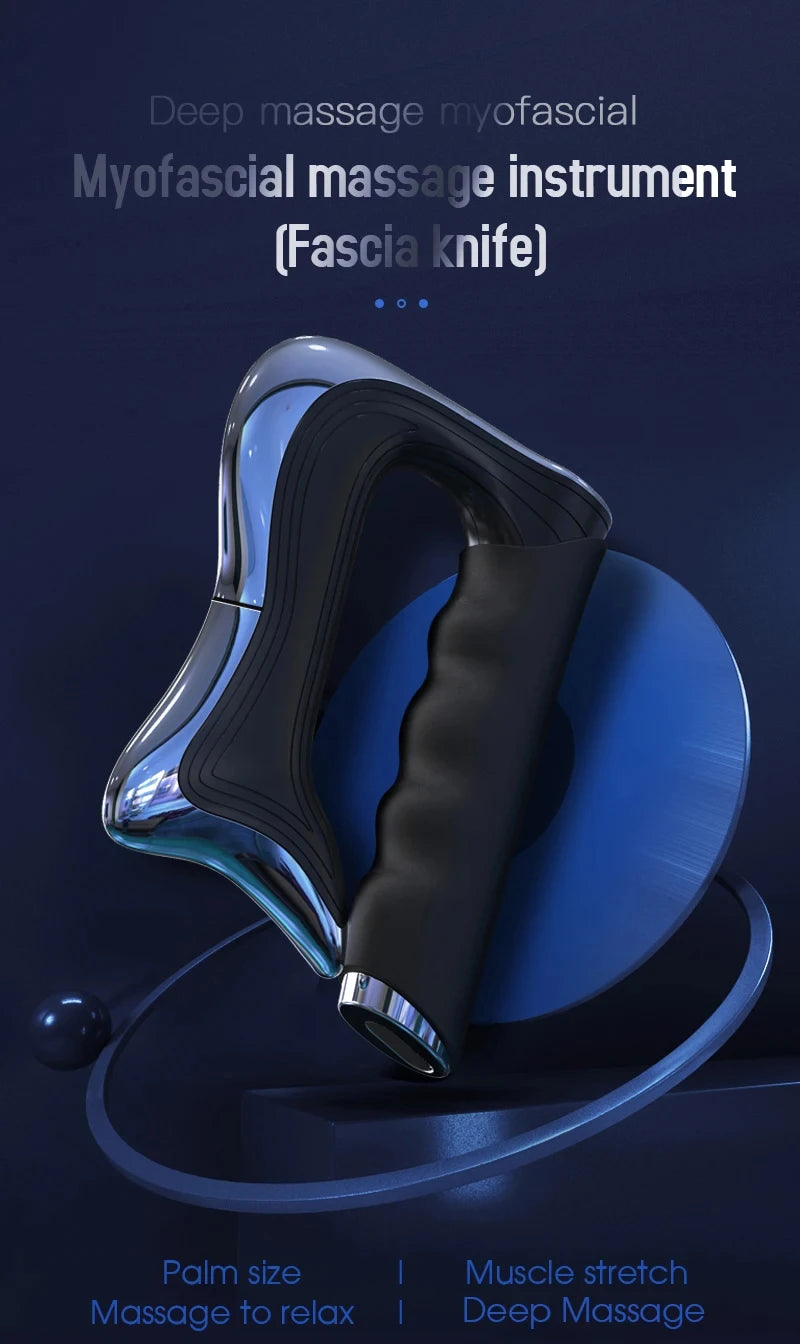
💡 Experience fascia release massage for deep flexibility and lasting recovery.
How Fascia Release Massage Improves Flexibility and Blood Flow
When fascia tightens, it restricts your muscles’ ability to move and receive oxygen. Regular fascia release massage restores this natural elasticity, increases hydration in the tissues, and improves circulation — allowing you to move freely without stiffness or pain.
Main Benefits:
- Instant relief from stiffness: Especially post-yoga or after sitting long hours.
- Enhanced blood flow: Promotes oxygen delivery to tired muscles.
- Improved posture: Loosens tight fascia around the neck, shoulders, and back.
- Faster recovery: Reduces soreness and speeds up healing after workouts.
Many physical therapists and wellness experts recommend using a fascia blaster tool or myofascial release massage ball as part of your weekly mobility routine to maintain supple, pain-free movement.
Step-by-Step: How to Do a Fascia Release Massage at Home
Here’s a simple yet powerful fascia release massage you can do anywhere to restore mobility and blood flow. You’ll need a foam roller, massage ball, or fascia blaster tool.
- Warm up: Start with light movement or a warm shower to loosen tissues.
- Target key areas: Focus on your calves, thighs, glutes, and back where fascia often tightens.
- Apply steady pressure: Use slow, firm motions with your foam rolling fascia release roller or fascia tool.
- Hold and breathe: Stay on tender spots for 20–30 seconds while breathing deeply.
- Hydrate afterward: Drink water to help flush out released toxins and rehydrate tissues.

💡 Use a fascia blaster tool or foam roller for a deeper fascia release.
Best Tools for Fascia Release Massage (and How to Choose)
The right tool can make all the difference. Whether you’re aiming for deep release or gentle recovery, these are the most effective options for at-home fascia care.
| Tool Type | Best For | Benefits |
|---|---|---|
| Foam Roller | Full-body recovery | Boosts circulation, reduces soreness |
| Fascia Blaster Tool | Deep tissue release | Targets knots and cellulite |
| Myofascial Release Massage Ball | Localized pressure | Relieves tension in small areas like feet and shoulders |
For an advanced, time-saving option, try the KentDO Electric Fascia Massage Blade — a professional-grade device that combines vibration and heat therapy for faster, deeper relief.
Pro Tips for Safe & Effective Fascia Release
- Always warm up your muscles before starting.
- Avoid rolling directly over joints or bones.
- Use slow, mindful movements — not fast or jerky pressure.
- Stay consistent: 3–4 times per week yields the best results.
- Pair fascia massage with gentle stretching or yoga for lasting flexibility.
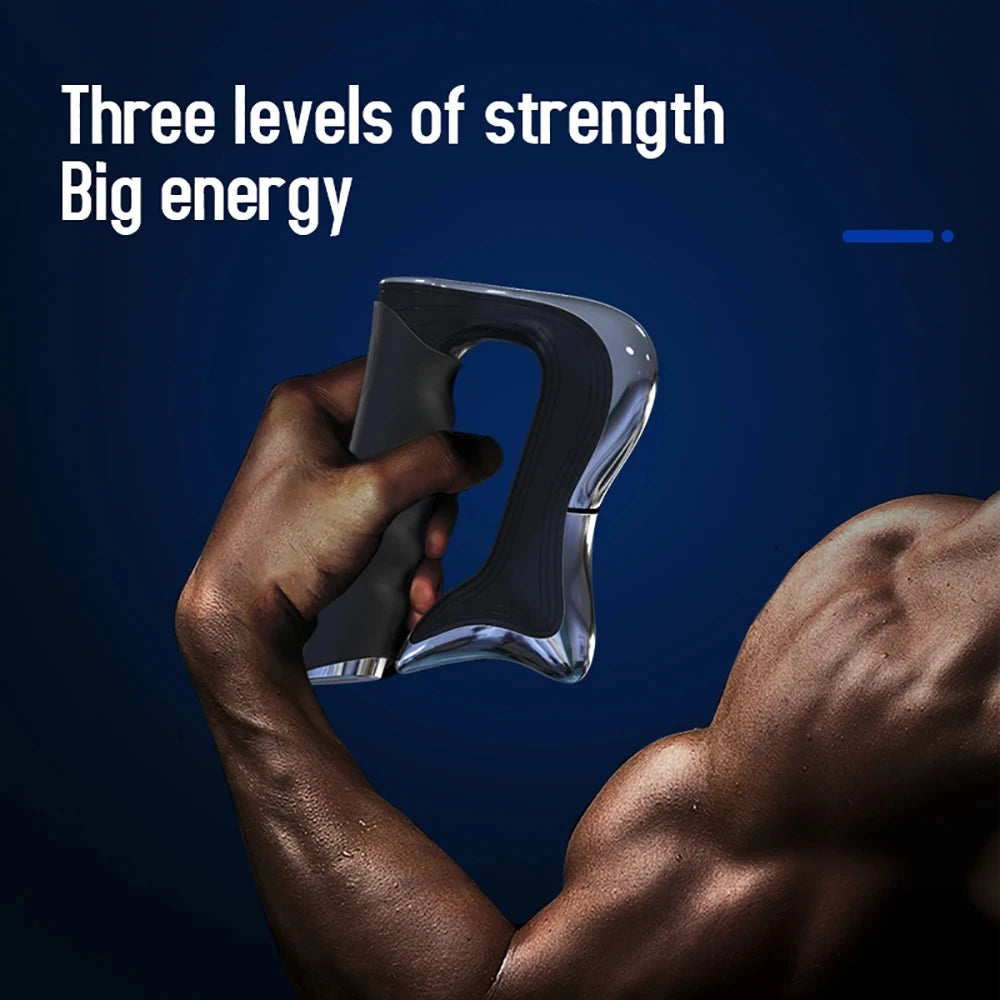
💡 Restore balance, flexibility, and body confidence through fascia release massage.
Fascia Release Massage FAQs
Is fascia release massage painful?
It shouldn’t be. You might feel mild discomfort on tight spots, but never sharp pain. Gradual pressure is key to avoiding bruising or irritation.
How often should I do fascia release massage?
For best results, practice fascia release 3–4 times weekly. Focus on areas of tightness after workouts or long sitting periods.
Can fascia release massage help with cellulite?
Yes. Consistent use of a fascia blaster tool improves skin texture and reduces the appearance of cellulite by enhancing blood and lymph flow.
Should I do fascia release before or after exercise?
Both! Before workouts, it helps warm up and prepare muscles. After exercise, it aids recovery and reduces soreness.
Pillar Article: Tennis Ball Fascia Release: How to Unlock Pain-Free Movement in 5 Minutes
Other Related Articles:
- Extreme Fatigue Post Workout? How to Recover Smarter With Targeted Massage
- Full Body Massagers: How to Use Them Safely for Instant Muscle Recovery
- Hip Fascia Release Made Easy: Do This 3-Minute Daily Routine for Relief
Explore More:













