

Best Fascia Massage Tools for Myofascial Release (Blades, Guns & Rollers Ranked)
Fascia massage tools help break up tight connective tissue, improve mobility, and reduce muscle stiffness. From stainless steel fascia blades and fascia blaster tools to massage guns and textured rollers, the right tool can make a major difference in how quickly your body recovers after workouts or long days of sitting.
In this guide, we compare the best fascia massage tools for myofascial release, including fascia blade massagers, scraping tools, foam rollers, and massage guns designed for deep tissue recovery. You'll also learn how these tools work, which ones are best for different body areas, and how to choose the safest option for at-home fascia release.
⏱ 7 min read
Quick Comparison: Best Fascia Massage Tools
If you're comparing fascia massage tools, the right choice depends on whether you want deep tissue scraping, percussion therapy, foam rolling, or targeted trigger-point release.
- Best Overall Fascia Massage Tool: KentDO Electric Fascia Massage Blade
- Best Fascia Blade: Stainless Steel Fascia Scraper
- Best Massage Gun for Fascia Release: Theragun Prime
- Best Fascia Roller: TriggerPoint GRID Foam Roller
- Best Budget Fascia Tool: Manual Fascia Scraping Tool
| Product | Best For | Type | Score | Price Tier |
|---|---|---|---|---|
| KentDO Electric Fascia Massage Blade | Deep tissue precision | Electric | 9.3/10 | Mid–Premium |
| Fascia Blaster Tool | Full-body fascia massage | Manual | 8.5/10 | Premium |
| Theragun Prime | Recovery & percussion therapy | Electric | 8.4/10 | Premium |
| Stainless Steel Fascia Blade | Professional scraping therapy | Manual | 8.1/10 | Budget |
| TriggerPoint GRID Foam Roller | Beginner fascia release | Compression | 7.9/10 | Budget |
| Lacrosse Trigger Point Ball | Targeting small muscle knots | Manual | 7.7/10 | Budget |
| Manual Fascia Scraping Tool | Portable fascia therapy | Manual | 7.6/10 | Budget |
Each tool category serves a different purpose. Fascia blades excel at targeted tissue work, massage guns help with recovery and circulation, while rollers cover larger muscle groups quickly.
How We Ranked the Best Fascia Massage Tools
Each fascia tool was evaluated using a structured scoring system focused on real-world usability and recovery impact.
- Build Quality (20%) – Material durability and ergonomic design
- Performance (25%) – Tissue engagement and pressure control
- Safety (20%) – Edge finish, vibration stability, irritation risk
- Ease of Use (15%) – Grip comfort, learning curve, portability
- Value for Price (20%) – Cost-to-performance ratio
Scores reflect comparative testing, recovery effectiveness, and everyday usability rather than marketing claims.
What Are Fascia Massage Tools?
Fascia massage tools are devices designed to release tension in fascia—the connective tissue that surrounds muscles, joints, and organs. When fascia becomes stiff or dehydrated, it may restrict movement and contribute to muscle soreness.
These tools apply pressure, vibration, compression, or scraping techniques to help restore tissue mobility and support muscle recovery.
What Fascia Is and Why It Gets Tight
Fascia forms a body-wide network that supports muscles and movement. Repetitive motion, prolonged sitting, intense training, poor posture, and inadequate recovery may contribute to feelings of stiffness and reduced mobility.
What Myofascial Release Means
Myofascial release refers to techniques used to reduce tension and improve movement quality within soft tissues. Tools such as fascia blades, massage guns, foam rollers, and trigger-point balls make these techniques accessible at home.
How Fascia Massage Tools Work (Science of Myofascial Release)
Fascia Scraping (Blade Tools)
Fascia blades apply controlled pressure across the skin to mobilize underlying soft tissue. This technique is commonly called instrument-assisted soft tissue mobilization (IASTM).
Percussive Therapy (Massage Guns)
Massage guns use rapid pulses to stimulate muscles and surrounding connective tissue. They are often used before workouts to improve movement and after exercise to reduce stiffness.
Compression & Rolling (Foam Rollers)
Foam rollers combine pressure and movement to target larger muscle groups. They are commonly used for the calves, quadriceps, hamstrings, glutes, and upper back.
Trigger Point Compression Tools
Massage balls and trigger-point tools apply sustained pressure to localized areas of tension. They are especially useful around the hips, feet, shoulders, and glutes.
What Current Research Actually Shows
Research suggests myofascial release tools may improve short-term flexibility, range of motion, perceived recovery, and temporary pain reduction. However, most benefits appear to result from changes in tissue tolerance, nervous-system response, and movement quality rather than physically "breaking up" fascia.
Too many fascia release tools promise miracles, yet most end up forgotten in a drawer. If you've tried recovery gadgets hoping for lasting relief, choosing the right tool category is often more important than buying the most expensive device.
This guide ranks the 7 best fascia massage tools for mobility, recovery, self-massage, and targeted myofascial release.
Discover fascia release tools that support recovery, mobility, and self-care.
Why Fascia Release Matters for Mobility & Recovery
Mobility Benefits
Regular self-myofascial release may help improve movement quality, flexibility, and joint range of motion, especially when combined with stretching and exercise.
Recovery Benefits
Many athletes use fascia tools to reduce post-workout stiffness and support recovery between training sessions.
Pain Management Applications
Targeted pressure and tissue mobilization may help reduce discomfort associated with muscle tightness and overuse patterns.
- Relieves muscle tightness after workouts
- Supports recovery routines
- Improves mobility and flexibility
- Helps maintain better posture
That’s why many wellness enthusiasts now use body care and health devices at home—bringing professional recovery techniques into daily routines.
Which Type of Fascia Tool Is Right for You?
For Athletes
Massage guns and foam rollers are usually the most practical options for post-workout recovery and large-muscle treatment.
For Chronic Muscle Tightness
Fascia scraping tools and fascia blades provide more focused pressure for stubborn areas that do not respond well to general rolling.
For Beginners
Foam rollers offer the gentlest learning curve and allow users to control pressure easily.
For Deep Tissue Work
Electric fascia blades and stainless-steel scraping tools generally provide the most targeted treatment for dense, restricted tissue.
The 7 Best Fascia Massage Tools (Tested & Compared)
1. KentDO Electric Fascia Massage Blade
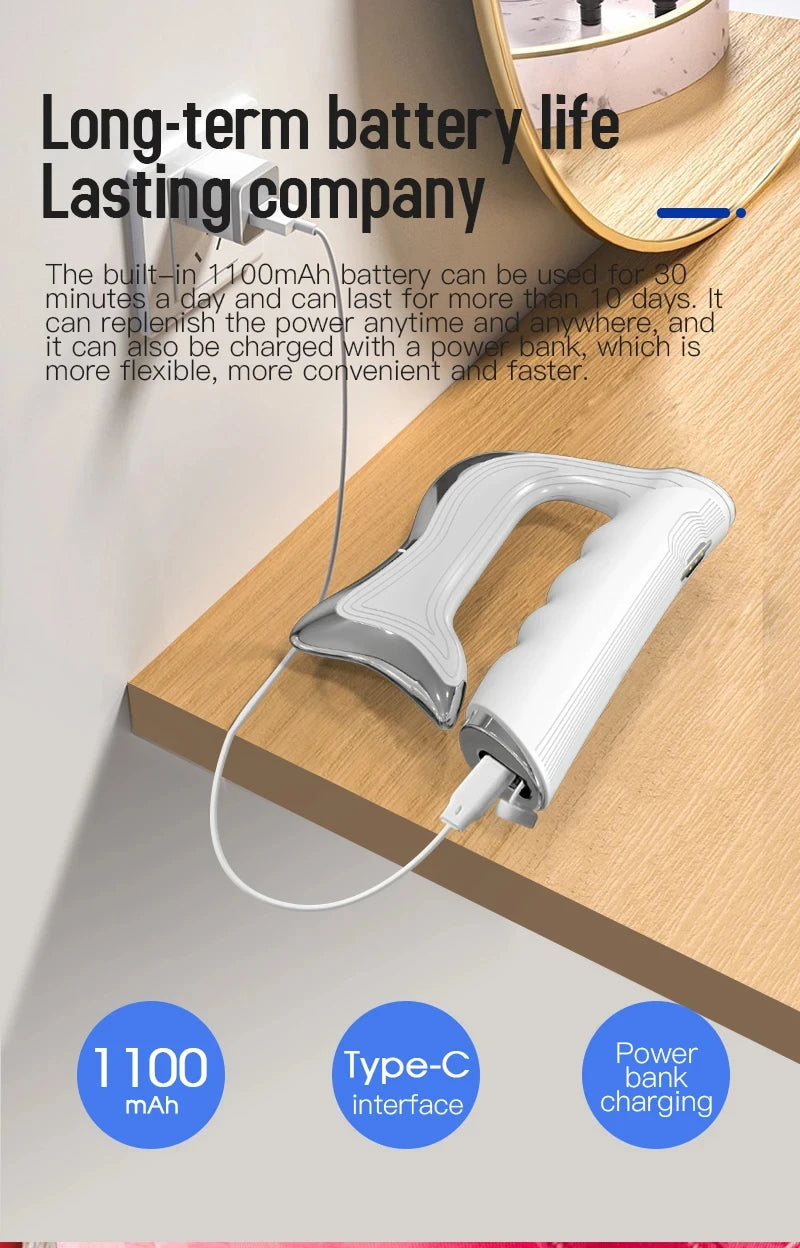
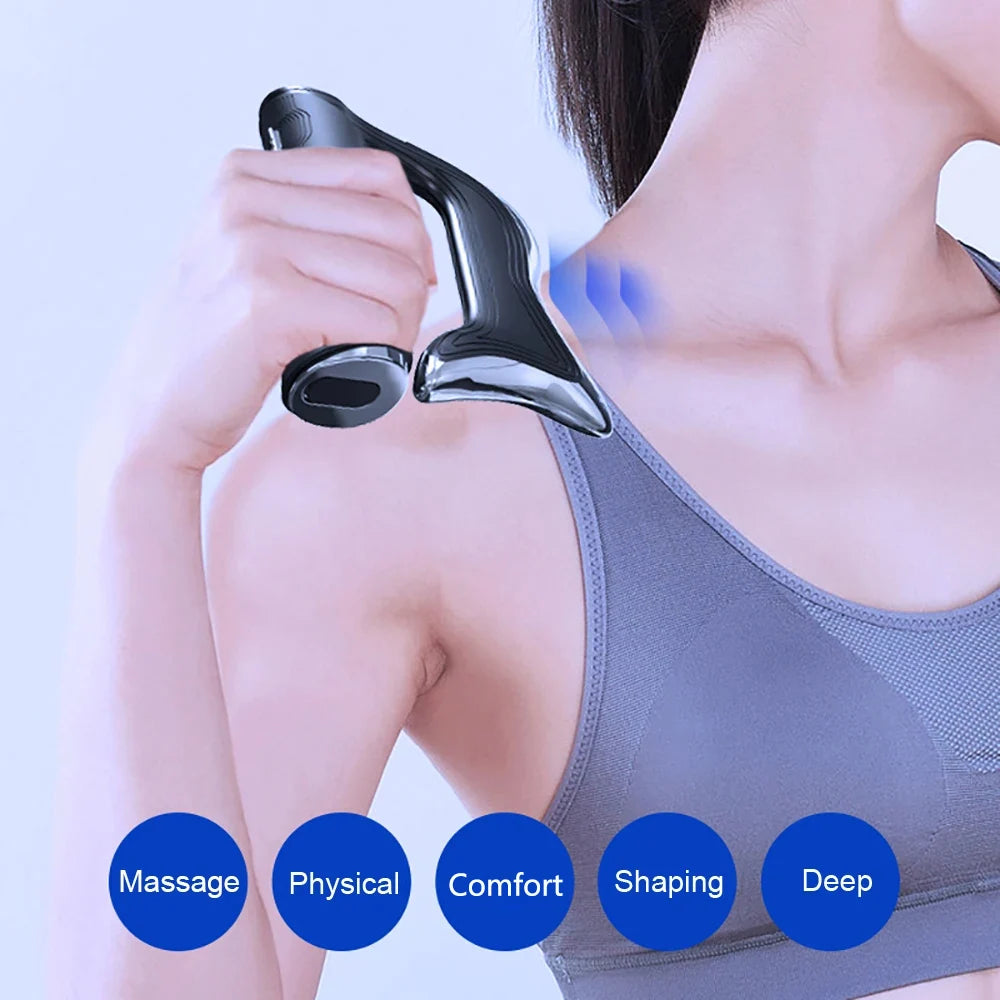
The KentDO Electric Fascia Massage Blade combines micro-vibration and ergonomic curvature to mimic professional scraping therapy.
| Pros | Cons |
|---|---|
| ✅ Dual-mode vibration intensity | ❌ Requires charging |
| ✅ Works for both face and body | ❌ Slight learning curve |
| ✅ Medical-grade stainless steel | ❌ Premium price |
Best For: Precise fascia release, self-treatment, and regular home use.
Why We Like It: The combination of vibration and scraping helps users apply consistent pressure with less effort than traditional manual tools.
Perfect For: Users wanting precise fascia release with minimal effort.
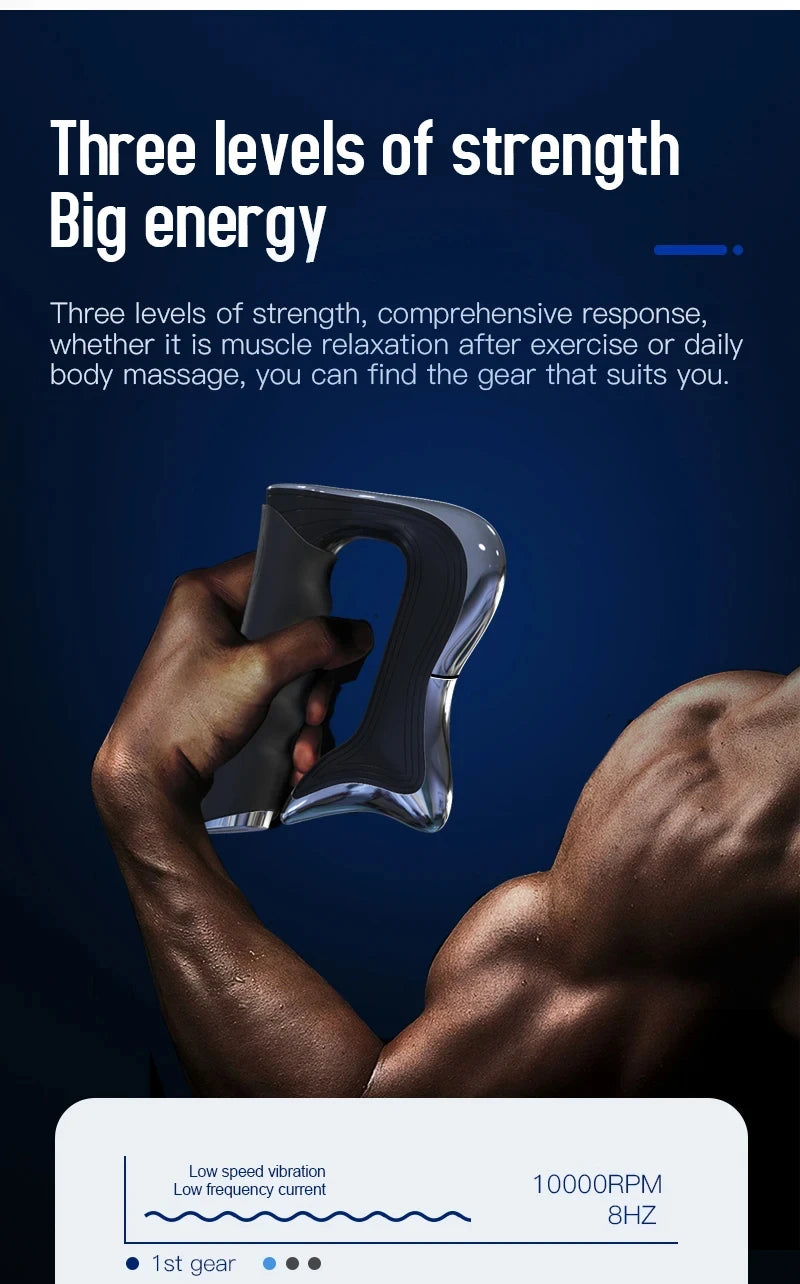
The KentDO fascia blade offers advanced fascia release functionality for home recovery.
2. Fascia Blaster Tool
Designed with multiple massage nodes, fascia blaster tools cover large muscle groups efficiently.
Best For: Full-body fascia treatment.
Pros: Large coverage area, easy to use on legs and glutes.
Cons: Can feel aggressive for beginners.
3. Deep Tissue Massage Gun
Models such as Theragun Prime and Hypervolt 2 deliver percussive therapy to reduce muscle tension and support recovery.
Best For: Post-workout recovery.
Pros: Fast treatment, multiple attachments.
Cons: Less precise than scraping tools.
4. Stainless Steel Fascia Blade
Traditional scraping tools inspired by Gua Sha and IASTM techniques remain a favorite among therapists and advanced users.
Best For: Precision tissue work.
Pros: Durable, affordable, portable.
Cons: Requires proper technique.
5. Textured Foam Roller
TriggerPoint GRID and similar textured rollers are excellent entry-level tools for self-myofascial release.
Best For: Mobility and flexibility routines.
Pros: Beginner-friendly, full-body use.
Cons: Limited precision.
6. Trigger Point Massage Ball
Trigger-point balls target stubborn knots in small muscle areas such as the feet, shoulders, hips, and glutes.
Best For: Localized pressure.
Pros: Inexpensive and portable.
Cons: Small treatment area.
7. Manual Fascia Scraping Tool
A compact scraping device ideal for travel, quick recovery sessions, and budget-conscious users.
Best For: Affordable fascia treatment.
Pros: Low cost and portable.
Cons: No vibration assistance.
Fascia Blade vs Massage Gun vs Foam Roller
Comparison Table
- Fascia Blade: Best for targeted tissue release and adhesions
- Massage Gun: Best for recovery and large muscle treatment
- Foam Roller: Best for beginners and mobility work
Best Tool for Deep Adhesions
Fascia blades provide the highest level of precision when working on dense tissue restrictions.
Best Tool for Large Muscle Groups
Massage guns and foam rollers work more efficiently on the quadriceps, hamstrings, glutes, and back.
Best Tool for Beginners
Foam rollers offer the easiest introduction to self-myofascial release.
Best Tool for Recovery
Massage guns are often preferred for post-exercise recovery because they are fast, convenient, and easy to use.
Best Myofascial Release Tools by Goal
Best for Fascia Release
Fascia blades provide focused tissue mobilization and precise pressure.
Best for Recovery
Massage guns are ideal for reducing post-exercise stiffness and supporting circulation.
Best for Mobility
Foam rollers support mobility routines and full-body movement preparation.
Best for Pain Relief
Trigger-point massage tools can target specific areas of discomfort more effectively than broader tools.
Best for Self-Massage
Electric fascia tools combine convenience, reach, and consistent pressure for independent use at home.
Fascia Blaster Alternatives (Cheaper Tools That Work)
Fascia Blaster Dupes
Many multi-node massage tools mimic fascia blaster designs while costing significantly less.
Budget Fascia Scraping Tools
Stainless steel scraping blades provide similar treatment principles used in professional soft-tissue therapy.
Massage Gun Alternatives
Compact percussion massagers offer recovery benefits in a smaller and more portable format.
Best Overall Fascia Blaster Alternative
For users wanting targeted treatment and versatility, electric fascia blades provide a compelling alternative to traditional fascia blasters.
Which Fascia Tool Is Best for Each Body Area?
Legs & IT Band
Foam rollers and fascia blasters apply consistent pressure across large muscles and connective tissue structures.
Back & Shoulders
Massage guns are easier to maneuver across upper-body areas and hard-to-reach muscles.
Glutes & Hips
Trigger-point balls provide deep pressure to stubborn knots and tension points.
Neck & Arms
Smaller scraping tools allow greater control for delicate treatment areas.
Feet & Plantar Fascia
Massage balls and compact rollers are commonly used for plantar fascia self-care and foot mobility work.
Blade Types Compared: Stainless Steel vs Electric
Treatment Depth
Both styles can deliver effective pressure, but electric models may provide additional vibration that enhances comfort during treatment.
Ease of Use
Electric fascia tools require less manual effort, making them easier for longer sessions.
Best Use Cases
Manual stainless-steel blades work well for precision work, while electric models are often preferred for frequent home use.
Which One Offers Better Value
Beginners often find manual tools more affordable, while regular users may benefit from the added convenience of electric fascia devices.
Who Should (and Shouldn't) Use Fascia Release Tools
People Who Benefit Most
- Athletes with tight muscles
- Desk workers experiencing stiffness
- People working on mobility and flexibility goals
- Active individuals seeking recovery support
Who Should Avoid Fascia Scraping
- People with blood clotting disorders
- Those with acute injuries
- Individuals with sensitive skin conditions
- Anyone advised against soft-tissue treatment by a healthcare professional
How to Use Fascia Massage Tools Safely at Home
Step-by-Step Fascia Scraping Guide
- Apply a lubricant to the skin.
- Hold the fascia tool at a shallow angle.
- Use slow, controlled strokes.
- Treat each area for 30–90 seconds.
- Stop if excessive discomfort occurs.
Massage Gun Fascia Routine
- Start on a low speed setting.
- Move continuously across the muscle.
- Avoid bony areas and joints.
- Treat each muscle for 1–2 minutes.
Foam Roller Routine
Roll slowly across major muscle groups while pausing briefly on sensitive areas. Focus on controlled movement rather than speed.
Common Mistakes to Avoid
- Using excessive pressure
- Treating bruised tissue
- Rolling too quickly
- Using fascia tools on acute injuries
- Ignoring pain signals
Do Fascia Rollers and Massage Guns Really Work?
Do Fascia Rollers Work?
Foam rollers can improve short-term flexibility, movement quality, and perceived muscle recovery when used consistently.
Do Massage Guns Release Fascia?
Massage guns influence muscles and connective tissue through percussion therapy. They may help reduce stiffness and improve mobility, though they do not literally break apart fascia.
What Users Can Realistically Expect
Most users experience temporary improvements in movement, comfort, and recovery rather than permanent structural changes to fascia.
Real Results: What Users Say About Fascia Release Benefits
- Less stiffness after workouts
- Improved mobility
- Better recovery between training sessions
- Smoother muscle movement
"I’ve tried foam rollers, but the KentDO fascia blade changed everything." — Jessica M., Verified Buyer
FAQ: Fascia Massage Tools
Do fascia release tools really work?
Yes. Consistent use may help reduce muscle soreness and increase range of motion.
How often should I use fascia tools?
Most people benefit from 3–4 sessions per week.
Are fascia blades safe?
Yes, when used gently and with proper technique.
Is a massage gun good for fascia release?
Massage guns are effective for stimulating blood flow and loosening tight muscles.
Do fascia rollers work?
Foam rollers are widely used for self-myofascial release and may improve flexibility and recovery.
What is the best fascia blaster alternative?
Massage guns, foam rollers, and scraping blades are common alternatives.
What is the best fascia massage tool?
The best fascia massage tool depends on your goals. Fascia blades are ideal for targeted tissue work, massage guns excel for recovery, and foam rollers work well for general mobility.
What are the best myofascial release tools?
The most effective myofascial release tools typically include fascia blades, massage guns, foam rollers, trigger-point balls, and IASTM scraping tools.
Do massage guns break up fascia?
No. Current evidence does not show that massage guns physically break apart fascia. They may improve mobility, circulation, and perceived recovery.
Are fascia blades better than foam rollers?
Fascia blades offer more precise treatment, while foam rollers are easier for full-body use and beginners.
How long does fascia release take?
Many users notice immediate short-term improvements in movement, but long-term results typically require consistent use over several weeks.













