Best Fascia Massage Tools for Myofascial Release (Blades, Guns & Rollers Ranked)
Fascia massage tools help break up tight connective tissue, improve mobility, and reduce muscle stiffness. From stainless steel fascia blades and fascia blaster tools to massage guns and textured rollers, the right tool can make a major difference in how quickly your body recovers after workouts or long days of sitting.
In this guide, we compare the best fascia massage tools for myofascial release, including fascia blade massagers, scraping tools, foam rollers, and massage guns designed for deep tissue recovery. You'll also learn how these tools work, which ones are best for different body areas, and how to choose the safest option for at-home fascia release.
⏱ 7 min read
Quick Comparison: Best Fascia Massage Tools
If you want a quick overview before diving into detailed reviews, this comparison highlights the most popular tools for fascia release and how they differ.
| Product | Best For | Type | Score | Price Tier |
|---|---|---|---|---|
| KentDO Electric Fascia Massage Blade | Deep tissue precision | Electric | 9.3/10 | Mid–Premium |
| Fascia Blaster Tool | Full-body fascia massage | Manual | 8.5/10 | Premium |
| Stainless Steel Fascia Blade | Professional scraping therapy | Manual | 8.1/10 | Budget |
| Deep Tissue Massage Gun | Fast recovery & vibration therapy | Electric | 8.0/10 | Mid |
| Textured Foam Roller | Beginner fascia release | Compression | 7.8/10 | Budget |
| Trigger Point Ball | Targeting small muscle knots | Manual | 7.7/10 | Budget |
| Manual Fascia Scraping Tool | Portable fascia therapy | Manual | 7.6/10 | Budget |
This comparison highlights performance, usability, and recovery benefits so you can quickly identify the fascia massage tool that fits your routine.
How We Ranked the Best Fascia Massage Tools
Each fascia tool was evaluated using a structured scoring system focused on real-world usability and recovery impact.
- Build Quality (20%) – Material durability and ergonomic design
- Performance (25%) – Tissue engagement and pressure control
- Safety (20%) – Edge finish, vibration stability, irritation risk
- Ease of Use (15%) – Grip comfort, learning curve, portability
- Value for Price (20%) – Cost-to-performance ratio
Scores reflect comparative testing, recovery effectiveness, and everyday usability rather than marketing claims.
What Are Fascia Massage Tools?
Fascia massage tools are devices designed to release tension in fascia—the connective tissue that surrounds muscles, joints, and organs. When fascia becomes stiff or dehydrated, it may restrict movement and contribute to muscle soreness.
These tools apply pressure, vibration, compression, or scraping techniques to help restore tissue mobility and support muscle recovery.
What Fascia Is and Why It Gets Tight
Fascia forms a web-like structure throughout the body that stabilizes muscles and joints. Poor posture, repetitive movement, dehydration, and intense training can cause fascia to stiffen or develop adhesions that limit flexibility.
What Myofascial Release Means
Myofascial release refers to techniques used to relax and stretch tight connective tissue. Tools like fascia blades, massage guns, foam rollers, and trigger point balls allow people to perform these techniques at home.
How Fascia Massage Tools Work (Science of Myofascial Release)
Self-myofascial release techniques apply mechanical pressure to muscle tissue. Studies suggest these methods may temporarily increase range of motion and reduce muscle soreness without reducing strength performance. :contentReference[oaicite:1]{index=1}
Fascia Scraping (Blade Tools)
Scraping tools glide across the skin at a shallow angle to stimulate circulation and improve tissue mobility. This method is similar to professional IASTM (instrument-assisted soft tissue mobilization).
Percussive Therapy (Massage Guns)
Massage guns use rapid pulses to stimulate muscles and surrounding connective tissue. The vibration helps relax tight areas while increasing blood flow.
Compression & Rolling (Foam Rollers)
Foam rollers use bodyweight pressure to compress muscle groups. Research suggests this form of self-myofascial release can improve joint range of motion and reduce post-exercise soreness. :contentReference[oaicite:2]{index=2}
Too many fascia release tools promise miracles, yet most end up forgotten in a drawer. Sound familiar? If you’ve tried countless recovery gadgets hoping for real results—only to feel underwhelmed—you’re not alone.
This guide ranks the 7 fascia massage tools you’ll actually use consistently, helping you restore mobility, comfort, and confidence in your body.
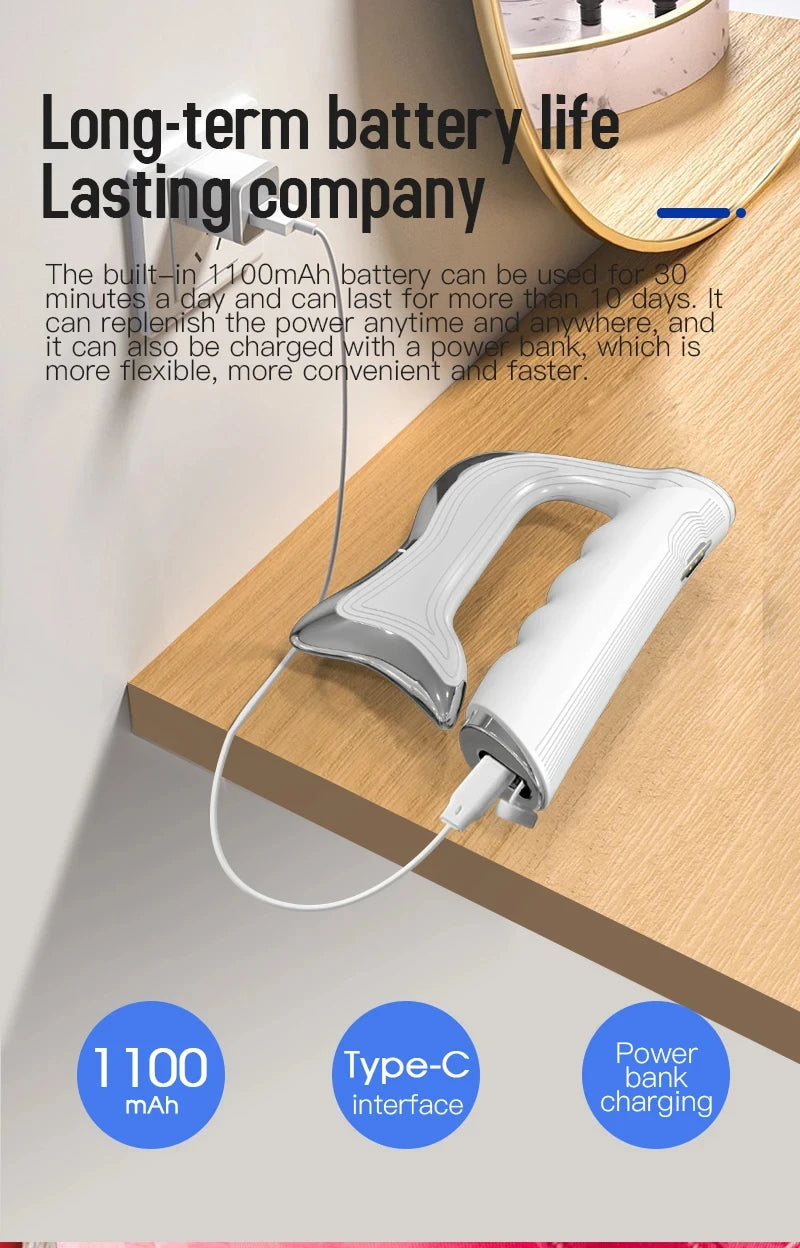
💡 Discover fascia release tools that redefine self-care and recovery.
Why Fascia Release Matters for Mobility & Recovery
Fascia is the connective tissue that wraps muscles and joints. When it becomes stiff, movement may feel restricted and muscles can fatigue faster.
- Relieves muscle tightness after workouts
- Supports blood circulation and recovery
- Improves mobility and flexibility
- Helps maintain better posture
That’s why many wellness enthusiasts now use body care and health devices at home—bringing professional recovery techniques into daily routines.
The 7 Best Fascia Massage Tools (Tested & Compared)
1. KentDO Electric Fascia Massage Blade
The KentDO Electric Fascia Massage Blade combines micro-vibration and ergonomic curvature to mimic professional scraping therapy.
| Pros | Cons |
|---|---|
| ✅ Dual-mode vibration intensity | ❌ Requires charging |
| ✅ Works for both face and body | ❌ Slight learning curve |
| ✅ Medical-grade stainless steel | ❌ Premium price |
Perfect for: users wanting precise fascia release with minimal effort.
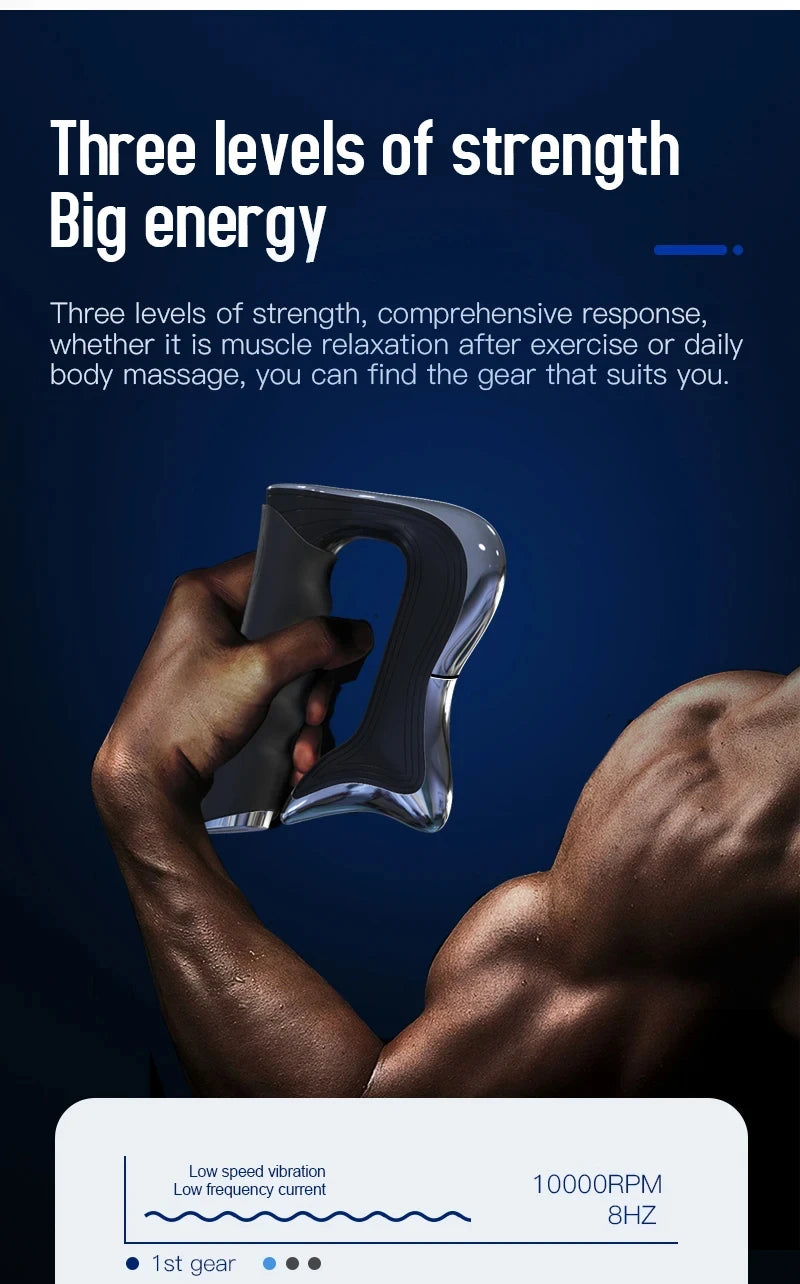
💡 The KentDO fascia blade offers real fascia release benefits.
2. Fascia Blaster Tool
Designed with multiple nodes, this fascia blaster tool covers large muscle groups quickly.
3. Deep Tissue Massage Gun
A massage gun delivers percussive therapy to reduce muscle tension and stimulate circulation.
4. Stainless Steel Fascia Blade
Traditional scraping tools inspired by Gua Sha techniques used in physical therapy.
5. Textured Foam Roller
Great entry-level tool for beginners learning self-myofascial release.
6. Trigger Point Massage Ball
Targets stubborn knots in small muscle areas like shoulders and hips.
7. Manual Fascia Scraping Tool
A compact scraping device ideal for portable recovery sessions.
Fascia Blade vs Massage Gun vs Foam Roller
Best Tool for Deep Adhesions
Fascia blades and scraping tools provide the most precise pressure for stubborn connective tissue restrictions.
Best Tool for Large Muscle Groups
Massage guns are excellent for quads, glutes, and hamstrings because they cover larger areas quickly.
Best Tool for Beginners
Foam rollers are simple to use and apply gentle compression across multiple muscles.
Fascia Blaster Alternatives (Cheaper Tools That Work)
Fascia Blaster Dupes
Many multi-node massage tools mimic the fascia blaster design but cost significantly less.
Budget Fascia Scraping Tools
Stainless steel scraping blades provide similar benefits to professional myofascial release therapy.
Massage Gun Alternatives
Compact percussion massagers offer vibration therapy in smaller, travel-friendly designs.
Which Fascia Tool Is Best for Each Body Area?
Legs & IT Band
Foam rollers and fascia blasters apply consistent pressure across large muscles.
Back & Shoulders
Massage guns are easier to maneuver across upper-body areas.
Glutes & Hips
Trigger point balls provide deep pressure to stubborn knots.
Neck & Arms
Smaller scraping tools allow better control for delicate areas.
Blade Types Compared: Stainless Steel vs Electric
- Stainless Steel Blades: durable, affordable, manual control
- Electric Fascia Blades: assisted vibration, easier for beginners
Who Should (and Shouldn't) Use Fascia Release Tools
People Who Benefit Most
- Athletes with tight muscles
- Desk workers with stiffness
- People improving mobility or flexibility
Who Should Avoid Fascia Scraping
- People with blood clotting disorders
- Those with acute injuries
- Individuals with sensitive skin conditions
How to Use Fascia Massage Tools Safely at Home
Step-by-Step Fascia Scraping Guide
- Apply massage oil to reduce friction.
- Hold the blade at a shallow angle.
- Use slow strokes along muscle fibers.
- Limit each area to 30–60 seconds.
Massage Gun Fascia Routine
- Start with the lowest speed setting.
- Move slowly across tight muscles.
- Avoid joints and bones.
- Use each muscle group for 1–2 minutes.
Do Fascia Rollers and Massage Guns Really Work?
Research suggests that self-myofascial release tools like foam rollers may increase flexibility and reduce soreness after exercise while maintaining muscle performance. :contentReference[oaicite:3]{index=3}
Real Results: What Users Say About Fascia Release Benefits
- Less stiffness after workouts
- Improved mobility
- Better recovery between training sessions
- Smoother muscle movement
"I’ve tried foam rollers, but the KentDO fascia blade changed everything." — Jessica M., Verified Buyer
FAQ: Fascia Massage Tools
Do fascia release tools really work?
Yes. Consistent use may help reduce muscle soreness and increase range of motion.
How often should I use fascia tools?
Most people benefit from 3–4 sessions per week.
Are fascia blades safe?
Yes, when used gently and with proper technique.
Is a massage gun good for fascia release?
Massage guns are effective for stimulating blood flow and loosening tight muscles.
Do fascia rollers work?
Foam rollers are widely used for self-myofascial release and may improve flexibility and recovery.
What is the best fascia blaster alternative?
Massage guns, foam rollers, and scraping blades are common alternatives.