

What is a fog machine setup guide and how do you get perfect effects?
A fog machine setup guide walks you through every stage of preparing, positioning, and operating a fog machine so you can create smooth, consistent atmospheric effects. Whether you're setting up for a party, theatrical performance, concert, haunted house, or photography session, following the correct process helps produce professional-looking fog while avoiding common setup problems.
For the best results, use the correct fog fluid, allow the machine to complete its warm-up cycle, perform a short test burst, and fine-tune the placement before continuous operation. These simple steps improve fog density, maximize lighting effects, and reduce issues such as weak output, fluid spitting, or uneven coverage.
This beginner-friendly guide explains the setup process from start to finish, including how a fog machine works, why warm-up time matters, and how to achieve reliable effects every time you use it.
Fog Machine Setup Guide Step by Step for Perfect Effects
Getting great fog isn't just about pressing the trigger. Proper setup, correct warm-up, and smart placement all influence how evenly the fog spreads and how well it enhances lighting. If you've experienced thin fog, inconsistent bursts, or disappointing results, a few simple adjustments can make a dramatic difference.
⏱ 7 min read
Explore a reliable fog machine built for clean effects
Quick check: Decide whether you want a light atmospheric haze or dense stage fog before you begin. Your ideal effect will influence how long you run the machine, where you place it, and how often you trigger fog output.
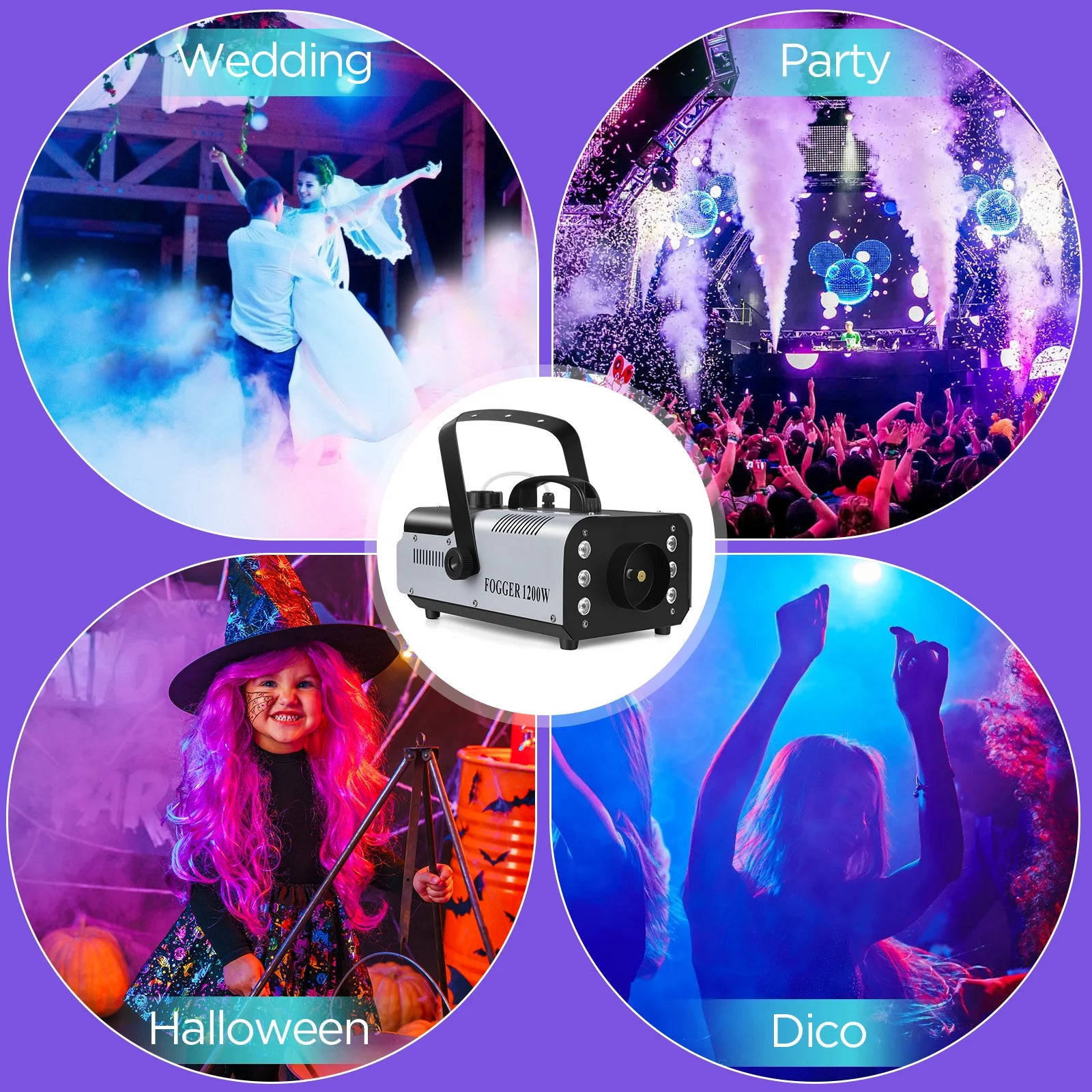
Fog machine setup guide in action — see how placement changes everything
How Does a Fog Machine Work?
Understanding how a fog machine works makes setup much easier and helps explain why warm-up time is essential. Inside the machine, a pump delivers specialized fog fluid into a heated metal chamber. As the fluid reaches the correct temperature, it instantly vaporizes and forms a dense fog when released into cooler air.
Heating Element and Thermostat Cycle
The heating element raises the temperature of the internal heat exchanger until it reaches the operating range required for vaporizing fog fluid. A built-in thermostat continuously monitors this temperature and cycles the heater on and off to maintain consistent performance.
- The heater warms the fog fluid to its operating temperature.
- The pump sends measured amounts of fluid through the heated chamber.
- The vapor exits the nozzle and condenses into visible fog when it contacts cooler surrounding air.
- The thermostat automatically reheats the chamber after each series of fog bursts.
Why the Ready Indicator Turns On and Off
Many beginners wonder why the ready light changes during operation. This is completely normal. When the machine reaches its target temperature, the ready indicator illuminates, signaling that it can produce fog. After a long burst, the heating chamber cools slightly, causing the machine to pause while it reheats. Once the proper temperature is restored, the ready indicator turns on again and the machine is ready for the next burst.
If your fog machine seems to pause between uses, it's usually completing a normal reheating cycle rather than malfunctioning. Waiting for the ready indicator before triggering another burst helps maintain dense, consistent fog output and prevents sputtering or weak performance.
Fog Machine Setup: Step-by-Step Instructions for Beginners
Following the correct fog machine setup sequence improves performance, extends the life of the heater, and helps you produce clean, consistent fog from the very first burst. These fog machine instructions apply to most consumer and professional models, although you should always check your manufacturer's recommendations for fluid type and warm-up time.
Step 1: Choose the Right Location
Place the fog machine on a flat, level, and stable surface with adequate clearance around the air vents and nozzle. Good positioning allows the fog to spread evenly while reducing the chance of overheating or blocked airflow.
- Keep the nozzle clear of walls, curtains, and decorations.
- Leave enough space for ventilation around the housing.
- Avoid placing the machine where people could accidentally kick or tip it over.
- Plan the direction of fog flow before powering on the unit.
Step 2: Fill the Correct Fog Fluid
Use only manufacturer-approved fog fluid designed for your machine. Mixing different fluids or using homemade alternatives can clog the heating chamber, reduce output quality, and shorten the life of the pump.
- Fill the reservoir without exceeding the maximum fill line.
- Secure the cap tightly to prevent leaks.
- Check that the pickup tube remains fully submerged in the fluid.
Step 3: Power On and Complete Preheat
Turn on the machine and allow it to finish its full preheat cycle before attempting to produce fog. Depending on heater wattage, typical fog machine preheat time ranges from about 2 to 10 minutes. Wait until the ready indicator confirms the heater has reached operating temperature.
Trying to trigger fog too early can result in weak output, sputtering, or liquid droplets leaving the nozzle instead of fully vaporized fog.
Step 4: Test the First Fog Output
Start with a short 2–3 second burst to verify that the machine is operating correctly. Observe the fog density, direction, and how it interacts with your lighting before switching to longer bursts or timer operation.
- Check that the fog appears smooth and consistent.
- Adjust the angle if coverage is uneven.
- Confirm there are no unusual noises or leaks.
- Allow the machine to reheat if the ready indicator turns off after the test.
Learn step-by-step with a fog machine designed for beginners
Fog Machine Placement Tips for Better Effects
Proper placement has just as much impact on the final effect as the machine itself. The best fog machine setup for stage effects or parties depends on room size, ventilation, lighting, and the atmosphere you want to create.
Placement for Stage, Parties, and Small Rooms
- Stage: Position the machine behind or beside lighting fixtures so the fog highlights visible light beams without obscuring performers.
- Parties: Place the machine near the edge of the room or dance floor, aiming across the space instead of directly at guests.
- Small rooms: Use lower output and shorter bursts from a corner or wall to build atmosphere gradually while maintaining visibility.
Keep the nozzle pointed away from people, electronics, and delicate decorations. Light natural airflow helps distribute fog evenly, while strong fans or open windows may disperse it too quickly. Testing placement before your event allows you to fine-tune coverage and achieve a more balanced visual effect.
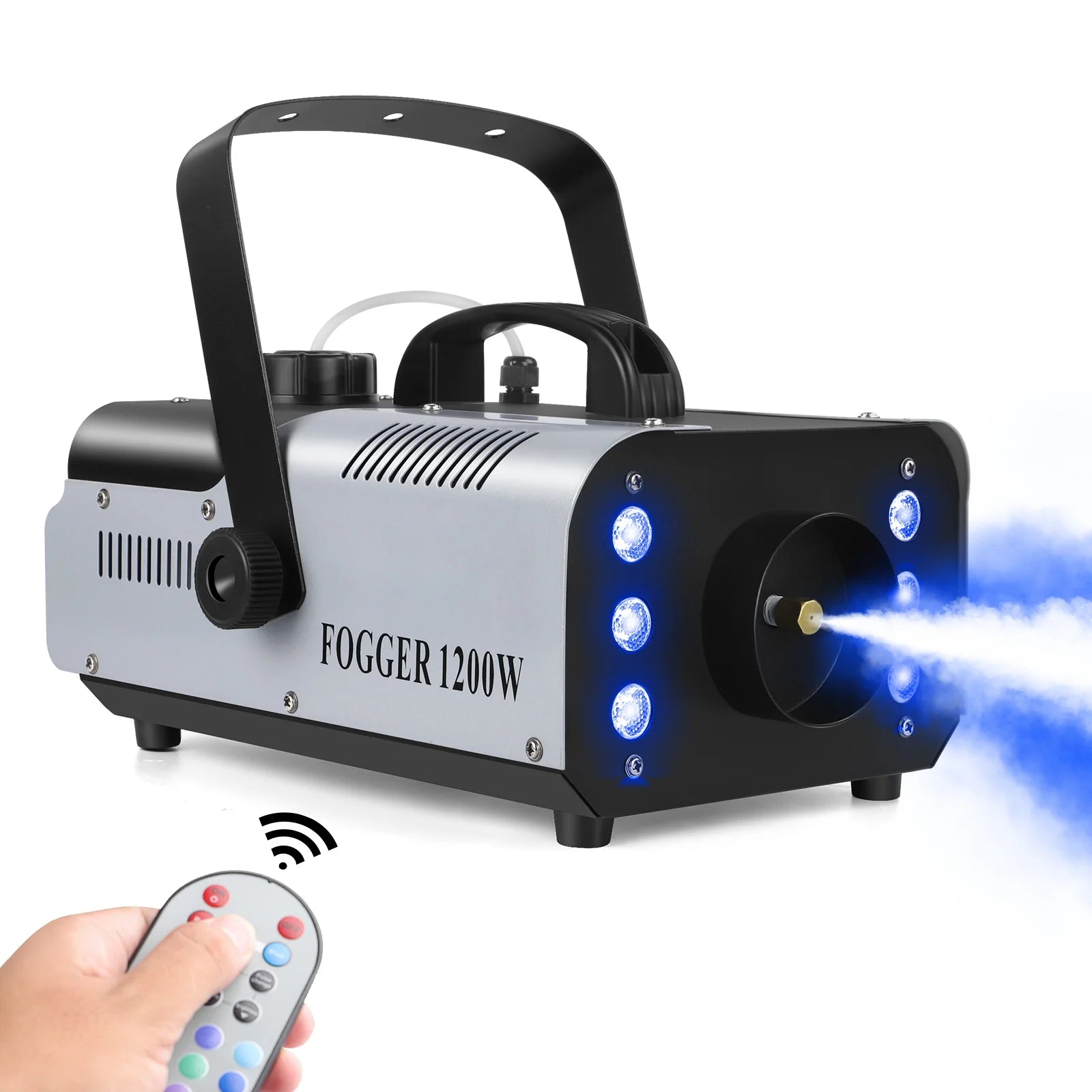
Smart fog machine placement enhances lighting effects — try it yourself
Using Fog Machine Timer Settings for Consistent Output
Proper fog machine timer settings help maintain a steady atmosphere without constantly pressing the remote. A timer also reduces unnecessary fluid consumption and gives the heating system enough time to recover between bursts, resulting in more consistent fog density throughout your event.
Recommended Timer Settings by Scenario
- Small rooms: Use 2–3 second bursts every 2–5 minutes to create a light haze without overwhelming the space.
- Parties: Medium bursts every 5–10 minutes typically maintain visible effects while keeping the dance floor comfortable.
- Stage performances: Schedule frequent short bursts that coordinate with lighting cues or scene changes to maintain dramatic beam visibility.
Begin with conservative settings and gradually increase the burst duration or interval only if the fog dissipates too quickly. Running continuous long bursts forces the heater to recover more often, increases fluid consumption, and may temporarily reduce output while the machine reheats.
If your controller allows separate interval and duration adjustments, make only one change at a time and observe the results before making additional adjustments. This approach makes it easier to find the ideal balance for your venue.
Fog Machine Safety Tips You Should Never Ignore
Following basic fog machine safety tips protects both your equipment and the people around it. Most accidents and performance problems can be avoided through proper operation, regular inspection, and adequate ventilation.
- Use only manufacturer-approved fog fluid that matches your machine.
- Keep the machine away from flammable materials, fabrics, paper, and open flames.
- Operate indoors only in well-ventilated spaces unless the unit is specifically designed for outdoor use.
- Do not touch the nozzle or heating area during or immediately after operation, as these components become extremely hot.
- Route power cables where they cannot become trip hazards or be damaged.
- Avoid blocking air vents, which can reduce cooling efficiency and increase the risk of overheating.
- Turn the machine off and unplug it before refilling fluid, cleaning, or transporting it.
- Store the machine in a dry location after it has cooled completely.
Using the correct fluid, allowing proper airflow, and following the manufacturer's operating instructions helps prevent overheating, protects internal components, and ensures safe, reliable fog production for every event.
Fog Machine Troubleshooting: Quick Fixes for Common Problems
Most fog machine issues are caused by setup, maintenance, or operating conditions rather than equipment failure. Before assuming the machine is defective, work through these common troubleshooting steps to identify and resolve the problem safely.
- No fog output: Verify the fluid reservoir contains enough approved fog fluid, confirm the machine has completed its warm-up cycle, and ensure the ready indicator is on before triggering output.
- Weak or inconsistent fog: Clean the nozzle if residue has accumulated, check that the correct fog fluid is being used, and allow sufficient reheating between long bursts.
- Machine is not heating: Confirm the power switch is on, inspect the power cord and outlet, avoid overloaded extension cords, and check that any circuit breaker has not tripped.
- Machine spits liquid instead of fog: This usually indicates the heater has not reached operating temperature or the machine was triggered before completing its reheating cycle.
- Output decreases over time: Pause briefly to let the heater recover, then inspect the fluid level and consider cleaning the internal system if performance continues to decline.
If the machine still fails to operate after these checks, discontinue use and consult the manufacturer's troubleshooting instructions or service recommendations rather than continuing to run the unit. Regular cleaning and using high-quality fog fluid help prevent most long-term performance issues.
Get yours now — limited stock!
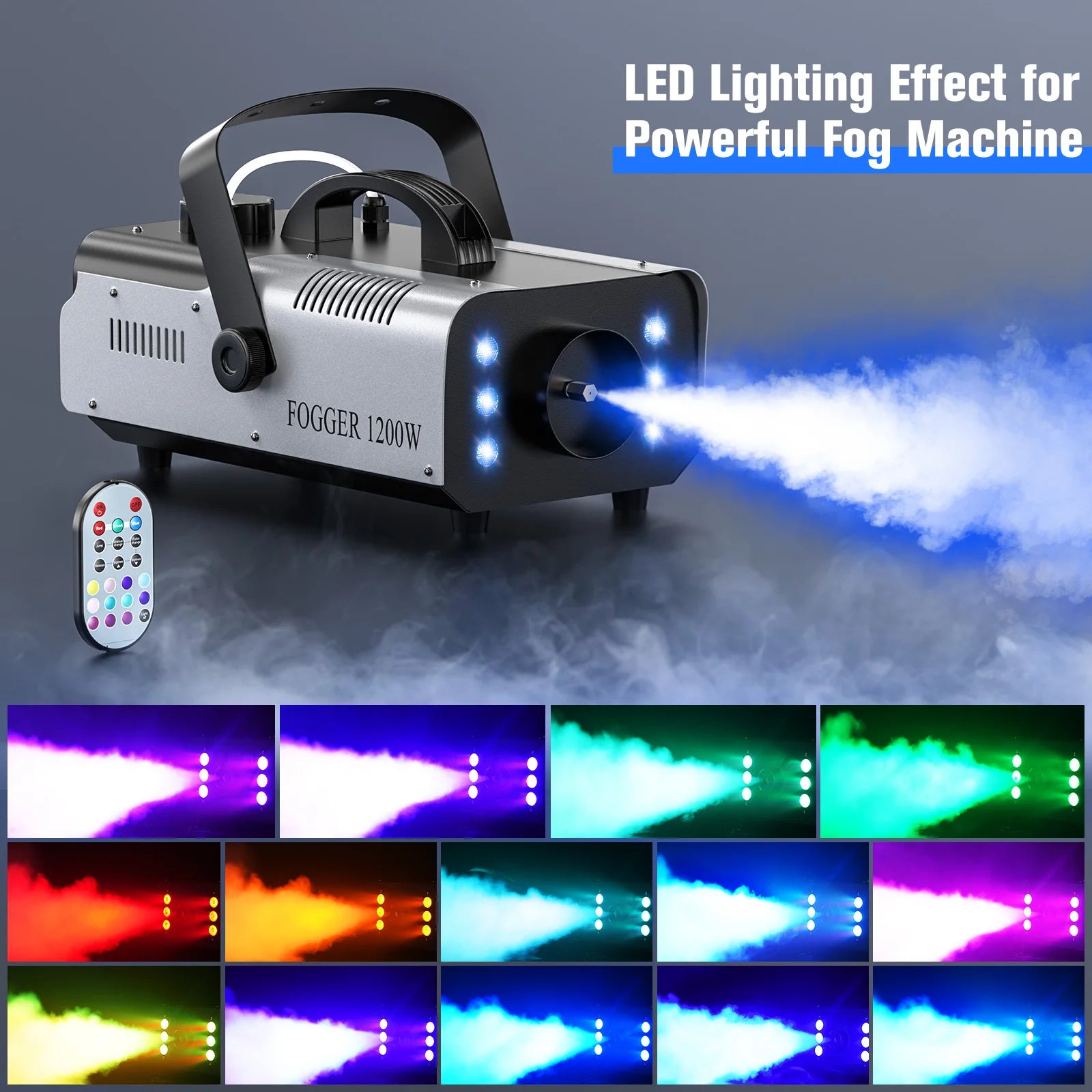
Consistent fog machine operation delivers professional-quality atmospheric effects when the machine is correctly prepared, positioned, and maintained.
For lifestyle inspiration beyond events, explore ideas in the Lifestyle collection to enhance atmosphere and ambience at home.
Frequently Asked Questions
What is the standard fog machine warm-up time?
The standard fog machine warm-up time is typically between 2 and 10 minutes, depending on the heater wattage and model. Smaller machines often reach operating temperature in 2–4 minutes, while larger professional units may require 6–10 minutes before the ready indicator illuminates.
Why is my fog machine still heating after several minutes?
If the ready light has not appeared after the expected warm-up period, check the power supply, confirm the correct fog fluid is being used, and verify that the machine is not connected through an undersized extension cord. If the problem persists, inspect the unit according to the manufacturer's maintenance instructions.
Does wattage affect fog machine warm-up time?
Yes. Higher-wattage fog machines generally heat larger chambers, which may require a slightly longer initial warm-up but usually provide stronger output and shorter recovery times between bursts than lower-powered models.
Why does my fog machine reheat between bursts?
This is normal operation. Each fog burst reduces the temperature inside the heating chamber, so the thermostat briefly reheats the unit before the next burst to maintain consistent fog density.
Can cold temperatures make a fog machine heat more slowly?
Yes. Low ambient temperatures and cold fog fluid can slightly increase warm-up time because the heating element must raise the temperature of the system before vaporization occurs.
Can an extension cord increase warm-up time?
It can. Long or lightweight extension cords may cause voltage drop, reducing heater performance. For best results, plug the machine directly into a suitable outlet or use a heavy-duty extension cord that matches the manufacturer's electrical recommendations.
How do I know when a fog machine is ready?
Most machines include a ready light or controller indicator that turns on when the heating chamber reaches operating temperature. Wait for this signal before producing fog to achieve the best output quality.













