

Do Electric Foot Massagers Really Work? (Evidence-Based Answer First)
Yes. Electric foot massagers can effectively relieve tired, sore feet and temporarily reduce muscle tension when used as directed. By combining rolling massage, air compression, vibration, and optional heat, they help relax soft tissues, stimulate circulation, and promote short-term pain relief after standing, walking, or exercising.
Most people notice improved comfort within a 10–20 minute session . While these devices can be a valuable part of a daily recovery routine, they should not be considered a cure for medical conditions such as severe plantar fasciitis, peripheral neuropathy, fractures, or inflammatory joint diseases.
Bottom line: An electric foot massager works best as a convenient home wellness tool for everyday foot fatigue, recovery, and relaxation—not as a replacement for professional diagnosis or medical treatment.
- Best for: tired feet, mild muscle soreness, stress relief, post-work recovery, and everyday relaxation
- Less effective for: severe or persistent foot pain caused by underlying medical conditions that require professional care
Do Electric Foot Massagers Really Work? Benefits, Risks & Honest Verdict (2026 Guide)
A foot electric massager can make a noticeable difference if your feet feel sore after long workdays, workouts, or hours of standing. Modern machines do much more than vibrate—they often combine shiatsu-style rollers, air compression, soothing heat, and customizable massage programs to target the arches, heels, toes, and soles simultaneously. Understanding how these technologies work can help you choose a model that matches your comfort needs and expectations.
In this guide, you'll learn what current evidence says about electric foot massagers, who benefits the most, where their limitations lie, and which features provide the greatest value for daily recovery and relaxation.
⏱ 7 min read
Explore how different massage technologies and features address specific causes of foot discomfort below.
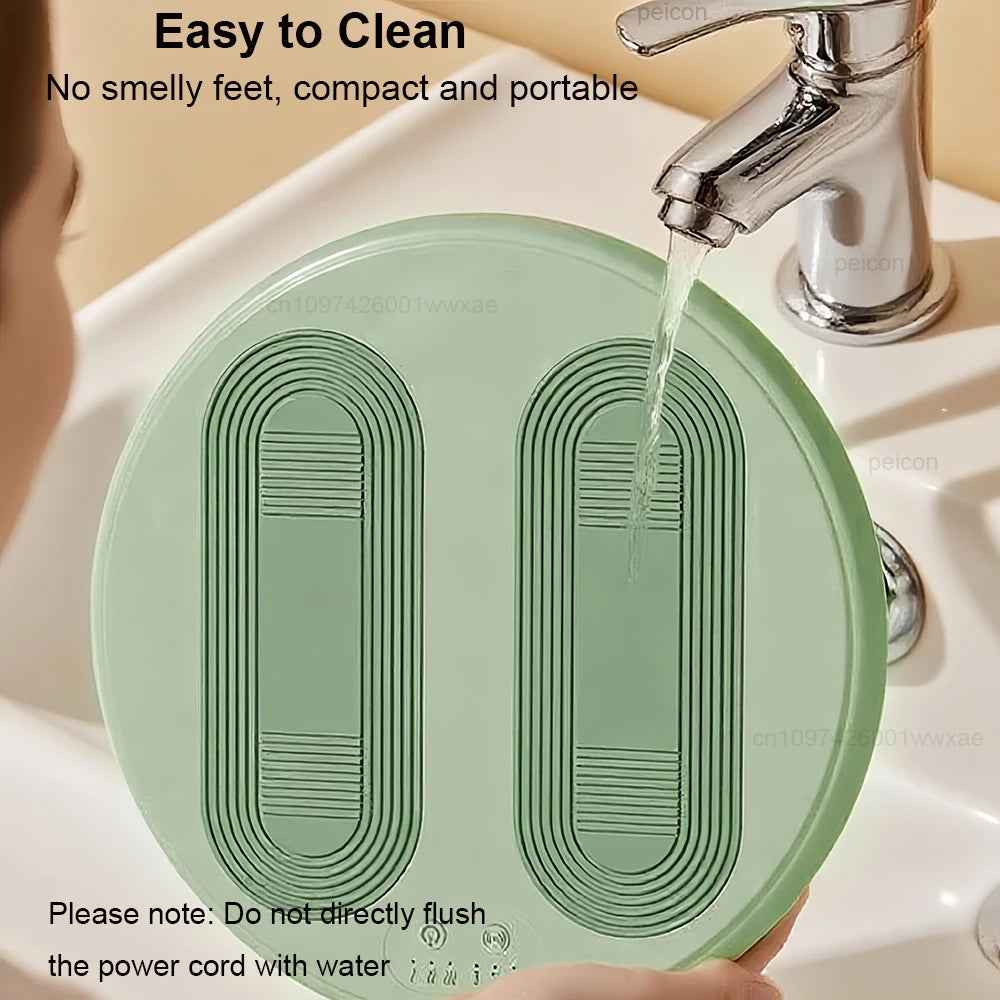
A closer look at a modern foot electric massager designed for daily comfort. See it in action.
How Electric Foot Massagers Actually Work (Science Explained Simply)
Muscle Relaxation & Pressure Stimulation
Most electric foot massagers use rotating massage nodes, rollers, or shiatsu-style mechanisms to apply rhythmic pressure across the soles of your feet. This mechanical stimulation helps loosen tight muscles, reduce stiffness, and improve flexibility in tissues that become fatigued after prolonged standing, walking, or exercise. The massage also encourages relaxation by reducing muscle tension throughout the feet and lower legs.
Circulation & Blood Flow Support
Many models include air compression and gentle heat, which may temporarily increase local blood circulation and create a warming sensation. Improved circulation can help reduce feelings of heaviness, ease mild swelling from prolonged standing, and support post-activity recovery. While circulation benefits vary between individuals, these features are often among the most appreciated by users with tired feet.
Nerve Stimulation & Pain Relief Signals
Vibration and rolling massage stimulate sensory nerve endings in the feet. According to the pain gate theory, increased sensory input may temporarily reduce how strongly pain signals are perceived by the brain. This explains why many users experience immediate but temporary relief from soreness, muscle fatigue, and everyday foot discomfort following a massage session.
Why Your Feet Hurt More Than You Expect After a Long Day
Your feet absorb tremendous daily stress. During an average day, they support your full body weight through thousands of steps while constantly adapting to uneven surfaces, maintaining balance, and absorbing impact. Over time, this repetitive workload can contribute to muscle fatigue, tight connective tissues, reduced flexibility, and localized inflammation—particularly around the heels, arches, and balls of the feet.
- Standing or walking for extended periods
- Wearing shoes with inadequate support or cushioning
- Age-related loss of joint flexibility and soft tissue elasticity
- Overuse conditions such as plantar fasciitis or strained foot muscles
Ignoring persistent foot discomfort doesn't just affect your feet. Altered walking patterns can place additional stress on your ankles, knees, hips, and lower back, making early management of foot fatigue an important part of overall mobility and daily comfort.
Benefits of Electric Foot Massagers (What You'll Actually Notice)
Immediate Relief (Tension & Fatigue)
The most noticeable benefits usually occur during or immediately after a session. By combining kneading, rolling, compression, and vibration, electric foot massagers help relax overworked muscles and reduce the feeling of tired, heavy feet after a long day.
- Relieves muscle tension in the arches, heels, and soles
- Reduces stiffness caused by prolonged standing or walking
- Promotes relaxation after work, travel, or exercise
- Provides noticeable comfort for many users within 10–20 minutes
Long-Term Benefits (Circulation & Recovery)
While a single massage session offers temporary relief, consistent use may help support overall foot wellness. Regular massage encourages healthy circulation, reduces post-activity discomfort, and makes it easier to recover from everyday physical demands.
- Supports healthy blood circulation through massage and compression
- May help reduce mild swelling in the feet and ankles after extended standing
- Encourages muscle recovery following walking, running, or low-impact exercise
- Promotes greater flexibility and ongoing foot comfort as part of a daily self-care routine
Who Benefits Most (Real-Life Use Cases)
Electric foot massagers are designed for everyday comfort rather than medical treatment. They are especially useful for people whose feet experience repetitive stress throughout the day.
- Healthcare workers, retail employees, teachers, hospitality staff, and others who spend hours standing
- Walkers, runners, gym-goers, and recreational athletes seeking post-workout recovery
- Office workers who experience stiffness after long periods of sitting
- Older adults looking for a convenient way to improve relaxation and everyday foot comfort
- Anyone who regularly experiences tired, aching feet after daily activities
Are Electric Foot Massagers Good for You? (Who They Work For vs Not)
For most healthy adults, electric foot massagers are considered a safe addition to a home wellness routine when used according to the manufacturer's instructions. They can improve comfort, encourage relaxation, and temporarily ease muscle soreness without requiring professional massage appointments.
- Good for: tired feet, mild muscle soreness, stress reduction, relaxation, post-work recovery, and temporary circulation support
- Use with caution: people with diabetes, reduced sensation, peripheral neuropathy, circulatory disorders, fragile skin, or those who bruise easily
- Avoid if: you have open wounds, active infections, recent fractures, severe inflammation, blood clots, or any condition where massage has been discouraged by your healthcare provider
If you have chronic pain, significant swelling, numbness, or an underlying medical condition, speak with a healthcare professional before incorporating regular foot massage into your routine.
Disadvantages of Foot Massage Machines (Honest Downsides)
When It May Not Help
Although many users experience meaningful relief, electric foot massagers have limitations. They manage symptoms rather than address the underlying cause of persistent foot pain.
- Severe plantar fasciitis, arthritis, nerve disorders, or structural foot problems often require medical evaluation and targeted treatment
- Pain relief is typically temporary and works best alongside stretching, supportive footwear, and healthy activity habits
- Results vary depending on the quality of the device, massage intensity, and the cause of your discomfort
Potential Risks or Overuse Concerns
Using an electric foot massager correctly is important for both comfort and safety. Longer sessions or excessive pressure do not necessarily produce better results.
- Extended sessions may cause temporary tenderness or skin sensitivity
- High-intensity settings can feel uncomfortable for first-time users or those with sensitive feet
- People with certain medical conditions should seek professional guidance before regular use
- Massage should be stopped immediately if it causes significant pain, numbness, or worsening symptoms
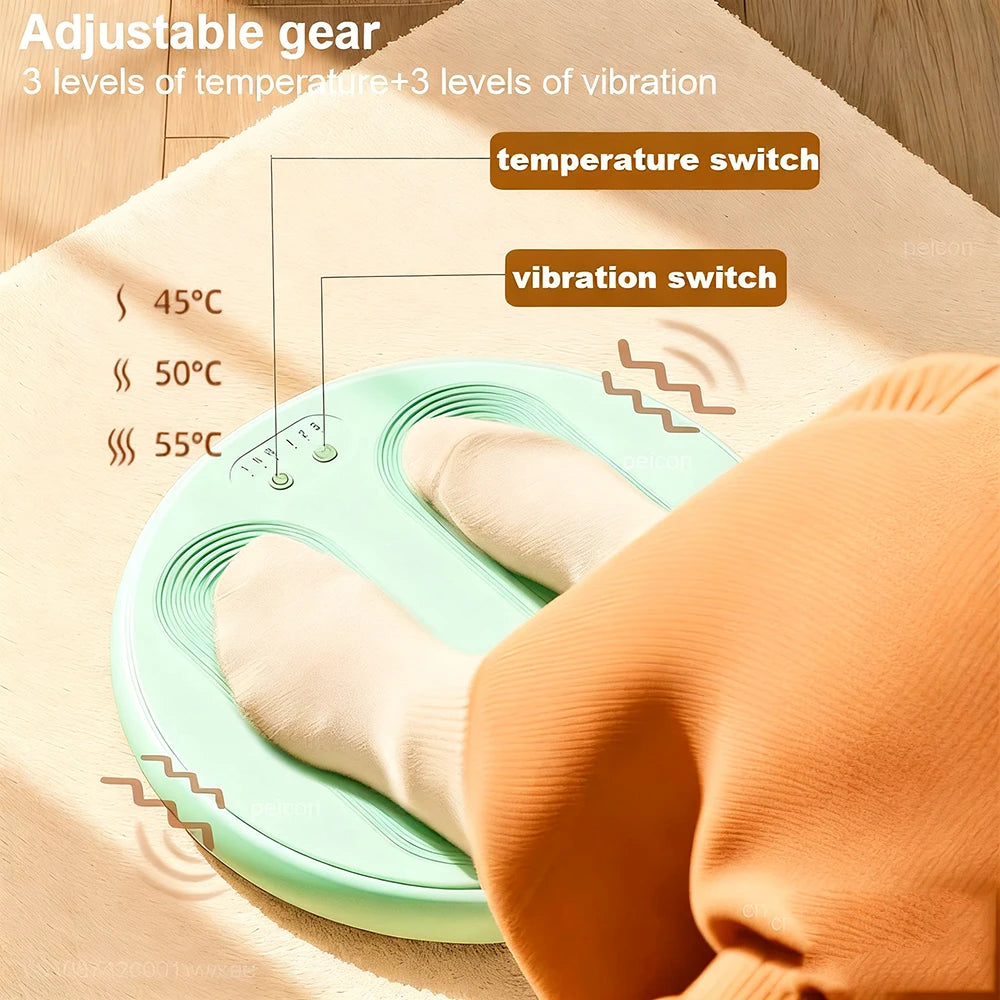
Comparing rolling, compression, and heat in a home foot massage machine. See it in action.
Types of Foot Massage Machines (What Actually Matters)
Shiatsu vs Compression vs Vibration
The best electric foot massager depends less on brand and more on the massage technologies it uses. Many premium models combine multiple functions to provide a more complete massage experience.
- Shiatsu: Rotating massage nodes mimic the kneading motion of a massage therapist's hands. This option is ideal for relieving muscle tension, tight arches, and general foot fatigue.
- Compression: Air chambers gently inflate and deflate around the feet, creating rhythmic pressure that supports circulation and helps ease the sensation of tired, heavy feet after long periods of standing.
- Vibration: Provides gentle stimulation that promotes relaxation and may temporarily reduce feelings of soreness. Vibration is often preferred by users seeking a lighter massage experience.
For many users, a machine that combines shiatsu massage with air compression offers the best balance between deep muscle relief and everyday comfort.
Heat Function: Worth It or Not?
For many people, the answer is yes. Gentle heat complements mechanical massage by helping muscles relax more easily while providing a soothing warming sensation. Although heating elements in foot massagers are typically designed for comfort rather than intensive heat therapy, they can make massage sessions feel more effective—particularly during colder months or after physically demanding days.
Heat is especially valuable if you frequently experience:
- Cold feet during everyday activities
- Morning stiffness
- Muscle tightness after work or exercise
- General discomfort that improves with warmth
Which Foot Electric Massager Is Right for You?
For Occasional Tired Feet
If your feet only become sore after shopping, travel, or occasional long workdays, a compact massage machine with basic rolling massage or vibration is usually sufficient. These models provide convenient relief without unnecessary features.
For Daily Standing or Walking Jobs
People who spend several hours on their feet benefit most from machines that combine shiatsu rollers, adjustable air compression, and optional heat. Multiple intensity settings make it easier to tailor each massage session based on daily fatigue levels.
For Chronic Pain or Plantar Fasciitis
Individuals experiencing recurring heel or arch discomfort should look for models offering adjustable massage intensity, targeted roller placement, and gentle heat. While these features may help reduce everyday discomfort, they should be viewed as supportive care rather than a replacement for professional diagnosis or treatment.
Before purchasing, consider practical features such as adjustable intensity, foot size compatibility, washable liners, automatic shut-off timers, and overall ease of cleaning. These details often have a greater impact on long-term satisfaction than cosmetic design alone.
Many readers exploring Body Care and Health Devices find that selecting a model with the right combination of massage functions provides better long-term value than simply choosing the most powerful machine.
KentDO Electric Foot Massager: Real-World Example
One example of a well-rounded home massage device is the KentDO Electric Foot Massager. It combines several of the features commonly recommended for daily foot care, making it suitable for people who want a more comprehensive massage experience without leaving home.
- Shiatsu-style rolling massage to target tired muscles
- Adjustable intensity levels for different comfort preferences
- Multiple massage programs for personalized sessions
- Optional heat function to enhance relaxation
- Designed for regular home use after work, exercise, or long periods of standing
Rather than focusing on a single massage technique, this type of design illustrates what many shoppers should prioritize when comparing electric foot massagers: adjustable settings, multiple massage methods, and comfortable day-to-day usability.
You can explore more here: KentDO Electric Foot Massager .
Check availability of the KentDO Electric Foot Massager while stock lasts.
How to Use an Electric Foot Massager for Best Results
Using a foot massager correctly helps maximize comfort while minimizing the risk of temporary soreness. Short, consistent sessions are generally more effective than infrequent, extended treatments.
- Begin with a 10–15 minute session, especially if you're using the machine for the first time.
- Select a low or medium intensity setting and gradually increase it only if it remains comfortable.
- Position both feet evenly so the massage rollers and air compression work as intended.
- Use the massager after work, exercise, long walks, or prolonged standing when your feet are most fatigued.
- Limit use to one or two sessions per day unless your healthcare provider recommends otherwise.
- Stop immediately if you experience significant pain, numbness, or worsening discomfort.
For even better results, combine massage with supportive footwear, regular stretching, adequate hydration, and appropriate rest. Consistency is typically more beneficial than increasing session length.
Many users combine foot care with routines from the Beauty & Self-Care Blog for a more complete relaxation routine.
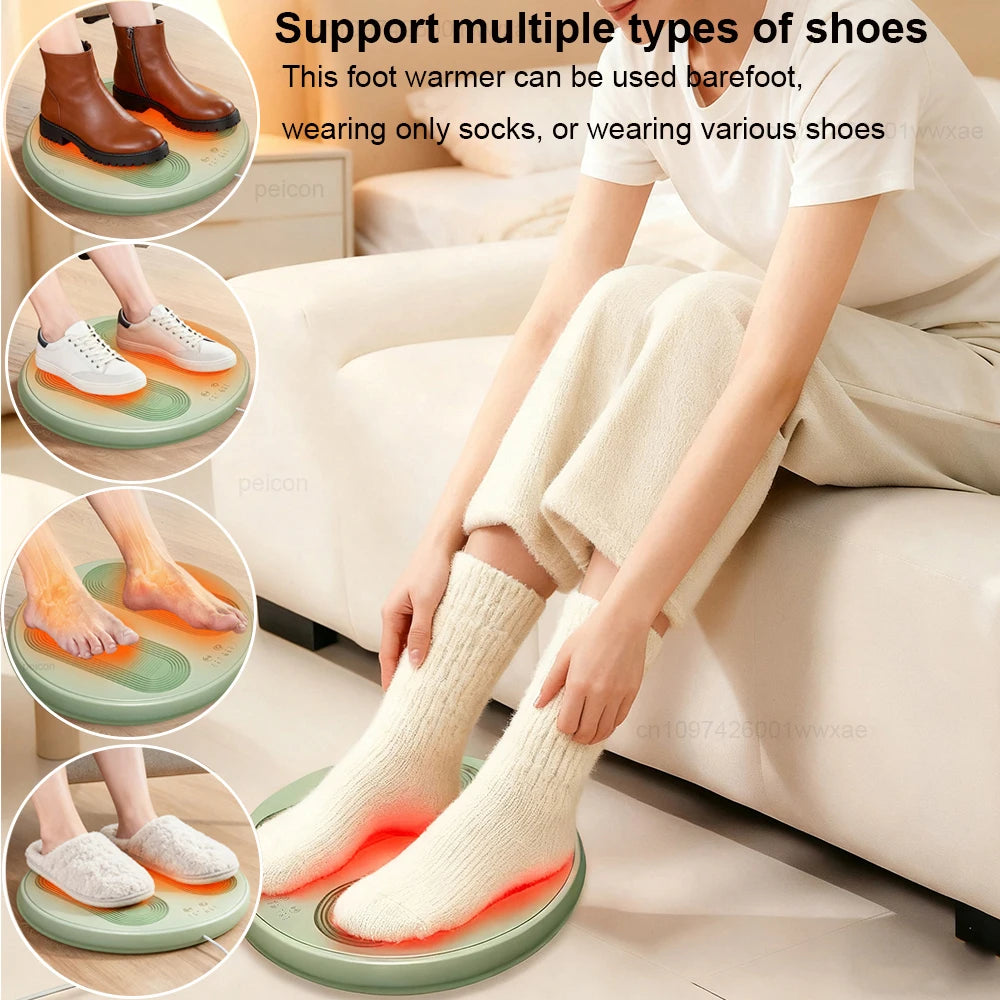
Integrating a foot electric massager into your evening routine. See it in action.
Are Electric Foot Massagers Worth It? (Final Verdict)
For most people who regularly deal with tired, sore, or overworked feet, an electric foot massager is a worthwhile investment. It provides convenient, repeatable relief at home while helping reduce everyday muscle tension and promote relaxation without the recurring cost of professional massage appointments.
That said, expectations should remain realistic. Even the best foot massage machines are designed to support comfort and recovery—they are not intended to diagnose, treat, or cure medical conditions. If pain is severe, persistent, or accompanied by swelling, numbness, or injury, professional medical evaluation remains essential.
- Worth it for: everyday foot fatigue, post-work recovery, relaxation, stress relief, and convenient home self-care
- Less worth it for: untreated injuries, advanced plantar fasciitis, significant nerve disorders, or other conditions requiring medical treatment
Quick FAQs About Electric Foot Massagers
Can a foot massager help plantar fasciitis?
It may temporarily reduce heel and arch discomfort by relaxing surrounding muscles and soft tissues. However, it should be used alongside stretching, supportive footwear, and any treatment recommended by your healthcare provider rather than as a standalone solution.
Is it bad to use a foot massager too much?
Yes. Excessive use or very high intensity settings may cause temporary tenderness or irritation. Most manufacturers recommend limiting sessions to approximately 10–20 minutes.
How often should you use a foot massager?
For most healthy adults, one or two sessions each day are sufficient to support relaxation and relieve everyday foot fatigue. Regular moderate use generally produces better results than occasional long sessions.
Do foot massagers improve circulation?
Massage, air compression, and gentle heat can temporarily stimulate local blood flow and create a feeling of warmer, more relaxed feet. While these features support circulation, they should not be considered treatment for circulatory disease.
Discover how a trusted home foot massage machine can transform your daily comfort.
Related Guide: Foot Massager for Plantar Fasciitis: Top Options Compared













