

Does a foot spa really work?
Yes, a foot spa can work well as a home relaxation and recovery tool, especially for people dealing with tired feet, temporary soreness, muscle tension, or cold feet. The overall foot spa effectiveness comes from combining several comfort-focused therapies that regular soaking cannot provide.
A foot spa works through four main mechanisms:
- Heat therapy: Warm water helps relax muscles, improve comfort, and temporarily support circulation by encouraging blood vessel dilation.
- Hydrotherapy: Moving water and bubbles create gentle stimulation that can reduce the feeling of tired, heavy feet.
- Vibration therapy: Vibrations provide light mechanical stimulation that may help release tension after standing or walking for long periods.
- Massage rollers: Built-in rollers apply pressure to the soles, mimicking a gentle foot massage experience.
For most users, noticeable comfort improvements can happen within 10–20 minutes, including warmer feet, reduced stiffness, and relaxation. However, a foot spa is not designed to treat injuries or chronic medical conditions. Its biggest value comes from consistent use as part of a recovery routine.
Understanding how effective a foot spa is depends on your goal. Someone looking for nightly relaxation may find significant benefits, while someone needing deep tissue therapy may require a different solution.
Foot Spa Benefits: Are They Worth Buying in 2026?
Very cold feet, daily foot fatigue, and soreness after long hours of standing can affect your comfort and relaxation. A home foot spa provides a convenient way to combine warmth, massage, and hydrotherapy without visiting a professional spa.
The best home foot spa benefits come from using the device consistently and choosing features that match your needs. This guide explains what foot spas actually do, how they compare with other options, and whether buying one is a worthwhile investment.
⏱ 7 min read
Discover how a foot home spa supports daily comfort, relaxation, and tired feet recovery.
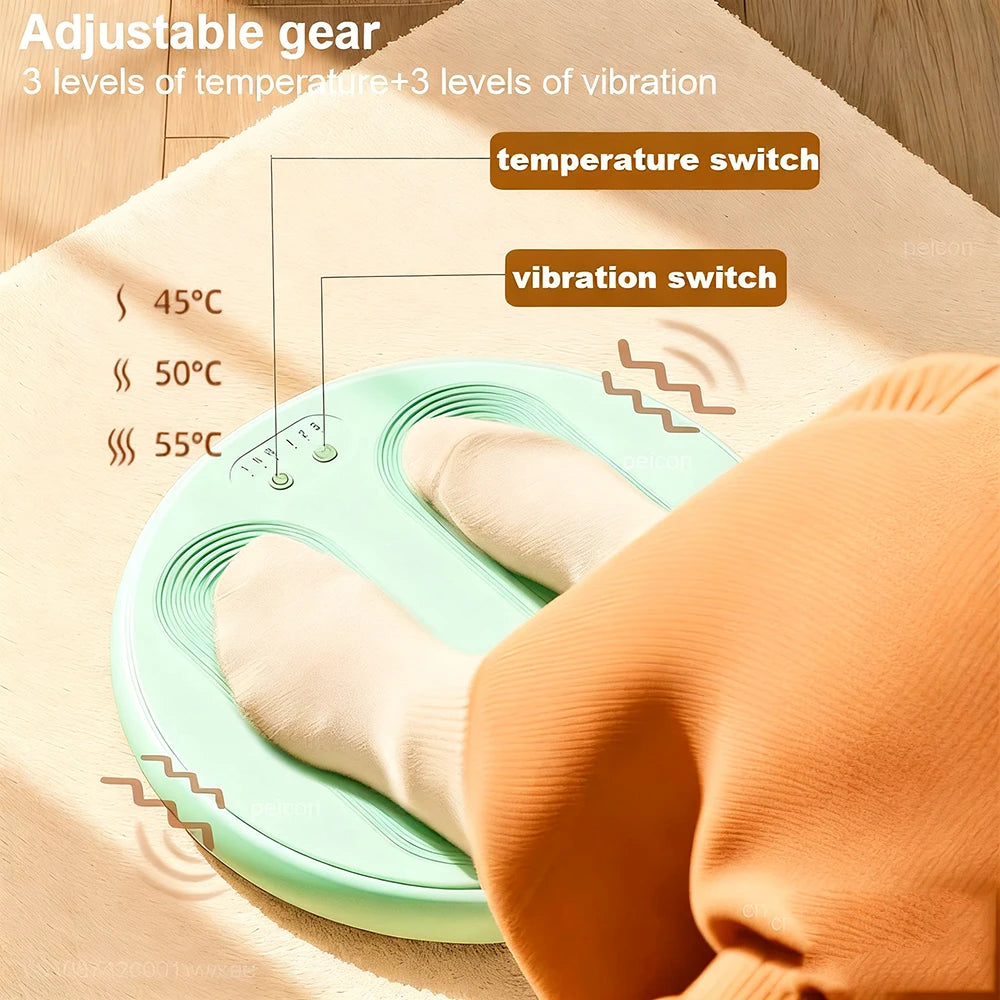
Soothing foot home spa experience at home See it in action
Foot Spa Benefits That Actually Matter
Pain relief and muscle recovery
One of the most common reasons people buy a foot spa is to relieve tired feet after standing, walking, exercising, or working long hours. Warm water helps loosen tight muscles, while rollers and vibration provide gentle stimulation to areas that often carry daily pressure.
For people with occasional soreness, a foot spa can support relaxation and recovery. However, it should not replace professional care for persistent pain, injuries, or serious foot conditions.
Improved circulation and warmth
Warm water therapy is one of the main reasons foot spas feel effective. Heat encourages temporary increases in blood flow near the feet, helping users feel warmer and more comfortable.
This makes foot spas especially appealing for people with sedentary lifestyles, office workers, or anyone whose feet often feel cold after inactivity. The effect is usually temporary and works best when combined with movement and healthy circulation habits.
Stress reduction and relaxation
A foot spa can create a calming routine after a stressful day. The combination of warm water, gentle vibration, and massage can help reduce physical tension and encourage relaxation before bedtime.
Many users include foot spa sessions as part of a nighttime wellness routine because the experience feels soothing without requiring much effort.
Skin care and foot hygiene
Warm water softens dry skin and makes regular foot care easier. A foot spa can help prepare feet before exfoliation, moisturizing, or basic maintenance routines.
While it improves comfort and hygiene, a foot spa does not replace proper cleaning, moisturizing, or professional treatment for severe skin problems.
How a Foot Spa Works (Heat, Hydrotherapy, Vibration & Rollers)
Heat retention vs passive soaking
A regular basin provides warm water, but many foot spas maintain temperature throughout the session. This allows users to enjoy consistent warmth without repeatedly adding hot water.
Temperature control is one of the features that improves the overall foot spa effectiveness , especially during longer relaxation sessions.
Hydrotherapy and bubble therapy
Bubble jets create water movement that adds stimulation compared with still soaking. This gentle hydrotherapy effect can make feet feel refreshed while enhancing the relaxation experience.
Bubble features are mainly designed for comfort rather than medical treatment, so they should be viewed as a relaxation benefit.
Massage rollers and vibration
Massage rollers target the soles of the feet with mechanical pressure, helping mimic a basic massage experience. Vibration adds another layer of stimulation that many users find helpful after physical activity.
However, these features are generally lighter than dedicated massage devices, making foot spas better suited for relaxation than deep muscle work.
What features actually make a difference
- Adjustable heating: More useful than simple warm-water soaking because temperature stays consistent.
- Massage rollers: Helpful for users who want extra stimulation for tired soles.
- Bubble jets: Improve relaxation but are less important for targeted massage.
- Easy cleaning design: Essential for long-term hygiene and convenience.
Foot Spa vs Other Relaxation Methods
Foot spa vs manual soaking
Manual soaking is inexpensive and provides warmth, but it lacks temperature control, massage rollers, and water movement. A foot spa offers a more complete relaxation experience for regular users.
Foot spa vs heated foot massager
A heated foot massager usually provides stronger pressure and targeted massage, making it better for users who prioritize muscle stimulation. A foot spa is often better for people who prefer warmth, relaxation, and a gentler experience.
Foot spa vs foot roller and massage gun
Foot rollers and massage guns can provide deeper pressure but require more active use. A foot spa offers a hands-free approach that combines warmth and relaxation.
Foot spa vs professional foot massage
Professional massage provides expert techniques and deeper treatment, but repeated visits can become expensive. A foot spa provides convenient daily comfort at a lower long-term cost.
Comparison Table: Which Option Gives the Best Value?
| Option | Cost per use | Pain relief effectiveness | Maintenance | Best for |
|---|---|---|---|---|
| Foot spa | Low after purchase | Moderate for tired feet | Requires cleaning | Relaxation, warmth, daily comfort |
| Manual soaking | Very low | Basic warmth only | Minimal | Occasional relaxation |
| Heated foot massager | Low after purchase | Higher massage intensity | Moderate | Targeted foot tension |
| Professional massage | Highest | High with expert technique | None at home | Deep relaxation and occasional treatment |
Is a Foot Spa Worth Buying?
Cost vs long-term value
A foot spa can be worth buying when it becomes part of your regular routine. Instead of paying for repeated spa visits, one purchase can provide ongoing access to heat and relaxation at home.
Cost-per-use analysis
The value increases with frequency. Someone using a foot spa several times per week may achieve a much lower cost per session compared with professional treatments.
Who gets the best value
A foot spa is most valuable for people who regularly experience:
- Foot fatigue after work
- Cold feet and discomfort
- Stress after long days
- Need for a simple nighttime relaxation routine
When another option is better
If your priority is intense muscle recovery, deep pressure massage, or treatment for a specific condition, a dedicated massage device or professional guidance may be more suitable.
Experience the comfort of a foot home spa designed for real relaxation.
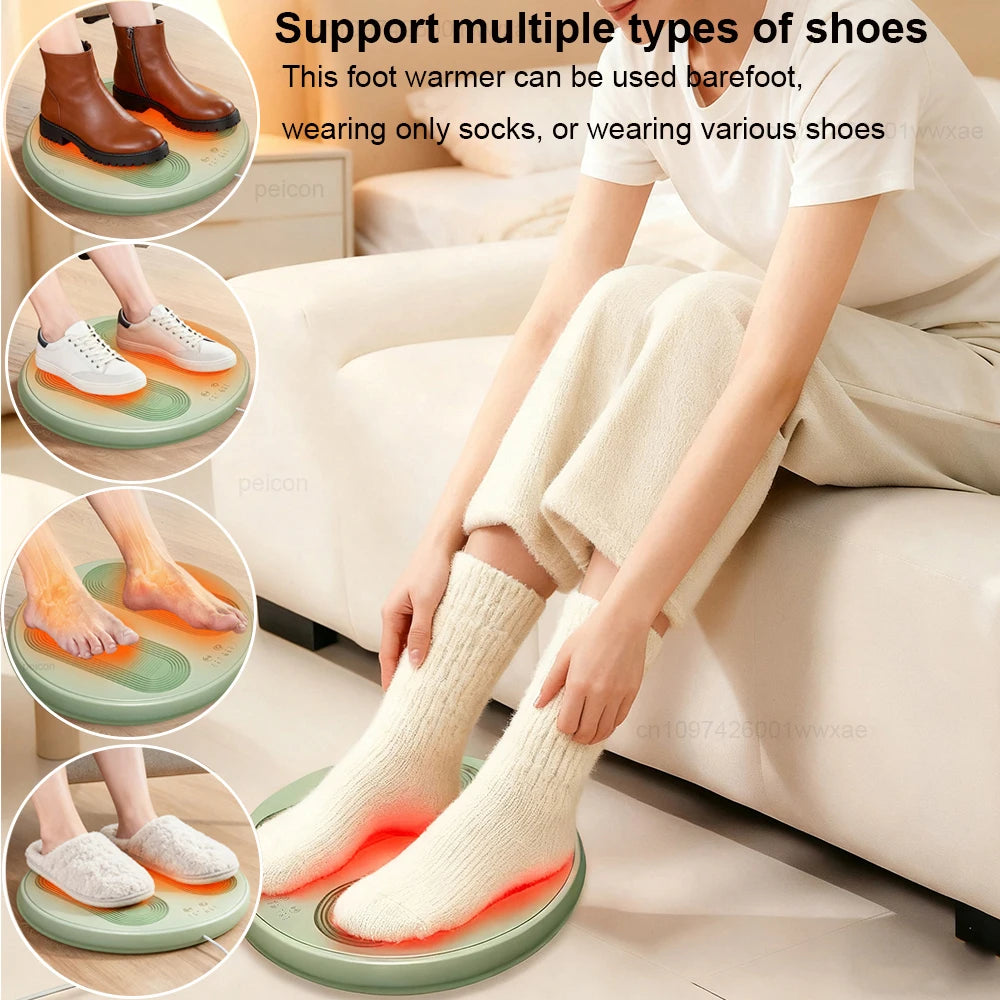
Home spa for feet that supports warmth and relaxation See it in action
Foot Spa Advantages and Disadvantages
-
Advantages:
- Provides relaxing heat and gentle massage
- Convenient for regular home use
- Helps soothe tired feet after daily activities
- Lower long-term cost than frequent spa visits
-
Disadvantages:
- Requires cleaning after use
- Takes storage space
- Not suitable as a replacement for medical treatment
- Massage intensity may be limited compared with dedicated devices
Who Should and Should Not Buy a Foot Spa
Best for plantar fasciitis and tired feet
Some people with occasional foot discomfort find warm water and gentle massage helpful for relaxation. However, plantar fasciitis is a medical condition, and a foot spa should only be considered a comfort tool rather than a treatment.
Best for athletes and people standing all day
A foot spa can be useful for runners, active individuals, retail workers, healthcare workers, and anyone who places repeated stress on their feet.
Who should avoid or consult a doctor
- People with reduced sensation in their feet
- Individuals with circulation-related medical concerns
- Anyone with open wounds or infections
- Users advised to avoid heat therapy
Best alternatives by condition
Users needing stronger pressure may prefer a foot massager, while those seeking simple warmth may find basic soaking sufficient.
How to Choose the Right Foot Spa
Heating performance
Look for models with reliable temperature control rather than simple water warming. Consistent heat improves comfort during longer sessions.
Massage and bubble features
Choose features based on your goals. Rollers help with foot stimulation, while bubbles mainly improve relaxation.
Cleaning and hygiene
A removable basin, easy-drain design, and simple cleaning process help maintain hygiene and extend product life.
Foldable vs full-size models
Compact models are easier to store, while larger units may provide more comfort for frequent users.
How to Use a Foot Spa for Maximum Benefits
To maximize the benefits of foot spa at home , focus on consistency, comfort, and safe usage.
- Fill the foot spa with warm water at a comfortable temperature.
- Use the device for around 15–20 minutes per session.
- Allow rollers and vibration features to work without applying excessive pressure.
- Use several times per week based on your comfort level.
- Dry feet completely after each session.
- Clean the basin regularly to prevent buildup.
Using a foot spa in the evening can support relaxation and create a calming bedtime routine.
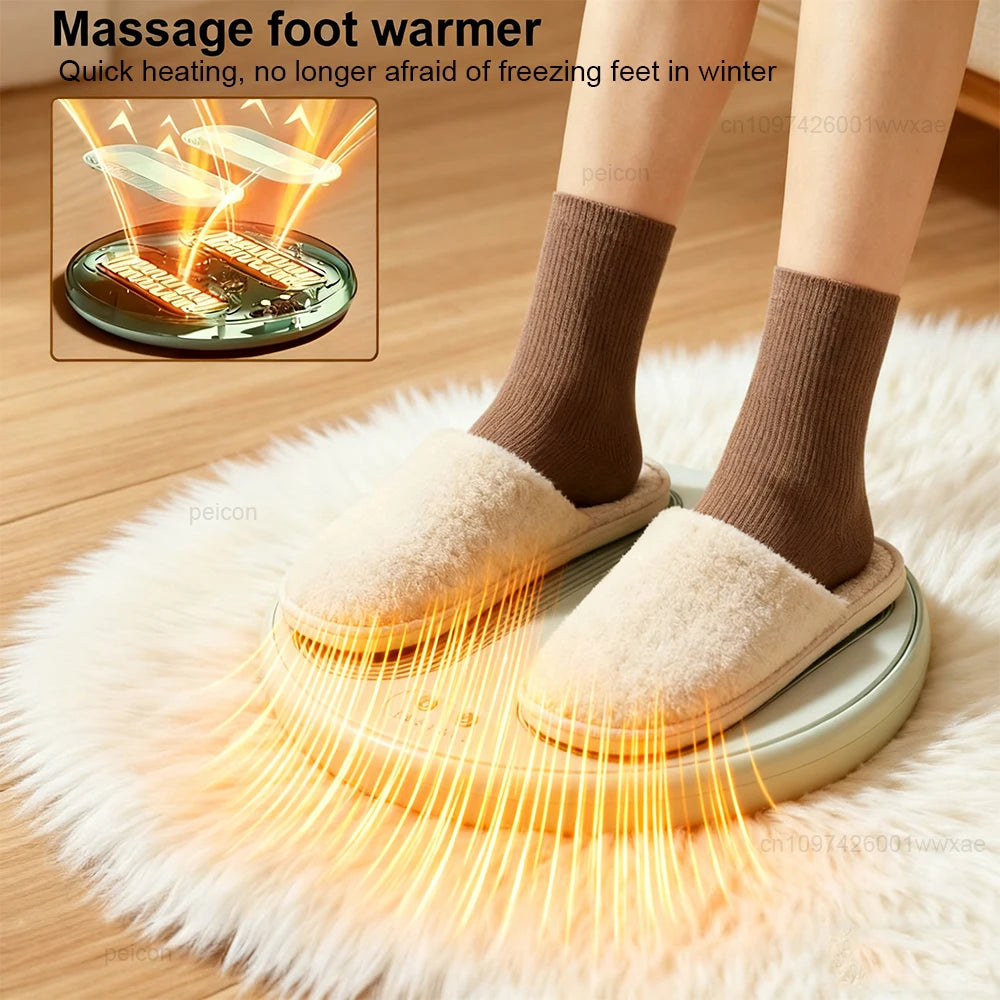
Soothing foot spa for home use before bed See it in action
Frequently Asked Questions
Are foot spas worth it?
Foot spas are worth it for users who regularly want warmth, relaxation, and relief from tired feet. They provide the best value when used consistently.
Are foot spas useful for plantar fasciitis?
A foot spa may provide temporary comfort through warmth and relaxation, but it does not treat plantar fasciitis. People with persistent symptoms should seek professional advice.
How effective is a foot spa for sore feet?
A foot spa can be effective for temporary soreness caused by daily activity, standing, or general fatigue by combining heat, water movement, and gentle massage.
Can you use a foot spa every day?
Yes, many users can use a foot spa daily if sessions remain short, water temperature is controlled, and the device is cleaned properly.
Do foot spas improve circulation?
Foot spas can temporarily support circulation through heat and massage stimulation, helping feet feel warmer and more comfortable.
What are the disadvantages of owning a foot spa?
The main disadvantages include cleaning requirements, storage needs, and limited massage intensity compared with professional treatments.
Which foot spa features are actually worth paying for?
Temperature control, comfortable rollers, easy cleaning, and durable construction are usually more valuable than extra features that do not improve daily usability.
Related Guide: Foot Massage Devices: Features That Transform Foot Care













