

Does Foot Massage Really Improve Blood Circulation? What the Evidence Says
Yes—research suggests that foot massage can temporarily improve local blood flow, especially to the skin and soft tissues, by applying rhythmic pressure that supports venous return and encourages blood vessel relaxation. However, current evidence shows that while foot massage improves circulation for many healthy adults in the short term, it should not be viewed as a treatment for vascular disease or chronic circulation disorders.
Key Findings from Clinical Research
Clinical studies have found that massage therapy may increase skin blood flow, reduce muscle tension, and temporarily improve circulation in the feet and lower legs. Researchers believe these effects result from mechanical compression of veins, stimulation of the nervous system, and local vasodilation. The strongest evidence supports improvements in comfort, warmth, and short-term blood flow rather than permanent changes in vascular health.
Temporary Blood Flow Changes vs Long-Term Circulation Improvements
Massage sessions often produce noticeable warmth and reduced heaviness immediately afterward because blood vessels briefly widen and blood moves more efficiently through the area. Long-term improvements usually depend on combining massage with regular walking, strength exercises, healthy weight management, hydration, and treatment of any underlying medical conditions.
Foot Massage for Circulation: How It Works + Proven Benefits & Techniques
⏱ 6 min read — Sore, heavy feet can drain your energy and affect daily comfort. Whether you spend hours sitting at a desk or standing at work, circulation in the lower legs may become sluggish. A consistent foot massage routine can help relieve tired feet, temporarily improve blood flow, and become part of a broader strategy for maintaining healthy circulation.
Explore comfort-focused options designed for daily relief
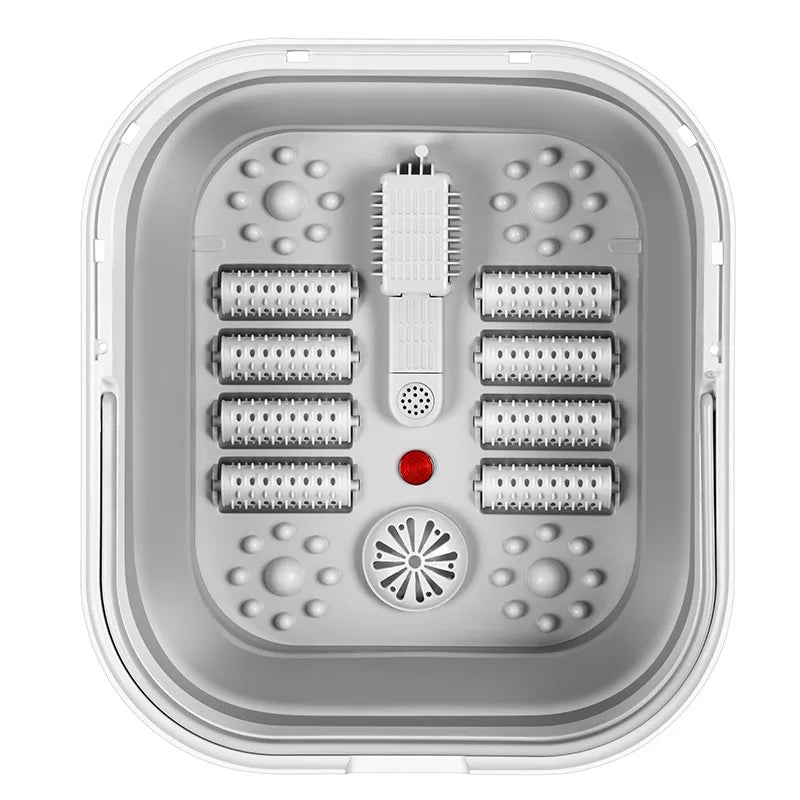
Daily foot massage circulation support for tired feet relief — See it in action
How Circulation Works in Your Feet (And Why It Slows Down)
Your feet sit farther from the heart than any other part of the body, so efficient circulation depends on healthy arteries, veins, muscle contractions, and movement. Walking activates the calf muscles, which function as a natural pump that helps move blood back toward the heart. When movement decreases, blood and fluid are more likely to collect in the lower legs.
Blood Flow vs Lymphatic Flow
Blood circulation carries oxygen and nutrients through arteries and returns waste through veins. The lymphatic system removes excess fluid, proteins, and cellular waste. Unlike the heart-driven circulatory system, lymphatic flow relies almost entirely on muscle movement and gentle external pressure such as massage.
Common Causes of Poor Circulation in Feet
- Long periods of sitting or standing
- Limited physical activity
- Tight footwear that restricts normal movement
- Age-related changes in blood vessels
- Smoking and cardiovascular risk factors
- Medical conditions affecting arteries, veins, or nerves
Why Feet Feel Heavy, Swollen, or Cold
Heavy or tired feet may develop when blood and fluid remain in the lower extremities for prolonged periods. Reduced venous return is one possible cause, but symptoms can also result from muscle fatigue, footwear, joint problems, nerve conditions, or prolonged inactivity.
Cold feet may occur because less warm blood reaches the skin, while swelling often reflects fluid accumulation after standing or sitting for extended periods.
- Swelling from reduced venous return or fluid retention
- Cold sensation caused by decreased skin blood flow
- Muscle fatigue after prolonged standing
- Tingling or numbness that may involve nerve irritation
If these symptoms become persistent, occur in only one leg, or are accompanied by severe pain, skin discoloration, ulcers, or wounds that do not heal, medical evaluation is important because massage alone cannot address serious vascular disease.
How Foot Massage Affects Blood Flow
Mechanical Compression and Venous Return
Massage compresses soft tissues and superficial veins, helping move blood upward toward the heart. This temporary assistance may reduce pooling in the feet and ankles after prolonged inactivity.
Local Vasodilation and Skin Blood Flow
Massage also increases skin temperature and promotes local vasodilation, meaning nearby blood vessels widen slightly. As a result, more blood reaches the skin for a short period, which explains why many people notice warmer feet immediately after treatment.
Nervous System Response
Gentle massage activates pressure receptors in the skin that encourage relaxation and reduce sympathetic nervous system activity. Lower muscle tension may indirectly support healthy circulation by reducing unnecessary vascular constriction.
What Research Shows About the Mechanism
Current evidence supports temporary improvements in local circulation and comfort following massage. Researchers continue studying whether repeated massage sessions create meaningful long-term vascular adaptations, but existing studies suggest the greatest benefits occur when massage complements exercise rather than replaces it.
What the Research Says About Foot Massage and Circulation
Healthy Adults
Studies involving healthy participants generally report short-term increases in skin blood flow, improved foot warmth, and reduced feelings of fatigue after massage sessions lasting approximately 10–20 minutes.
Older Adults
Older adults may experience improved comfort, flexibility, and temporary circulation support because aging naturally reduces blood vessel elasticity. Massage may also encourage relaxation and mobility when included alongside regular physical activity.
People with Diabetes or Neuropathy
Some small studies suggest carefully supervised massage may improve comfort and local circulation in selected individuals with diabetes. However, people with neuropathy, reduced sensation, foot ulcers, or significant vascular disease should seek medical guidance before beginning any massage routine.
Evidence Limitations
Most published studies involve relatively small participant groups and evaluate immediate effects rather than long-term cardiovascular outcomes. Overall, the evidence supports massage as a complementary wellness practice instead of a standalone medical treatment for poor circulation.
Evidence-Based Foot Massage Techniques to Support Blood Flow
Basic Circulation Massage
- Warm the feet using a towel or comfortably warm water.
- Apply a small amount of lotion or massage oil.
- Use long, gentle strokes from the toes toward the ankle.
- Massage the sole with moderate thumb pressure.
- Finish by lightly squeezing the calf and ankle toward the knee.
Pressure Guidelines
Pressure should feel comfortable rather than painful. Excessively deep massage offers little additional circulation benefit and may increase soreness, especially in older adults or people with sensitive feet.
Session Length and Frequency
Most research uses sessions lasting between 10 and 20 minutes several times each week. Even a daily 5–10 minute routine may help reduce feelings of heaviness when combined with regular walking and stretching.
Learn how a heated foot bath fits into daily relaxation
Does Heat Improve the Effects of Foot Massage?
Heat naturally widens superficial blood vessels, while massage encourages movement of blood and lymphatic fluid. Used together, they often produce greater feelings of warmth and relaxation than massage alone.
Heat vs Massage Alone
Massage primarily improves mechanical movement of soft tissues, whereas heat increases tissue temperature and promotes vasodilation. Combining both approaches may enhance comfort for healthy adults after long days of standing or sitting.
- Heat promotes temporary blood vessel dilation.
- Massage supports venous and lymphatic movement.
- The combination often improves perceived comfort more than either intervention alone.
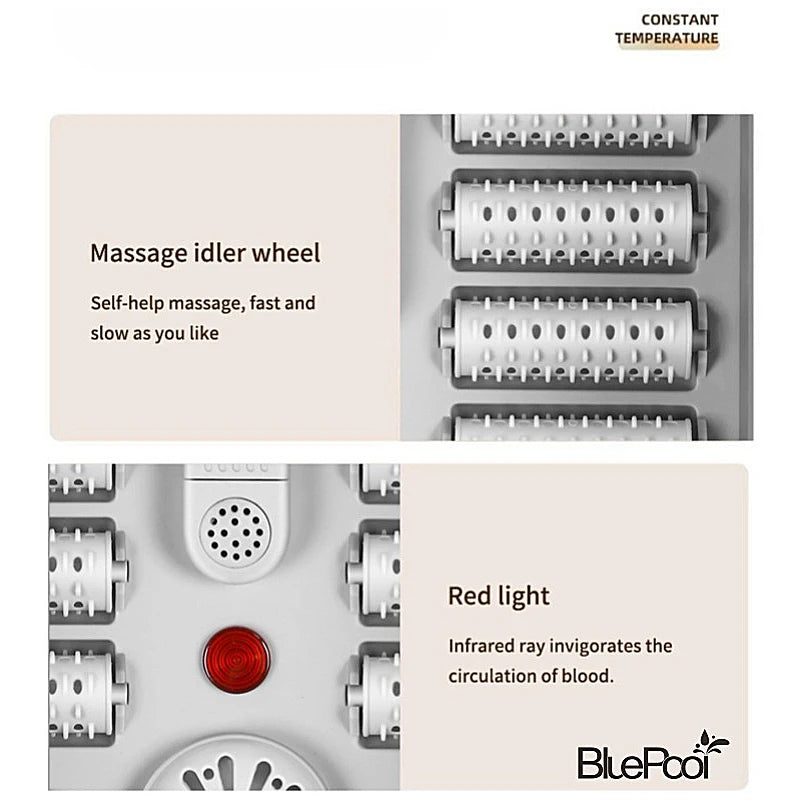
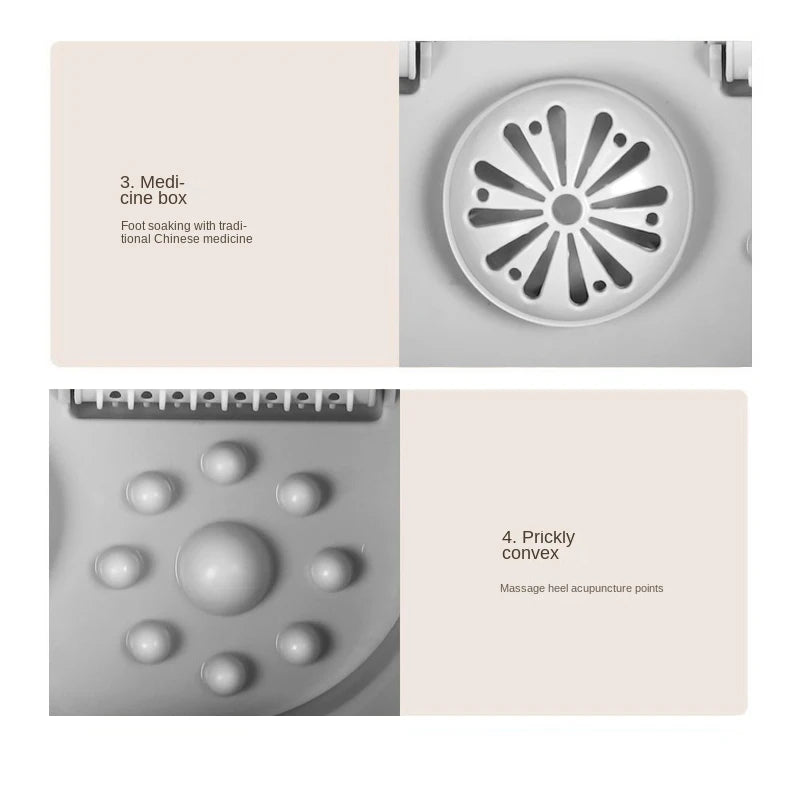
The KentDO Heated Foot Bath Massager combines soothing warmth with massage to support relaxation and temporary circulation benefits at home.
| Feature | Potential Benefit |
|---|---|
| Heated water | Supports temporary vasodilation and relaxation |
| Massage rollers | Provide consistent mechanical stimulation |
| Deep basin design | Comfortable full-foot immersion |
Who Should Avoid Heat Therapy
People with severe peripheral artery disease, reduced sensation, advanced diabetic neuropathy, burns, or open wounds should avoid prolonged heat exposure unless advised by a healthcare professional.
Foot massage circulation support during an evening wind-down — See it in action
Who Benefits Most from Foot Massage for Circulation
Sedentary Individuals
People who sit for extended periods often experience temporary blood pooling in the lower legs. Massage may help restore comfort when paired with frequent movement breaks.
People with Cold Feet
Those who frequently notice cold feet due to mild reductions in skin blood flow may experience temporary warmth after massage, particularly when combined with heat.
Older Adults
Regular gentle massage can improve flexibility, comfort, and relaxation while encouraging healthy movement habits that benefit circulation.
People with Diabetes (Medical Guidance Required)
Individuals with diabetes should inspect their feet regularly and consult a healthcare provider before using vigorous massage or heated devices, particularly if neuropathy or poor wound healing is present.
Consistent massage may support temporary circulation improvements and tired feet relief — See it in action
When Foot Massage Is Not Enough
Warning Signs of Vascular Disease
Massage cannot treat blocked arteries or serious vein disorders. Seek prompt medical evaluation if you develop persistent leg pain while walking, pale or blue skin, non-healing wounds, severe swelling in one leg, or sudden numbness.
Conditions Requiring Medical Assessment
Peripheral artery disease, deep vein thrombosis, uncontrolled diabetes complications, chronic ulcers, and unexplained swelling require professional diagnosis and treatment. Massage should complement—not delay—appropriate medical care.
When to Avoid Foot Massage (Safety Considerations)
Blood Clots and Acute Injury
Avoid massage if deep vein thrombosis is suspected or after a recent traumatic injury unless your healthcare provider approves it.
Open Wounds or Infection
Do not massage areas with cuts, ulcers, active skin infections, or severe inflammation until they have healed.
Severe Peripheral Artery Disease
People with advanced arterial disease may have compromised blood supply and should seek individualized medical advice before beginning massage or heat therapy.
Frequently Asked Questions
Does foot massage improve blood circulation according to research?
Yes. Research supports temporary improvements in local blood flow and comfort, although evidence for permanent circulation improvements remains limited.
How long does increased blood flow last after a foot massage?
Most improvements occur during and shortly after treatment. Regular sessions combined with exercise help maintain overall circulation more effectively.
Can foot massage improve circulation in people with diabetes?
It may benefit some individuals, but those with neuropathy, ulcers, or significant vascular disease should first consult their healthcare provider.
Is foot massage better than walking for improving circulation?
No. Walking activates the calf muscle pump and provides broader cardiovascular benefits. Massage works best as a complement to regular physical activity rather than a replacement.
Can massage prevent poor circulation?
Massage alone cannot prevent circulatory disorders. Healthy lifestyle habits, exercise, and management of cardiovascular risk factors remain the most effective long-term strategies.
How often should you massage your feet for circulation?
Aim for 5–10 minutes most days of the week or 10–20 minute sessions several times weekly, depending on your comfort and health status.
Does using heat with foot massage improve results?
For many healthy adults, adding gentle heat enhances relaxation and temporary blood flow. Heat should be avoided when sensation is impaired or wounds are present.
When should you avoid foot massage?
Avoid massage if you have suspected blood clots, open wounds, severe infections, recent fractures, or advanced peripheral artery disease unless instructed otherwise by your healthcare provider.













