

Do Foot Massage Mats Really Work?
Yes, foot massage mats can be effective for many people when used consistently and with realistic expectations. By stimulating pressure-sensitive areas on the soles of the feet, they may temporarily improve local circulation, reduce muscle tension, ease foot fatigue, and promote relaxation. Current research suggests the strongest evidence supports short-term pain relief and stress reduction, while claims about treating internal organs or curing medical conditions are not supported by high-quality clinical evidence.
What Clinical Research Suggests
Studies on reflexology and acupressure indicate that pressure stimulation may help reduce perceived pain, improve relaxation, and temporarily increase blood flow in some users. Benefits vary depending on the individual, the underlying condition, and how consistently the mat is used. Most studies evaluate symptom management rather than permanent treatment.
Benefits Supported by Evidence vs Marketing Claims
Evidence most strongly supports relaxation, temporary pain reduction, and relief of tired feet. Marketing claims suggesting foot massage mats detoxify the body, permanently improve circulation, or treat diseases should be viewed cautiously because they are not consistently supported by current scientific research.
Foot Massage Mat Benefits: How to Use and Maximize Results
⏱ 7 min read
Foot reflexology mat users often wonder whether a full mat or another type of foot massage tool delivers better relief at home. If your feet feel sore after standing all day, exercising, or wearing restrictive shoes, understanding how each option works can help you choose the right solution. This guide explains foot massage mat benefits, compares popular foot massage tools, reviews current evidence, and shows how to safely build an effective home routine.
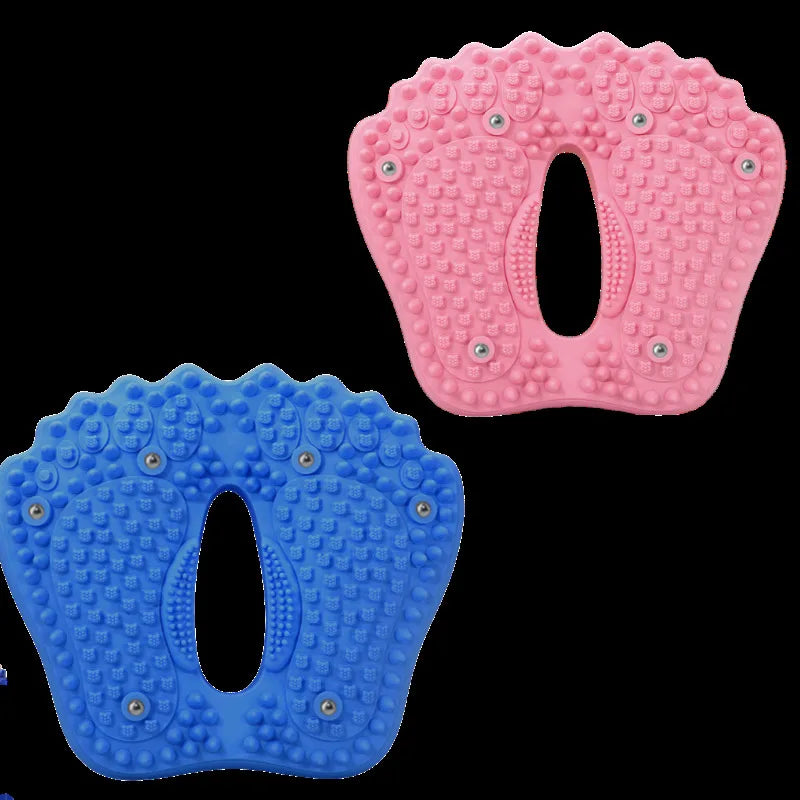
Foot reflexology mat overview for daily home relief • See it in action
What Are Foot Reflexology Mats and How Do They Work?
A foot reflexology mat , sometimes called an acupressure foot mat , features dozens or hundreds of raised nodes that apply pressure across the soles of the feet. Unlike manual massage, the mat distributes pressure over multiple areas simultaneously, making it easy to incorporate into a daily wellness routine.
Foot Reflexology vs Acupressure Explained
Although the terms are often used interchangeably, reflexology and acupressure come from different traditions. Reflexology proposes that specific regions of the feet correspond to other parts of the body, while acupressure focuses on stimulating pressure points along energy pathways. Modern foot massage mats generally combine ideas from both approaches but primarily work through mechanical pressure rather than precise therapeutic mapping.
How Pressure Stimulation Affects Nerves, Muscles, and Circulation
Standing on a foot massage mat stimulates sensory nerve endings in the skin and underlying tissues. This stimulation may:
- Increase awareness of foot position and movement
- Encourage muscles to relax after prolonged standing
- Temporarily improve local blood circulation
- Trigger natural pain-modulating responses within the nervous system
- Promote relaxation through sensory stimulation
Traditional Reflexology Theory vs Current Scientific Evidence
Traditional reflexology suggests that stimulating specific foot zones can influence distant organs. While many users report feeling relaxed after treatment, modern clinical research has not confirmed that foot pressure points directly affect internal organ function. Current evidence supports using a foot reflexology mat primarily as a comfort and relaxation tool rather than a medical treatment.
Do Foot Massage Mats Really Work?
For many healthy adults, foot massage mats provide noticeable short-term relief from tired, achy feet. They work best when expectations are realistic and they are used consistently alongside healthy lifestyle habits.
What Clinical Research Suggests
Research on acupressure and reflexology indicates modest improvements in relaxation, temporary pain reduction, and perceived well-being. Evidence is strongest for reducing stress and improving comfort rather than treating specific medical conditions.
Benefits Supported by Evidence vs Marketing Claims
| Supported by Current Evidence | Limited or Unsupported Claims |
|---|---|
| Temporary pain relief | Detoxifying the body |
| Reduced foot fatigue | Curing chronic diseases |
| Relaxation and stress reduction | Permanently improving circulation |
| Improved comfort after standing | Replacing medical treatment |
Foot Massage Mat vs Other Foot Massage Tools
| Tool | Best For | Pros | Limitations |
|---|---|---|---|
| Foot massage mat | Daily full-foot stimulation | Hands-free, consistent pressure | Fixed intensity |
| Massage roller | Arch massage | Good for plantar fascia | Requires active movement |
| Massage ball | Targeted sore spots | Portable and inexpensive | Covers only one area at a time |
| Electric foot massager | Passive relaxation | Heat and massage programs | Higher cost |
| Acupressure sandals | Walking stimulation | Portable | Less comfortable for beginners |
Massage Rollers
Massage rollers are ideal for stretching the arch and can complement routines for plantar fascia mobility.
Massage Balls
Massage balls provide concentrated pressure for knots and localized soreness, making them popular after running or sports.
Electric Foot Massagers
Electric massagers often combine kneading, vibration, compression, or heat. They provide a more passive experience but typically cost significantly more than a foot massage mat.
Acupressure Sandals
Acupressure sandals stimulate the feet while walking but generally feel more intense than mats and may require a gradual adjustment period.
Top Foot Reflexology Mat Benefits
Pain Relief and Reduced Foot Fatigue
People who spend hours standing, walking, or exercising often use foot massage mats to ease tired muscles and reduce daily foot discomfort. The effects are usually temporary but may become more noticeable with regular use.
Relaxation and Stress Reduction
Pressure stimulation activates sensory pathways that many users find calming. A short session before bed or after work can become part of a relaxing evening routine.
Improved Circulation and Recovery
Standing on the mat encourages small, temporary increases in local blood flow. While this should not be viewed as treatment for circulation disorders, it may contribute to improved comfort after prolonged inactivity.
Support for Daily Foot Comfort
Consistent use may help maintain foot flexibility, reduce feelings of stiffness, and encourage regular foot self-care.
For those exploring broader wellness tools, pairing foot care with options from Body Care and Health Devices can create a more complete routine.
Who Should and Shouldn't Use a Foot Reflexology Mat?
Who May Benefit Most
A foot massage mat may be especially helpful for:
- People who stand for long work shifts
- Recreational athletes
- Office workers with tired feet after commuting
- Individuals seeking a simple home relaxation routine
- People experiencing occasional foot fatigue
Who Should Avoid or Consult a Healthcare Professional
Consult a healthcare professional before using a foot reflexology mat if you have:
- Open wounds or skin infections
- Recent fractures or severe foot injuries
- Diabetic neuropathy with reduced sensation
- Peripheral vascular disease
- Severe swelling of unknown cause
- Pregnancy with high-risk complications or if advised by your healthcare provider
If you experience worsening pain, numbness, or persistent discomfort, discontinue use and seek medical advice.
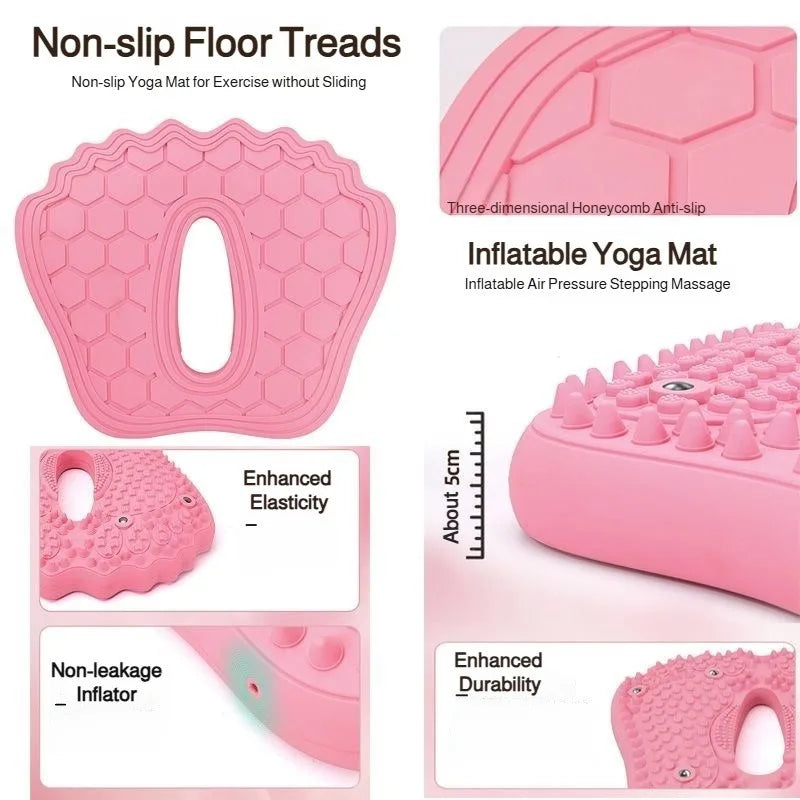
Comparing foot reflexology vs foot massage methods • See it in action
How to Use a Foot Massage Mat Safely at Home
Step-by-Step Guide
- Place the mat on a stable, non-slip surface.
- Begin with bare feet or thin socks if you're sensitive.
- Stand evenly on both feet.
- Shift your weight gently to vary pressure.
- Finish with light stretching or walking.
Recommended Session Duration and Frequency
- Beginners: 2–5 minutes
- After one week: 5–10 minutes
- Experienced users: 10–20 minutes daily
How to Increase Intensity Gradually
Start with socks, reduce body weight by holding a chair if needed, and slowly progress to barefoot sessions as your feet become accustomed to the sensation.
Common Mistakes to Avoid
- Standing for too long during the first session
- Using excessive pressure despite sharp pain
- Using the mat on injured skin
- Expecting immediate long-term results after one use
Many users pair a mat session with a supportive product like the KentDO Inflatable Foot Massage Pad to vary pressure and keep routines enjoyable.
What Results Can You Expect and When?
Immediate Sensations
During the first few sessions, it's common to feel tingling, warmth, mild tenderness, or temporary redness. These sensations usually fade shortly after use.
Changes After Several Weeks
With consistent daily use, many people report less foot fatigue, improved comfort after standing, and a more relaxing bedtime routine. Results vary widely between individuals.
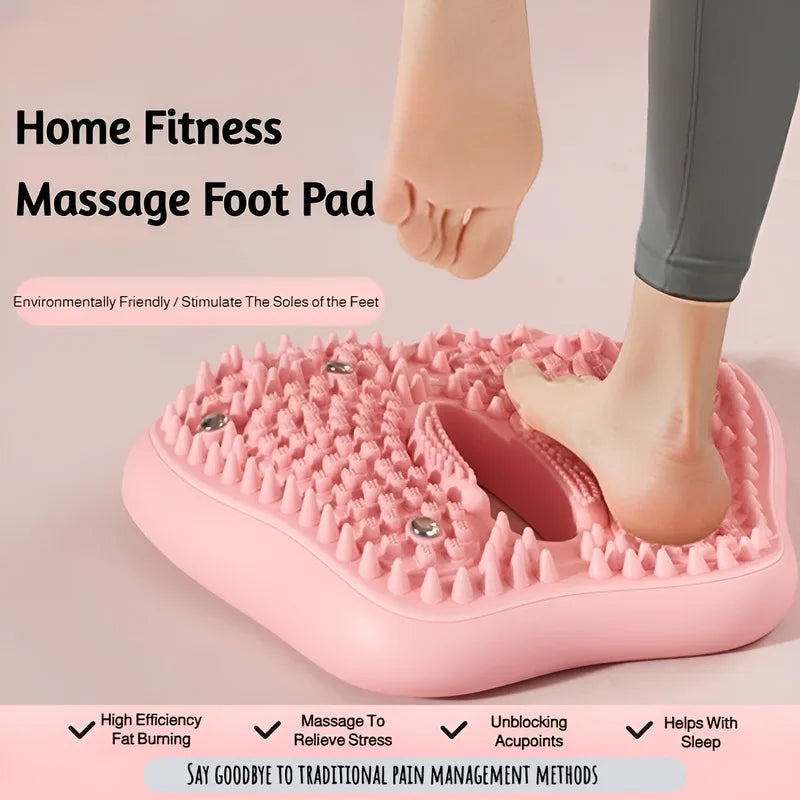
Home foot therapy setup with a foot reflexology mat • See it in action
Possible Side Effects
Mild soreness, temporary redness, or sensitivity are the most common reactions. Stop using the mat if you experience severe pain, bruising, numbness, or worsening symptoms.
Frequently Asked Questions
Do foot reflexology mats actually work?
They can help reduce temporary foot fatigue, promote relaxation, and provide short-term pain relief for many users, although they are not a substitute for medical treatment.
How long should you stand on a foot massage mat?
Most beginners start with 2–5 minutes and gradually increase to 10–20 minutes depending on comfort.
Is it safe to use a foot massage mat every day?
Yes. Daily use is generally appropriate for healthy adults when sessions are comfortable and the skin remains intact.
Can a foot reflexology mat improve circulation?
It may temporarily increase local blood flow through pressure stimulation, but it should not be considered treatment for circulatory disease.
Can a foot massage mat help plantar fasciitis?
Some users find temporary symptom relief, especially when combined with stretching and other conservative treatments, but evidence remains limited.
Who should avoid using an acupressure foot mat?
People with open wounds, severe neuropathy, recent fractures, serious circulation disorders, or significant foot infections should consult a healthcare professional first.
Should beginners wear socks on a reflexology mat?
Yes. Thin socks help reduce intensity while allowing your feet to gradually adapt.
What is the difference between a foot massage mat and an electric foot massager?
A foot massage mat relies on body weight and pressure stimulation, while an electric foot massager uses powered rollers, vibration, air compression, or heat to deliver massage automatically.













