Best Foot Massager for Plantar Fasciitis: Hands-Free and Foot Roller Options
⏱ 6 min read
Plantar fasciitis can make your first steps in the morning painful and standing for long periods uncomfortable. While stretching, supportive footwear, and physical therapy remain the foundation of treatment, the best foot massager for plantar fasciitis can provide temporary pain relief, reduce muscle tension, and make daily recovery routines easier.
Discover foot massagers that target heel and arch relief
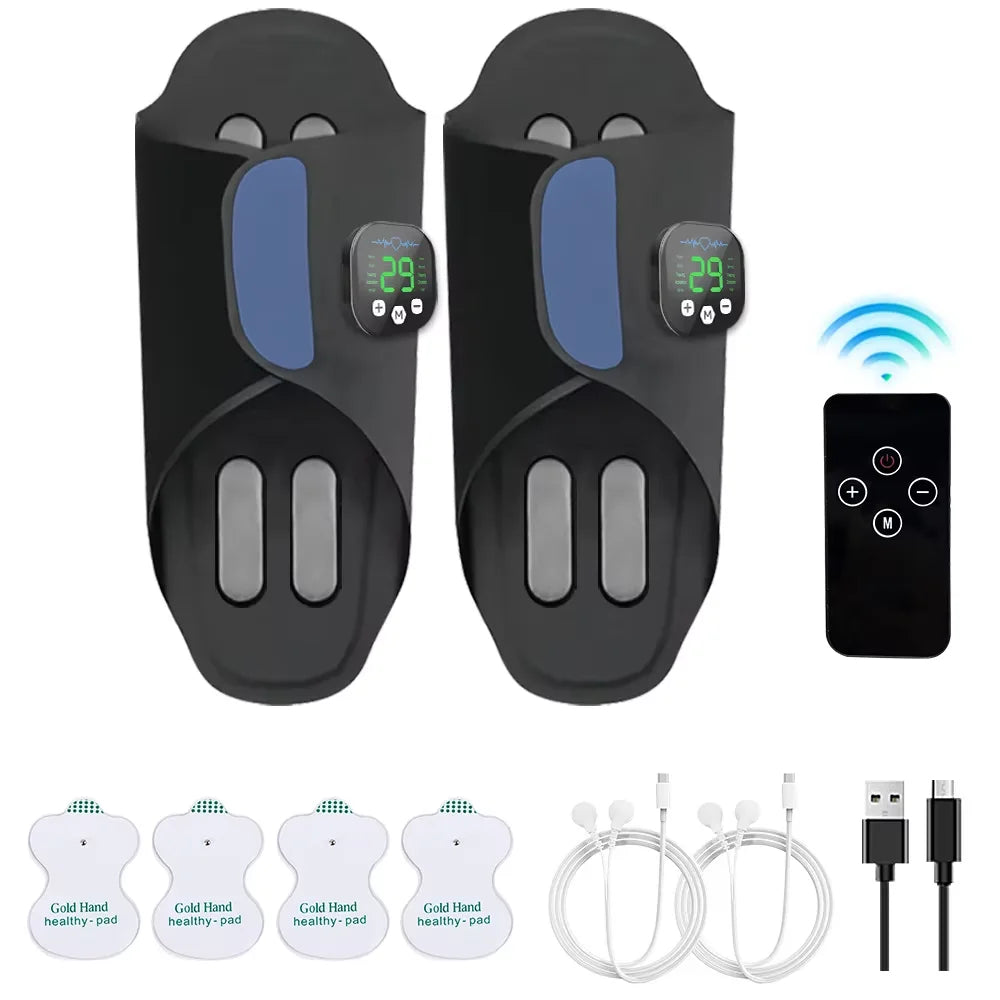
Hands-free foot massager for daily comfort — See it in action
Do Foot Massagers Help Plantar Fasciitis?
How plantar fasciitis develops
Plantar fasciitis occurs when the thick band of connective tissue running from the heel to the toes becomes irritated from repeated stress. Common risk factors include prolonged standing, running, excess body weight, tight calf muscles, flat feet, and unsupportive footwear.
What research says about massage therapy
If you have wondered, "does a foot massager help plantar fasciitis?" the answer is yes—but with realistic expectations. Massage therapy may temporarily reduce pain by improving local circulation, decreasing muscle tightness, and relaxing the plantar fascia. Regular massage works best when combined with stretching, strengthening exercises, supportive shoes, and activity modification.
- Helps reduce heel and arch discomfort.
- Relaxes tight foot and calf muscles.
- May improve comfort before walking or exercise.
- Supports recovery alongside physical therapy.
When massage helps—and when it does not
A plantar fasciitis foot massager is designed to manage symptoms rather than cure the underlying condition. Persistent heel pain lasting several weeks, numbness, swelling, fever, or inability to bear weight should be evaluated by a healthcare professional to rule out stress fractures, nerve disorders, or other foot conditions.
How Electric Foot Massagers Work for Plantar Fasciitis
Shiatsu and kneading
Rotating massage nodes apply pressure across the arch and heel to reduce muscle tightness. These are among the most popular technologies in an electric foot massager for plantar fasciitis.
Heat therapy
Gentle warmth helps relax soft tissues and may improve comfort before stretching. Heat should feel soothing—not excessively hot—and should be avoided if swelling is severe immediately after an acute injury.
Air compression
Compression chambers gently squeeze the feet, promoting relaxation while reducing fatigue after standing for long periods.
Vibration and EMS
Vibration stimulates muscles with minimal pressure, while EMS foot massagers deliver mild electrical impulses to encourage muscle contractions. An EMS foot massager may help some users reduce muscle fatigue, but current evidence does not show that EMS alone treats plantar fasciitis. It should be viewed as a complementary therapy rather than a replacement for stretching and rehabilitation.
Key Features to Look for in the Best Foot Massager for Plantar Fasciitis
Choose based on symptom severity
- Adjustable intensity: Begin with low pressure and increase gradually.
- Heat therapy: Useful for morning stiffness and post-work relaxation.
- Deep kneading: Targets heel and arch discomfort.
- Foot size compatibility: Ensure the massager fits comfortably.
Choose based on home or travel use
- Portable manual rollers: Best for travel and office use.
- Hands-free electric models: Ideal for daily recovery at home.
- Durability and warranty: Important if you plan to use the device every day.
- Simple controls: Helpful for seniors and users with limited mobility.
Best Electric Foot Massagers for Plantar Fasciitis
Best overall electric foot massager
A hands-free electric model with adjustable kneading, heat therapy, and multiple intensity levels provides the best balance of comfort and daily convenience for most users.
Best budget option
A manual wooden or textured foot roller offers excellent value for occasional relief and travel without requiring electricity.
Best for chronic heel pain
Choose a plantar fasciitis massage machine featuring deep-kneading rollers combined with optional heat to help relax tight tissues after prolonged standing.
Best for athletes
Models combining air compression, vibration, and kneading are well suited for recovery following long runs, training sessions, or physically demanding work.
Best foot roller for plantar fasciitis
The best foot rollers for plantar fasciitis provide firm, targeted pressure along the arch while remaining compact enough to use under a desk or while traveling.
Comparison table
| Type | Best For | Heat | Massage Depth | Portability | Price |
|---|---|---|---|---|---|
| Electric kneading massager | Daily home therapy | Yes | Deep | Medium | $$$ |
| Manual foot roller | Travel & stretching | No | Moderate | High | $ |
| Hybrid vibration roller | Athletes | Optional | Moderate | Medium | $$ |
How to Use a Foot Massager for Better Plantar Fasciitis Relief
Step-by-step routine
- Begin with the lowest intensity.
- Massage each foot for 10–15 minutes.
- Increase to 20 minutes only if comfortable.
- Stretch the calves and plantar fascia immediately afterward.
- Wear supportive shoes instead of walking barefoot on hard floors.
Common mistakes
- Applying excessive pressure that increases soreness.
- Using the massager for prolonged sessions every day.
- Skipping stretching and strengthening exercises.
- Expecting massage alone to resolve chronic plantar fasciitis.
Pairing with stretching and supportive footwear
For the best long-term outcomes, combine massage with calf stretches, plantar fascia stretches, supportive footwear, orthotic inserts when recommended, and gradual return to activity.
Benefits and Limitations of Foot Massagers for Plantar Fasciitis
- Provides temporary relief from heel and arch pain.
- May improve circulation and muscle relaxation.
- Reduces tension after prolonged standing or exercise.
- Can improve adherence to daily recovery routines because treatment is convenient.
- Limitation: A foot massager is not a cure and should not replace medical evaluation when symptoms persist or worsen.
Electric Foot Massager vs Foot Roller: Which Is Better?
| Feature | Electric Foot Massager | Manual Foot Roller |
|---|---|---|
| Convenience | Hands-free | Requires effort |
| Massage depth | Adjustable | User controlled |
| Heat | Often included | No |
| Travel | Moderate | Excellent |
| Cost | Higher | Lower |
Who should choose electric
Choose an electric foot massager if you want consistent pressure, optional heat, and effortless daily sessions after work or exercise.
Who should choose a manual roller
The best roller for plantar fasciitis is ideal for people who travel frequently, want precise pressure over the arch, or are working within a smaller budget.
Get yours now — limited stock!
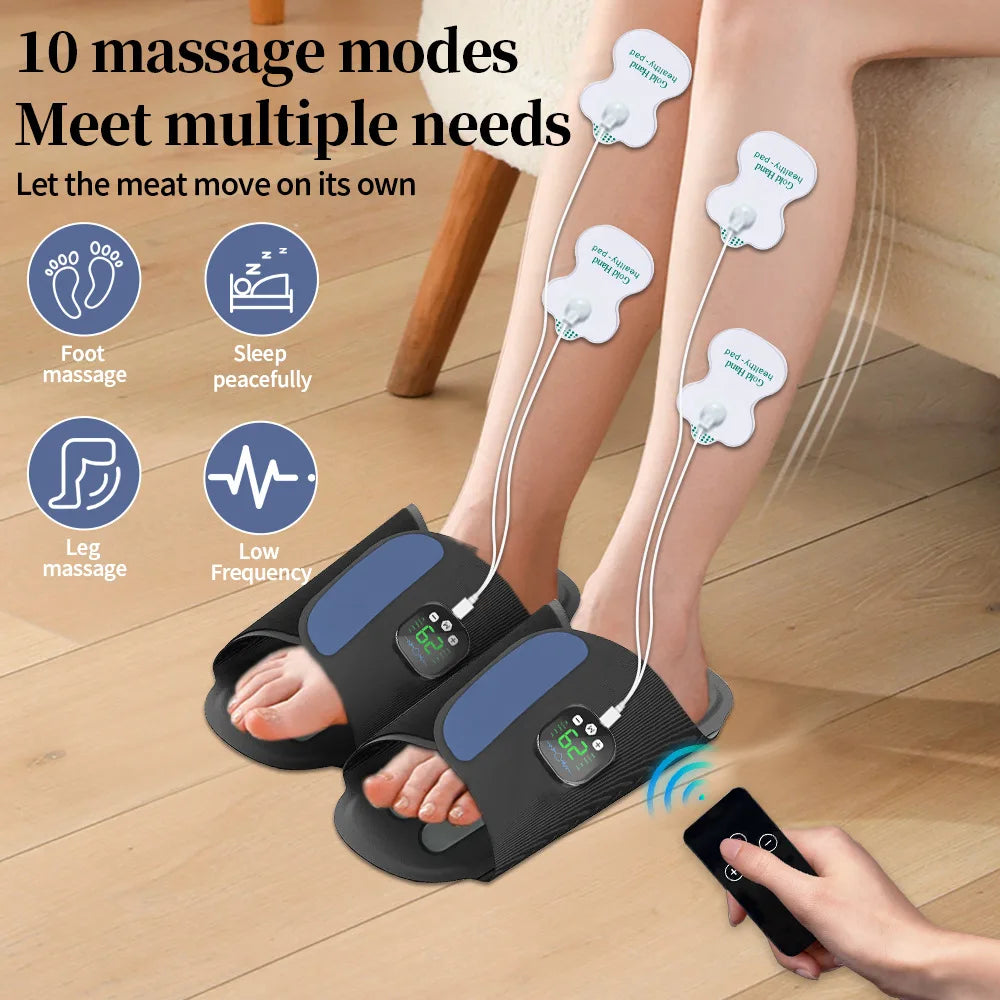
At-home foot massager comfort made simple — See it in action
Who Should and Should Not Use an Electric Foot Massager
Most healthy adults can safely use a foot massager by following the manufacturer's instructions. However, extra caution is recommended for certain individuals.
- People with diabetes and reduced foot sensation should consult their healthcare provider before use.
- Individuals with peripheral neuropathy should avoid excessive heat or strong pressure.
- Pregnant individuals should seek medical advice if they have circulation concerns or swelling.
- Do not use a massager over open wounds, infections, fractures, or severe inflammation.
- Seek prompt medical evaluation for sudden swelling, severe pain, numbness, or inability to bear weight.
Frequently Asked Questions
How often should I use a foot massager for plantar fasciitis?
Most people benefit from 10–20 minute sessions once daily. Reduce intensity if soreness develops.
Can I use a foot massager with socks?
Yes. Thin socks can improve comfort, although bare feet allow more direct pressure.
Is an electric foot massager better than a manual roller?
Electric models provide consistent pressure and optional heat, while manual rollers offer greater portability and precise control.
How long before I notice relief?
Some users feel immediate temporary comfort after each session, while noticeable improvement over daily activities often develops after one to several weeks when massage is combined with stretching and supportive footwear.
Does a foot massager replace physical therapy?
No. It should be considered one component of a comprehensive plantar fasciitis management plan.
Can I use an EMS foot massager for plantar fasciitis?
An EMS foot massager may help reduce muscle fatigue for some people, but evidence supporting EMS specifically for plantar fasciitis remains limited. Traditional stretching and strengthening remain the primary treatments.
When should I see a podiatrist instead of buying a massager?
If heel pain persists beyond several weeks despite home treatment, becomes progressively worse, prevents walking normally, or is accompanied by numbness or significant swelling, seek evaluation from a podiatrist or healthcare professional.
Buying Guide: Choosing the Right Electric Foot Massager
Quick decision table
| If you need... | Choose... |
|---|---|
| Maximum daily comfort | Electric kneading massager with heat |
| Travel convenience | Compact manual foot roller |
| Recovery after standing all day | Hands-free electric model with adjustable intensity |
| Budget-friendly option | Manual roller |
| Long-term durability | Well-built model with warranty coverage |
Before making a purchase, consider where you'll use the device, how much massage intensity you prefer, and whether features like heat, air compression, or vibration fit your recovery routine. You may also find additional recovery resources in our massage & relaxation collection , explore complementary massage devices such as the KentDO Trapezius Electric Massage Pillow , or read our guides on aching feet from standing all day and dead skin remover feet review .