

Why Is My Skin Peeling on My Feet? Causes, Treatments & Prevention
Wondering why are my feet peeling ? Peeling skin on feet can happen because of simple dryness, friction, sweating, sunburn, or an impaired skin barrier. It can also be caused by athlete's foot, eczema, psoriasis, contact dermatitis, or other skin conditions. The appearance and accompanying symptoms—such as itching, redness, odor, blisters, pain, or cracking—can provide clues about the likely cause.
Understanding the cause is important because the best feet peeling treatment depends on what is triggering the peeling. Gentle moisturizing may help dry skin, while a fungal infection requires an antifungal treatment. This guide explains common causes, how to compare symptoms, how to remove dead skin from feet safely, and when peeling skin needs medical attention.
Common Causes of Peeling Skin on Feet
Peeling skin develops when the outer layer of the skin becomes excessively dry, damaged, inflamed, infected, or sheds more quickly than usual. The most common causes range from temporary irritation to conditions that may require medical treatment.
Dry and Hard Skin on Feet
Dry and hard skin is one of the most common causes of peeling skin on feet . Low humidity, hot showers, harsh soaps, dehydration of the skin barrier, and inadequate moisturizing can make the outer layer rough and flaky. Repeated pressure and friction from walking or footwear can also cause the skin to thicken and eventually peel.
Dry peeling feet causes commonly include:
- Cold or dry weather
- Frequent bathing with hot water
- Harsh soaps or cleansers
- Repeated friction from shoes
- Pressure on the heels and soles
- Not moisturizing regularly
Dry skin usually causes mild flaking or roughness without intense itching, strong odor, significant redness, or fluid-filled blisters. However, severe dryness can lead to cracked and peeling feet , especially around the heels.
Fungal Infections (Athlete's Foot)
Athlete's foot, or tinea pedis, is a fungal infection that can cause peeling, scaling, itching, redness, and cracking. It commonly affects the spaces between the toes, the soles, or the sides of the feet. A warm, damp environment inside shoes can encourage fungal growth.
Peeling from athlete's foot may occur with or without obvious itching. Other possible clues include persistent scaling, irritation between the toes, burning, small blisters, or an unpleasant odor. Because fungal infections can resemble dry skin or eczema, persistent peeling should not automatically be treated as simple dryness.
Eczema and Dermatitis
Eczema and dermatitis can cause inflammation, dryness, scaling, and peeling. The skin may appear red, irritated, itchy, or sensitive. Contact dermatitis can develop after exposure to an irritant or allergen found in footwear materials, adhesives, dyes, detergents, or personal-care products.
Symptoms may be concentrated in areas that come into contact with the trigger. Repeated exposure can cause flare-ups that do not resolve simply by applying moisturizer.
Psoriasis and Keratolysis Exfoliativa
Psoriasis can produce thick, well-defined, scaly patches on the feet. It may affect the soles and can sometimes cause painful cracks. Keratolysis exfoliativa is another condition associated with superficial peeling, often appearing as circular or sheet-like areas of peeling on the palms or soles.
These conditions can overlap in appearance with dry skin and fungal infections, so persistent or recurrent peeling may require professional evaluation for an accurate diagnosis.
Contact Allergies and Irritants
Footwear, socks, detergents, adhesives, fragrances, and topical products can irritate the skin or trigger an allergic reaction. Contact-related peeling is often accompanied by redness, itching, burning, swelling, or a rash in areas exposed to the trigger.
If peeling repeatedly appears after wearing a particular pair of shoes, using a specific product, or washing socks with a new detergent, contact irritation or allergy may be worth considering.
Excessive Sweating, Friction, and Sunburn
Excessive sweating can soften the skin and contribute to maceration, irritation, and peeling, particularly when feet remain enclosed in damp socks or shoes for long periods. Friction from poorly fitting footwear can damage the outer skin barrier and cause localized peeling or blisters.
Sunburn can also cause peeling several days after excessive sun exposure. In this situation, the peeling is part of the skin's response to sun damage and should not be forcibly removed.
Symptoms to Help Identify the Cause
There is no single appearance that proves the cause of peeling feet. However, the location, texture, and accompanying symptoms can help narrow down the possibilities.
Symptom Comparison Table
| Possible cause | Common appearance | Other symptoms or clues |
|---|---|---|
| Dry skin | White, flaky, rough, or mildly peeling skin | Usually mild discomfort and little or no intense itching |
| Athlete's foot | Scaling, peeling, cracking, or softened skin | Itching, burning, odor, redness, or involvement between toes |
| Eczema or dermatitis | Dry, scaly, inflamed, or peeling patches | Itching, redness, sensitivity, or exposure to a trigger |
| Psoriasis | Thicker, well-defined, scaly areas | May recur and can cause painful cracks on the soles |
| Keratolysis exfoliativa | Superficial, often circular or sheet-like peeling | May be associated with sweating or recurrent episodes |
| Friction or sunburn | Localized peeling or shedding skin | History of rubbing, blisters, or recent sun exposure |
Visual Differences Between Causes
Dry skin often looks rough, dull, flaky, and slightly white. Fungal infections may cause more persistent scaling, cracking, or softened skin, particularly between the toes. Eczema and dermatitis tend to look inflamed and may be intensely itchy, while psoriasis often produces thicker, more defined scaly patches.
These patterns are useful clues, but they are not a substitute for diagnosis. Several conditions can look similar, and some people can have more than one problem at the same time.
Itching, Pain, Redness, Odor, and Blisters
Associated symptoms can provide additional clues:
- Little or no itching: Dryness, friction, keratolysis exfoliativa, or other non-infectious causes may be possible.
- Persistent itching or burning: Athlete's foot, eczema, dermatitis, or another inflammatory condition may be involved.
- Redness and swelling: These can occur with inflammation, irritation, allergy, or infection.
- Strong odor or moist peeling between toes: A fungal infection may be more likely.
- Blisters: Blisters can occur with certain fungal infections, friction, allergic reactions, or other skin conditions.
- Painful cracks: Severe dryness, psoriasis, friction, or infection may contribute.
Decision Guide: Which Cause Is Most Likely?
If your feet are peeling but the skin is mainly dry and rough without significant itching or redness, dryness or friction may be contributing. If the peeling is concentrated between the toes and comes with itching, burning, odor, or persistent scaling, athlete's foot is a possibility.
If the skin is repeatedly inflamed, intensely itchy, or connected to a new product, shoe, or detergent, dermatitis or eczema may be involved. Thick, recurring, sharply defined scaly patches may require evaluation for psoriasis or another skin condition.
When the cause is unclear, symptoms are worsening, or home care does not help, a healthcare professional can help distinguish between conditions that require different treatments.
Home Remedies for Peeling Feet
Home care can often improve peeling caused by dryness, mild friction, or a weakened skin barrier. The goal is to remove only loose, excess skin when appropriate while protecting the healthy skin underneath.
How to Remove Dead Skin from Feet Safely
The safest approach to how to remove dead skin from feet is gradual rather than aggressive. Wash your feet with lukewarm water and a gentle cleanser, then pat them dry. If thick, hardened skin is present, a gentle foot file or pumice stone may be used carefully on intact areas.
Do not aggressively scrape, cut, or pull at peeling skin. Avoid exfoliating areas that are raw, bleeding, blistered, infected, or significantly inflamed. After gentle exfoliation, apply a rich moisturizer to help support the skin barrier.
Foot Exfoliation Home Remedies
Foot exfoliation home remedies can include gentle physical exfoliation with a pumice stone or foot file. The key is moderation. Exfoliating too frequently or applying excessive pressure can create small areas of irritation and may worsen peeling.
For dry, thick skin, products containing ingredients such as urea, lactic acid, or salicylic acid may help soften and loosen excess dead skin when used according to their directions. Avoid applying strong exfoliating products to cracked, irritated, or broken skin unless advised by a healthcare professional.
Soaks, Moisturizers, and Occlusive Treatments
A brief lukewarm soak can soften hardened skin before gentle care, but prolonged soaking may worsen dryness for some people. After washing or soaking, pat your feet dry and apply a thick moisturizer while the skin is still slightly damp.
For very dry areas, an occlusive product such as petroleum jelly can help reduce moisture loss. Wearing clean, breathable socks after applying an occlusive moisturizer may help keep the product in place. This approach is most appropriate for dry skin and should not be used as a substitute for antifungal treatment when a fungal infection is suspected.
Electric Foot Exfoliator Benefits
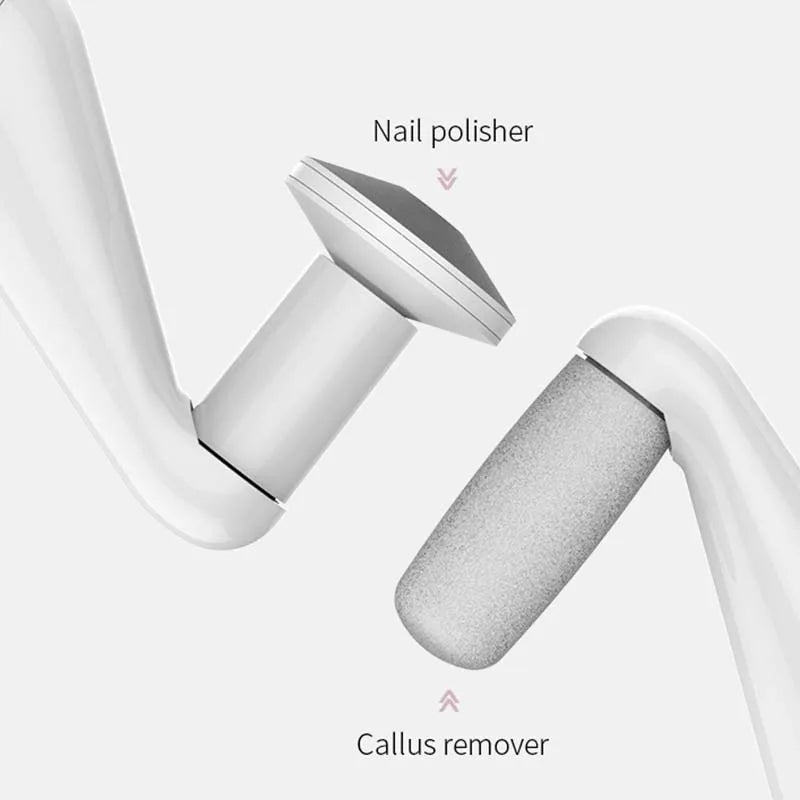
One of the potential electric foot exfoliator benefits is more consistent removal of thick, hardened skin than manual scraping. An electric foot file can make routine care easier by using a rotating abrasive surface to smooth callused areas with less manual effort.
However, an electric exfoliator is designed for appropriate thickened skin—not for every type of peeling. Avoid using one over raw, cracked, blistered, inflamed, or potentially infected skin. When used gently and according to the manufacturer's instructions, KentDO Electric Foot Callus Remover can support a regular at-home foot-care routine for suitable areas of hard, dry skin.
Mistakes to Avoid During Exfoliation
- Do not pull off skin that is still attached.
- Do not cut calluses or peeling skin with blades or sharp tools.
- Do not aggressively scrub irritated or inflamed areas.
- Do not use an electric foot file on open cracks, blisters, or suspected infections.
- Do not exfoliate repeatedly in an attempt to make peeling disappear faster.
- Do not share pumice stones, foot files, or other personal foot-care tools.
Medical Treatments and When to See a Doctor
The appropriate treatment for peeling feet depends on the underlying cause. Treating the wrong condition can delay improvement or irritate the skin further.
Over-the-Counter Antifungal and Steroid Options
Over-the-counter antifungal treatments may be appropriate for athlete's foot when the symptoms match the product's intended use. Follow the label directions and complete the recommended course. If symptoms do not improve or continue to return, seek medical advice.
Topical corticosteroids may reduce inflammation from certain forms of eczema or dermatitis, but they are not appropriate for every cause of peeling. Using steroid products on an undiagnosed fungal infection can sometimes make the infection harder to recognize or treat. Ask a healthcare professional or pharmacist for guidance when the cause is uncertain.
Prescription Treatments and Dermatology Guidance
Persistent or severe peeling may require prescription-strength treatment or further evaluation. Depending on the diagnosis, a clinician may recommend prescription antifungals, stronger anti-inflammatory treatments, psoriasis therapies, or other targeted care.
A dermatologist can be especially helpful when the peeling is recurrent, widespread, painful, resistant to initial treatment, or difficult to distinguish from another skin condition.
Warning Signs That Need Prompt Medical Care
Seek medical attention promptly if peeling is accompanied by rapidly increasing redness, significant swelling, severe pain, pus, warmth, fever, or other signs of a potentially serious infection.
It is also important to seek professional advice for persistent or worsening cracked and peeling feet , recurrent unexplained peeling, or symptoms that do not improve with appropriate home care. People with conditions that affect wound healing or immune function should be particularly cautious about foot problems and seek medical guidance when skin damage persists.
Prevention Tips for Healthy Feet
Daily Care Routine
Wash your feet regularly with a gentle cleanser and dry them carefully, including between the toes. Apply moisturizer to dry areas, but avoid leaving excessive moisture trapped between the toes. Use exfoliation only when needed for thickened, intact skin rather than as a daily routine.
Keeping the skin barrier healthy can reduce the cycle of dryness, cracking, irritation, and peeling.
Choosing Proper Footwear
Choose well-fitting footwear that reduces unnecessary rubbing and allows adequate ventilation. Change damp socks promptly and consider moisture-managing materials if your feet sweat heavily. Avoid repeatedly wearing shoes that cause friction or keep your feet excessively damp.
Seasonal and Environmental Considerations
Cold, dry air can increase moisture loss from the skin, while heat and humidity can increase sweating. Adjust your routine to the environment by moisturizing more consistently during dry seasons and keeping feet clean and dry when sweating is a concern.
Protect exposed feet from excessive sun exposure, and avoid prolonged hot-water soaking if your skin is already dry or irritated.
Frequently Asked Questions
Why are my feet peeling even if they don't itch?
Peeling feet without itching can be caused by dry skin, friction, excessive sweating, sunburn, keratolysis exfoliativa, or other non-infectious conditions. Athlete's foot can also sometimes cause peeling without prominent itching, so persistent symptoms should not automatically be attributed to dryness.
Can dry skin alone cause peeling feet?
Yes. Dry skin can become flaky, rough, and cracked enough to peel, especially on the heels and soles. Cold weather, low humidity, hot water, harsh cleansers, and repeated friction can all contribute. If peeling is persistent or accompanied by redness, itching, odor, blisters, or pain, another cause may be involved.
Is peeling skin on feet always athlete's foot?
No. Athlete's foot is one possible cause, but peeling skin on feet can also result from dryness, friction, eczema, dermatitis, psoriasis, keratolysis exfoliativa, sweating, or sunburn. The location and accompanying symptoms can help provide clues, but persistent or unclear cases may need professional evaluation.
How do I remove hard dead skin on my feet safely?
Wash your feet with lukewarm water, soften thick skin briefly if needed, and use a pumice stone or foot file gently on intact hardened areas. Follow with a rich moisturizer. Avoid cutting, aggressively scraping, or pulling skin, and do not exfoliate areas that are raw, blistered, infected, or significantly inflamed.
Can I use an electric foot exfoliator on peeling skin?
It depends on why the skin is peeling. An electric foot exfoliator may be suitable for thick, hard, intact callused skin, but it should not be used over raw, cracked, blistered, inflamed, or potentially infected skin. If the cause of peeling is uncertain, focus on gentle care until the skin condition is clear.
What causes cracked and peeling feet?
Common causes include severe dryness, repeated friction, pressure, athlete's foot, eczema, psoriasis, dermatitis, and excessive sweating. Cracks can worsen when the skin barrier is damaged or when thickened skin loses flexibility. Persistent, painful, or worsening cracks should be evaluated by a healthcare professional.
How long does peeling skin on feet take to heal?
The healing time depends on the cause and severity. Mild dryness or friction may improve with consistent gentle care, while fungal infections and inflammatory skin conditions may require targeted treatment. If peeling does not begin to improve with appropriate care or keeps returning, seek medical advice.
Should I peel loose skin off my feet?
It is generally better not to pull or forcibly remove loose skin. Pulling can damage healthy skin and create irritation or small wounds. Instead, allow the skin to shed naturally and use gentle care. Thick, intact callused skin may be carefully smoothed with an appropriate foot-care tool, but active peeling from an infection or inflammatory condition should not be aggressively exfoliated.
When is peeling skin on feet a medical concern?
See a healthcare professional if peeling is persistent, severe, painful, recurrent, spreading, or accompanied by significant redness, swelling, warmth, pus, fever, or other signs of infection. Medical evaluation is also appropriate when you cannot determine the cause or when home care is not improving the problem.
Best way to exfoliate feet at home?
The best way to exfoliate feet at home is to use gentle, controlled exfoliation only on thick, intact dead skin. A pumice stone, foot file, or suitable electric foot exfoliator can be used carefully, followed by moisturizer. Avoid aggressive scraping and do not exfoliate active rashes, open cracks, blisters, or suspected infections.
References & Dermatology Resources
- American Academy of Dermatology – Athlete’s Foot
- WebMD – Peeling Feet Causes & Treatment
- Mayo Clinic – Eczema Overview
Smooth results start here with a home pedicure electric tool See it in action

Upgrade your at home pedicure routine with precision care See it in action

Confidence starts from the ground up with an electric foot file See it in action













