

Fuel Efficient Camping Heater: Best Options, Fuel Usage Comparison & Efficiency Guide (2026)
What Is the Most Fuel Efficient Camping Heater? (Quick Answer)
The most fuel efficient camping heater is usually a low-to-medium BTU propane heater with adjustable heat output, efficient heat distribution, and stable fuel regulation. The best choice depends on your camping setup, temperature, and how long you need continuous warmth.
For most outdoor campers, the best fuel efficient camping heater balances:
- Low fuel consumption: Uses less propane, butane, or diesel while maintaining comfortable warmth
- Long runtime: Provides more heating hours per fuel container
- Efficient heat delivery: Directs warmth where it is needed instead of wasting energy
Quick comparison:
- Small tent camping: Low-BTU radiant propane heaters provide the best efficiency
- Winter camping: Regulated propane heaters offer the most reliable cold-weather performance
- Van life: Diesel heaters often provide the longest runtime with efficient fuel use
- Short trips: Compact butane or propane models can reduce unnecessary fuel weight
The most efficient camping heater for winter is not always the highest-powered model. The right heater matches output to your shelter size, weather conditions, and trip duration.
⏱ 7 min read
Cold nights can quickly make outdoor adventures uncomfortable. A fuel efficient camping heater helps extend your trip by providing reliable warmth while reducing fuel waste. Understanding BTU ratings, fuel consumption, runtime, and real-world performance makes it easier to choose the right heating setup.
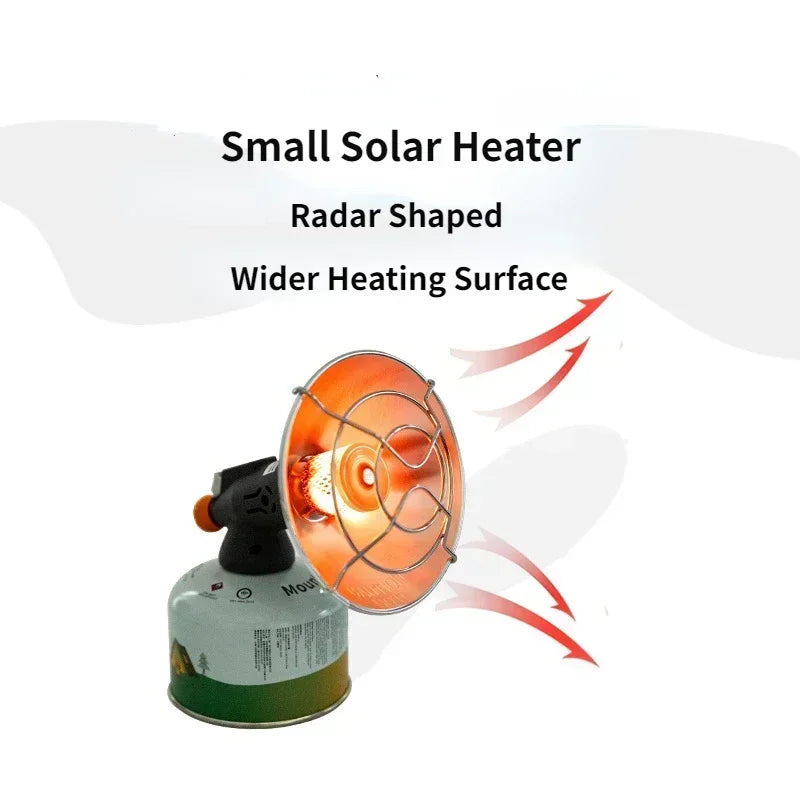
Fuel-efficient warmth for camping in cold weather — See it in action
Camping Heater Fuel Efficiency Explained (BTU, Fuel Consumption & Runtime)
What “Fuel Efficient” Really Means in Camping
Camping heater efficiency is measured by how much usable heat you receive from each unit of fuel. A heater that burns less fuel but struggles to warm your space may not actually be efficient.
The most important efficiency factors include:
- BTU output: Determines how much heat the heater produces
- Fuel consumption rate: Shows how quickly propane, butane, or diesel is used
- Heat transfer method: Radiant and infrared heaters often waste less heat in small spaces
- Environment: Wind, insulation, altitude, and temperature affect performance
BTU vs Fuel Consumption (Efficiency Formula Explained)
BTU measures heat output, but higher BTU does not automatically mean better efficiency. A powerful heater may warm a large area quickly while consuming fuel much faster.
A simple efficiency comparison is:
Fuel efficiency = usable heat output ÷ fuel consumed
- 3,000–5,000 BTU: Best for small tents and personal heating
- 5,000–10,000 BTU: Balanced option for most camping situations
- 10,000+ BTU: Better for large spaces but higher fuel consumption
Runtime per 1 lb Propane Cylinder (Real Benchmarks)
A typical 1 lb propane cylinder provides approximately:
- Low setting: 12–20 hours
- Medium setting: 8–12 hours
- High setting: 3–6 hours
Actual camping heater gas usage changes depending on temperature, wind exposure, insulation, and heater efficiency.
How Altitude, Temperature & Shelter Size Affect Fuel Use
Cold temperatures and high elevations can increase fuel consumption because many fuels vaporize less efficiently. A poorly insulated tent also forces a heater to run longer to maintain warmth.
- Low temperatures: Increase fuel demand
- Strong wind: Removes heat faster
- Large shelters: Require higher output
- Good insulation: Reduces total runtime needed
Camping Heater Types Compared (Fuel Efficiency Breakdown)
Propane vs Butane Camping Heater Efficiency
Propane and butane heaters have different strengths depending on weather conditions.
- Propane: Best cold-weather performance because it vaporizes at lower temperatures
- Butane: Efficient in mild weather but loses performance near freezing
- Isobutane blends: Offer balanced performance for backpacking conditions
For winter camping, propane is usually the more reliable choice because stable fuel pressure improves consistent heat output.
Radiant vs Catalytic vs Infrared Heaters
- Radiant heaters: Efficient for heating people and small areas directly
- Catalytic heaters: Produce steady low-level heat with efficient fuel use
- Infrared heaters: Warm objects and surfaces instead of only heating air
Diesel Heater Efficiency for Long Runtime
Diesel heaters are popular for van life because they can operate for extended periods using vehicle fuel supplies. They provide excellent long-duration heating efficiency but require proper installation and ventilation.
Electric Camping Heater Efficiency (When It Works)
Electric heaters can be efficient when connected to reliable power sources, such as campsites with electricity or portable power stations. However, battery-powered electric heating usually consumes significant energy compared with fuel-based heaters.
Best Fuel Efficient Camping Heaters (Ranked List for 2026)
Best Overall Fuel Efficient Camping Heater
A variable-output propane heater provides the strongest balance of fuel savings, portability, and heating performance. Adjustable settings prevent unnecessary fuel waste by allowing campers to reduce output once the space reaches a comfortable temperature.
For reliable performance, consider pairing your setup with a portable outdoor gas heater designed for controlled heat output.
Best for Winter / Extreme Cold
Cold-weather campers should prioritize propane heaters with reliable regulators and stable performance at low temperatures. The most efficient camping heater for winter maintains steady heat without constantly operating at maximum output.
Best Small & Portable Option
Compact radiant heaters are ideal for solo campers because they focus heat directly on occupants instead of warming unnecessary space.
Best for Van Life / Long Runtime
Diesel heaters are often preferred for long-term use because they can provide overnight heating while consuming relatively little fuel.
Best Budget Fuel Efficient Heater
Budget heaters can still deliver good efficiency when they include adjustable heat settings. Avoid fixed-output heaters that force continuous high fuel consumption.
Camping Heater Fuel Consumption Comparison Table
BTU vs Fuel Usage vs Runtime
| Heater Type | Typical Output | Fuel Usage | Estimated Runtime |
|---|---|---|---|
| Small propane radiant heater | 3,000–5,000 BTU | 0.05–0.1 lb/hour | 12–20 hours per 1 lb tank |
| Medium propane heater | 5,000–10,000 BTU | 0.1–0.2 lb/hour | 8–12 hours per 1 lb tank |
| High-output propane heater | 10,000+ BTU | 0.2–0.4 lb/hour | 3–6 hours per 1 lb tank |
| Diesel heater | Variable | Low continuous fuel use | Multiple nights depending on tank size |
Estimated Cost per Night
Fuel cost depends on local prices, but lower-output heaters generally reduce overnight expenses because they consume less fuel while maintaining comfort.
Efficiency Score Comparison
- Small propane radiant heater: Excellent for personal warmth
- Diesel heater: Excellent for long-duration heating
- Butane heater: Good for mild-weather camping
- Electric heater: Efficient only with reliable power access
How Long Does a Camping Heater Last? (Real Runtime Breakdown)
Runtime by Fuel Type (Propane, Butane, Diesel)
- Propane: Several hours to multiple nights depending on tank size and heat setting
- Butane: Effective for short trips in moderate temperatures
- Diesel: Designed for extended overnight and multi-day heating
Runtime by Heat Setting (Low vs High)
Running a heater on low or medium settings significantly improves fuel efficiency compared with maximum output.
Overnight Heating Scenarios
For overnight camping, efficient setups usually combine a correctly sized heater with insulation, allowing the heater to cycle less frequently and reduce fuel consumption.
How to Make Your Camping Heater Last Longer (Fuel-Saving Tips)
Improve Tent Insulation
Better insulation reduces heat loss and allows your heater to maintain warmth with less fuel.
Optimize Heater Settings
- Start with higher output only for initial warming
- Lower the setting once comfortable
- Avoid running maximum heat continuously
Reduce Heat Loss & Ventilation Balance
Good ventilation is essential for safe operation, but reducing unnecessary drafts helps maintain efficiency.
Maintenance for Efficiency
- Keep fuel connections clean
- Inspect burners regularly
- Store fuel properly
How These Heaters Perform in Real-World Camping
Car Camping vs Tent Camping
Car campers can carry larger fuel supplies, while tent campers benefit from compact heaters designed for smaller spaces.
Winter Camping Performance
Winter conditions require reliable fuel pressure and efficient heat distribution. Propane heaters remain popular because they maintain performance in colder temperatures.
Van Life & Long-Term Use
Long-term campers often prefer diesel heaters because of their extended runtime and lower fuel consumption over many hours.
Emergency Backup Use
A compact fuel heater can provide valuable backup warmth during power outages or unexpected cold weather, but safe ventilation remains essential.
Which Fuel Efficient Camping Heater Should You Choose?
Decision Matrix by Use Case
- Small tent: Compact low-BTU propane heater
- Winter camping: Regulated propane heater
- Van life: Diesel heater
- Short mild-weather trips: Butane heater
Fuel Type Selection Guide
The right fuel depends on temperature, portability needs, and trip length. Propane is the most versatile option, while diesel is better suited for extended installations.
Budget vs Efficiency Tradeoff
Cheaper heaters may reduce upfront costs but can consume more fuel over time. Adjustable output and efficient operation often provide better long-term value.
Camping Heater Operating Cost Calculator (Estimate Your Fuel Use)
Cost per Night by Fuel Type
To estimate nightly cost, multiply your heater’s fuel consumption rate by the number of hours used and your local fuel price.
Propane Tank Runtime Calculator
Example: A heater using 0.1 lb propane per hour can operate approximately 10 hours from a 1 lb propane cylinder.
Diesel vs Gas Cost Comparison
Diesel heaters may have higher setup costs but can become more economical for frequent camping because of efficient long-duration operation.
Camping Heater Safety & Efficiency Best Practices
Carbon Monoxide Safety
Fuel-burning heaters can produce carbon monoxide. Always follow manufacturer instructions and never operate a fuel heater in an unsafe enclosed space without proper ventilation.
Ventilation Without Heat Loss
Maintain necessary airflow while reducing unnecessary drafts through proper shelter setup and insulation.
Safe Indoor Heater Usage
Only use heaters designed and approved for your intended environment. Safe operation is more important than reducing fuel consumption.
Mini FAQ
How much gas does a camping heater use per hour?
Most camping heaters use approximately 0.05–0.4 pounds of propane per hour depending on BTU output and heat settings.
Is propane or butane more fuel efficient?
Propane is generally more efficient in cold weather, while butane performs well in warmer conditions.
What is the most efficient camping heater for winter?
A low-to-medium BTU propane heater with stable pressure regulation is usually the most efficient option for winter camping.
How can I reduce camping heater fuel consumption?
Use lower heat settings, improve insulation, reduce wind exposure, and choose a heater sized correctly for your shelter.
How long does a 1 lb propane tank last in a camping heater?
A 1 lb propane tank can last about 3–20 hours depending on heater output and operating settings.
What heater uses the least fuel for overnight camping?
Low-output propane heaters and properly installed diesel heaters typically provide the best overnight fuel efficiency.
Is diesel heater more efficient than propane for camping?
Diesel heaters are often more efficient for long-term use, while propane heaters offer easier portability.
How do I calculate camping heater fuel consumption?
Multiply fuel usage per hour by operating hours, then compare the result with your fuel supply size.
What size heater is most efficient for a small tent?
A small tent usually requires a low-BTU heater because excessive output increases fuel waste.
Does insulation really reduce camping heater fuel use?
Yes. Better insulation reduces heat loss, allowing the heater to run less frequently and lowering fuel consumption.
Related Guide: Best Butane Heater for Camping: Top Picks Compared













