

Which Helmet Is Safer: Full Face vs Open Face?
Short answer: In most motorcycle crashes, a full face helmet provides greater protection than an open face helmet because it covers the entire head—including the chin and jaw—while open face designs leave the face exposed.
Crash research consistently shows that facial injuries are common in motorcycle accidents, especially in forward impacts. Because open face helmets lack a chin bar, riders are more vulnerable to injuries affecting the jaw, teeth, and nose.
What Crash Data Reveals About Facial Injuries
Studies indicate that a significant percentage of impacts occur in the lower front region of the head. This means the chin and jaw are often among the first contact points in a crash. Helmets that protect this area dramatically reduce injury risk.
Why Chin Bars Matter in Motorcycle Crashes
The defining safety feature of a full face helmet is the chin bar. It absorbs and distributes impact forces, preventing direct contact between your face and the road. Open face helmets, by comparison, leave this area exposed.
How Full Face Helmets Protect Better Than Other Types
Full face helmets combine a rigid outer shell, impact-absorbing liner, and full facial coverage. This integrated design protects both the skull and face—making them the most comprehensive option for crash protection.
⏱ 7 min read
Full Face Helmet vs Open Face: Which Protects Better
The full face vs open face helmet debate often comes down to one critical factor: how much of your head and face is protected in a crash. While open face helmets offer comfort and airflow, full face helmets provide significantly better impact coverage—especially for the chin and jaw. Understanding these differences helps riders make smarter, safer decisions on the road.
Discover the best options for your lifestyle and confidence on the road.
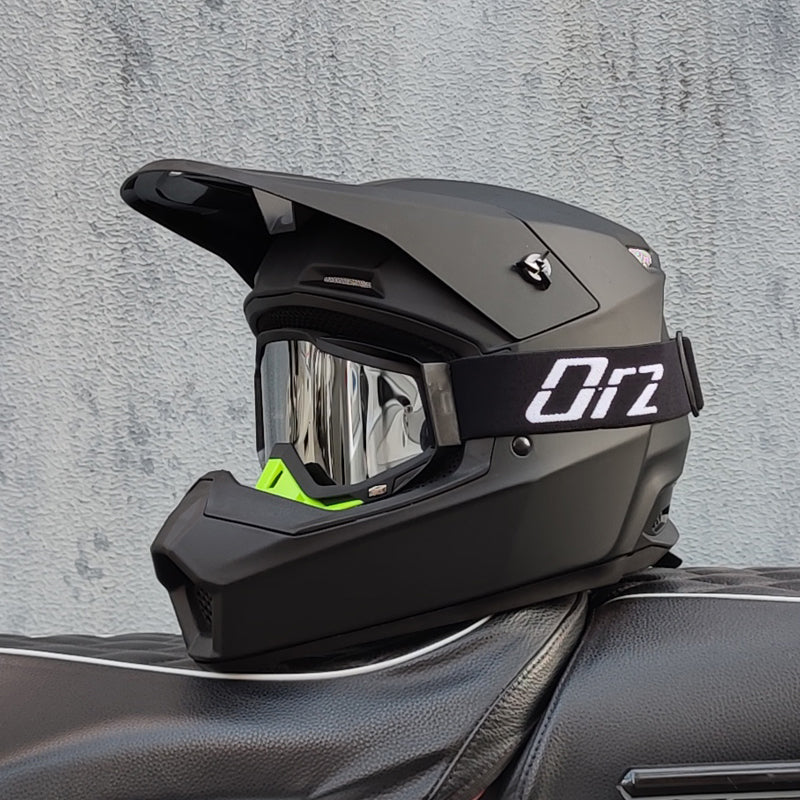
Full face helmet vs open face comparison in real-world riding
Full Face vs Open Face Helmet: Quick Comparison Table
Key Differences at a Glance
- Full face helmet: Maximum protection, full coverage including chin
- Open face helmet: Lightweight, better airflow, exposed face
Safety, Comfort, and Visibility Comparison
| Feature | Full Face Helmet | Open Face Helmet |
|---|---|---|
| Chin Protection | ✅ Yes | ❌ No |
| Facial Coverage | ✅ Full | ⚠️ Limited |
| Airflow | ⚠️ Moderate | ✅ High |
| Noise Reduction | ✅ Better | ❌ Poor |
| Visibility | ⚠️ Slightly reduced | ✅ Wider |
Best Use Cases by Riding Style
- Full face: Highway, touring, sport riding
- Open face: City commuting, low-speed rides
Crash Protection and Impact Coverage Explained
Coverage Zones: Full Face vs Open Face
Full face helmets protect the entire head including the chin and jaw. Open face helmets protect only the skull, leaving the face exposed.
Open Face Helmet Injury Risks
Common injuries include jaw fractures, dental damage, and facial abrasions due to lack of lower face protection.
Impact Absorption and Shell Design
Full face helmets distribute impact across a larger structure, reducing concentrated force on any single area.
Comfort, Ventilation, Noise, and Visibility
Airflow and Ventilation Differences
Open face helmets allow more direct airflow, making them cooler in hot weather.
Wind Noise and Aerodynamics
Full face helmets reduce wind noise and improve stability at speed.
Peripheral Vision and Awareness
Open face helmets provide a wider field of view.
Weight and Fatigue on Long Rides
Full face helmets may feel heavier but reduce fatigue from wind pressure.
Weather Protection and Riding Conditions
Cold, Rain, and Wind Protection
Full face helmets offer superior protection from wind, rain, and debris.
Hot Weather Riding Differences
Open face helmets feel cooler but expose riders to sun and dust.
Urban vs Highway Conditions
City riders may prioritize airflow, while highway riders benefit from full protection.
Communication Systems and Practical Features
Bluetooth and Intercom Compatibility
Both helmet types can support communication systems, though full face helmets often provide better noise isolation.
Visors, Shields, and Accessories
Full face helmets include integrated visors, while open face helmets may require separate eye protection.
Ease of Use for Daily Riders
Open face helmets are easier to put on and remove, especially for short trips.
Helmet Safety Standards Explained (DOT, ECE, Snell)
What These Certifications Actually Test
- DOT: Basic impact protection standard
- ECE: Widely recognized international standard
- Snell: More rigorous testing requirements
Do Both Helmet Types Meet Safety Standards?
Yes, both can meet standards—but certification does not compensate for lack of coverage.
How to Check Helmet Certification Labels
- Look for DOT/ECE labels
- Check manufacturer details
- Verify proper fit and construction
Learn more in this motorcycle helmet safety features guide.
Best Helmet Type for Different Riding Styles
City Commuting and Scooters
Open face helmets are popular for airflow and convenience.
Highway and Touring Riders
Full face helmets provide better protection and comfort.
Cruiser and Casual Riding
Open face helmets offer style and comfort but less protection.
Sport and High-Speed Riding
Full face helmets are strongly recommended.
Explore the best motorcycle helmets for commuting.
Pros and Cons: Open Face vs Full Face Helmets
Advantages of Full Face Helmets
- Maximum protection
- Better weather resistance
- Reduced noise
Advantages of Open Face Helmets
- Better airflow
- Wider visibility
- Lighter feel
Tradeoffs You Need to Consider
Choosing between protection and comfort is the key decision.
Full Face vs Open Face Helmet: Which Should You Choose?
Safety-First Riders
Choose full face helmets for maximum protection.
Comfort and Style Preferences
Open face helmets offer a more relaxed riding experience.
Best Choice by Budget and Use
Invest in protection if you ride frequently or at high speeds.
Explore full face motorcycle helmet
Final Verdict: Protection vs Comfort
When Full Face Is the Better Choice
High-speed riding, long-distance travel, safety priority.
When Open Face Makes Sense
Short rides, city commuting, comfort-focused riders.
Key Takeaways
Full face helmets provide the best protection. Open face helmets trade safety for comfort and airflow.
Explore wellness tools in Body Care and Health Devices and essentials from the Lifestyle collection.
Frequently Asked Questions
Is a full face helmet safer than an open face helmet?
Yes, because it protects the chin and jaw.
Are open face helmets safe for highway riding?
They are allowed but provide less protection.
What injuries are most common with open face helmets?
Chin, jaw, and facial injuries.
Is half helmet vs full helmet safety significantly different?
Yes, full face helmets offer the most coverage.
Are open face helmets legal everywhere?
Laws vary, but certification is typically required.
Related Guide: DOT Approved Motorcycle Helmet: Best Picks Compared













