

Do Leg Compression Machines Work? Full Evidence-Based Guide (2026)
Do Leg Compression Machines Work? (Quick Answer + What the Evidence Shows)
Yes—leg compression machines do work for many people when they are used appropriately and for the right purpose. Clinical research on intermittent pneumatic compression (IPC) shows these devices can improve venous blood flow, support lymphatic drainage, reduce mild swelling, and aid post-exercise recovery. Their effectiveness is strongest when they complement regular movement, exercise, or a treatment plan rather than replace them.
In hospitals, pneumatic compression systems are commonly used to help reduce the risk of blood clots in patients with limited mobility and to manage certain circulation-related conditions under medical supervision. Home leg compression machines use the same core principle but are designed for everyday recovery, helping relieve tired, heavy legs after prolonged sitting, standing, or physical activity.
The bottom line is that leg compression therapy effectiveness depends on consistent use, choosing an appropriate device, and matching your expectations to your specific needs. While many users notice temporary relief after a single session, long-term benefits typically come from incorporating compression into an overall healthy lifestyle.
Clinical Evidence Overview
Studies on intermittent pneumatic compression demonstrate that rhythmic, sequential air pressure increases venous return, promotes fluid movement, and may reduce lower-leg swelling. This evidence explains why pneumatic compression technology is widely used in clinical settings and has become increasingly popular among athletes and active individuals seeking faster recovery after demanding training sessions.
When They Work Best
Leg compression machines are generally most effective for people who:
- Spend long hours sitting at a desk or during travel
- Stand for extended periods at work
- Experience occasional leg fatigue or mild swelling
- Want additional recovery support after exercise
- Have been advised by a healthcare professional to use compression therapy
They are not a cure for underlying vascular disease, nor do they replace walking, strength training, weight management, or medical treatment when those interventions are necessary.
How Do Leg Compression Machines Work?
Intermittent Pneumatic Compression Explained
Most modern leg compression machines use intermittent pneumatic compression (IPC), a technology that inflates multiple air chambers in a controlled sequence. Instead of applying constant pressure, the chambers inflate and deflate rhythmically, creating a gentle wave that moves upward from the feet toward the thighs.
This sequential pressure mimics the natural pumping action of leg muscles during walking, helping support healthy circulation while you remain seated or resting.
Improves Venous Return
Gravity naturally causes blood to collect in the lower legs during prolonged sitting or standing. Sequential compression gently encourages blood to return toward the heart, reducing venous pooling and supporting more efficient circulation.
Supports Lymphatic Drainage
In addition to improving blood flow, pneumatic compression encourages lymphatic fluid movement. This may help reduce temporary fluid accumulation, decrease feelings of heaviness, and improve comfort after long workdays, travel, or strenuous activity.
Sequential Inflation Cycles
Rather than compressing the entire leg simultaneously, high-quality devices inflate individual chambers in order. This graduated pressure pattern provides a more natural compression massage for circulation and helps avoid trapping fluid in one area, making sequential systems generally more effective than simple uniform compression.
What Is a Full Leg Compression Massager?
A full leg compression massager is a wearable recovery device that wraps around the feet, calves, knees, and often the thighs. Using inflatable air chambers, it delivers rhythmic, programmable compression designed to support circulation, ease muscle fatigue, and reduce temporary swelling.
Unlike traditional vibrating massagers that primarily target surface muscles, a full leg compression machine uses pneumatic pressure to provide deeper circulation support. Many home models are inspired by equipment used in physical therapy and sports medicine but are designed for convenient, quiet daily use.
Key Components
Most full leg massagers include adjustable compression sleeves, multiple air chambers, a handheld controller, and several pressure or massage programs. These features allow users to customize treatment intensity and session length based on comfort, activity level, and recovery goals.
Medical vs Consumer Devices
Medical-grade compression systems are prescribed for specific conditions and offer highly precise pressure control under professional supervision. Consumer devices focus on wellness, recovery, and daily comfort, making them suitable for home use by healthy adults seeking additional circulation and recovery support. Although both rely on pneumatic compression technology, home models are intended for general wellness rather than diagnosing or treating medical conditions.
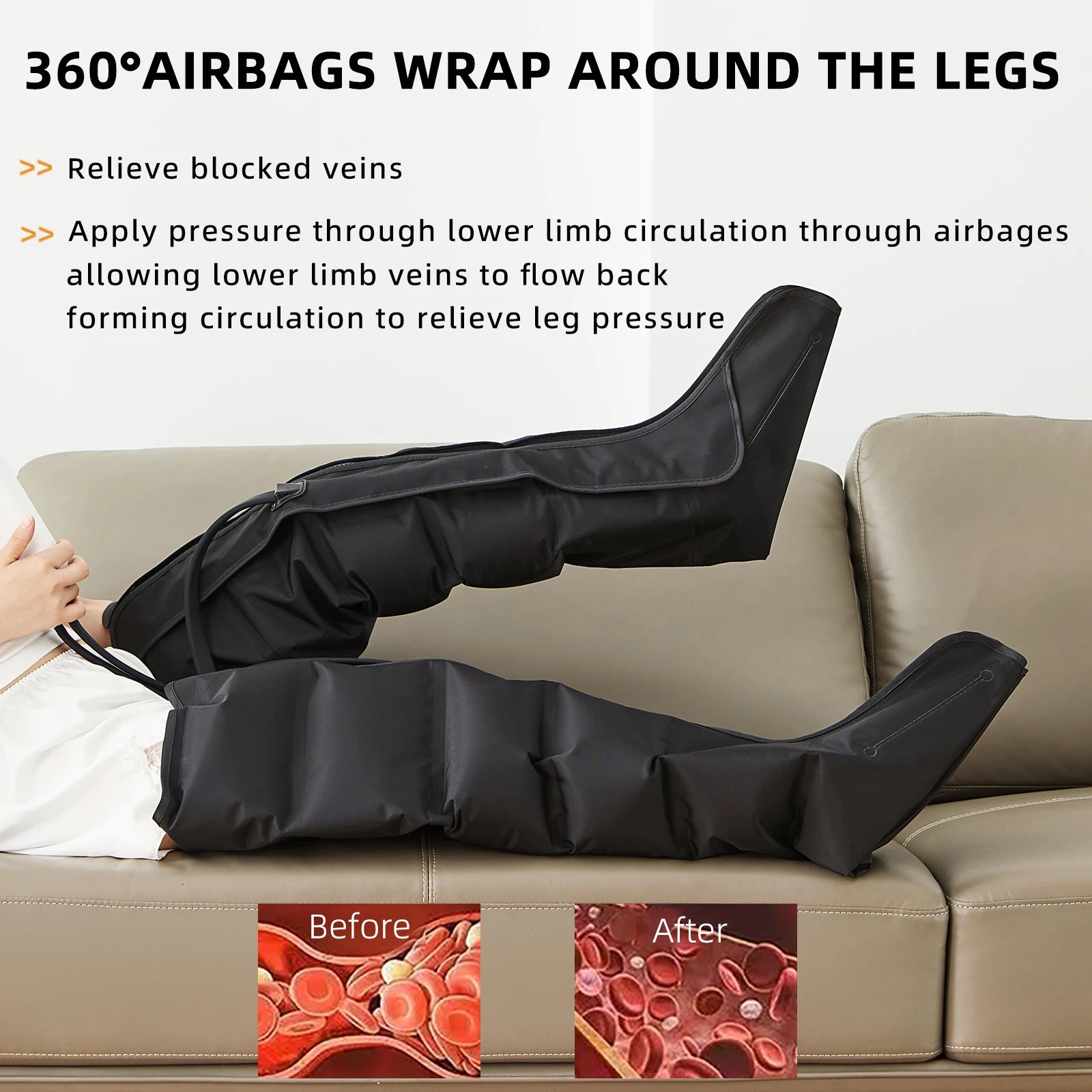
A closer look at how a full leg compression massager supports daily recovery — See it in action
Types of Leg Compression Devices Compared
Compression Boots
Compression boots use multiple inflatable air chambers that fill and release in a programmed sequence. This graduated pressure pattern helps promote healthy blood flow, encourages fluid movement, and provides consistent recovery support after exercise or prolonged standing. Because they deliver dynamic pneumatic compression rather than constant pressure, they are often the preferred choice for athletes and people seeking comprehensive leg recovery at home.
Sleeves and Wraps
Compression sleeves and wraps provide continuous pressure instead of sequential inflation. They are lightweight, portable, and suitable for everyday wear, making them useful for managing mild leg fatigue during work or travel. However, they do not actively massage the legs or create the wave-like compression cycle produced by pneumatic systems.
Medical-Grade vs Home Devices
Medical-grade compression machines are designed for clinical treatment and allow highly precise pressure settings under professional supervision. Home devices focus on comfort, convenience, and wellness, offering adjustable programs that help reduce tired legs, temporary swelling, and post-workout discomfort. Choosing between them depends on whether you need prescribed medical therapy or general recovery support.
Benefits of Leg Compression Therapy (What Research Supports)
Circulation Support
Clinical studies suggest that intermittent pneumatic compression can improve venous return by assisting blood flow from the lower legs back toward the heart. Better circulation may help reduce the feeling of heavy legs after prolonged sitting, standing, or travel while supporting normal oxygen delivery to working muscles.
Muscle Recovery
Many athletes use leg compression therapy after training because sequential compression may help decrease post-exercise soreness and improve perceived recovery. While results vary among individuals, regular use can complement stretching, hydration, nutrition, and adequate rest as part of a complete recovery strategy.
Swelling Reduction
Pneumatic compression encourages the movement of excess fluid through both the venous and lymphatic systems. This makes it especially helpful for relieving temporary swelling associated with inactivity, long flights, demanding work shifts, or strenuous physical activity.
Rehabilitation Benefits
When recommended by a healthcare professional, compression therapy may support rehabilitation by promoting circulation and improving comfort during recovery. Although it can be a valuable adjunct to rehabilitation programs, it should not replace prescribed medical treatment or physical therapy.
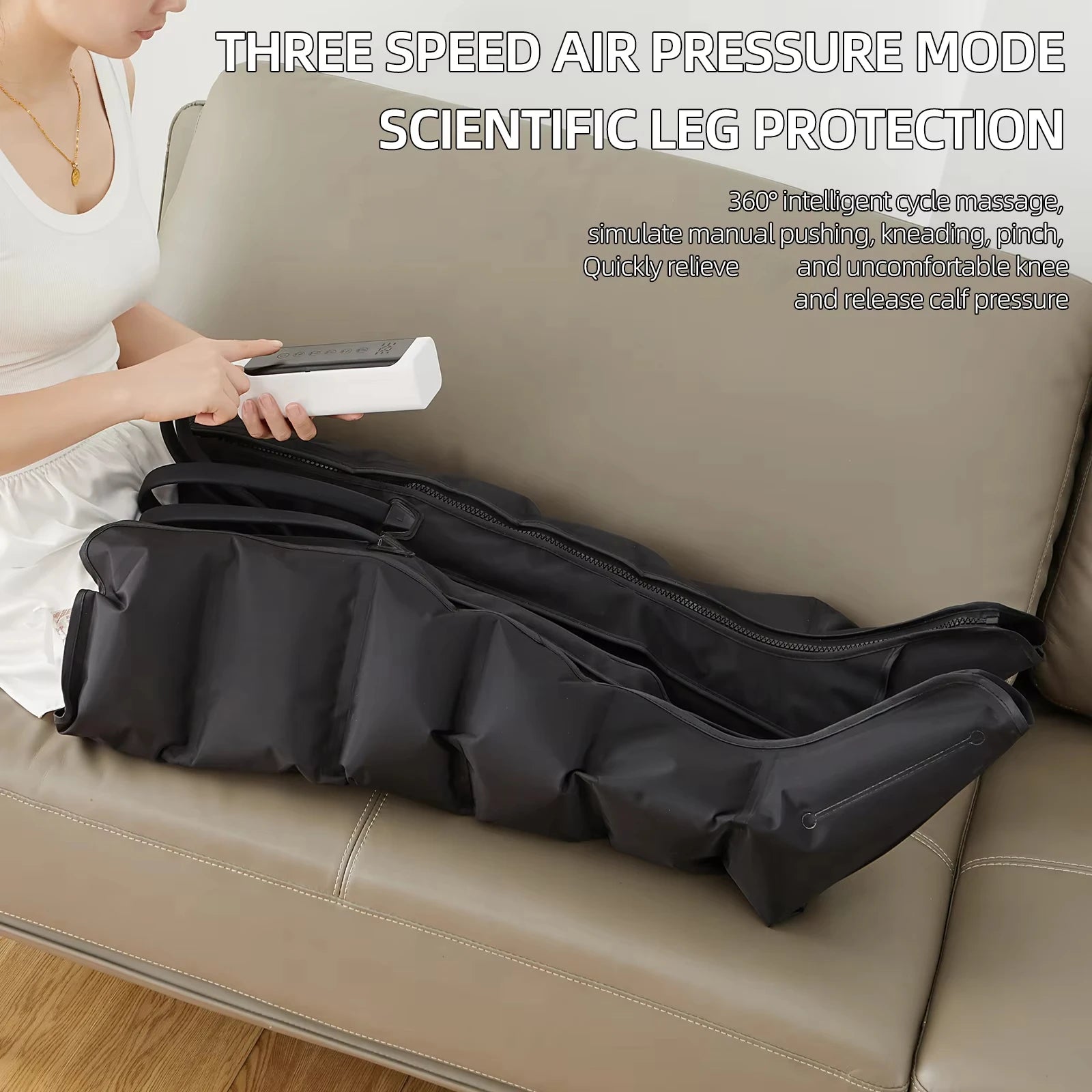
Mid-session comfort with a full leg massager designed for home recovery — See it in action
Who Benefits Most from Leg Compression Therapy?
Athletes
Runners, cyclists, strength athletes, and recreational exercisers often use compression therapy to support recovery between workouts. Regular sessions may help reduce muscle fatigue and prepare the legs for future training.
People with Sedentary Jobs
Office workers, professional drivers, and frequent travelers commonly experience stiffness and leg heaviness after sitting for extended periods. A full leg compression massager can provide temporary relief by encouraging healthy circulation during recovery periods.
Older Adults and Mild Circulation Concerns
For otherwise healthy older adults experiencing occasional tired or heavy legs, home compression therapy may improve day-to-day comfort. Anyone with diagnosed vascular disease or significant circulation disorders should consult a healthcare professional before beginning regular use.
Post-Exercise Recovery
People recovering from demanding workouts or physically intensive occupations may benefit from adding compression sessions to their overall recovery routine. The greatest improvements are typically seen when compression is combined with movement, hydration, balanced nutrition, and sufficient sleep.
Many users pair compression with other tools from Body Care and Health Devices to build a complete recovery routine.
Here is the rewritten HTML for Part 3.When Leg Compression Machines Do Not Work
Common Myths
Leg compression machines are effective for improving circulation, reducing temporary swelling, and supporting recovery, but they are not a universal solution. One common misconception is that compression alone can eliminate leg fatigue or prevent every circulation-related problem. In reality, these devices work best as part of a broader wellness routine that includes regular movement, adequate hydration, and healthy lifestyle habits.
Temporary vs Long-Term Results
Many users notice lighter, more comfortable legs immediately after a session because sequential compression temporarily improves fluid movement and venous return. However, these benefits naturally diminish over time if compression therapy is discontinued. Consistent use, combined with physical activity and appropriate recovery practices, is generally needed to maintain ongoing improvements.
Not a Medical Cure
Although pneumatic compression therapy has established clinical applications, home leg compression machines are not intended to diagnose, treat, or cure serious vascular diseases. They should not replace prescribed treatments for conditions such as chronic venous disease, severe lymphedema, peripheral artery disease, or deep vein thrombosis. Anyone with persistent swelling, severe pain, or unexplained leg symptoms should seek medical evaluation.
Are Leg Compression Boots Worth It?
Whether leg compression boots are worth buying depends largely on how often you expect to use them. For people who regularly experience tired legs, spend long hours standing or sitting, or want convenient post-workout recovery, a quality home compression system can provide meaningful long-term value.
| Advantages | Considerations |
|---|---|
| Supports healthy circulation | Higher-quality systems require a larger upfront investment |
| May reduce temporary swelling and leg fatigue | Benefits are greatest with consistent use |
| Can improve post-exercise recovery comfort | Not appropriate for every medical condition |
| Convenient for home use with adjustable programs | Should complement—not replace—exercise or medical care |
Who Gets the Most Value
Compression boots are often a worthwhile investment for athletes, healthcare professionals, retail workers, travelers, office workers, and anyone who experiences recurring leg fatigue after daily activities. Individuals who use recovery devices several times each week generally receive greater value than occasional users.
How to Use a Full Leg Compression Machine Safely at Home
Setup
- Place the compression sleeves or boots comfortably around both legs without twisting the chambers.
- Connect the controller and select a program appropriate for your experience level.
- Begin with the lowest comfortable pressure setting.
- Relax in a seated or reclined position while the compression cycle runs.
Recommended Session Length
Most beginners benefit from sessions lasting 10 to 15 minutes. As your comfort and familiarity increase, many home users extend sessions to approximately 20 to 30 minutes, provided the manufacturer's instructions recommend doing so.
Pressure Settings
Start with low or moderate pressure rather than the highest setting. Higher pressure does not necessarily produce better results, and comfort should always guide adjustments. If you experience pain, numbness, tingling, or unusual discomfort, stop the session immediately.
Usage Frequency
Using a full leg compression machine once daily is sufficient for many people. Those with demanding training schedules or prolonged standing occupations may benefit from up to two sessions per day, while allowing adequate time between treatments. Follow your healthcare provider's advice if compression therapy has been recommended for a specific medical reason.
- Avoid using excessive pressure that causes discomfort.
- Inspect the sleeves regularly for proper fit and wear.
- Do not use the device over open wounds unless instructed by a healthcare professional.
- Consult your doctor before use if you have cardiovascular disease, diabetes with neuropathy, or other significant medical conditions.
Who Should Avoid Leg Compression Therapy?
Contraindications
Although home leg compression machines are safe for many healthy adults, they are not appropriate for everyone. Avoid using pneumatic compression therapy unless your healthcare provider recommends it if you have severe peripheral artery disease (PAD), untreated deep vein thrombosis (DVT), acute skin infections affecting the legs, severe congestive heart failure, or any condition where additional external compression could worsen circulation.
If you experience sudden leg pain, significant swelling in only one leg, skin discoloration, chest pain, or shortness of breath, seek immediate medical evaluation instead of self-treating with compression.
When to Seek Medical Advice
Consult a healthcare professional before using a full leg compression machine if you are pregnant, recovering from surgery, managing chronic cardiovascular or vascular conditions, have diabetes with reduced sensation, or are receiving treatment for lymphedema. Professional guidance helps ensure that compression therapy is both safe and appropriate for your individual circumstances.
What Results Can You Expect and How Long Does It Take?
Immediate Effects
Many users notice that their legs feel lighter, less fatigued, and more refreshed immediately after a session. Temporary swelling caused by prolonged sitting, standing, travel, or exercise may also decrease as fluid movement improves.
Short-Term Progress
After several days or weeks of consistent use, many people report improved recovery following exercise, greater day-to-day comfort, and less leg heaviness during demanding work or travel schedules. Individual results vary depending on activity level, overall health, and the underlying cause of symptoms.
Long-Term Expectations
Compression therapy provides the greatest long-term benefit when combined with regular physical activity, healthy weight management, hydration, and appropriate medical care when needed. It supports circulation and recovery but does not permanently correct underlying medical conditions.
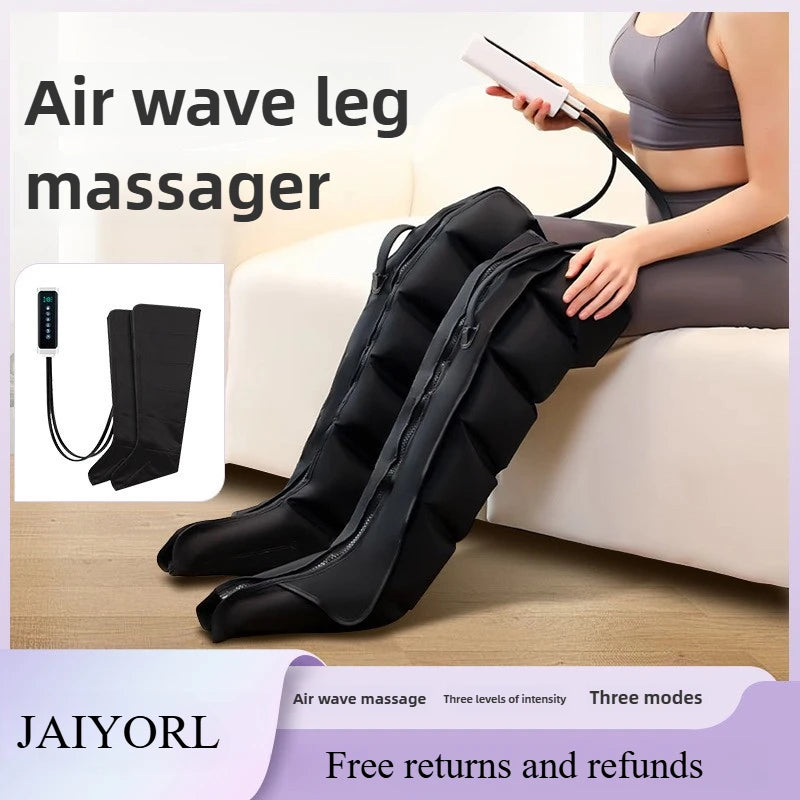
Designed for daily use, this full leg compression machine fits seamlessly into home routines — See it in action
Frequently Asked Questions
Do leg compression machines really improve circulation?
Yes. Sequential pneumatic compression helps promote venous return and supports healthy blood flow. While the improvement is temporary after each session, regular use can provide ongoing circulation support as part of a healthy lifestyle.
How long should you use a leg compression machine each session?
Most home users benefit from sessions lasting 15 to 30 minutes, depending on the manufacturer's recommendations and personal comfort. Beginners should start with shorter sessions at lower pressure settings.
Are leg compression boots worth buying for home use?
For people who regularly experience leg fatigue, prolonged standing, extended sitting, or frequent training, compression boots can provide convenient recovery support and may offer good long-term value when used consistently.
Can leg compression therapy reduce swelling?
Yes. Compression therapy may reduce temporary swelling caused by inactivity, travel, prolonged standing, or exercise by encouraging normal movement of blood and lymphatic fluid. Persistent or unexplained swelling should be evaluated by a healthcare professional.
Do compression machines help with varicose veins?
They may temporarily relieve discomfort, heaviness, and mild swelling associated with varicose veins, but they do not eliminate existing varicose veins or replace medical treatment when intervention is required.
Can you use a leg compression massager every day?
Most healthy adults can safely use a leg compression massager once or twice daily if they follow the manufacturer's instructions and have no medical contraindications.
What pressure setting is best for beginners?
Start with a low to moderate pressure level and increase gradually only if the treatment remains comfortable. Higher pressure is not necessarily more effective.
Who should not use a leg compression machine?
People with severe peripheral artery disease, untreated DVT, certain forms of heart failure, acute leg infections, or other conditions where compression may be unsafe should avoid use unless specifically advised by their healthcare provider.
Related Guide: Best Air Compression Leg Massager Compared for Faster Recovery
Here is the rewritten HTML for Part 5.Final Verdict: Are Leg Compression Machines Effective?
Based on current clinical evidence and real-world use, the answer is yes —leg compression machines are effective when used for the purposes they are designed to support. Intermittent pneumatic compression can improve venous return, encourage healthy fluid movement, reduce temporary swelling, and help relieve muscle fatigue after prolonged standing, sitting, travel, or exercise.
The people who typically benefit the most include athletes seeking faster recovery, office workers and frequent travelers dealing with heavy or tired legs, professionals who spend long hours on their feet, and individuals looking for a convenient way to support everyday circulation as part of a healthy lifestyle.
It is equally important to maintain realistic expectations. A full leg compression machine is not a substitute for regular exercise, medical evaluation, or treatment of underlying vascular conditions. Instead, it works best alongside daily movement, proper hydration, balanced nutrition, and other healthy recovery habits.
For most healthy adults, a high-quality full leg compression massager can be a worthwhile long-term investment, providing consistent comfort and recovery benefits from home while reducing the need for frequent professional recovery sessions. When used according to the manufacturer's instructions and appropriate medical guidance, it offers a practical, evidence-supported addition to a comprehensive wellness routine.













