

Garment steamer vs iron: which is better for busy mornings?
A garment steamer is better for speed, convenience, and wrinkle touch-ups, while an iron delivers sharper, long-lasting results for structured clothing. If you need fast, low-effort wrinkle removal before work, a steamer wins. If you want crisp collars, pleats, and professional finishes, an iron is still the better choice.
In short:
- Choose a garment steamer for quick refreshes, delicate fabrics, and no setup time
- Choose an iron for precision, formal wear, and deep wrinkles
The right tool depends on how you dress, how much time you have, and how polished you need to look.
Garment Steamer vs Iron: Which Wins for Busy Mornings?
Garment steamer vs iron debates usually start when the clock is ticking and wrinkles won’t wait. If you’re trying to steam a shirt without an iron or iron clothes without ironing board space, the right tool can turn stress into confidence. Which one actually fits real mornings—and your lifestyle?
⏱ 6 min read
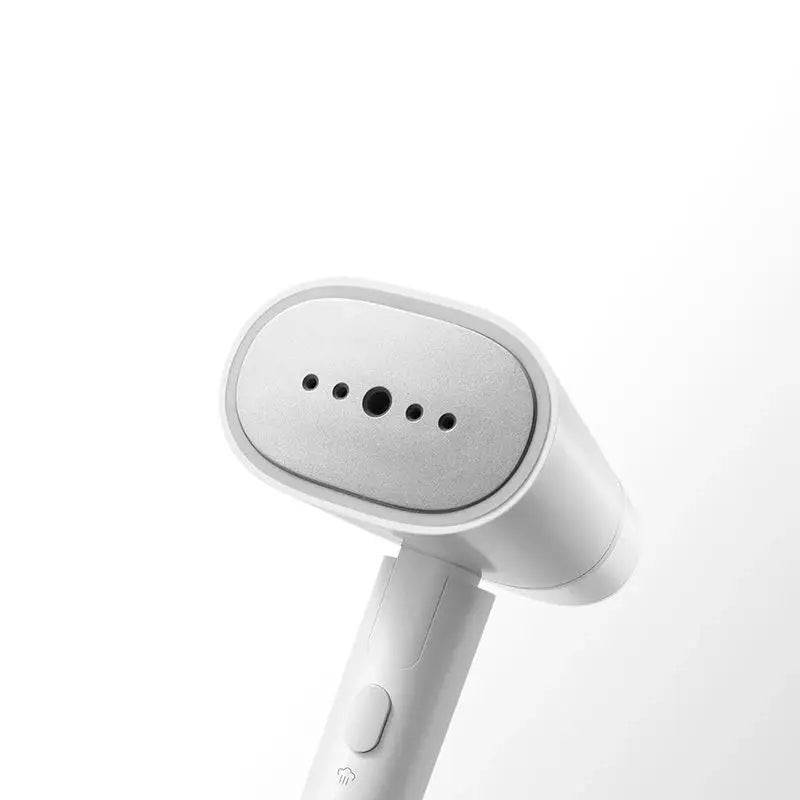
Garment steamer vs iron for fast mornings — See it in action
How garment steamers and irons actually work
How a garment steamer works
A garment steamer heats water to produce continuous steam, which relaxes fabric fibers and releases wrinkles without direct pressure. The steam penetrates the material, making it ideal for delicate fabrics like silk, chiffon, and wool.
How an iron works
An iron uses a heated soleplate combined with pressure to flatten fibers. Steam irons add moisture to soften wrinkles before pressing, creating crisp, structured finishes—especially useful for cotton shirts, trousers, and formal wear.
Key difference
The core difference is pressure vs relaxation : irons press wrinkles out, while steamers gently release them.
The fastest choice when every minute counts
Speed is where garment steamers clearly outperform irons.
- Garment steamer: heats up in 30–60 seconds and works directly on hanging clothes
- Iron: takes 1–3 minutes to heat and requires a board setup
For a single shirt:
- Steamer: ~1–3 minutes
- Iron: ~5–10 minutes (including setup)
If your mornings are rushed, a steamer saves several minutes per outfit—making it the practical everyday choice.
Quick check: Are you dressing while answering emails or packing lunches? Keep reading.
Garment steamer vs iron: clear side-by-side comparison
- Speed: Steamer wins (faster setup and use)
- Wrinkle removal power: Iron wins (better for deep creases)
- Ease of use: Steamer wins (no board needed)
- Precision: Iron wins (collars, cuffs, pleats)
- Fabric safety: Steamer wins (gentler on delicate fabrics)
- Portability: Steamer wins (especially handheld models)
- Professional finish: Iron wins (crisp, sharp look)
Overall, steamers prioritize convenience while irons focus on precision and structure.
Steam station vs iron comparison: is it worth upgrading?
A steam station is a more powerful version of a steam iron, designed for heavy-duty use.
- Steam station: higher steam pressure, faster ironing, better for large loads
- Standard iron: more compact, affordable, and suitable for everyday use
Choose a steam station if you iron frequently or handle large batches of clothes. For occasional use, a regular iron is usually sufficient.
Why garment steamers feel made for modern mornings
Garment steamers are designed for speed, simplicity, and flexibility.
- Use directly on hanging clothes—no ironing board required
- Safe for delicate fabrics like silk, satin, and wool
- Ideal for quick touch-ups before leaving home
- Works well on dresses, blazers, and hard-to-iron areas
They fit modern routines where convenience matters more than perfectly pressed lines.
When a traditional iron still wins
Irons remain the best tool for structured, polished clothing.
- Creating sharp creases in dress shirts and trousers
- Smoothing thick fabrics like denim and cotton
- Achieving a professional, formal appearance
- Handling stubborn, deep wrinkles
If appearance precision matters—especially in business or formal settings—an iron is still unmatched.
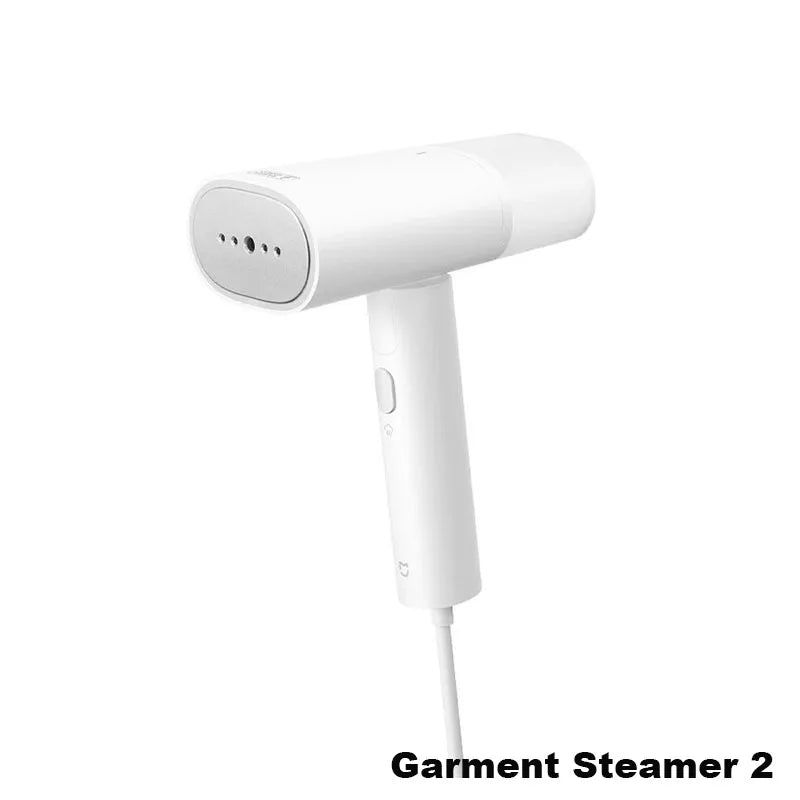
Iron vs garment steamer in real use — See it in action
Steaming shirts vs ironing: real performance test
When comparing real-world results, the difference becomes clear:
- Steaming: removes light to moderate wrinkles quickly but leaves a softer finish
- Ironing: removes deep wrinkles and creates crisp lines
For casual wear, steaming is usually enough. For formal shirts, ironing delivers a noticeably sharper look.
How to steam a shirt without an iron (step-by-step)
Garment steamer vs iron becomes obvious once you try this routine.
- Fill the steamer with water and power on.
- Hang the shirt on a door hook or rod.
- Pull fabric taut and steam top to bottom.
- Focus on collars and seams for 10–15 seconds.
Total time: about 90 seconds for most shirts.
For those building a flexible routine, pairing a steamer with other daily-care tools from the Lifestyle collection keeps mornings streamlined.
Real-life scenarios: which tool fits you?
Busy professional
A garment steamer is ideal for quick daily touch-ups before work.
Small-space living
Steamers save space since they don’t require an ironing board.
Detail-focused dresser
An iron is better if you want crisp collars and precise finishes.
Frequent traveler
A handheld steamer is compact and perfect for hotel use.
Large household
A steam station or iron is more efficient for handling large volumes of laundry.
Explore time-saving personal care tools alongside steamers in the Body Care and Health Devices collection.
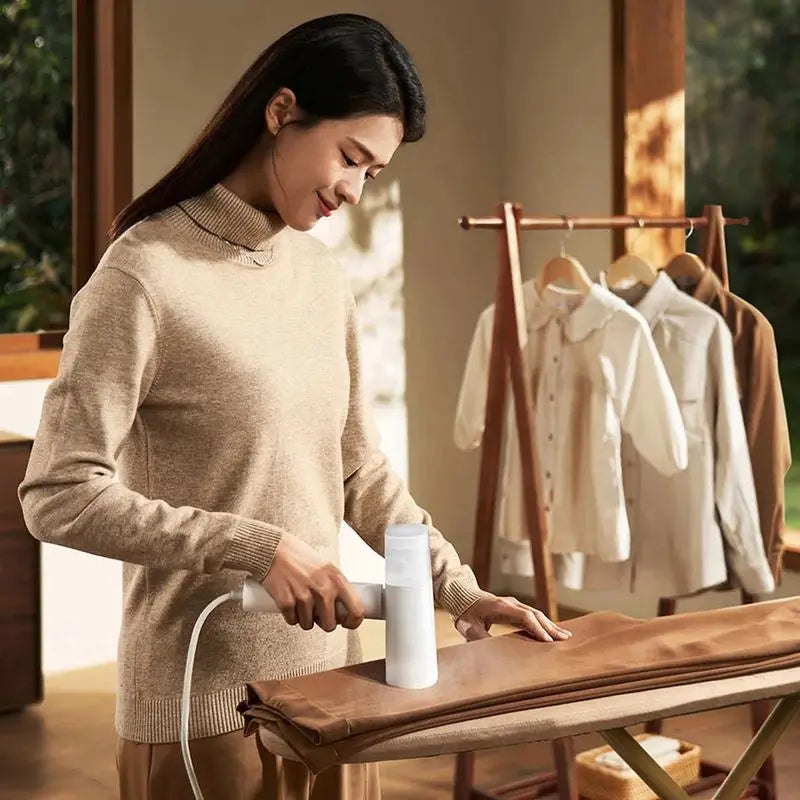
Quick wrinkle removal anywhere — See it in action
Energy use, cost, and maintenance comparison
- Energy use: Steamers typically use less energy per session due to shorter usage time
- Upfront cost: Steamers and irons are similar; steam stations cost more
- Maintenance: Both require descaling, but steamers are usually easier to maintain
Overall, steamers are more convenient, while irons may offer better long-term value for frequent use.
Garment steamer vs iron: FAQs
Is a garment steamer better than an iron?
It depends on your needs. Steamers are better for speed and convenience, while irons are better for precision and formal clothing.
Can you steam a shirt instead of ironing?
Yes, steaming works well for light wrinkles, but ironing is better for crisp finishes.
Do steamers damage clothes?
No, steamers are generally safer than irons because they don’t apply direct heat pressure.
Is it worth owning both?
Yes, many people use a steamer for daily touch-ups and an iron for formal wear.
Which is better for delicate fabrics?
Steamers are better because they reduce the risk of burning or damaging fabric.
Related Guide: Best Handheld Steamer for Clothes: Top Picks Compared
UPGRADE PLAN { "outline": [ { "action": "MODIFY", "h2": "Garment Steamer vs Iron (2026): Quick Comparison", "h3": [ "Key differences at a glance", "Who should buy a steamer", "Who should buy an iron", "Who should own both" ], "focus": [ "comparison table", "buyer intent", "decision framework", "top use cases" ], "keywords": [ "best garment steamer vs iron 2026", "garment steamer vs iron", "steamer vs iron comparison" ] }, { "action": "MODIFY", "h2": "How garment steamers and irons actually work", "h3": [ "How a garment steamer works", "How an iron works", "Key difference" ], "focus": [ "technology", "steam vs pressure", "wrinkle removal mechanism" ], "keywords": [ "garment steamer vs steam iron", "garment steamer vs iron differences" ] }, { "action": "ADD", "h2": "How we compared garment steamers and irons", "h3": [ "Testing criteria" ], "focus": [ "speed", "wrinkle removal", "fabric safety", "ease of use", "overall value" ], "keywords": [ "garment steamer vs iron comparison 2026" ] }, { "action": "MODIFY", "h2": "Garment steamer vs iron: side-by-side performance comparison", "h3": [ "Wrinkle removal", "Heat-up time", "Ease of use", "Maintenance" ], "focus": [ "performance", "convenience", "efficiency", "daily use" ], "keywords": [ "clothes steamer vs iron", "compare clothes iron steamer vs traditional iron", "steam iron vs garment steamer" ] }, { "action": "MODIFY", "h2": "Which is better for different fabrics?", "h3": [ "Cotton and linen", "Silk and wool", "Synthetic fabrics", "Delicate garments" ], "focus": [ "fabric compatibility", "garment care", "risk of damage", "best tool by fabric" ], "keywords": [ "fabric steamer or iron", "garment steamer or steam iron", "is garment steamer better than iron" ] }, { "action": "MODIFY", "h2": "Steam station vs iron comparison: is it worth upgrading?", "h3": [ "Steam station advantages", "Who benefits most" ], "focus": [ "premium option", "household use", "performance", "cost" ], "keywords": [ "steam station vs iron comparison" ] }, { "action": "ADD", "h2": "Handheld steamer vs iron comparison", "h3": [ "Travel", "Quick touch-ups", "Everyday home use" ], "focus": [ "portability", "storage", "performance", "ideal users" ], "keywords": [ "handheld steamer vs iron comparison" ] }, { "action": "MODIFY", "h2": "Steaming shirts vs ironing: real-world results", "h3": [ "Dress shirts", "T-shirts", "Business clothing" ], "focus": [ "appearance", "speed", "finish quality", "practical testing" ], "keywords": [ "steaming shirts vs ironing", "clothes steamer vs iron which is better" ] }, { "action": "MODIFY", "h2": "Real-life scenarios: which tool fits you?", "h3": [ "Busy professional", "Small-space living", "Detail-focused dresser", "Frequent traveler", "Large household" ], "focus": [ "buyer personas", "recommendations", "daily routines", "purchase decisions" ], "keywords": [ "garment steamers vs irons", "irons and garment steamers" ] }, { "action": "MODIFY", "h2": "Energy use, ownership cost, and maintenance", "h3": [ "Electricity", "Replacement costs", "Cleaning and lifespan" ], "focus": [ "operating cost", "maintenance", "long-term value" ], "keywords": [ "clothes steamer vs iron pros cons" ] }, { "action": "ADD", "h2": "Final verdict: Which should you buy in 2026?", "h3": [ "Best overall choice", "Best budget choice", "Best for owning both" ], "focus": [ "buying recommendations", "decision summary", "best value", "2026 guidance" ], "keywords": [ "best garment steamer vs steam iron 2026", "best garment steamer vs iron 2026" ] }, { "action": "MODIFY", "h2": "Garment steamer vs iron FAQs", "h3": [ "Is a garment steamer better than an iron?", "Can you steam a shirt instead of ironing?", "Do steamers damage clothes?", "Is it worth owning both?", "Which is better for delicate fabrics?" ], "focus": [ "purchase questions", "fabric care", "ownership", "performance" ], "keywords": [ "garment steamer vs iron", "is garment steamer better than iron" ] } ], "internal_links": [ "/blogs/news/do-garment-steamers-really-work", "/blogs/news/fix-wrinkled-clothes-quickly", "/blogs/news/how-to-iron-clothes-without-ironing-board", "/blogs/news/best-handheld-garment-steamer", "/collections/lifestyle" ], "faq": [ "Can a garment steamer replace an iron completely?", "Which removes wrinkles faster: a steamer or an iron?", "Should I buy a garment steamer or a steam iron in 2026?", "Are garment steamers safe for all fabrics?", "Is a handheld garment steamer powerful enough for everyday use?", "Do hotels prefer steamers or irons for clothing care?" ], "trim": [ "The fastest choice when every minute counts", "Why garment steamers feel made for modern mornings", "When a traditional iron still wins", "How to steam a shirt without an iron (step-by-step)" ] } RULES - Apply every instruction in the Upgrade Plan. - Keep all existing affiliate links unchanged. - Keep all existing internal links unchanged. - Keep all existing image URLs unchanged. - Preserve sections such as Related Articles, Related Posts and Recommended Reading. - Avoid duplicate headings. - Insert new sections only where specified. - Improve clarity, topical coverage, EEAT and readability. - Expand weak sections only when required. - Use natural keyword placement. - Keep semantic HTML clean. YEAR UPDATE If visible article text contains "2005", replace it with "2026". Do not modify years inside: - URLs - href attributes - image filenames OUTPUT REQUIREMENTS Return ONLY the final upgraded HTML article. The output must be valid HTML and ready to publish. Do NOT return: - Markdown - Explanations - Notes - Code fences - JSON - XML Return the HTML beginning with the first HTML element and ending with the last HTML element.












