

Do Heated Socks Actually Keep Your Feet Warm?
Yes. Heated socks for cold weather actively generate warmth using built-in heating elements powered by rechargeable batteries, unlike wool or thermal socks that only retain existing body heat. Most rechargeable heated socks provide 4–8 hours of continuous warmth depending on the battery size and selected heat level, making them ideal for winter hiking, skiing, outdoor work, commuting, and other prolonged cold-weather activities.
Who benefits most from heated socks
Battery heated socks are especially useful for people who spend long periods outdoors or struggle to keep their feet warm. They are a practical choice for:
- Winter hikers and campers
- Skiers and snowboarders
- Construction and outdoor workers
- Hunters, anglers, and photographers
- Daily commuters in freezing climates
- People with poor circulation or Raynaud's who need consistent warmth (following their healthcare provider's advice)
While heated socks dramatically improve comfort in cold conditions, they still work best when paired with properly insulated, waterproof footwear and moisture-wicking layers.
Quick Comparison: Best Heated Socks for Cold Weather (2026)
| Category | Typical Runtime | Heating Coverage | Best Use |
|---|---|---|---|
| Everyday rechargeable heated socks | 4–6 hours | Toe area | Commuting and daily wear |
| Mid-weight hiking socks | 5–7 hours | Toes and forefoot | Winter hiking |
| Performance ski socks | 6–8 hours | Toes and entire forefoot | Skiing and snow sports |
| Heavy-duty battery heated socks | 8+ hours | Extended foot coverage | Outdoor work and extreme cold |
Heated Socks for Cold Weather: Choosing the Best Socks for Every Activity
⏱ 7 min read
Cold mornings, icy sidewalks, and long winter days can drain your energy faster than expected. Once your feet become cold, the rest of your body often feels colder too. Choosing effective cold-weather gear starts with protecting your feet because warmth, dryness, and circulation all contribute to better comfort and endurance.
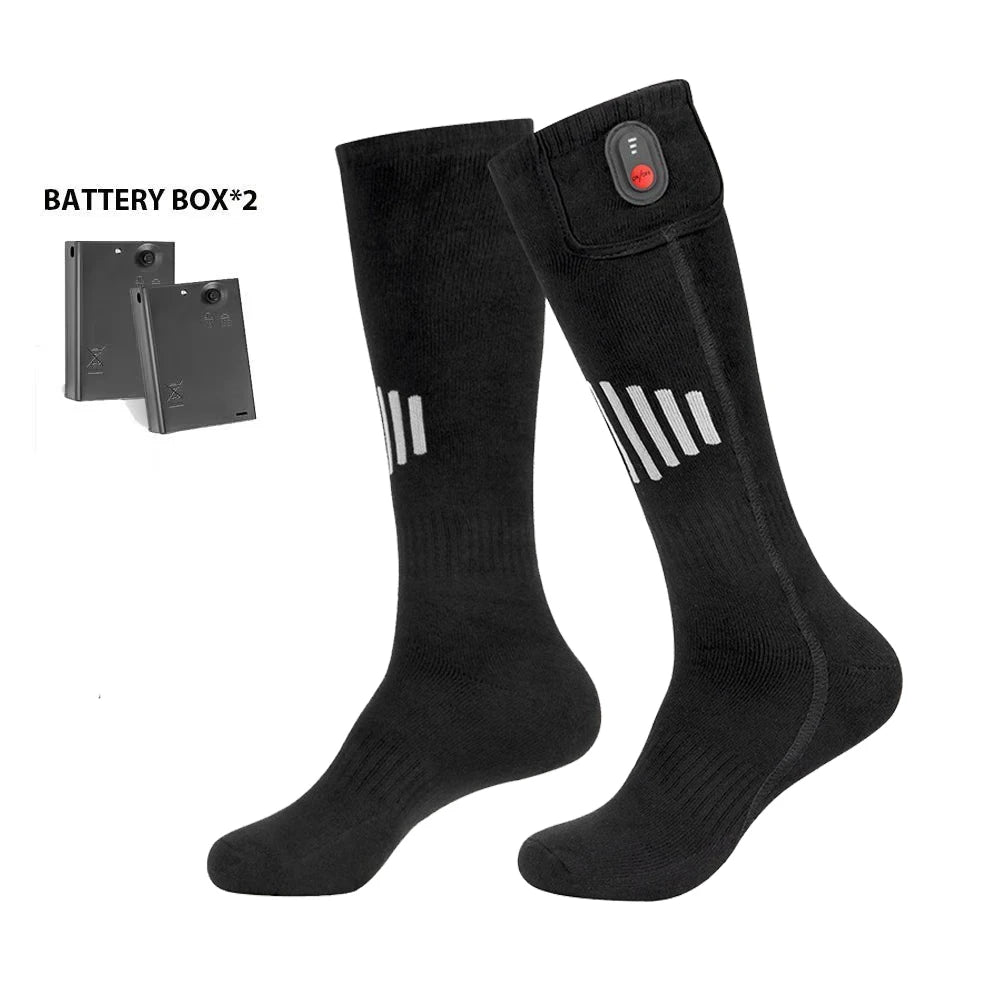
Cold-weather comfort starts from the ground up. See it in action.
Why the Right Socks Matter in Cold Weather
Your feet lose heat quickly because they have relatively little insulating fat and are often exposed to cold surfaces. Wet socks, tight boots, and poor circulation can make even thick socks feel cold.
- Cold feet reduce comfort and endurance.
- Moisture speeds up heat loss.
- Poorly fitting socks restrict circulation.
- Low-quality fabrics trap sweat instead of moving it away.
Wool vs Heated Socks: Which Should You Choose?
Warm winter socks made from merino wool remain an excellent choice for moderate winter weather because they insulate even when slightly damp. Heated socks, however, actively produce warmth, making them a better solution for extended exposure to freezing temperatures.
| Feature | Wool Socks | Heated Socks |
|---|---|---|
| Heat source | Insulation only | Active electric heating |
| Best for | Everyday winter use | Extreme cold and long exposure |
| Battery required | No | Yes |
| Performance in freezing weather | Good | Excellent |
How We Tested the Best Heated Socks
To compare rechargeable heated socks fairly, we evaluated the features that matter most in everyday winter use.
- Battery endurance at low, medium, and high heat settings
- Warmth distribution across toes and soles
- Comfort inside everyday shoes and winter boots
- Breathability during extended wear
- Ease of charging and battery replacement
- Washability and long-term durability
Rather than focusing only on maximum heat output, we prioritized overall comfort, reliable runtime, and practical performance during real cold-weather activities.
How Heated Socks Work
Heating elements
Most battery heated socks use flexible carbon-fiber heating elements positioned around the toes and forefoot. These materials distribute warmth evenly while remaining thin enough to fit comfortably inside boots.
Battery types
Rechargeable lithium-ion battery packs usually attach near the top of the calf. Larger battery capacities generally provide longer runtime but may add a small amount of weight.
Heat settings
Most rechargeable heated socks offer three temperature levels. Lower settings maximize battery life, while higher settings deliver faster warmth during particularly cold conditions. Actual runtime varies with outside temperature, battery capacity, and selected heat level.
When used according to the manufacturer's instructions, modern heated socks include low-voltage systems designed for safe everyday use.
Choosing the Right Heated Socks by Activity
| Activity | Recommended Type | Key Features |
|---|---|---|
| Daily commuting | Thin heated socks | Lightweight, breathable, adjustable heat |
| Winter hiking | Mid-weight heated socks | Durability, moisture control, reinforced heel and toe |
| Skiing & snow sports | Performance heated socks | Long runtime and multiple heat settings |
| Outdoor work | Heavy-duty heated socks | Maximum warmth and extended battery life |
Hiking
Choose socks with reinforced cushioning, moisture management, and enough battery life for your planned distance.
Skiing
Look for slim socks that fit comfortably inside ski boots without creating pressure points.
Hunting and Fishing
Extended battery runtime is especially valuable when you're standing still for long periods.
Motorcycling
Wind exposure can cool feet rapidly, making battery heated socks an excellent addition beneath riding boots.
Outdoor Work
Workers who spend entire shifts outside should prioritize durability, multiple heat settings, and batteries capable of lasting through the workday.
Poor Circulation and Raynaud's
Many people with chronically cold feet appreciate the steady warmth provided by heated socks. Those with medical conditions affecting circulation should consult their healthcare provider before prolonged use.
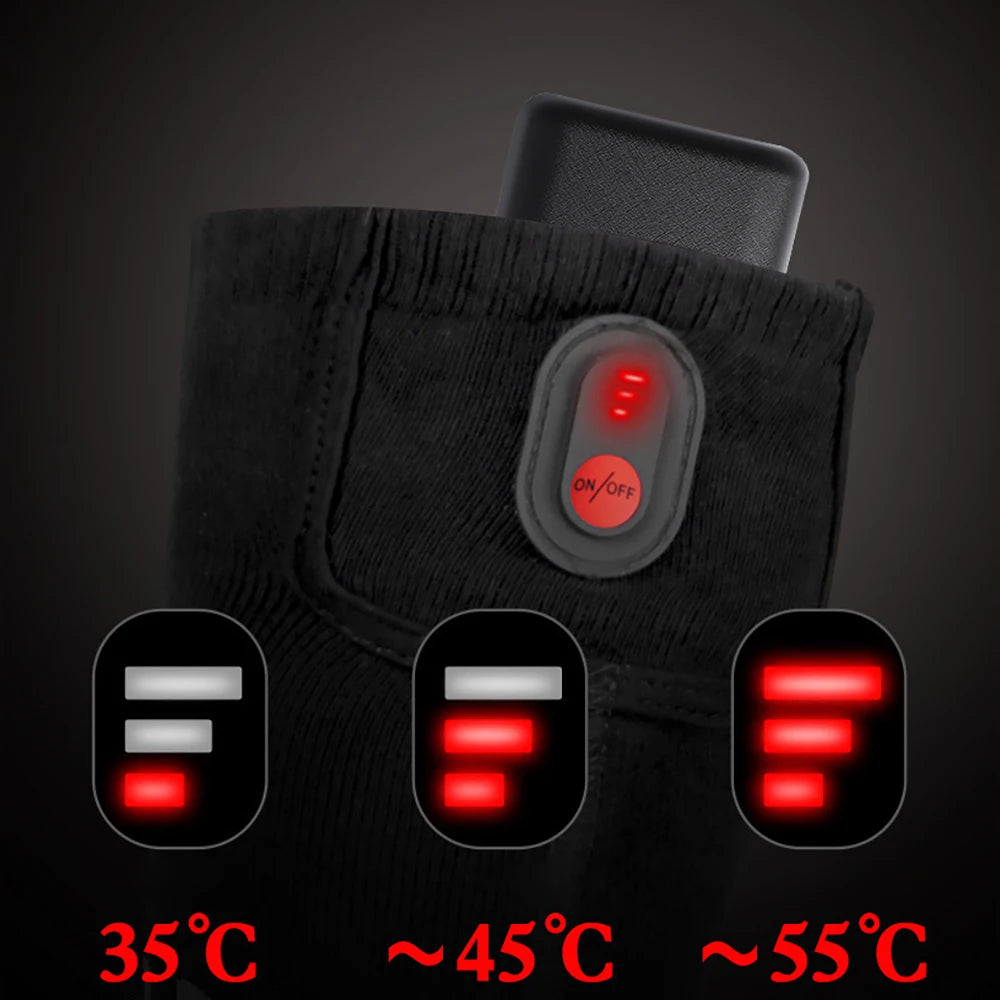
Designed for demanding winter days. See how it performs.
Sizing, Fit, and Material Guide
The best heated socks should fit snugly without restricting circulation.
- Select the manufacturer's recommended size rather than sizing down.
- Merino wool blends balance insulation with moisture management.
- Synthetic performance fibers dry faster during active use.
- Compression should feel supportive—not restrictive.
- Make sure the battery pack does not interfere with your boots.
Caring for Heated Socks
Battery care
- Recharge batteries before long-term storage.
- Avoid exposing batteries to excessive heat or freezing temperatures.
- Replace batteries if they no longer hold an adequate charge.
Washing
- Always remove the batteries first.
- Use mild detergent and a gentle wash cycle.
- Avoid bleach and fabric softeners.
- Air dry completely before reconnecting the batteries.
Storage
Store socks flat in a dry location and avoid tightly folding the heating elements to help maximize their lifespan.
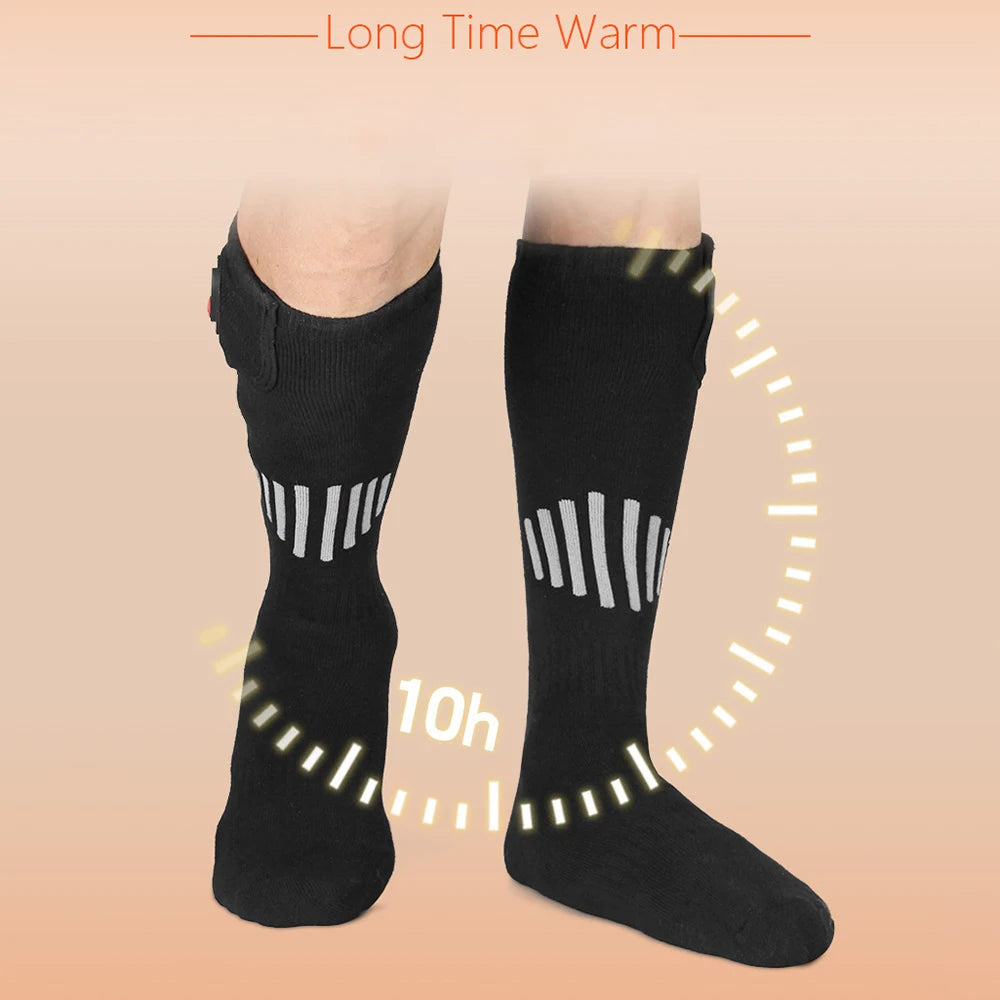
Reliable warmth all winter long. Discover the difference.
Top Heated Socks for Cold Weather: 2026 Picks
Best Overall
Everyday Comfort Heated Socks offer an excellent balance of comfort, battery life, and warmth for most winter users.
Best Value
Budget Rechargeable Heated Socks provide dependable warmth at an affordable price for occasional winter use.
Best for Winter Hiking
Choose mid-weight heated socks with reinforced cushioning and moisture-wicking materials for long-distance comfort.
Best for Skiing
Performance models with extended runtime and slim construction work well inside ski boots.
Best for Outdoor Work
Heavy-duty battery heated socks with larger batteries provide dependable warmth throughout extended shifts.
Best for Men
Look for durable designs with generous sizing options and reinforced wear zones.
Best for Women
Many women's models prioritize slimmer fits while still offering the same heating performance and adjustable temperature settings.
Are Heated Socks Worth Buying?
For anyone who regularly spends time outdoors during winter, heated socks often provide significantly greater comfort than relying on thicker socks alone.
They are especially worthwhile if you:
- Spend hours outside in freezing weather
- Frequently experience cold feet
- Enjoy skiing, hiking, hunting, or winter travel
- Need dependable warmth during outdoor work
If you only encounter mild winter temperatures or spend most of your time indoors, high-quality merino wool socks may provide enough insulation without the added cost of rechargeable batteries.
Frequently Asked Questions
Are heated socks safe for daily use?
Yes. Modern heated socks use low-voltage electrical systems and built-in safety features when used according to the manufacturer's instructions.
How long do heated socks batteries last?
Most rechargeable heated socks operate for approximately 4–8 hours depending on battery capacity and the selected heat level.
Can you wash heated socks?
Yes. Remove the batteries first, follow the care instructions, and allow the socks to air dry completely before reuse.
Can heated socks replace wool socks?
In extremely cold weather they often can. Many people also combine heated socks with high-quality insulated boots for maximum warmth.
Which heated socks are best for hiking?
Choose durable mid-weight socks with moisture management, reinforced cushioning, and battery life appropriate for your hiking duration.
Which heated socks are best for skiing?
Performance heated socks with slim construction, adjustable heat settings, and long battery life are generally the best choice.
Are heated socks good for poor circulation?
Many users with chronically cold feet find them helpful, although anyone with circulation disorders should follow guidance from their healthcare provider.
How do I choose the right size?
Select the manufacturer's recommended size chart and ensure the socks fit snugly without compressing your feet or restricting circulation.
Explore the full range of winter-ready solutions in our Lifestyle collection or discover wellness-focused options in Body Care and Health Devices . For reliable warmth, see the full details at heated socks .













