

Safe Ear Cleaning Methods for Gentle, Effective Ear Care
Quick Summary: The safest ear cleaning methods start with doing less. Healthy ears usually move earwax outward on their own, so routine deep cleaning is unnecessary. When wax buildup causes symptoms, ear drops may help soften it, while carefully selected irrigation or professional removal may be appropriate for some people. Avoid inserting cotton swabs, metal tools, or other objects into the ear canal, and do not irrigate at home if you have certain ear conditions or warning symptoms.
Explore how today’s solutions protect sensitive ears while delivering real results.
Understanding Earwax: Why Your Ears Usually Clean Themselves
What Earwax Does
Earwax, also called cerumen, is a normal substance produced in the ear canal. It helps trap dust and debris, supports the skin’s natural protective barrier, and helps maintain a healthy environment inside the ear. Earwax is not simply dirt that needs to be removed.
In most people, a moderate amount of earwax is beneficial. The goal of safe ear care is not to remove every trace of wax but to manage excessive buildup without damaging the delicate skin of the ear canal.
How the Ear Canal Self-Cleans
The ear canal has a natural cleaning process. As the skin slowly moves outward, older earwax gradually travels toward the opening of the ear, where it can be wiped away from the outer ear. Normal jaw movement from activities such as talking and chewing may also help support this outward movement.
Because of this self-cleaning process, many people do not need regular deep ear cleaning. Inserting objects into the canal can interfere with the process by pushing wax farther inward instead of helping it exit naturally.
When Earwax Is Normal vs Problematic
Earwax is usually normal when it is not causing symptoms. It may become problematic when it accumulates and blocks part of the ear canal, a condition commonly referred to as impacted earwax.
Possible signs of problematic buildup include muffled or reduced hearing, a feeling of fullness or blockage, ear discomfort, itching, or ringing in the ear. However, these symptoms can also have other causes, so persistent or significant symptoms should not automatically be attributed to earwax.
Do You Need to Clean Your Ears?
Signs Cleaning Is Unnecessary
If you have no symptoms and your ears are functioning normally, routine cleaning inside the ear canal is usually unnecessary. The safest approach may simply be to leave the canal alone and clean only the visible outer ear with a soft, damp cloth.
Frequent cleaning can irritate the delicate skin of the canal and may remove protective earwax unnecessarily. Safe ear cleaning methods should be based on a genuine need rather than a desire to make the ear canal completely wax-free.
Symptoms of Earwax Impaction
Earwax buildup may be worth addressing when it causes symptoms such as:
- Muffled or reduced hearing
- A feeling of fullness, pressure, or blockage
- Ear discomfort or pain
- Itching associated with suspected wax buildup
- Ringing or other changes in hearing
Symptoms that are severe, sudden, persistent, or accompanied by drainage, fever, or significant pain require professional assessment rather than repeated attempts at home removal.
Who Is More Likely to Need Earwax Removal
Some people are more likely to experience recurring buildup than others. Factors may include naturally narrow or unusually shaped ear canals, frequent use of hearing aids or earbuds, and a tendency to produce larger amounts of earwax.
People with a history of ear surgery, eardrum problems, recurrent ear infections, or other ear conditions may need professional guidance before attempting home earwax removal.
Safe Ear Cleaning Methods at Home
Ear Drops (Cerumenolytics)
Over-the-counter ear drops designed to soften earwax can be a useful first option for some people with mild buildup. These products may help loosen hardened wax so it can move outward naturally or be removed more easily when appropriate.
Follow the product instructions carefully and avoid using ear drops if you have been advised not to place liquid in the ear or if you have symptoms suggesting an ear condition that requires medical evaluation.
Warm Water Irrigation (When Appropriate)
Gentle irrigation with body-temperature water may help flush out softened earwax in appropriate situations. Water that is too hot or too cold can be uncomfortable and may cause dizziness, so temperature control matters.
Irrigation is not appropriate for everyone. Do not irrigate at home if you have a known or suspected perforated eardrum, ear tubes, recent ear surgery, an active ear infection, significant ear pain, or other conditions for which a healthcare professional has advised against it.
Cleaning the Outer Ear Safely
For everyday hygiene, clean only the parts of the ear that you can see. A soft, damp cloth can be used around the outer ear and the entrance to the canal without pushing anything inward.
This simple approach is often enough for routine hygiene and avoids many of the risks associated with inserting objects into the ear canal.
How Ear Cleaning Devices Work
Ear cleaning devices may use different mechanisms, including controlled water flow, suction, or soft-touch components. The purpose of a non-invasive ear cleaning technology is to assist with earwax management while reducing the need for sharp or rigid objects inside the ear.
However, the presence of a device does not automatically make ear cleaning risk-free. Safe use depends on the device design, the user's ear health, correct positioning, and following the manufacturer's instructions. A device should never be used to forcefully reach deep into the ear canal or to treat symptoms that may require medical evaluation.
Ear Cleaning Without Cotton Swabs: What to Avoid
Why Cotton Swabs Can Cause Harm
Cotton swabs are commonly used for ear cleaning, but placing them inside the ear canal can push wax deeper and contribute to blockage. They may also irritate or scratch the delicate skin lining the canal.
For this reason, ear cleaning without cotton swabs is generally recommended when cleaning the inside of the ear canal. Cotton swabs may be used only for areas that are clearly external, without inserting them into the canal.
Why Ear Candles Are Unsafe
Ear candling is not a recommended earwax removal method. It can expose the ear and surrounding skin to heat and may cause burns or other injuries. It also does not provide a reliable alternative to appropriate earwax management.
Common Ear Cleaning Myths
- “All earwax must be removed.” Healthy earwax has a protective role, and complete removal is usually unnecessary.
- “More cleaning means cleaner ears.” Excessive cleaning can irritate the ear canal and disrupt its natural protective environment.
- “A sharp tool removes wax more effectively.” Rigid or sharp objects can injure the ear canal and may push wax deeper.
- “Any ear symptom must be caused by wax.” Hearing changes, pain, ringing, and drainage can have multiple causes and may require professional evaluation.
Step-by-Step Guide to Cleaning Your Ears Safely
Before You Start
First, decide whether cleaning is actually necessary. If you have no symptoms, routine deep cleaning may do more harm than good.
Before using drops, irrigation, or an ear cleaning device, consider whether you have a history of eardrum perforation, ear tubes, ear surgery, recurrent infections, or other ear problems. If you are unsure whether home cleaning is appropriate, ask a healthcare professional.
Safe Cleaning Steps
- Assess your symptoms. Do not assume that every feeling of blockage or hearing change is caused by earwax.
- Start with the least invasive option. For appropriate mild buildup, ear drops may help soften wax.
- Allow time for the wax to soften. Follow the instructions for the product you are using rather than repeatedly cleaning the ear.
- Use irrigation only when appropriate. If irrigation is suitable for your situation, use body-temperature water and gentle pressure.
- Clean only the outer ear. Wipe away moisture or visible residue from the outer ear with a clean, soft towel.
- Stop if discomfort occurs. Pain, significant dizziness, bleeding, or worsening symptoms are reasons to stop home treatment and seek medical advice.
Aftercare and Monitoring
After cleaning, keep the outer ear dry and monitor how you feel. Do not repeatedly attempt to remove wax simply because some residue remains visible.
If hearing does not improve, symptoms worsen, or discomfort continues, professional evaluation is safer than escalating the pressure, frequency, or intensity of home cleaning.
Choosing the Right Ear Cleaning Method
Ear Drops vs Irrigation
Ear drops and irrigation serve different purposes. Drops can help soften or loosen wax, while irrigation may help rinse softened wax from the canal when it is appropriate and safe to do so.
For many people, starting with the least invasive option is a sensible approach. Irrigation should be avoided when contraindications are present, and neither method should be used to treat unexplained ear pain or other potentially serious symptoms without appropriate advice.
Professional Removal vs Home Care
Home care may be reasonable for mild, uncomplicated earwax buildup in people without relevant ear conditions. Professional removal is a better option when wax is impacted, symptoms persist, previous attempts have failed, or there is uncertainty about the cause of the symptoms.
Healthcare professionals may use specialized instruments, suction, or other controlled techniques to remove wax while examining the ear canal and eardrum.
When Non-Invasive Technology May Help
Non-invasive ear cleaning technology may appeal to people who want an alternative to cotton swabs or rigid tools. Features such as controlled suction, regulated water flow, or soft materials may help support a more measured approach to ear care.
Even so, technology should complement good safety practices rather than replace them. The safest device is one used according to its instructions, with appropriate pressure and depth, and only when home cleaning is suitable for the individual.
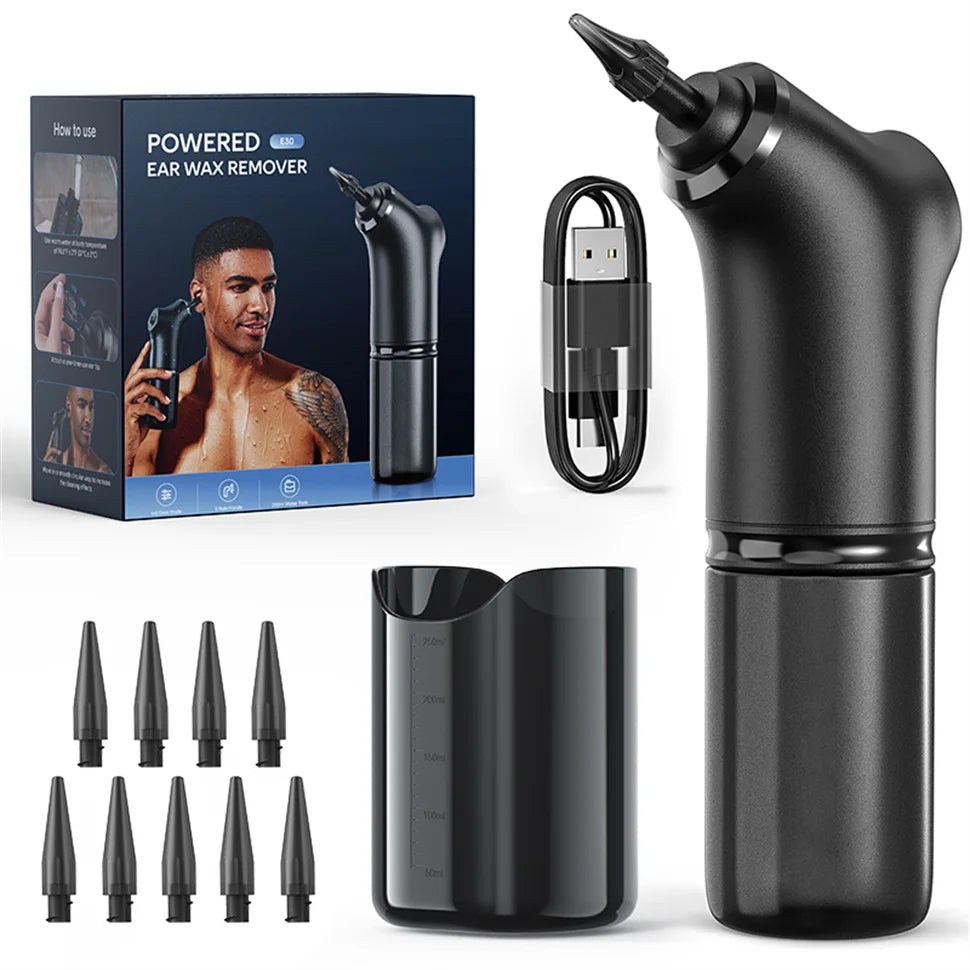
Controlled, calming, and precise — a safe ear cleaning solution See it in action
Ear Cleaning for Sensitive Ears and High-Risk Groups
Sensitive Ear Canals
People with sensitive ear canals may experience irritation more easily when exposed to friction, excessive pressure, or frequent cleaning. A gentle approach should prioritize minimal intervention and should stop immediately if pain or significant discomfort occurs.
Children and Older Adults
Children and older adults may require extra caution. Ear anatomy, communication challenges, mobility limitations, and underlying health conditions can make self-directed ear cleaning less suitable. A healthcare professional can help determine the safest approach when symptoms or significant buildup are present.
Hearing Aid Users
Hearing aid users may experience earwax buildup more frequently because devices can affect the movement of wax toward the outer ear. However, repeated cleaning should not be assumed to be the solution for every hearing change.
If hearing aids seem less effective or a new blockage develops, professional assessment can help determine whether earwax or another issue is responsible.
People With Ear Surgery or Perforated Eardrum
People with a known or suspected perforated eardrum, ear tubes, recent ear surgery, or certain chronic ear conditions should not irrigate or place products in the ear unless specifically advised by a healthcare professional.
These situations can change the safety of otherwise common home ear cleaning methods.
When You Should Not Irrigate or Clean Your Ears at Home
Medical Conditions That Require Caution
Home irrigation or self-directed ear cleaning may be inappropriate if you have:
- A known or suspected perforated eardrum
- Ear tubes
- Recent ear surgery
- An active ear infection or significant inflammation
- Severe or unexplained ear pain
- Repeated problems after previous ear cleaning attempts
If you have an existing ear condition or are unsure whether your eardrum is intact, professional guidance is the safer choice.
Symptoms Requiring Immediate Evaluation
Do not continue home ear cleaning if you experience severe pain, bleeding, sudden or significant hearing loss, substantial dizziness, or fluid or pus draining from the ear. These symptoms may indicate a problem that requires medical assessment rather than additional cleaning.
When to See a Doctor for Earwax Removal
Persistent Symptoms
Professional care is recommended if you have persistent or worsening symptoms such as:
- Ongoing hearing loss or muffled hearing
- Persistent ear pain or discomfort
- Repeated earwax impaction
- Significant ringing or dizziness
- Drainage or other signs of possible infection
- Symptoms that do not improve after appropriate home care
Professional Removal Options
A healthcare professional may remove earwax using specialized instruments, suction, irrigation when appropriate, or other clinical techniques. The method depends on the amount and location of wax, the condition of the ear canal, and the person's medical history.
What to Expect During Treatment
Professional earwax removal may begin with an examination of the ear canal and eardrum. The clinician can then choose an appropriate removal method and assess whether symptoms are actually caused by wax.
This is especially important when home treatment has not worked or when symptoms could have another cause.
Common Mistakes and What to Avoid
- Using cotton swabs inside the ear canal
- Inserting sharp, rigid, or small objects into the ear
- Using excessive force during irrigation
- Using water that is too hot or too cold
- Cleaning the ears repeatedly when no symptoms are present
- Using ear candles
- Ignoring pain, bleeding, drainage, or significant hearing changes
- Assuming every ear symptom is caused by earwax
Frequently Asked Questions
Is ear cleaning safe?
Ear cleaning can be safe when it is limited to the outer ear or uses an appropriate method for uncomplicated earwax buildup. However, inserting objects into the ear canal or using irrigation when you have certain ear conditions can cause harm. If you have significant symptoms or a history of ear problems, professional advice is safer.
How often should you clean your ears?
Most healthy ears do not need frequent deep cleaning. The appropriate frequency depends on the individual and whether symptoms or recurrent buildup occur. Routine cleaning inside the ear canal is generally unnecessary when the ears are functioning normally.
Can earwax remove itself?
Yes. In many people, the ear canal naturally moves older wax outward toward the opening of the ear. This self-cleaning process is why healthy ears often do not require routine internal cleaning.
What should you never put in your ear?
Avoid inserting cotton swabs, metal tools, hairpins, sharp objects, or other rigid items into the ear canal. Ear candles should also not be used as an earwax removal method.
What is the best way to clean ears without damage?
The safest approach is usually to leave healthy ear canals alone, clean only the outer ear, and use appropriate earwax-softening or removal methods only when needed and suitable for your ear health. Avoid inserting objects into the canal, and seek professional care when symptoms persist or risk factors are present.
Do healthy ears need regular cleaning?
Usually not. Healthy ears are generally self-cleaning, so routine deep cleaning is unnecessary for many people. Cleaning the visible outer ear with a soft cloth is often sufficient for everyday hygiene.
Who should avoid ear irrigation at home?
People with a known or suspected perforated eardrum, ear tubes, recent ear surgery, active ear infections, significant ear pain, or certain other ear conditions should avoid home irrigation unless a healthcare professional specifically advises that it is appropriate.
Are cotton swabs ever safe inside the ear canal?
Cotton swabs should not be inserted into the ear canal. They can push wax deeper and irritate the canal. If used at all, they should be limited to clearly external areas without entering the canal.
Can hearing aids increase earwax buildup?
Hearing aids may be associated with increased earwax retention or buildup in some users. If a hearing aid becomes less effective or hearing changes, professional evaluation can help determine whether wax or another issue is responsible.
How do ear cleaning devices work?
Depending on the design, ear cleaning devices may use controlled suction, regulated water flow, or soft-touch components to assist with earwax management. Their safety depends on proper use, appropriate pressure and depth, and whether home cleaning is suitable for the individual's ear health.
What are the safest ear wax removal techniques?
For appropriate cases, options may include earwax-softening drops, carefully controlled removal methods, or professional removal. The safest choice depends on the person's symptoms, ear health, and whether the eardrum is intact. Avoid inserting objects into the ear canal.
What signs indicate impacted earwax?
Possible signs include muffled hearing, reduced hearing, a feeling of fullness or blockage, ear discomfort, and sometimes itching or ringing. These symptoms can also have other causes, so persistent or significant symptoms should be evaluated.
Can excessive ear cleaning damage the ear canal?
Yes. Repeated or aggressive cleaning can irritate the delicate skin of the ear canal, remove protective wax, and potentially contribute to injury or inflammation. Safe ear care focuses on cleaning only when necessary and using the least invasive appropriate method.
For many, gentle ear cleaning becomes part of a broader self-care ritual—alongside tools found in Body Care and Health Devices or relaxation essentials from Lifestyle .
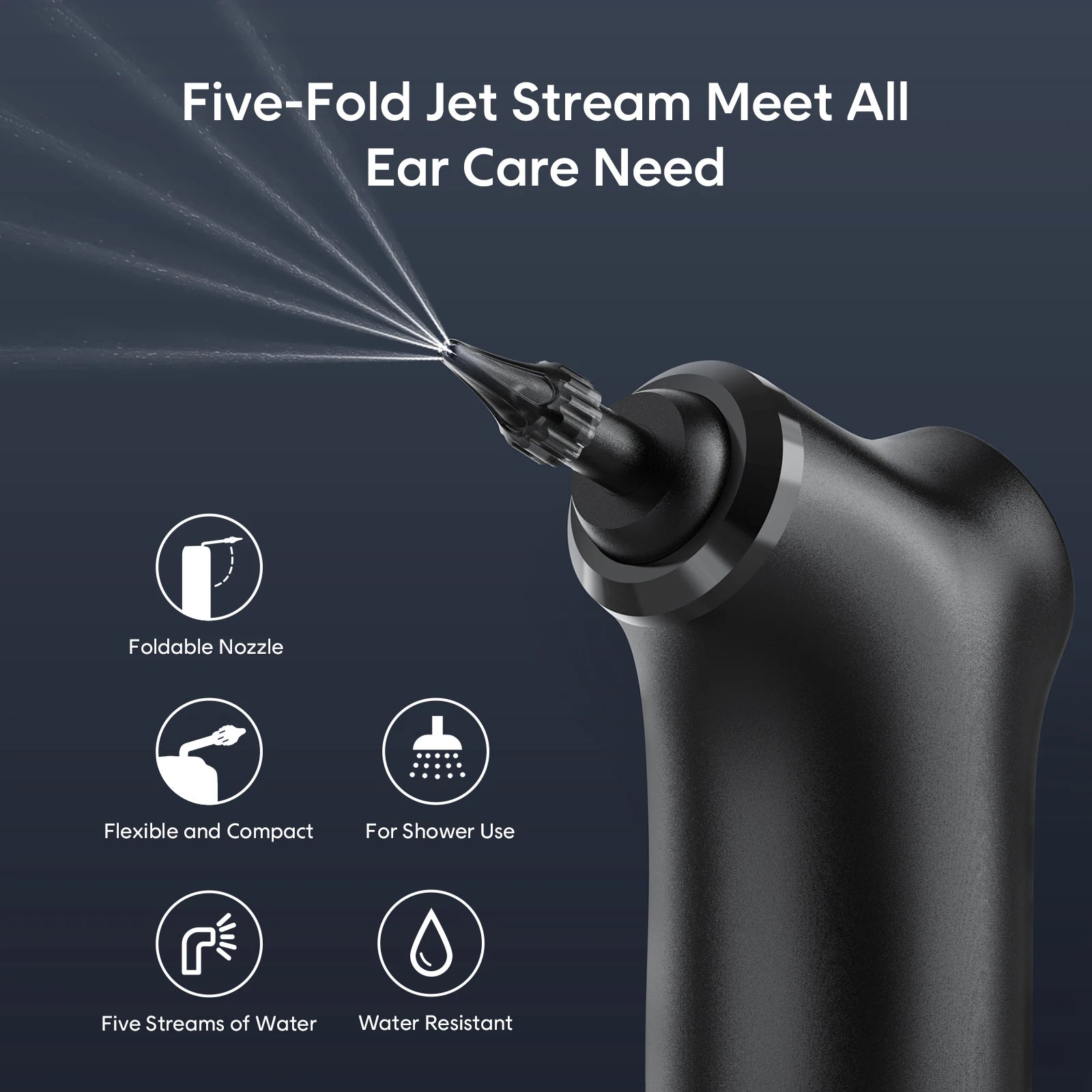
A calmer approach to ear hygiene — gentle ear cleaning solution See it in action
Get yours now — limited stock!
Related Guide: Rechargeable Ear Cleaning System Features That Improve Results













