

Does gentle foot care really work for sensitive skin?
Yes. Gentle foot care for sensitive skin helps protect the skin barrier while reducing friction, irritation, and accidental over-exfoliation. Using soft-touch tools, proper hydration, and enhanced visibility allows you to care for delicate skin with greater precision, making foot care without irritation more achievable for daily or weekly routines.
Gentle Foot Care for Sensitive Skin: Safe Routine, Tools, and Expert Tips
A thoughtful foot care routine can make a significant difference if your skin is easily irritated, prone to dryness, or affected by visible veins. Rather than relying on aggressive exfoliation or excessive pressure, gentle foot care focuses on protecting the skin barrier while keeping feet comfortable, healthy, and well maintained.
⏱ 6 min read
If you've ever worried about removing dry skin without causing redness or discomfort, you're not alone. Many people experience irritation simply because they use products or techniques that aren't suited to sensitive skin. A gentler approach improves comfort while helping you care for your feet with greater confidence and precision.
Explore gentle solutions designed for sensitive skin.

Gentle foot care with clear visibility for sensitive skin. See it in action.
What Causes Sensitive Feet? (And Why Gentle Care Matters)
Common causes of foot sensitivity
Sensitive feet often develop because the skin barrier has become weakened or because the feet experience repeated friction and environmental stress. Dry skin, eczema, dermatitis, aging, frequent exposure to hot water, and poorly fitting footwear can all make the skin more reactive. As the protective barrier becomes compromised, even routine foot care may lead to redness, discomfort, or irritation.
Signs your feet need a gentler routine
If your feet regularly feel tight after washing, sting when moisturizers are applied, become red after exfoliation, or develop persistent dryness, your current routine may be too harsh. Peeling skin, visible irritation, tenderness, or discomfort after using foot files are also signs that switching to a gentle foot care routine is likely to improve comfort and support healthier skin over time.
Why Gentle Foot Care Matters for Sensitive Feet
Gentle foot care helps preserve the skin's natural protective barrier while reducing unnecessary irritation. Instead of relying on aggressive scrubbing or abrasive tools, it emphasizes controlled exfoliation, consistent moisturization, and techniques that minimize friction. This approach supports healthier skin and lowers the risk of small injuries that can become uncomfortable over time.
For people with sensitive skin, visible veins, or delicate areas that require extra care, using softer techniques and carefully chosen tools improves both comfort and precision. Combined with regular hydration and good daily foot habits, gentle foot care for sensitive skin promotes healthier feet while making self-care safer, easier, and more comfortable.
Step-by-Step Gentle Foot Care Routine at Home
Step 1: Gentle cleansing without stripping moisture
Begin your soft foot care routine at home by washing your feet with lukewarm water and a mild, fragrance-free cleanser. Skip very hot water and harsh soaps, as both can strip away natural oils and weaken the skin barrier. Pat your feet dry with a soft towel instead of rubbing, paying special attention to the spaces between the toes.
Step 2: Safe exfoliation for sensitive skin
Exfoliate only when needed using a fine-grit foot file or a gentle exfoliating product formulated for sensitive skin. Limiting exfoliation to once or twice a week is usually enough to remove dry, flaky skin without causing irritation. If your skin becomes red, sore, or tender, reduce the frequency and allow the barrier to recover before exfoliating again.
Step 3: Deep hydration and barrier repair
Apply a fragrance-free moisturizer immediately after cleansing while the skin is still slightly damp. Ingredients such as ceramides, glycerin, and low-strength urea help attract moisture, strengthen the skin barrier, and soften rough patches. Consistent hydration is one of the most effective ways to care for sensitive feet and reduce future dryness.
Step 4: Daily protection and friction prevention
Protect your feet throughout the day by wearing breathable socks and well-fitting shoes that reduce rubbing and pressure. Change damp socks promptly, avoid walking barefoot on rough surfaces, and inspect your feet regularly for early signs of irritation so small problems can be addressed before they worsen.
Safe Foot Care Tools for Sensitive Skin (What to Use & Avoid)
Best tools for delicate feet
Choosing appropriate foot care tools for sensitive skin helps minimize friction while improving precision during routine maintenance. Look for tools that are easy to clean, gentle on delicate skin, and designed to remove dry skin gradually instead of aggressively.
- Soft silicone brushes for gentle daily cleansing
- Fine-grit foot files made specifically for delicate skin
- Electric foot care devices with adjustable low-speed settings
- Precision lighting tools that improve visibility without requiring extra pressure
Tools to avoid for sensitive skin
Certain tools can increase the risk of cuts, irritation, and over-exfoliation. Avoid products that remove large amounts of skin quickly or encourage excessive force.
- Metal scrapers or blades that may damage healthy skin
- Coarse pumice stones used with heavy pressure
- High-speed electric callus removers without adjustable controls
- Any tool that requires repeated scraping or excessive force to be effective
Gentle Callus Removal for Sensitive Skin
When to remove calluses
Calluses help protect the feet from repeated pressure, so they should be reduced only when they become thick enough to cause discomfort or increase friction. For gentle callus removal on sensitive skin, soften the area with a warm foot soak, then use a fine-grit file with light, controlled strokes. Removing small amounts over several sessions is safer than trying to eliminate thick calluses all at once.
After exfoliating, apply a moisturizer containing ingredients such as glycerin or an appropriate-strength urea cream to help gradually soften remaining thickened skin while supporting the skin barrier.
How often to exfoliate safely
Most people with sensitive skin only need to exfoliate once or twice each week. Increasing the frequency rarely speeds up results and can instead weaken the skin barrier, leading to redness, tenderness, or cracking. A consistent routine of gentle exfoliation followed by daily moisturizing is usually the most effective way to maintain smooth, healthy feet without irritation.
How to Improve Foot Circulation Safely at Home
Healthy circulation helps deliver oxygen and nutrients to the skin, supporting comfort, natural repair, and overall foot health. If you have sensitive feet, the goal is to encourage blood flow with gentle, low-impact habits rather than vigorous massage or excessive heat that could irritate delicate skin.
Simple movement and massage
Regular movement is one of the safest ways to improve foot circulation. Short sessions performed throughout the day are often more beneficial than occasional intense activity.
- Elevate your feet for several minutes to help reduce mild swelling after long periods of standing or sitting.
- Perform gentle ankle circles, toe stretches, and foot flexes to encourage healthy blood flow.
- Use light massage with clean hands or a moisturizer, applying gentle pressure rather than deep tissue techniques.
- Take brief walking breaks if you spend extended periods seated to reduce stiffness and promote circulation.
Stop any exercise or massage if you experience increasing pain, numbness, unusual swelling, or changes in skin color, and seek medical advice if symptoms persist.
Warmth and footwear tips
Maintaining a comfortable foot temperature can support circulation without irritating sensitive skin. Choose warm—not hot—water when washing your feet, and avoid heating devices that become excessively hot.
- Wear breathable, properly fitted shoes that do not compress the toes or heel.
- Select moisture-wicking socks that help keep feet dry while reducing friction.
- Avoid tight footwear or socks with restrictive elastic bands that may limit circulation.
- Keep feet comfortably warm during colder months to help maintain healthy blood flow.
Consistent daily habits, supportive footwear, and gentle movement are usually enough to improve foot circulation safely while helping protect sensitive skin from unnecessary irritation.
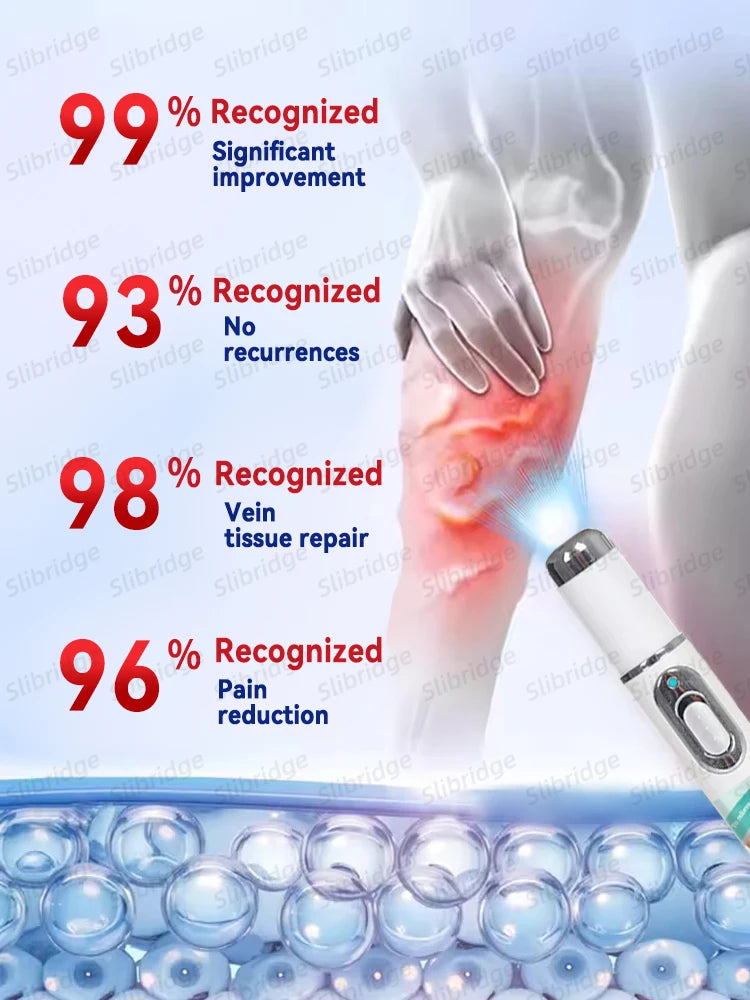
Gentle visibility supports precise, comfortable foot care for sensitive skin. See it in action.
Common Mistakes That Irritate Sensitive Feet
Even a well-planned routine can become uncomfortable if common mistakes repeatedly damage the skin barrier. Avoiding these habits is one of the simplest ways to maintain healthy, comfortable feet and achieve foot care without irritation.
- Over-exfoliating: Removing too much skin or exfoliating too frequently can leave feet tender, dry, and more vulnerable to irritation.
- Using hot water: Excessively hot water strips away protective oils, increasing dryness and weakening the skin's natural barrier.
- Choosing harsh products: Fragranced creams, alcohol-based products, and strong exfoliating acids may trigger irritation in sensitive skin.
- Wearing poorly fitting footwear: Shoes that create pressure or friction can worsen soreness, blisters, and callus formation.
- Applying excessive pressure: Scrubbing aggressively or pressing too hard with foot care tools increases the risk of redness and small skin injuries.
- Ignoring early warning signs: Persistent redness, peeling, tenderness, or cracking should prompt you to reduce exfoliation and focus on restoring the skin barrier.
A consistent routine that emphasizes gentle cleansing, controlled exfoliation, daily moisturization, and properly fitted footwear is typically more effective than aggressive treatments. Small adjustments made early can help prevent irritation while keeping sensitive feet comfortable over the long term.

Gentle, precise foot care supports healthier skin with greater comfort. See it in action.
Experience calm, controlled foot care with tools designed to support precision and comfort for sensitive skin.
For complementary care, many users also explore solutions in Skin and Beauty Care Devices and precision products from Nail Care Devices to build a complete self-care routine.
Frequently Asked Questions
Is gentle foot care suitable for daily routines?
Yes. Daily care should focus on gentle cleansing, moisturizing, and protecting the skin from friction. Exfoliation should be limited to once or twice per week unless otherwise advised by a healthcare professional.
What is the safest way to remove dead skin on sensitive feet?
The safest approach is to soften the skin first with lukewarm water, then use a fine-grit foot file with light pressure. Finish by applying a fragrance-free moisturizer to help restore the skin barrier and reduce future dryness.
How often should you exfoliate sensitive feet?
Most people with sensitive skin benefit from exfoliating only once or twice each week. More frequent exfoliation can weaken the skin barrier and increase irritation, especially if the skin is already dry or inflamed.
Which moisturizer is best for sensitive feet?
Look for fragrance-free creams containing ceramides, glycerin, or low-strength urea. These ingredients help attract moisture, strengthen the skin barrier, and soften rough areas without unnecessarily irritating sensitive skin.
Can people with eczema use foot files?
They can, but only when the skin is not actively inflamed. Choose a fine-grit file, use minimal pressure, and stop immediately if irritation develops. During eczema flare-ups, focus on moisturizing and follow your healthcare provider's recommendations.
When should I seek medical care for sensitive feet?
Consult a healthcare professional if you develop persistent pain, severe redness, swelling, drainage, non-healing cracks, signs of infection, or ongoing symptoms despite consistent home care. People with diabetes, poor circulation, or reduced sensation should seek medical advice before attempting to remove calluses or thickened skin at home.
Transform gentle foot care with clarity and confidence.
Related Guide: Caregiver Difficulty Finding Veins Solutions That Actually Help













