

Does gentle foot massage action really work?
Yes—when performed with the right technique. Gentle foot massage for sensitive feet uses slow, low-pressure movements to stimulate nerve endings, encourage healthy microcirculation, and ease muscle tension without overwhelming delicate tissues. Rather than "working out" deep knots, the goal is to improve comfort, reduce foot fatigue, and promote relaxation while avoiding irritation.
How massage affects nerves and circulation
Light touch activates sensory receptors in the skin, helping reduce the perception of discomfort while encouraging localized blood flow. Although a gentle massage does not permanently change circulation, it can temporarily increase warmth, improve mobility, and support recovery after prolonged standing, walking, or exercise when practiced consistently.
When gentle massage helps vs hurts
Gentle massage is most effective when pressure remains comfortable and avoids swollen, inflamed, or highly sensitive areas. Using excessive force, rapid movements, or prolonged pressure over painful spots may aggravate symptoms instead of relieving them. A good rule is that massage should feel soothing during and after the session—not increasingly painful.
⏱ 6 min read
Foot Massage for Sensitive Feet: Safe Techniques, Pressure Guide & Relief Tips
If your feet become sore after a long day but traditional deep massage feels uncomfortable, you're not alone. Sensitive feet can result from overuse, mild inflammation, nerve irritation, aging, or certain medical conditions, making aggressive massage counterproductive. This guide explains how to perform gentle foot massage safely, when it may help relieve foot fatigue, how it supports circulation, and when you should avoid massage altogether for the best results.
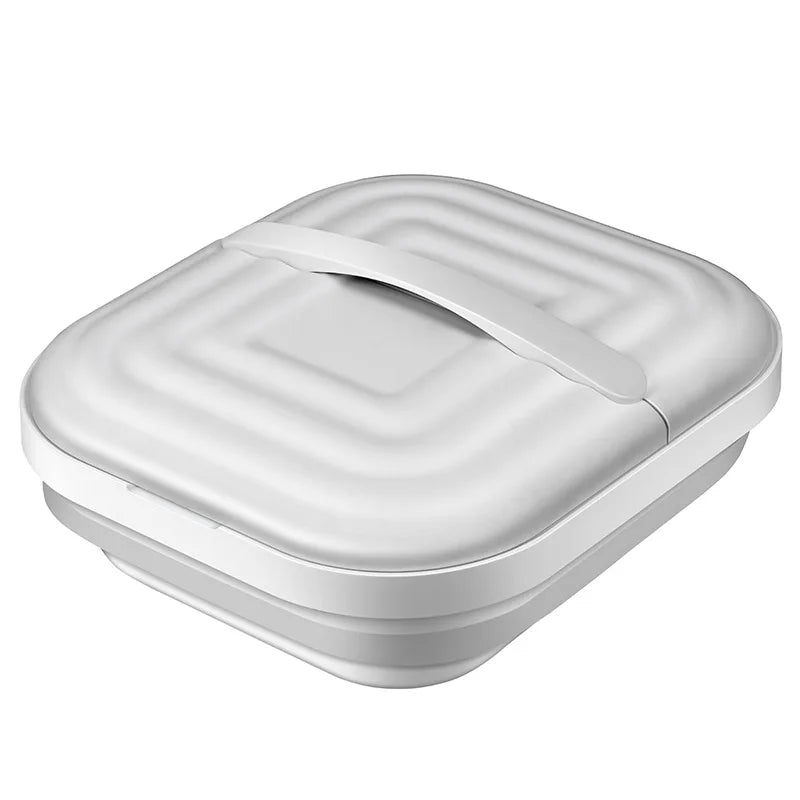
Gentle foot massage action for sensitive feet — feel the difference See it in action
Why Sensitive Feet Need a Different Approach
Feet contain thousands of nerve endings and bear your body weight throughout the day. When tissues become irritated or nerves are more reactive than usual, even moderate massage pressure can feel uncomfortable. A comfort-first approach helps reduce stimulation while still delivering the relaxation and circulation benefits that many people seek.
Common causes of foot sensitivity
- Nerve irritation or heightened nerve sensitivity
- Inflammation from overuse or repetitive activities
- Temporary swelling after standing or exercise
- Poor circulation that leaves feet feeling cold or fatigued
- Sensitive skin, calluses, or footwear-related irritation
- Recovery from minor strains or prolonged walking
High-risk conditions (neuropathy, inflammation)
People with diabetic neuropathy, peripheral neuropathy, plantar fasciitis, arthritis, or chronic inflammatory conditions should use extra caution. Gentle massage may provide comfort for some individuals, but pressure should always remain light, and areas with numbness, severe pain, swelling, or skin damage should be avoided. If you have diabetes, significant circulation problems, or persistent foot pain, consult a healthcare professional before beginning regular massage therapy.
Pressure Map: Where & How to Massage Sensitive Feet Safely
Knowing where to apply gentle pressure—and where to avoid it—can make the difference between a relaxing massage and an uncomfortable flare-up. Always begin with the lightest pressure possible and increase only if your feet remain comfortable throughout the session.
Safe zones (low-risk areas)
- Arch of the foot: Use slow circular motions with your thumb or fingertips to ease tension without pressing deeply.
- Outer edges of the heel: Apply gentle, sustained pressure to reduce stiffness after standing or walking.
- Top of the foot: Glide lightly from the toes toward the ankle to encourage relaxation and promote healthy circulation.
Caution zones (moderate pressure only)
- Ball of the foot: Use minimal pressure because this area bears significant body weight and may already be tender.
- Sides of the heel: Massage briefly if comfortable, avoiding prolonged pressure.
- Base of the toes: Gentle stretching is usually better than firm compression.
Avoid zones (high sensitivity areas)
- Areas with sharp pain or tenderness when touched
- Swollen, bruised, or visibly inflamed tissue
- Open wounds, blisters, cuts, or skin infections
- Areas producing numbness, tingling, or burning sensations
Does Foot Massage Improve Circulation Gently?
Gentle foot massage can temporarily improve circulation by encouraging blood flow through rhythmic mechanical stimulation of soft tissues. Research suggests massage may increase local blood flow and promote relaxation, but its effects are generally short-term unless combined with healthy habits such as regular movement, hydration, and supportive footwear.
Short-term vs long-term circulation effects
Immediately after a massage, many people notice warmer feet, reduced stiffness, and a greater sense of comfort. Long-term improvements depend on consistent practice and addressing underlying causes of poor circulation rather than relying on massage alone.
Best techniques for improving blood flow safely
- Use slow upward strokes from the toes toward the ankle to encourage venous return.
- Massage the arch using gentle circular movements without excessive pressure.
- Flex and extend each toe slowly to improve joint mobility.
- Finish with light sweeping strokes over the entire foot for one to two minutes.
For the best results, combine massage with regular walking, ankle mobility exercises, proper hydration, and comfortable footwear. For a complete wellness routine, explore more solutions in Body Care and Health Devices .
Manual vs Foot Massager Devices for Sensitive Feet
Both hand massage and foot massage devices can provide relief. The best choice depends on how sensitive your feet are, whether you need precise pressure control, and how frequently you plan to massage.
When manual massage is better
- You have highly sensitive or pain-prone feet.
- You want complete control over pressure and movement.
- You need to avoid specific tender or inflamed areas.
- You are monitoring how your feet respond during recovery.
When to use a device (and which type)
- You want consistent, low-intensity massage sessions.
- Your hands become tired during self-massage.
- You choose a device with adjustable intensity and optional gentle heat.
- You prefer a routine that is easy to repeat daily.
Features to look for in sensitive-safe tools
- Multiple adjustable intensity settings
- Soft contact surfaces or cushioned massage nodes
- Gentle, stable heating rather than excessive temperatures
- Automatic shut-off timers for controlled session length
- Easy-to-clean materials suitable for regular use
How to Massage Sensitive Feet Safely
Step-by-step sensitive foot massage routine
- Wash your feet and, if possible, soak them in warm (not hot) water for 5–10 minutes to relax the tissues.
- Dry thoroughly and apply a small amount of fragrance-free oil or lotion to reduce friction.
- Begin with light strokes across the top of the foot using your fingertips.
- Massage the arch with slow circular motions, keeping pressure gentle and even.
- Lightly squeeze and release each toe, then gently flex and extend it without forcing movement.
- Finish with long, upward strokes from the toes toward the ankle to encourage relaxation and healthy blood flow.
Pressure control method (1–10 scale)
For sensitive feet, aim to stay between 2 and 4 on a 10-point pressure scale . The massage should feel comfortable and soothing rather than painful. If you notice sharp pain, lingering soreness, numbness, or increased sensitivity after the session, reduce pressure or stop and allow the area to recover.
- 1–2: Feather-light touch for highly sensitive feet or flare-ups.
- 3–4: Gentle therapeutic pressure suitable for most people with mild sensitivity.
- 5 or above: Generally too firm for sensitive feet and should be avoided unless advised by a healthcare professional.
Duration and frequency guidelines
Most people benefit from sessions lasting 5–10 minutes , performed once or twice daily . Consistent, shorter sessions are generally more effective and better tolerated than occasional deep massage. Allow your feet to rest afterward, and drink water to support overall recovery.
Common Mistakes That Can Make Sensitive Feet Worse
Using too much pressure
The most common mistake is assuming firmer pressure delivers better results. Excessive force can increase inflammation, irritate sensitive nerves, and leave your feet feeling more painful after treatment. Gentle, controlled movements usually provide better long-term comfort.
Massaging inflamed tissue or using unsuitable tools
Avoid massaging swollen joints, bruised areas, or active inflammation. Hard massage rollers, rigid wooden tools, and uneven massage surfaces may overstimulate delicate tissues. Soft massage tools, cushioned devices, or your hands are typically safer choices for sensitive feet.
Ignoring warning signs
Stop the massage if you experience:
- Sharp or worsening pain
- Persistent tingling or burning sensations
- New swelling or redness
- Numbness that develops or worsens during treatment
- Symptoms that continue for several hours after the session
If these symptoms occur repeatedly or your foot pain continues to worsen, seek medical evaluation to rule out underlying conditions that require professional treatment.
Expected Benefits and Recovery Timeline
Typical results timeline
Most people experience a feeling of relaxation and reduced muscle tension immediately after a gentle massage. Mild improvements in comfort, flexibility, and warmth often become noticeable after several sessions. If massage is performed consistently as part of a broader foot care routine, ongoing reductions in foot fatigue may develop over several weeks.
What "progress" feels like for sensitive users
Positive progress is usually gradual rather than dramatic. Common signs include:
- Less tenderness during everyday activities
- Warmer feet after periods of sitting or standing
- Reduced muscle tightness at the end of the day
- Improved comfort while walking or wearing shoes
- Greater tolerance for gentle massage over time
Signs to stop or adjust massage
Reduce pressure or discontinue massage if symptoms become worse instead of better. Persistent pain, increasing swelling, skin irritation, or worsening numbness are signs that your technique may need adjustment or that an underlying medical condition should be evaluated by a healthcare professional.
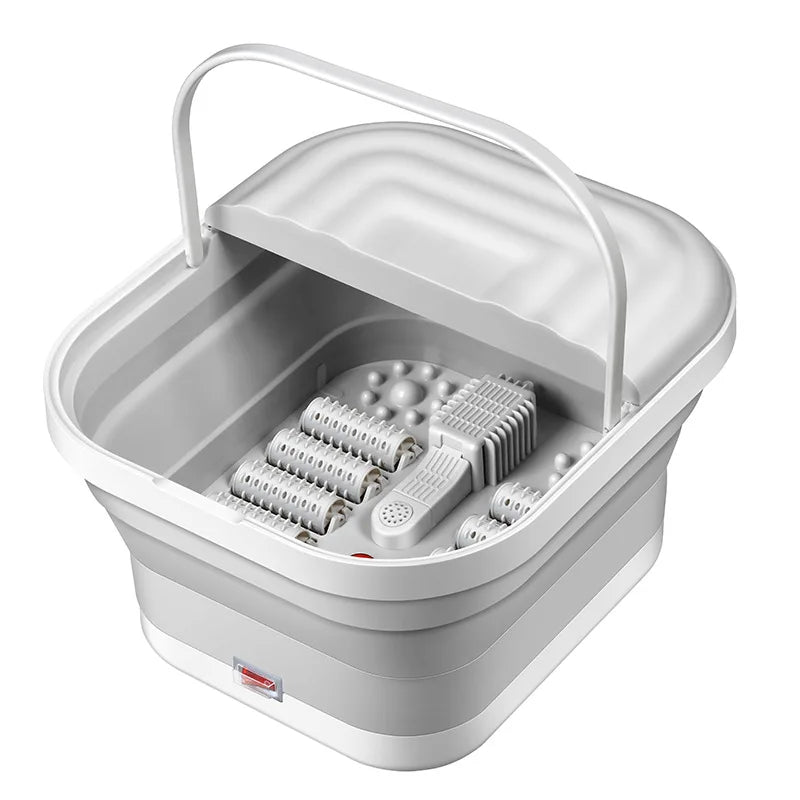
A calmer nightly ritual with gentle foot massage action — See it in action
Who Should Choose This Style?
Ideal users
- People with naturally sensitive or easily irritated feet
- Individuals experiencing mild foot fatigue after work, exercise, or prolonged standing
- Those seeking gentle relaxation instead of deep tissue massage
- People looking to complement healthy circulation habits with safe self-care
Who should avoid foot massage
- Anyone with open wounds, skin infections, or active ulcers
- People with suspected fractures or severe foot injuries
- Individuals with severe swelling of unknown cause
- Anyone with suspected blood clots or acute vascular conditions
- People with uncontrolled medical conditions unless advised by their healthcare provider
It also complements wellness routines alongside options from Lifestyle collections focused on daily comfort.
Foot Massage for Sensitive Feet: FAQ
Can I massage feet that hurt when touched?
Yes, but only if the pain is mild and not caused by an acute injury or infection. Use extremely light pressure and stop immediately if discomfort increases instead of improving.
Is foot massage safe if I have diabetes?
People with diabetes can often perform gentle foot massage, but they should first consult their healthcare provider—especially if they have neuropathy, reduced sensation, poor circulation, or existing foot ulcers.
Does foot massage improve circulation permanently?
No. Massage provides temporary improvements in local blood flow and relaxation. Long-term circulation depends on regular physical activity, healthy lifestyle habits, and management of any underlying medical conditions.
How much pressure should I use on sensitive feet?
Stay within a pressure level of approximately 2–4 out of 10. The massage should feel comfortable throughout the session and should not leave lingering soreness afterward.
How often should I massage sensitive feet?
For most people, a 5–10 minute session once or twice daily provides the best balance between symptom relief and tissue recovery.
What is the best oil for sensitive skin during foot massage?
Fragrance-free oils and lotions are usually the safest choice. Coconut oil, sweet almond oil, and other hypoallergenic moisturizers can reduce friction while minimizing the risk of skin irritation.
Can foot massage make inflammation worse?
Yes. Applying firm pressure directly over inflamed, swollen, or injured tissue can worsen irritation. During flare-ups, use only very gentle techniques or postpone massage until inflammation improves.
Should I use a foot massager or my hands for sensitive feet?
Hands provide the greatest control over pressure and are usually the best option for highly sensitive feet. A foot massager may be appropriate if it offers adjustable low-intensity settings, soft contact surfaces, and gentle heat.
Related Guide: Relaxing Home Foot Spa Review for Everyday Stress Relief













