

Does gentle ear cleaning really work?
Yes. Gentle ear cleaning can be effective when it is used only when needed and follows evidence-based ear care principles. Most healthy ears clean themselves naturally, but occasional cleaning may help if excess earwax, trapped debris, or discomfort develops.
Unlike scraping or aggressive cleaning, gentle ear cleaning relies on safe ear cleaning methods such as controlled water ear irrigation or cleaning only the outer ear. These approaches help remove excess wax while minimizing irritation and protecting the delicate skin inside the ear canal.
Medical guidance generally recommends avoiding routine removal of normal earwax because cerumen plays an important protective role. The goal of gentle ear cleaning is to support the ear's natural process—not replace it.
Gentle Ear Cleaning: Safe Methods for Sensitive and Dry Ear Canals
Sensitive or dry ear canals can make even basic hygiene uncomfortable. If traditional tools leave your ears itchy, sore, or irritated, gentle ear cleaning offers a safer alternative. By using controlled techniques that respect the ear's natural balance, you can maintain cleanliness without causing harm.
⏱ 7 min read
Gentle water ear cleaning with controlled flow • See it in action
How Your Ears Naturally Clean Themselves (And When They Don't)
The ear's self-cleaning mechanism
Your ears are designed to clean themselves. Earwax slowly migrates from the deeper ear canal toward the opening through normal jaw movements such as chewing, talking, and yawning. Most people do not need to clean inside their ears because this natural process removes old wax over time.
The protective role of earwax
Earwax is not dirt. It traps dust, bacteria, and small particles before they reach deeper structures. It also helps lubricate the ear canal and creates a slightly acidic environment that discourages bacterial and fungal growth. Preserving a healthy amount of earwax is an important part of safe ear cleaning methods.
What disrupts natural earwax balance
Over-cleaning, frequent cotton swab use, dry climates, hearing aids, earbuds, and certain skin conditions can interfere with normal wax migration. Instead of helping, these habits may push wax deeper, remove protective oils, or increase irritation, making a gentle ear cleaning routine more appropriate.
When Should You Clean Your Ears?
Signs cleaning is unnecessary
If your ears feel comfortable, your hearing is normal, and there is no visible wax at the entrance of the ear canal, cleaning inside the ear is usually unnecessary. Simply washing the outer ear during bathing is enough for most people.
When earwax becomes a problem
Cleaning may be helpful when excess wax causes a feeling of fullness, mild blockage, visible buildup near the ear opening, or difficulty wearing earbuds or hearing aids comfortably. If wax is deeply impacted or causes significant hearing loss, professional removal is recommended instead of home treatment.
Who should avoid home cleaning
Avoid home ear cleaning if you have ear pain, drainage, bleeding, a perforated eardrum, ear tubes, recent ear surgery, or a suspected ear infection. These situations require medical evaluation before attempting water irrigation or other cleaning methods.
Why Sensitive and Dry Ears Need Special Care
Causes of dryness and irritation
Sensitive ears often result from reduced natural oils, frequent cleaning, environmental exposure, eczema, dermatitis, or aging skin. Dry ear canals may feel itchy, tight, flaky, or uncomfortable after swimming or showering.
Risks of improper cleaning
Aggressive cleaning with cotton swabs, metal picks, or repeated scraping may damage delicate skin, increase inflammation, worsen dryness, and push earwax farther into the canal.
Protecting the ear canal skin
The skin inside the ear canal is extremely thin. Gentle techniques that minimize friction and preserve natural oils help maintain the skin barrier while reducing irritation. This is especially important for anyone with recurring dry ear canal care concerns.
Safe Ear Cleaning Methods
External ear cleaning
Cleaning the outer ear with a soft damp cloth is often all that is required. Avoid inserting cloths, tissues, or swabs into the ear canal.
Gentle water ear cleaning
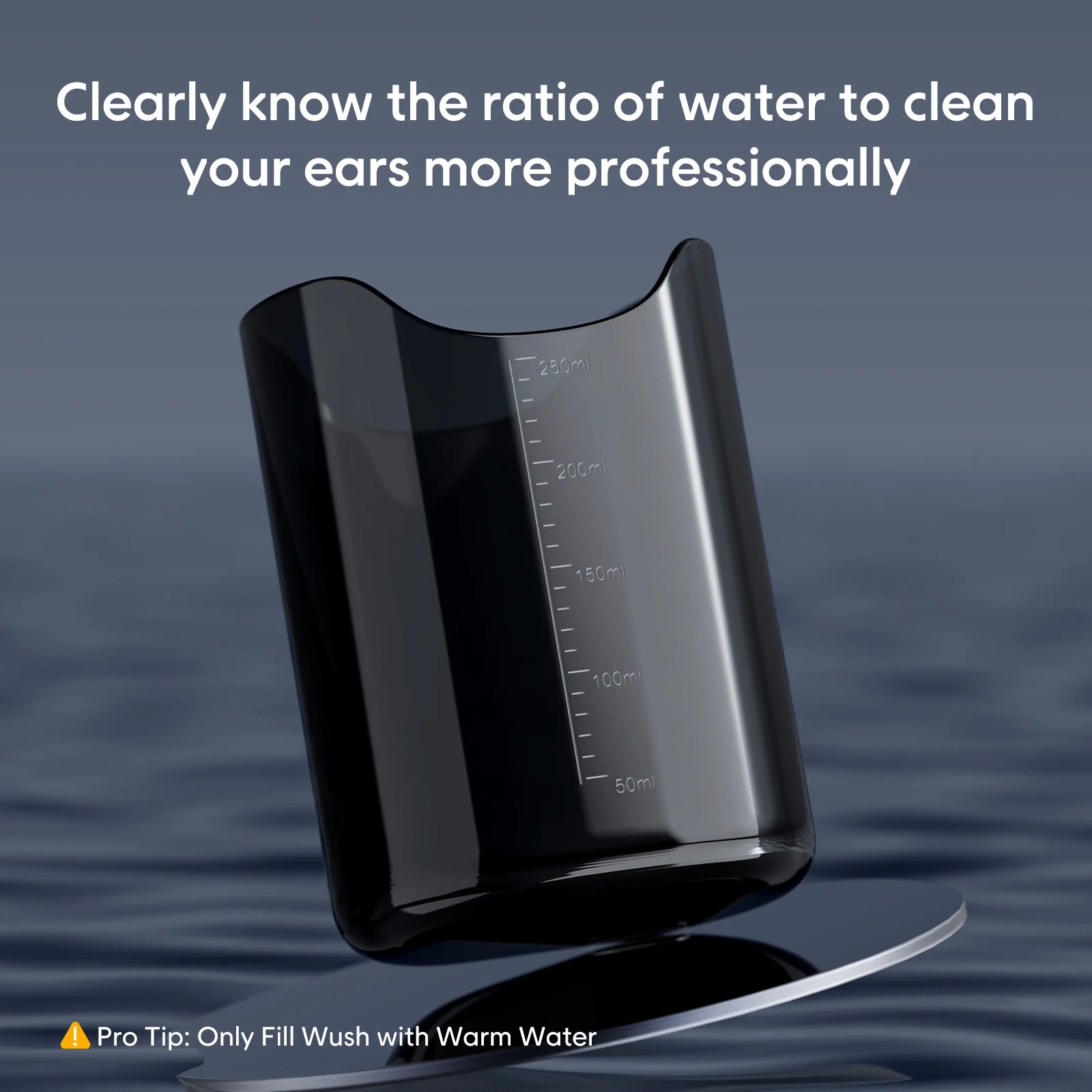
When excess wax is present, controlled gentle water ear cleaning can soften and rinse away loose wax without scraping the canal. Use only lukewarm water and gentle pressure designed for ear irrigation.
Water ear irrigation
Water ear irrigation works best for mild wax buildup in otherwise healthy ears. The goal is to encourage natural wax removal—not force deeply impacted wax out. Stop immediately if you experience pain, dizziness, or significant discomfort.
When to avoid cleaning altogether
If your ears are symptom-free, routine cleaning inside the ear canal is unnecessary. Excessive cleaning may remove beneficial earwax and increase dryness or irritation.
Water ear irrigation designed for comfort • See it in action
How to Perform a Gentle Ear Cleaning Routine
Preparation
Wash your hands, use clean equipment, and prepare lukewarm water. Never use hot or cold water, as sudden temperature changes may cause dizziness.
Cleaning steps
- Tilt your head slightly to one side.
- Use a controlled, gentle stream of water at the entrance of the ear canal.
- Allow loosened wax and water to drain naturally.
- Repeat only if necessary without forcing water deeply into the ear.
How to dry ears safely
Tilt your head to each side and allow excess water to drain. Dry the outer ear gently with a clean towel. Avoid inserting cotton swabs, tissues, or other objects into the ear canal.
Aftercare
Monitor your ears over the next day. If irritation develops, reduce cleaning frequency. Most people only need occasional ear cleaning rather than a daily routine.
Methods to Avoid and Why
Cotton swabs
Cotton swabs often push wax deeper into the ear canal instead of removing it, increasing the risk of impaction.
Ear candles
Ear candling has not been shown to safely remove earwax and may cause burns, wax residue, or injury.
Sharp objects
Hairpins, metal picks, keys, and other pointed objects can scratch the ear canal or perforate the eardrum.
Over-cleaning
Cleaning too frequently removes protective earwax and natural oils, increasing the likelihood of dryness, itching, and irritation.
When to Seek Medical Care
Warning signs
Seek medical evaluation if you experience severe pain, bleeding, pus-like discharge, fever, sudden hearing loss, or persistent dizziness.
Persistent symptoms
If fullness, hearing changes, or wax buildup continues despite gentle care, a healthcare professional can determine whether impacted earwax or another condition is responsible.
Professional earwax removal
Clinicians may remove earwax using specialized irrigation, suction, or microscopic instruments when home care is not appropriate or has been unsuccessful.
Who Needs Special Ear Care?
Children
Children should not routinely have their ears cleaned internally unless advised by a healthcare professional.
Hearing aid users
Hearing aids may slow normal earwax migration, making periodic ear examinations and gentle maintenance more important.
People with recurrent earwax buildup
Individuals who naturally produce large amounts of earwax may benefit from an occasional gentle ear cleaning routine rather than frequent scraping.
People with ear conditions
Anyone with eczema, chronic dermatitis, previous ear surgery, recurrent infections, or a perforated eardrum should follow individualized medical advice before using water irrigation.
Choosing a Safe Ear Cleaning Solution
What to look for
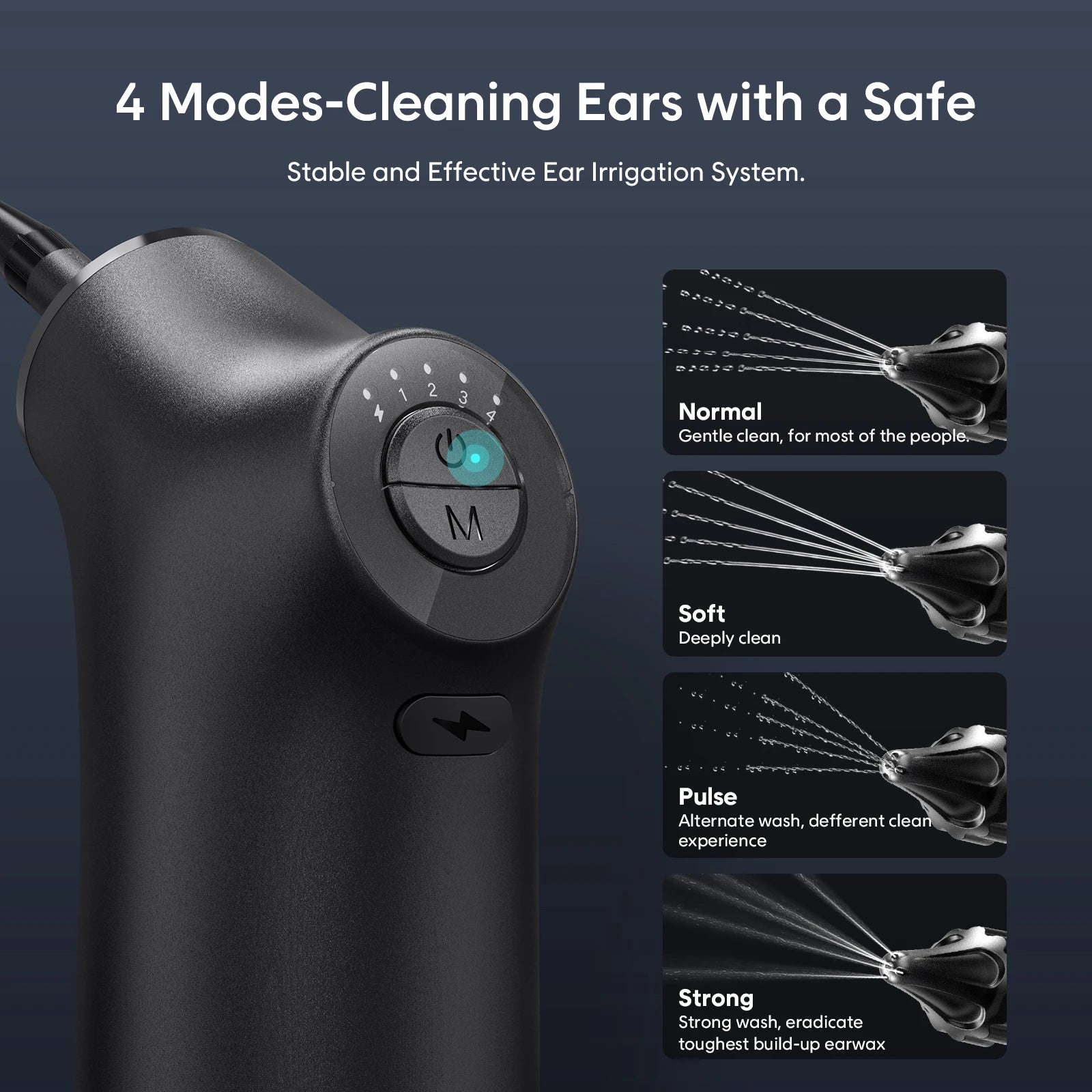
If you choose an ear cleaning device, prioritize controlled water pressure, soft silicone tips, ergonomic handling, and simple cleaning instructions. These features support a safe ear cleaning solution while reducing unnecessary irritation.
KentDO Electric Ear Cleaner is designed around these principles, offering controlled water flow and soft tips that support a comfortable maintenance routine for healthy ears.
- Adjustable water flow for better control
- Soft tips suitable for sensitive ears
- Designed for occasional home maintenance
When solutions should not be used
Do not use water irrigation devices if you have ear pain, drainage, a ruptured eardrum, ear tubes, or recent ear surgery unless specifically instructed by a healthcare professional.

Designed for gentle water ear cleaning • See it in action
FAQ: Gentle Ear Cleaning
Should healthy ears be cleaned regularly?
No. Healthy ears are self-cleaning, so routine cleaning inside the ear canal is usually unnecessary.
Can gentle ear cleaning remove all earwax?
No. The goal is to remove excess wax while preserving the protective earwax that healthy ears naturally need.
Is gentle water ear cleaning safe after swimming?
It can be appropriate for healthy ears if performed gently with clean, lukewarm water. Avoid irrigation if you have ear pain, infection, or a damaged eardrum.
How do you dry ears safely without damaging the ear canal?
Tilt your head to drain water naturally and gently dry only the outer ear with a soft towel. Do not insert cotton swabs into the canal.
Who should avoid water ear irrigation?
People with a perforated eardrum, ear tubes, recent ear surgery, active ear infections, or unexplained ear pain should avoid home irrigation unless instructed by a healthcare professional.
Can hearing aids increase earwax buildup?
Yes. Hearing aids and earbuds may interfere with normal earwax migration, making periodic monitoring more important.
What causes dry ear canals after cleaning?
Over-cleaning, harsh tools, frequent cotton swab use, and removal of natural protective oils can contribute to dryness and irritation.
When should earwax be removed by a healthcare professional?
Professional care is recommended if earwax causes significant hearing loss, severe blockage, persistent symptoms, pain, or cannot be safely removed at home.













