

Does graphene heat better than traditional heating materials?
Graphene can heat quickly and distribute warmth evenly when it is engineered as part of a resistive heating element. When electrical current passes through a graphene-based material, electrical resistance converts energy into heat through Joule heating. Because thin graphene heating layers can spread heat across a broad surface, they may reduce hot spots and provide more uniform warmth than some conventional wire-based designs.
However, graphene is not automatically more efficient or hotter than every other heating material. Performance depends on the graphene formulation, heater design, power input, insulation, temperature controls, and the specific material being compared.
Graphene Heat Conductivity Explained: How Graphene Warms Faster and Smarter
⏱ 7 min read
If you have ever wondered why some heating products feel warm quickly while others take longer or create hot spots, the answer partly lies in the heating element's material and design. Graphene heat conductivity is one reason graphene-based heating technology attracts attention: graphene can move thermal energy rapidly across its structure, while graphene-based resistive heaters can convert electrical energy into controlled warmth across thin, flexible surfaces.

Graphene heat conductivity delivers even heat rapidly across a heating surface — See it in action
What Is Graphene Heat Conductivity?
Graphene heat conductivity describes how effectively heat can travel through graphene. Graphene consists of a single layer of carbon atoms arranged in a hexagonal lattice. This highly organized structure allows thermal energy to move rapidly along the material, giving graphene exceptional in-plane thermal conductivity under suitable conditions.
What makes graphene conduct heat so efficiently?
At the atomic level, heat moves through vibrations in a material's crystal lattice. In graphene, the carbon atoms are strongly bonded in a highly ordered two-dimensional structure. These properties allow thermal energy to travel efficiently across the sheet.
This is different from saying that graphene is automatically a complete heater. Thermal conductivity describes how quickly heat moves through a material. A heating device also needs an energy source and a mechanism for generating heat.
Electrical conductivity vs thermal conductivity
Electrical conductivity and thermal conductivity are related but not identical. Electrical conductivity describes how easily electric charge moves through a material. Thermal conductivity describes how easily heat moves through it.
Graphene is notable for both electrical and thermal properties. In a graphene-based heater, electrical resistance is used to generate heat, while the material's structure can help distribute that heat across the heating element.
That distinction is important when evaluating claims about grapheneheat or graphene heating technology. A product's real-world performance depends on the complete heating system, not just the presence of graphene.
How Does Graphene Heat?
How graphene heating works
Graphene heating works by combining electrical energy with a resistive heating element. When current flows through the element, electrical energy is converted into thermal energy. The resulting heat then spreads through the material and surrounding layers.
Joule heating explained
The primary mechanism is called Joule heating, also known as resistive heating. In simple terms, electrical current passing through resistance produces heat. The amount of heat depends on factors such as electrical resistance, voltage, current, operating time, and the design of the heating element.
Graphene's role is not to create heat from nothing. Instead, graphene-based materials can be engineered to provide a thin, flexible, electrically responsive heating surface with useful thermal distribution characteristics.
Far infrared warming
When a heated surface reaches an appropriate temperature, it emits thermal radiation, including infrared radiation. Some graphene heating products are marketed as far infrared heaters because their surfaces emit infrared radiation as they warm.
Far infrared emission is a consequence of the heated surface's temperature and material properties. It should not be confused with a separate source of energy or a guarantee of superior therapeutic results. The primary heating process remains electrical energy conversion into heat.
Step-by-step: how graphene heating works
- Electrical power enters the heating circuit: A battery, adapter, or other power source supplies electrical energy.
- Current passes through the resistive element: The graphene-based layer is engineered with electrical resistance.
- Joule heating occurs: Electrical energy is converted into thermal energy.
- Heat spreads across the element: The thin structure can help distribute warmth across the surface.
- Controls regulate the output: Sensors, thermostats, controllers, or power settings can help maintain the desired operating temperature.
Why Does Graphene Heat Better Than Other Heating Materials?
Why does graphene heat better in some applications? The answer usually involves a combination of fast electrical response, thin construction, thermal distribution, and flexible design rather than one single property.
Fast response time
Thin graphene-based heating elements can have a low thermal mass, meaning there is less material to heat before the surface begins warming. With suitable power and design, this can contribute to a rapid response time.
Actual warm-up speed still depends on the heater's wattage, surface area, insulation, ambient temperature, and control system. A graphene heater is not automatically faster than every metal or ceramic heater.
Uniform heat distribution
One of the most important potential advantages is graphene heat distribution. A broad, thin heating layer can distribute heat across a larger area instead of concentrating it in a narrow wire.
This can support graphene even heat across a surface and help reduce the contrast between very hot areas and cooler areas. The final result depends on the layout of the heating element and the materials surrounding it.
Flexible heating elements
Graphene-based heating layers can be incorporated into thin, flexible designs. This makes them useful for applications where a rigid heating element would be inconvenient, including certain wearable products, pads, fabrics, and compact warming systems.
- Rapid response can provide warmth with less waiting
- Broad heating surfaces can support more consistent heat distribution
- Thin construction can reduce bulk
- Flexible designs can fit curved or wearable products
- Temperature controls can help regulate heat output
Inside Modern Graphene Heating Technology
Modern graphene heating technology can use different manufacturing approaches. The exact design varies by product, but the goal is generally to create a controlled resistive heating layer that is thin, responsive, and capable of distributing warmth across a useful surface area.
Heating films
Graphene-based heating films use thin conductive layers integrated with supporting materials. These films can be designed for flexible applications and may be laminated with protective or insulating layers to improve durability and thermal performance.
Printed graphene heaters
Some heating elements use conductive inks or coatings containing graphene or graphene-based materials. These materials can be printed or patterned onto a substrate to create a customized heating circuit.
Performance depends on the composition, thickness, pattern, electrical resistance, substrate, and manufacturing quality. The word “graphene” alone does not determine the final performance of a heater.
Temperature control systems
A well-designed heating product pairs the heating element with a suitable control system. Power settings, thermostats, temperature sensors, timers, and automatic shutoff features can help regulate operating temperatures.
For wearable and body-contact products, these controls are particularly important because comfort and safe operation depend on the complete system, not simply on the heating material.
Durability and flexible integration
Graphene-based heating elements can be integrated into thin and flexible products, but durability depends on the entire construction. Repeated bending, washing, moisture exposure, electrical connections, protective layers, and manufacturing quality all affect product lifespan.
For shoppers comparing advanced materials, collections like Body Care and Health Devices highlight how graphene is reshaping comfort-focused technology.
Graphene vs Conventional Heating Materials
There is no single “best” heating material for every application. Graphene, carbon fiber, metal wire, ceramic, and PTC elements each have different strengths. The right choice depends on the desired temperature range, flexibility, response time, control requirements, cost, and application.
| Heating Material | Typical Response | Heat Distribution | Flexibility | Common Strength |
|---|---|---|---|---|
| Graphene-based heater | Fast in thin designs | Broad and potentially uniform | High in flexible formats | Thin, flexible surface heating |
| Carbon fiber | Fast | Generally consistent | High | Flexible wearable and textile heating |
| Metal wire | Moderate to fast | Depends heavily on wire spacing | Moderate | Established, widely available heating |
| Ceramic heater | Fast | Good in designed heating assemblies | Low | Rigid high-temperature applications |
| PTC heating element | Fast | Controlled by element design | Low to moderate | Self-regulating resistance characteristics |
Graphene vs carbon fiber
Both graphene and carbon fiber can be used in flexible heating products. Graphene-based films may offer a particularly thin, broad heating surface, while carbon fiber heating elements are established in many wearable and textile applications.
Graphene vs metal wire
Metal wire heaters are widely used and can be highly effective. Their heat distribution depends largely on wire spacing and construction. A graphene-based film can spread heat across a broader area, potentially reducing localized hot spots in some designs.
Graphene vs ceramic heaters
Ceramic heating elements can provide rapid heating and are often suited to rigid appliances or high-temperature applications. Graphene-based heating technology is generally more attractive when thinness, flexibility, and surface-area heating are priorities.
Graphene vs PTC heating elements
PTC elements are designed around materials whose electrical resistance changes with temperature, which can help provide a degree of self-regulation. Graphene heaters can also be paired with electronic temperature controls, but the two technologies use different approaches and should be evaluated based on the complete product design.
Energy Efficiency, Safety, and Operating Temperatures
Graphene heating benefits can include rapid response and efficient heat distribution, but energy efficiency should not be assumed simply because a product contains graphene. The electricity a heater uses depends primarily on its power rating, operating time, temperature setting, insulation, heat loss, and control system.
Power consumption
A lower-wattage heater may use less electricity per hour, while a higher-wattage heater may produce more heat in the same period. A graphene heating element can be energy-efficient when its design delivers the required warmth with limited wasted heat, but actual consumption should be checked using the product's wattage and operating specifications.
Surface temperature
Comfort depends on maintaining an appropriate surface temperature rather than simply reaching the highest possible temperature. The heating element, insulation, fabric or cover, temperature sensor, controller, and contact surface all affect how warm the product feels.
Safety considerations
Graphene heating technology should be used according to the manufacturer's instructions. Important considerations include using the correct power source, avoiding damaged cables or heating elements, keeping products dry when they are not designed for moisture exposure, and following recommended temperature and operating-time limits.
For products used directly against the body, avoid assuming that “even heat” means unlimited heat exposure. Temperature control, automatic shutoff, product condition, and correct use remain important.
Practical Uses of Graphene Warming Technology
Graphene warming technology is being explored and used across several product categories where thin construction, flexible heating, rapid response, or broad heat distribution are useful.
Wearable heating
Graphene-based heating elements can be integrated into some heated jackets, vests, gloves, socks, and other wearable products. Their thin form factor can be useful where bulky heating wires would reduce comfort or flexibility.
Graphene heating pad
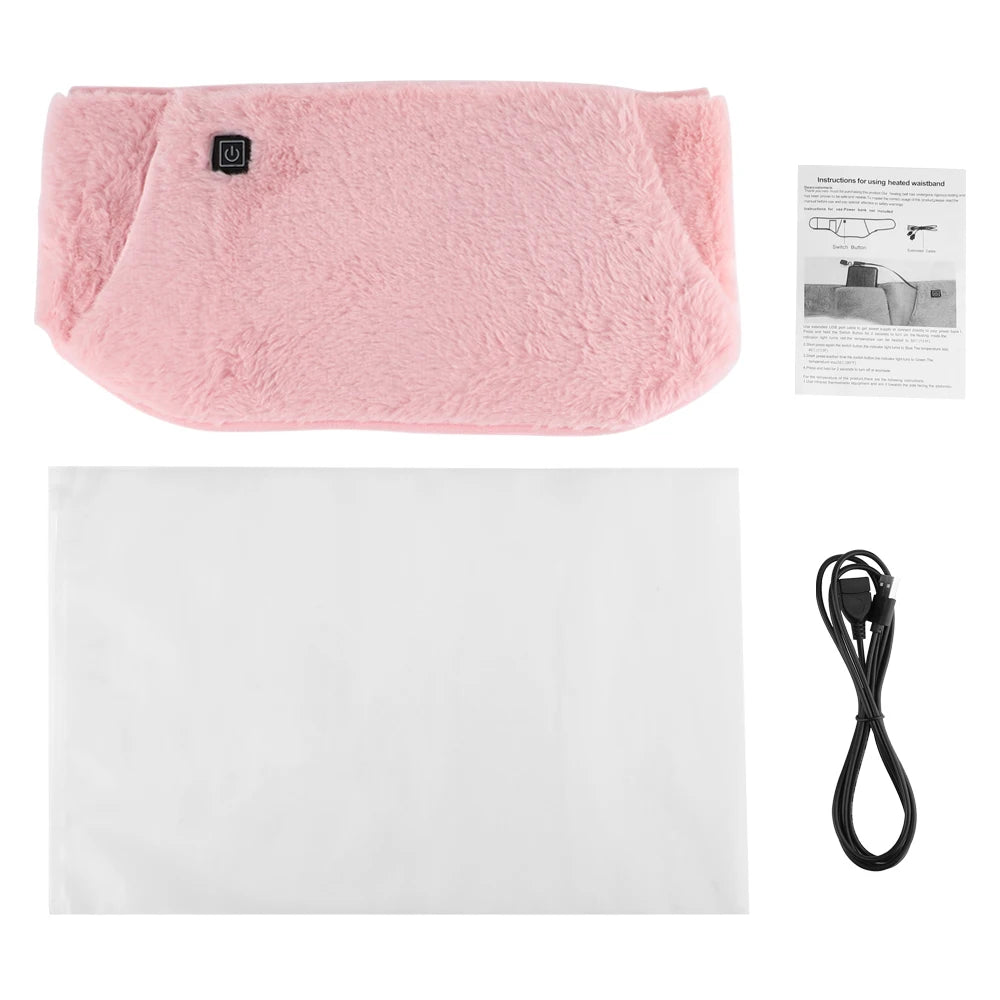
A graphene heating pad can use a broad, flexible heating layer to provide controlled warmth over areas such as the back, shoulders, or other body regions, depending on the product's intended use. The quality of the temperature controller and the pad's construction are just as important as the heating material itself.
Automotive applications
Flexible heating technology can be useful in automotive applications, including seat warming and other compact heating systems. The thin design of some graphene-based elements can help integrate warmth into limited spaces.
Medical and wellness applications
Heating elements are used in various wellness and therapeutic products, including warming pads and other heat-based comfort devices. Graphene-based designs may be selected for their flexibility and ability to distribute warmth across a surface.
Heat-based products should not be treated as a substitute for medical diagnosis or treatment. People with conditions that affect heat sensitivity or circulation should seek appropriate professional guidance before using body-contact heating products.
Consumer electronics and emerging applications
Graphene's thermal properties also make it relevant to thermal management research and other advanced technologies. In these applications, graphene may be used to help move heat away from components rather than generate warmth. This is an important distinction: graphene can be used both in heating technologies and in systems designed to manage unwanted heat.
Even heat coverage powered by graphene heating technology — See it in action
When Graphene Is Not the Best Heating Solution
Graphene heating technology is promising, but it is not automatically the best choice for every heating application.
- Cost: Graphene-based materials and specialized manufacturing can cost more than established heating technologies.
- High-temperature industrial needs: Rigid ceramic, metal, or other specialized heaters may be better suited to demanding high-temperature environments.
- Manufacturing limitations: Performance can vary depending on graphene quality, formulation, layer design, electrical connections, and production consistency.
- Simple heating requirements: A conventional metal wire or PTC element may provide excellent performance at a lower cost for a basic application.
The best heating technology depends on the complete system. Consider the required temperature, warm-up time, flexibility, power consumption, controls, durability, operating environment, and total cost rather than choosing a material based only on marketing claims.
Frequently Asked Questions
How does graphene heat?
Graphene-based heaters typically use Joule heating. Electrical current passes through a resistive graphene-based element, converting electrical energy into heat. The heating layer then distributes warmth through the material and surrounding structure.
Why does graphene heat better than traditional heating materials?
Graphene can offer fast electrical response, high thermal conductivity, thin construction, and broad heat distribution. These characteristics may help create rapid and even heat in suitable heater designs. However, graphene is not automatically superior to every traditional material; the complete heating system determines performance.
What is graphene heat conductivity?
Graphene heat conductivity refers to graphene's ability to transfer thermal energy through its structure. Its highly ordered carbon lattice allows heat to move rapidly along the material, particularly within the plane of the graphene layer.
Is graphene heating safe for daily use?
Graphene heating can be suitable for regular use when the product is properly designed, temperature-controlled, and used according to the manufacturer's instructions. Follow the recommended operating limits, use the correct power source, and stop using a product if its heating element, wiring, or controls appear damaged.
Does graphene produce even heat?
A graphene-based heating layer can be designed to provide broad and relatively uniform heat distribution. The final result depends on the element pattern, material construction, power distribution, insulation, and temperature controls.
Are graphene heaters energy efficient?
Graphene heaters can be energy efficient when their design converts electrical power into useful warmth with limited heat loss. Actual energy consumption depends on the heater's wattage, operating time, temperature setting, insulation, and overall design.
How long do graphene heating elements last?
The lifespan of a graphene heating element depends on its construction, electrical connections, protective layers, operating conditions, and how the product is used. A high-quality design may provide long service, but graphene alone does not guarantee a specific lifespan.
What products use graphene heating technology?
Graphene heating technology can be found in some heating pads, wearable clothing, blankets, automotive warming systems, and other flexible heating products. The technology is also being explored in additional advanced thermal applications.













