

Does hair steaming before and after really make a difference?
Hair steaming before and after results can make a noticeable difference for many hair types because steam helps improve moisture absorption and allows conditioning treatments to work more effectively. The most common visible improvements include softer texture, increased shine, easier detangling, and reduced dryness. However, hair steaming does not permanently repair damaged strands or directly speed up hair growth—it works by supporting healthier-looking, better-hydrated hair when combined with a consistent routine.
Hair Steaming Before and After: Real Results, Timeline & What to Expect
Hair steaming before and after comparisons often show impressive changes, especially for dry, textured, or treatment-damaged hair. If your hair feels rough even after applying products or your conditioner seems to sit on the surface instead of absorbing, steaming may help improve how your hair responds to moisture treatments.
⏱ 6 min read
Does your hair feel dry no matter how many products you use? Or does it seem like oils and masks never fully absorb? Comparing hair steaming before and after results can help explain why this treatment has become popular among people looking for better hydration, smoother texture, and improved manageability.
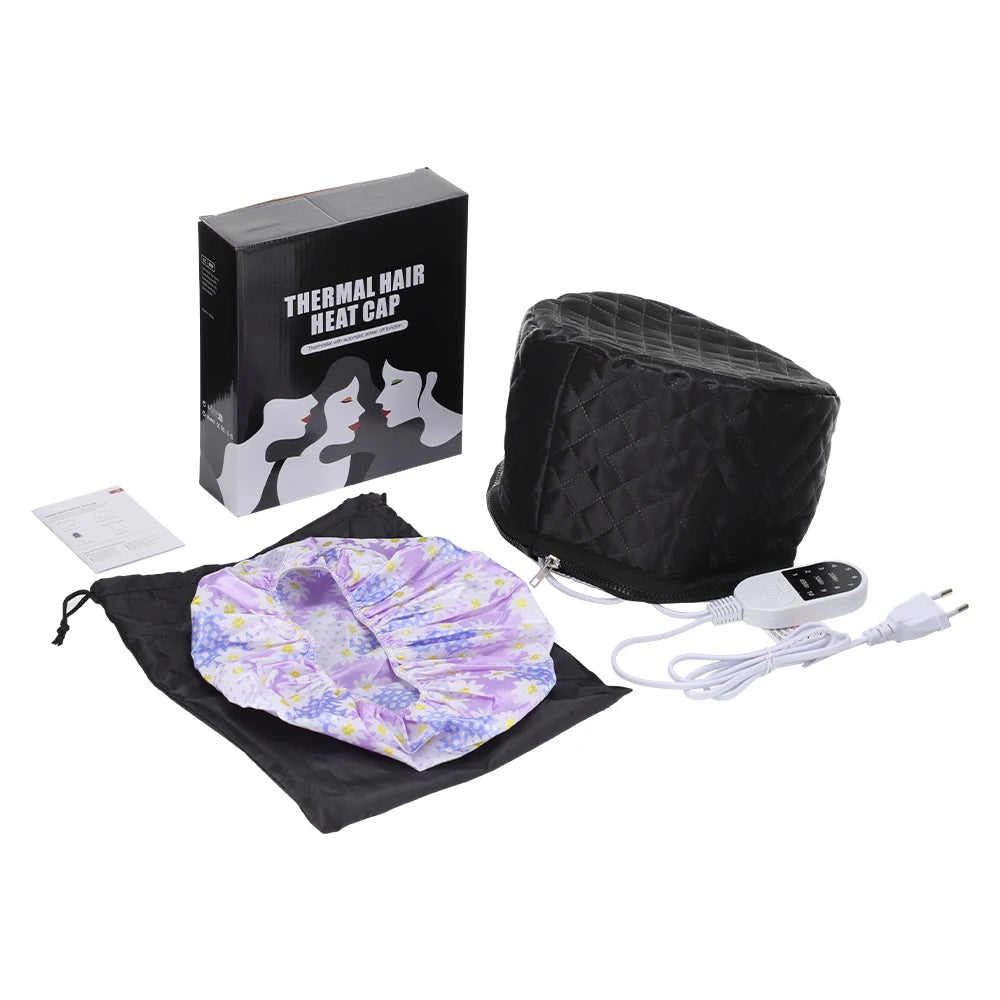
Hair steaming before and after results showing improved moisture absorption and smoother texture
Hair Steaming Before and After Results by Hair Type
Curly & Natural Hair Results
Hair steaming for natural hair results are often most noticeable because curly textures can lose moisture quickly due to their structure. Before steaming, curls may feel dry, stiff, or difficult to detangle. After steaming with a moisturizing treatment, many people notice softer curls, improved definition, reduced frizz, and better flexibility.
Steaming does not change the natural curl pattern, but it can help curls appear healthier by improving hydration and reducing surface dryness.
Straight & Fine Hair Results
Straight and fine hair may show different before and after changes. Before steaming, product buildup or uneven moisture levels can leave hair looking flat or dull. After steaming, hair may feel smoother, lighter, and easier to style.
Fine hair should avoid excessive conditioning products during steaming because too much moisture can make strands feel limp.
Damaged & Heat-Treated Hair Results
Heat styling, chemical treatments, and coloring can leave hair feeling rough and fragile. Hair steaming results for damaged hair often include improved softness, reduced tangling, and better appearance after conditioning treatments.
While steaming cannot reverse structural damage, it can improve how damaged hair looks and feels when combined with a proper damaged hair repair routine .
Color-Treated & High/Low Porosity Hair Results
Color-treated and porous hair often absorbs moisture quickly but may lose it just as fast. Steaming can support hydration by helping conditioners distribute more evenly through the strands.
For low-porosity hair, steam may be especially helpful because tightly packed cuticles can make it harder for moisture to enter. Pairing steaming with a suitable hair porosity routine can improve moisture balance.
What Happens During Hair Steaming (The Science Explained Simply)
How Steam Affects the Hair Cuticle
Hair steaming works by exposing hair to warm moisture, which can temporarily help soften the outer cuticle layer. A more flexible cuticle allows conditioning ingredients to spread more evenly across the hair surface.
This does not mean steam permanently opens the hair cuticle. Instead, it creates a temporary environment where moisturizing treatments may work more effectively.
Why Moisture Absorption Improves
When hair is softened by warm steam, conditioners, oils, and masks can coat strands more evenly. This is why many people notice smoother texture and improved softness immediately after a steaming treatment.
For best results, steaming is usually paired with products designed for hydration, such as hair masks and deep conditioners.
Immediate vs Long-Term Results
Immediate hair steaming results often include softer strands, increased shine, and easier detangling. Long-term improvements depend on consistency, hair condition, and the rest of your hair care routine.
Regular steaming may help maintain moisture levels and reduce breakage caused by dryness, but it should be part of a complete routine that includes proper cleansing, conditioning, and protection.
Hair Steaming Before and After Timeline: What Results to Expect
After One Session
Many people notice immediate changes after their first session. Hair may feel softer, smoother, and easier to comb through. Shine can also improve because hydrated strands reflect light better.
After 2–4 Weeks
With consistent weekly steaming, hair may become easier to manage and less prone to dryness-related breakage. Results are usually more noticeable when steaming is combined with deep conditioning and a balanced moisture routine.
Long-Term Maintenance
Long-term hair steaming results depend on maintaining the right frequency for your hair type. Over time, steaming can help support healthier-looking hair by improving moisture retention and reducing stress caused by dryness.
Hair Steaming Before and After: Side-by-Side Comparison
Before Hair Steaming
- Dry or rough texture
- Products seem to sit on the surface
- Frequent tangling during styling
- Dull appearance
- Increased dryness-related breakage
After Hair Steaming
- Softer and more flexible strands
- Improved product absorption
- Easier detangling
- More visible shine
- Smoother overall texture
Hair Steaming vs Deep Conditioning: What's the Difference?
When to Use Each Method
Hair steaming and deep conditioning work differently. Deep conditioners provide moisture, nutrients, and conditioning ingredients, while steaming helps create better conditions for those products to spread and absorb.
If your hair feels dry despite regular conditioning, adding steaming may help your existing treatments perform better.
Can You Combine Both?
Yes. Combining steaming with a deep conditioner is one of the most common ways to use this treatment. Apply your conditioner or mask first, then use steam to support deeper hydration.
A complete routine may also include a deep conditioning guide and a protein treatment vs moisture treatment approach depending on your hair needs.
Benefits of Hair Steaming (What Research and Real Results Show)
Hydration & Elasticity
One of the main benefits of hair steaming is improved hydration. Moisturized hair is generally more flexible and less likely to feel brittle during brushing and styling.
Reduced Frizz & Breakage
Dry hair is more likely to become rough and tangled. By supporting moisture balance, steaming may help reduce friction and improve manageability, which can lower the risk of everyday breakage.
Scalp Comfort & Growth Support
Steam may help loosen scalp buildup and create a more comfortable scalp environment. However, hair steaming is not a direct hair growth treatment. Healthy growth depends on factors such as genetics, nutrition, hormones, and scalp health.
Does Hair Steaming Work for Hair Growth?
Hair steaming does not make hair grow faster directly. The main benefit is helping maintain healthier strands that are less likely to break before reaching their full length.
By supporting moisture balance and scalp comfort, steaming can be one part of a broader hair growth routine , but it should not replace treatments designed specifically for hair loss concerns.
Hair Steaming at Home Results: Step-by-Step Guide
Preparation
- Wash hair to remove excess buildup.
- Gently towel dry until hair is damp.
- Apply a conditioner or treatment mask evenly.
Steaming Process
- Use a suitable steaming tool or hair steamer cap deep conditioning product.
- Steam for around 15–30 minutes depending on your hair needs.
- Avoid excessive heat or prolonged sessions.
Aftercare
Rinse if needed and seal in moisture with your preferred finishing product. A consistent natural hair care routine can help maintain results.
Common Mistakes
- Steaming too frequently
- Using very high temperatures
- Skipping conditioning treatments
- Ignoring your hair porosity and moisture needs
How Often Should You Steam Hair for Best Results?
Most hair types benefit from steaming once per week. Very dry or highly textured hair may tolerate more frequent sessions, while fine or oily hair may need steaming every two weeks.
Finding the right balance is important because too much moisture can leave some hair types feeling weak or overly soft.
Who Gets the Best Hair Steaming Results?
Natural & Curly Hair
Curly and natural hair often responds well because it can struggle with moisture distribution. Steaming may improve softness, curl flexibility, and detangling.
Damaged Hair
Hair affected by heat styling or chemical treatments may benefit from the added hydration and improved manageability that steaming provides.
Fine & Oily Hair
Fine or oily hair may still benefit from steaming, but lighter products and less frequent sessions are usually better choices.
Common Hair Steaming Mistakes and Safety Tips
Signs of Over-Steaming
Steaming too often may leave hair feeling overly soft, weak, or difficult to style. Adjust frequency if your hair loses its natural structure.
Water Temperature
Steam should feel comfortably warm, not uncomfortably hot. Excessive heat can contribute to dryness and damage.
When to Skip Hair Steaming
Avoid steaming when your scalp is irritated, your hair is severely weakened, or you notice that your current routine is causing sensitivity.
Quick FAQ
How long does it take to see hair steaming before and after results?
Some changes, such as softness and shine, may appear after one session. More noticeable improvements in manageability usually require several weeks of consistent care.
Can hair steaming replace deep conditioning?
No. Steaming supports deep conditioning but does not replace the benefits of a quality conditioner or treatment mask.
Is hair steaming good for low-porosity hair?
Yes. Low-porosity hair may benefit because steam can help improve how moisture treatments interact with the hair surface.
Can you steam your hair every week?
Weekly steaming works well for many hair types, but frequency should be adjusted based on texture, condition, and moisture needs.
Does hair steaming help hair grow faster?
No. Hair steaming does not directly increase growth speed, but it may help reduce breakage so hair retains length better.
Can hair steaming damage your hair if done too often?
Yes. Excessive steaming or high heat can contribute to dryness or weakness, so moderation is important.
Should you steam hair before or after applying conditioner?
Most routines apply conditioner or a mask before steaming so the warm moisture can support better distribution.
Can you steam color-treated hair safely?
Yes, when done gently. Use moderate temperatures and avoid over-steaming to help protect treated hair.













