

Does Hair Steaming Really Work?
What Hair Steaming Is
Yes. Hair steaming is a deep-conditioning technique that uses warm, moist heat to improve hydration and help conditioners, masks, and oils absorb more effectively. Steam temporarily softens and lifts the outer hair cuticle, allowing moisture to reach the cortex more easily before the cuticle settles back into place.
For many people with dry, curly, coily, color-treated, or damaged hair, steaming hair benefits include improved softness, better elasticity, easier detangling, and longer-lasting moisture. While steam is good for hair when used correctly, it is not a cure for split ends or severe damage and should be viewed as part of a consistent hair care routine rather than a standalone treatment.
How Steam Affects the Hair Cuticle
The hair cuticle is the protective outer layer of each strand. Gentle steam causes the cuticle scales to lift slightly, allowing water and conditioning ingredients to penetrate more effectively than they typically would on dry hair. As the hair cools, the cuticle gradually closes again, helping retain hydration and leaving strands feeling smoother and more manageable.
Unlike dry heat styling tools, steam delivers moisture alongside warmth. This combination reduces the likelihood of excessive dehydration during treatment and helps maximize the benefits of steaming hair when paired with a quality conditioner.
What Research and Experts Say
Hair care research and professional hairstylists generally agree that heat can improve the effectiveness of conditioning treatments by increasing moisture penetration into the hair shaft. Although steaming does not directly stimulate faster hair growth, healthier hydration levels and a well-moisturized scalp can reduce breakage, improve flexibility, and support stronger-looking hair over time.
Think of steaming as a spa treatment for your hair—it prepares both the scalp and hair strands to better absorb nourishing ingredients while improving softness, shine, and manageability with consistent use.
Steaming Hair Benefits: How Steam Transforms Hair Health
If your hair still feels dry after conditioning, the issue may not be the products you're using—it may be how well your hair absorbs them. Hair steaming uses gentle moisture and heat to improve product penetration, helping conditioners, oils, and masks work more effectively. Whether your hair is curly, color-treated, or simply dehydrated, understanding the benefits of steaming hair can help you build a more effective routine without adding significant time.
⏱ 7 min read
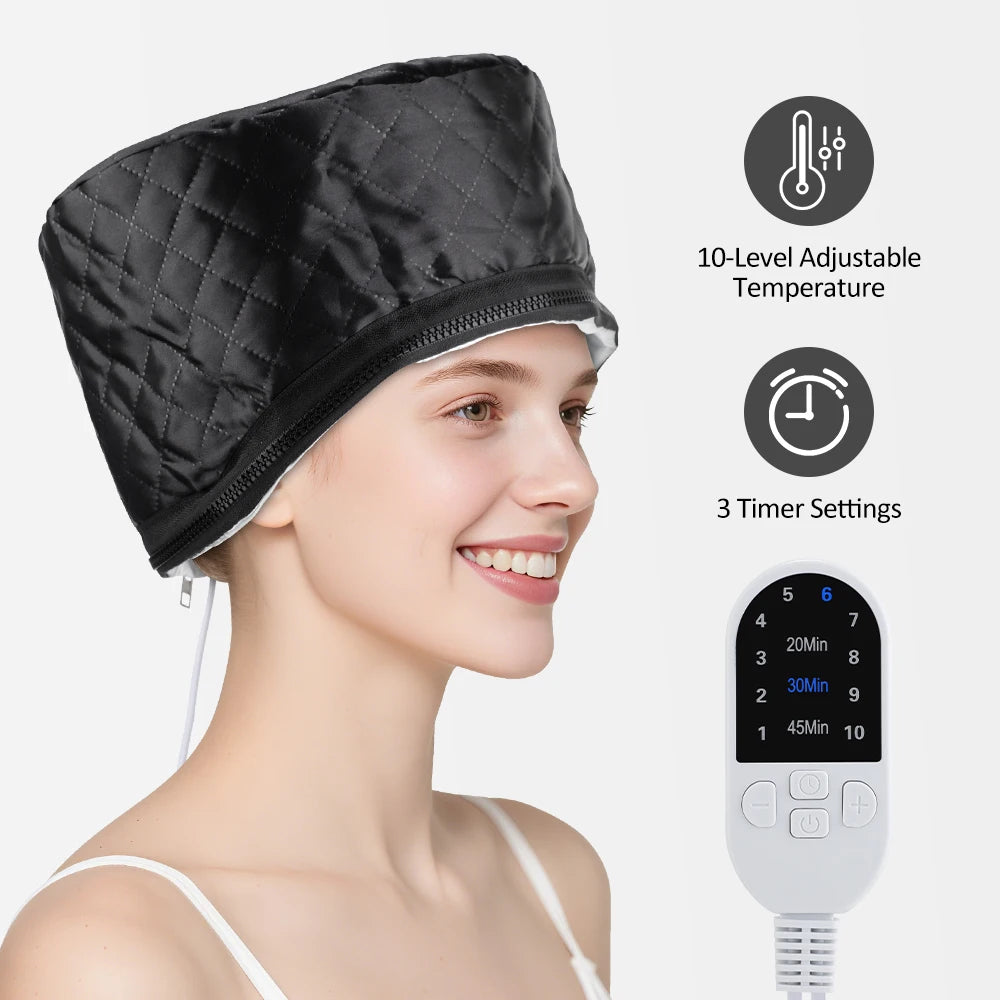
Hair steaming benefits start with consistent heat for better absorption. See it in action.
Benefits of Steaming Hair
Improved Hydration
One of the most significant hair steaming benefits is improved hydration. Steam increases the amount of moisture that can enter the hair shaft during conditioning, helping dry or brittle strands feel softer and remain moisturized longer. Better hydration also improves elasticity, reducing the likelihood of snapping during brushing or styling.
Better Deep Conditioner Absorption
Deep conditioners, leave-in treatments, and natural oils perform more effectively when used with steam. Instead of remaining primarily on the surface, conditioning ingredients can penetrate more evenly throughout the hair shaft, making treatments more efficient while reducing unnecessary product buildup.
Healthier Scalp Environment
Warm steam can soften surface buildup while providing gentle moisture to a dry scalp. Combined with a balanced scalp care routine, this may improve comfort, reduce visible flaking caused by dryness, and create a healthier environment for existing hair to thrive.
Reduced Breakage and Improved Manageability
Well-hydrated hair is generally easier to detangle and style. Regular steaming may help reduce breakage caused by excessive dryness while improving softness, curl definition, and overall manageability. These improvements are especially noticeable in textured, curly, and chemically treated hair that tends to lose moisture more quickly.
Support for Healthy Hair Growth
Hair steaming does not directly increase the rate of hair growth. However, healthier moisture balance, reduced breakage, and improved scalp condition can help preserve hair length over time and support stronger, healthier-looking growth.
- Improves moisture penetration during conditioning treatments
- Helps conditioners, oils, and masks absorb more effectively
- Enhances softness, shine, and flexibility
- Reduces dryness and brittleness with consistent use
- Supports healthier-looking hair by minimizing breakage
Unlike dry heat styling tools, steam combines warmth with water vapor, making it a gentler option for regular hydration-focused hair care routines.
The Science Behind Hair Steaming
How Steam Lifts the Cuticle
Each hair strand is made up of three primary layers: the cuticle, cortex, and medulla. The cuticle is the outer protective layer formed by overlapping cells that shield the inner structure from moisture loss and environmental damage.
During a steaming session, warm water vapor temporarily softens and slightly lifts the cuticle. This allows water and conditioning ingredients to move more effectively into the cortex, where much of the hair's strength, elasticity, and moisture balance are maintained. As the hair cools, the cuticle gradually settles back down, helping retain the hydration introduced during treatment.
Moisture Penetration vs. Moisture Retention
Moisture penetration and moisture retention are closely related but not identical. Steam improves the ability of water and conditioning ingredients to enter the hair shaft during treatment, while healthy cuticles and appropriate aftercare help retain that moisture afterward.
This distinction explains why hair steaming benefits are most noticeable when steam is combined with a quality conditioner or hair mask. Steam itself does not permanently hydrate hair; instead, it improves the effectiveness of moisturizing products that are already part of your routine.
Hair Porosity and Steam Response
Hair porosity influences how individual strands respond to steam. Low-porosity hair has tightly packed cuticles that naturally resist moisture, so gentle steaming can improve conditioner absorption. Medium-porosity hair generally responds well to regular steaming, maintaining a healthy balance of moisture and strength.
High-porosity hair, often resulting from chemical processing, heat styling, or environmental damage, absorbs moisture quickly but can lose it just as easily. For these hair types, steaming followed by a moisturizing leave-in product or lightweight sealing oil can help maintain hydration between wash days.
Regardless of porosity, moderate heat and appropriate timing are more effective than prolonged steaming sessions. Overexposure provides little additional benefit and may disrupt the hair's natural moisture-protein balance.
For consistent results, many people combine a nourishing deep conditioner with a hair steamer cap , allowing even heat distribution while helping moisturizing ingredients absorb more effectively throughout the hair.
Hair Steaming vs Traditional Conditioning
Key Differences
Traditional conditioning and hair steaming both support healthier-looking hair, but they work in different ways. A conditioner primarily coats the hair with moisturizing and smoothing ingredients, while steaming uses gentle moist heat to help those ingredients penetrate beneath the surface before the cuticle closes again.
For hair that is dry, textured, or chemically treated, this deeper absorption can lead to longer-lasting hydration, improved softness, and better manageability. However, healthy hair that already retains moisture well may see smaller differences between the two methods.
| Method | Moisture Penetration | Time Efficiency | Long-Term Results |
|---|---|---|---|
| Traditional Conditioning | Primarily surface hydration | Moderate | Temporary softness |
| Hair Steaming | Improved moisture absorption | 15–30 minute treatment | Supports ongoing hydration with consistent use |
Why They Work Best Together
Hair steaming is not a replacement for deep conditioning—it enhances it. Applying a nourishing conditioner or mask before steaming gives the hair beneficial ingredients to absorb while warm moisture improves penetration. This combination is often more effective than either step alone, particularly for dehydrated or damaged hair.
When Steaming Is Unnecessary
Not every wash day requires steam. If your hair already feels well hydrated, has low levels of damage, or becomes easily weighed down, regular conditioning may be sufficient. Excessive steaming can lead to over-hydration in some hair types, so tailoring frequency to your hair's needs typically produces the best results.
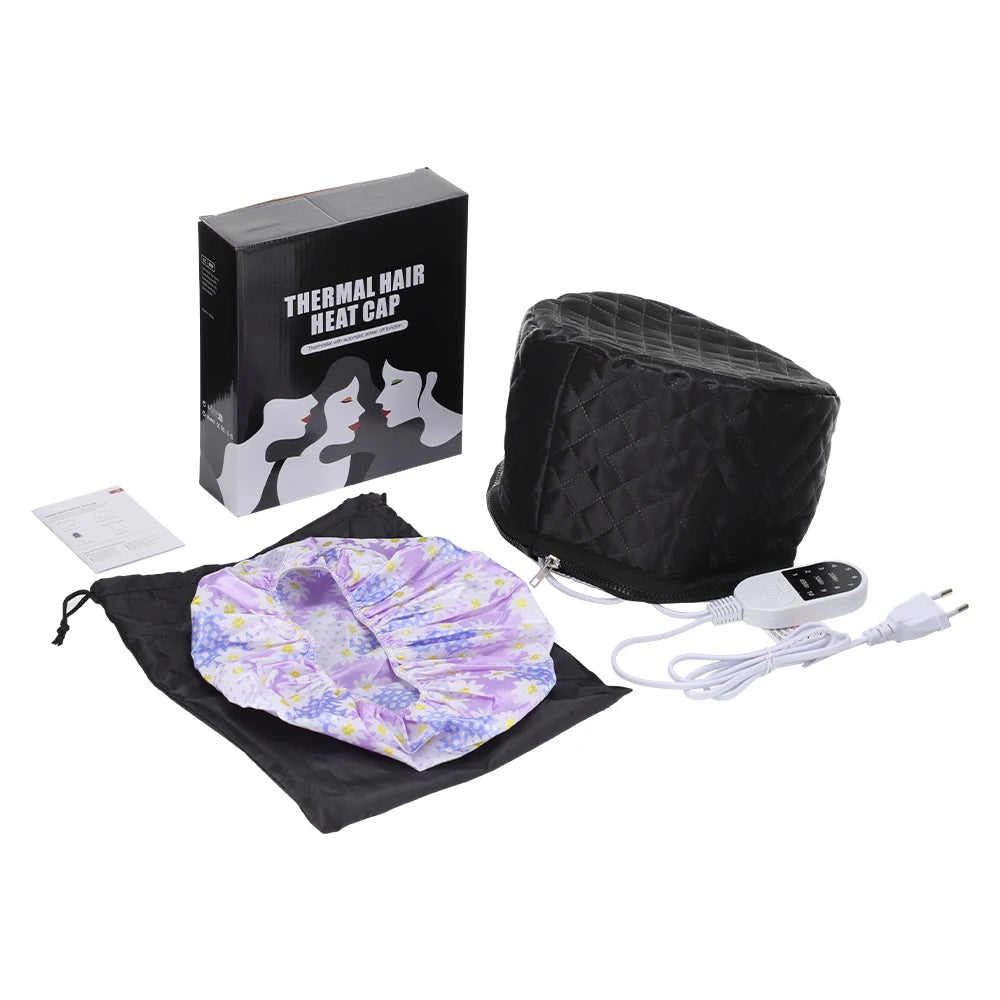
Comparing methods shows why gentle steam can improve conditioner performance. See it in action.
How to Steam Your Hair at Home
Prepare Hair
- Wash your hair or thoroughly dampen it before steaming.
- Gently detangle to ensure even product distribution.
- Divide thick or textured hair into sections for consistent coverage.
Apply Conditioner
- Apply your preferred deep conditioner, treatment mask, or moisturizing oil from mid-lengths to ends.
- Distribute the product evenly through each section to maximize absorption during steaming.
Steam Correctly
- Steam for approximately 15–30 minutes, adjusting the duration based on your hair thickness and porosity.
- Use the treatment once or twice each week for most dry or damaged hair types.
- Avoid extending sessions beyond the recommended time, as more heat does not necessarily improve results.
Seal in Moisture Afterward
- Rinse if your conditioner requires it, following the product directions.
- Apply a lightweight leave-in conditioner or oil to help reduce moisture loss.
- Limit high-heat styling immediately after steaming to preserve hydration.
For best results, many users pair steaming with tools from the Hair Care and Styling Devices collection to build a consistent hair care routine.
Who Benefits Most from Hair Steaming?
Hair steaming can benefit most hair types, but the results vary depending on texture, porosity, and overall hair condition. Understanding your hair's needs can help you choose the right steaming frequency and achieve better long-term hydration.
Curly and Coily Hair
Curly and coily hair naturally has a harder time distributing scalp oils from root to tip, making it more susceptible to dryness. Regular steaming helps these hair types absorb conditioners more effectively, improving softness, curl definition, elasticity, and manageability while reducing tangles.
Natural Hair
Natural hair often benefits from steam during deep conditioning sessions because it enhances moisture absorption without relying on harsh heat. Consistent hydration can make styling easier, reduce breakage during detangling, and help maintain healthy-looking strands between wash days.
Color-Treated and Chemically Treated Hair
Bleached, color-treated, relaxed, or chemically processed hair typically has a more porous cuticle and loses moisture more quickly than untreated hair. Steaming paired with a nourishing conditioner can help replenish hydration, improve flexibility, and reduce the dry, brittle feeling that often follows chemical services.
Low vs. High Porosity Hair
Hair porosity plays an important role in determining how well steaming works.
- Low-porosity hair: Gentle steam can help temporarily loosen tightly packed cuticles, allowing conditioners and masks to absorb more efficiently.
- Medium-porosity hair: Usually responds well to regular steaming, maintaining a healthy balance of moisture and strength.
- High-porosity hair: Benefits from steaming followed by a leave-in conditioner or lightweight oil to help retain the moisture absorbed during treatment.
People with fine or naturally oily hair can still enjoy hair steam benefits, but shorter sessions and less frequent treatments are generally sufficient to avoid over-hydration or weighing hair down.
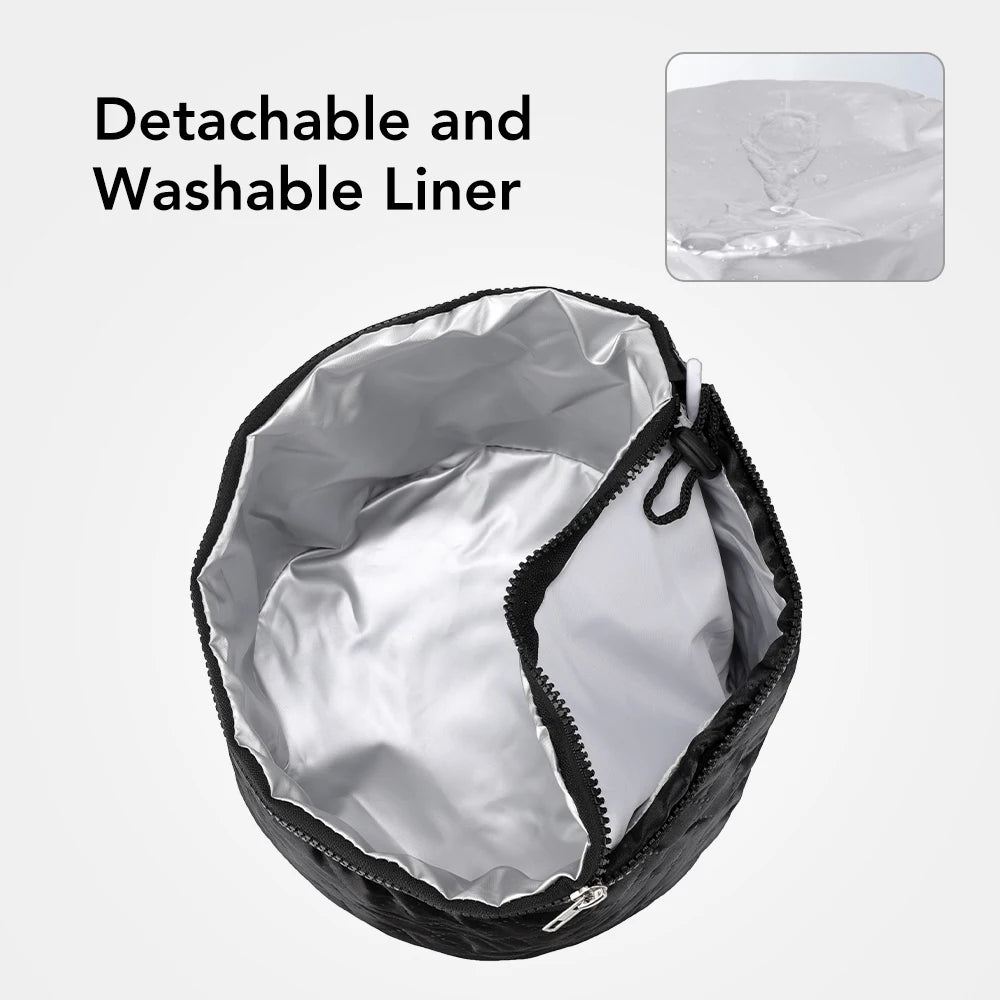
Consistent steaming supports healthier moisture balance and improved hair manageability. See it in action.
Those exploring holistic care often browse the Beauty & Self-Care Blog for complementary routines that support overall hair health.
Risks, Mistakes, and Who Should Avoid Hair Steaming
Common Mistakes to Avoid
- Over-steaming, which may disrupt the hair's moisture-protein balance and leave strands feeling overly soft or weak.
- Steaming dirty hair or hair with heavy product buildup, which can reduce the effectiveness of conditioning treatments.
- Skipping a leave-in conditioner or lightweight oil after steaming, allowing moisture to escape more quickly.
- Using excessive heat or extending sessions beyond the recommended 15–30 minutes.
Who Should Be Cautious
Hair steaming is generally safe for most people when performed correctly. However, individuals with scalp infections, open wounds, severe scalp irritation, or heat sensitivity should wait until these conditions improve or seek advice from a healthcare professional before using steam treatments.
Signs to Reduce Frequency
If your hair begins to feel overly soft, limp, difficult to style, or unusually stretchy, reduce steaming frequency and incorporate protein-containing treatments if appropriate for your hair type. Most people achieve the best balance by steaming once every one to two weeks, while very dry or textured hair may benefit from weekly sessions.
Using moderate heat, proper timing, and moisturizing products together helps maximize hair steaming benefits while minimizing the risk of over-hydration.
Frequently Asked Questions
How often should you steam your hair?
For most hair types, steaming once every one to two weeks is sufficient. Dry, curly, coily, or chemically treated hair may benefit from weekly sessions, while fine or oily hair often performs better with less frequent treatments.
Can hair steaming damage hair?
Hair steaming is generally safe when performed with moderate heat for 15–30 minutes. Damage is more likely to result from excessive heat, prolonged sessions, or steaming too frequently without maintaining a healthy moisture-protein balance.
Is steaming good for low-porosity hair?
Yes. Low-porosity hair often benefits from gentle steam because it temporarily softens tightly packed cuticles, allowing conditioners and masks to absorb more effectively.
Can you steam color-treated or chemically treated hair?
Yes. Color-treated, bleached, or chemically processed hair often loses moisture more quickly than untreated hair. Steaming can improve hydration and flexibility when paired with a nourishing deep conditioner.
Do you need a hair steamer or can you DIY?
A dedicated hair steamer offers the most consistent temperature and moisture delivery, but you can also steam your hair using a warm towel or shower steam. Whichever method you choose, avoid excessive heat and always follow with a moisturizing product.
Can steaming replace deep conditioning?
No. Steaming enhances deep conditioning by improving moisture absorption, but it does not replace the conditioning treatment itself. Using both together typically delivers the best long-term results.
Does hair steaming actually help hair grow?
Hair steaming does not directly increase hair growth. Its primary benefit is improving hydration, reducing breakage, and supporting a healthier scalp, all of which can help preserve hair length over time.
Who should avoid hair steaming?
People with active scalp infections, open wounds, severe irritation, or sensitivity to heat should avoid steaming until the condition has resolved or they have received medical guidance.
Related Guide: Hair Steamer Cap Features That Boost Moisture Fast













