

⏱ 7 min read
Best Hallux Valgus Toe Corrector (2026 Guide & Reviews)
Foot pain doesn't announce itself politely. It creeps into your morning walk, your workday shoes, and even quiet moments at home. If bunions are affecting your daily comfort, the right solution should adapt to your lifestyle—not the other way around. This guide helps you find the best hallux valgus toe corrector for real, everyday use by comparing the most common designs, explaining how they work, and helping you choose the right option based on your symptoms and daily routine.
Quick Comparison: Best Toe Correctors for Bunions
If you're looking for the best hallux valgus toe corrector, this quick comparison highlights the strengths of each style so you can narrow your choice before reading the detailed reviews.
| Type | Best For | Main Benefits | Possible Drawbacks |
|---|---|---|---|
| Adjustable bunion splint | Overall daily correction | Custom fit, adjustable tension, reusable | Bulkier than gel designs |
| Flexible gel toe separator | Walking and everyday shoes | Comfortable, discreet, reduces rubbing | Gentle correction only |
| Rigid night splint | Sleeping | Maximum alignment support during rest | Not suitable for walking |
| Silicone separator | Budget relief | Affordable, simple cushioning | Limited structural support |
| Reinforced adjustable brace | Moderate to severe bunions | Greater corrective force | Less flexible |
| Soft fabric corrector | Extended daytime wear | Breathable, lightweight | Moderate correction |
Keep reading for detailed reviews and recommendations based on comfort, severity, and lifestyle.
Top 7 Best Hallux Valgus Toe Correctors (Tested & Reviewed)
Best Overall: Adjustable Hallux Valgus Brace
An adjustable brace offers one of the best balances between comfort and correction. Adjustable straps allow gradual tension changes as your foot adapts, making it suitable for long-term use in mild to moderate bunions.
- Pros: Custom fit, adjustable support, durable, reusable
- Cons: May feel bulky inside narrow footwear
- Ideal for: People wanting one device for regular home use and ongoing symptom management
Best for Walking: Flexible Toe Separator for Bunions
Flexible gel separators fit comfortably inside many walking shoes and reduce friction between the first and second toes. They focus more on comfort than aggressive correction.
- Pros: Lightweight, discreet, easy to wear
- Cons: Provides only gentle alignment
- Ideal for: Daily walking, errands, commuting, and standing jobs
Best for Sleeping: Rigid Night Splint
Night splints hold the toe in a corrected position while the foot remains unloaded during sleep. Many users prefer them because they provide stronger alignment without interfering with daytime activities.
- Pros: Maximum correction angle, adjustable support
- Cons: Cannot be worn comfortably while walking
- Ideal for: Evening recovery routines and overnight wear
Best Budget Option: Silicone Bunion Toe Corrector
Silicone separators provide inexpensive relief by reducing pressure and preventing skin irritation where the bunion rubs against footwear.
- Pros: Affordable, washable, beginner friendly
- Cons: Minimal corrective effect
- Ideal for: Occasional discomfort and preventive use
Best for Severe Bunions: Reinforced Adjustable Splint
People with larger bunions often benefit from reinforced splints that offer greater stability through stronger hinges or structured side supports.
- Pros: Strong alignment support, durable construction
- Cons: Less flexible and typically reserved for home use
- Ideal for: Moderate to advanced hallux valgus seeking non-surgical support
Best Soft Option: Gel Toe Separator
Soft gel models emphasize cushioning and comfort. Rather than aggressively repositioning the toe, they help reduce rubbing and pressure during daily activities.
- Pros: Soft, gentle, suitable for sensitive skin
- Cons: Limited corrective ability
- Ideal for: Sensitive feet and mild bunions
Best for Daily Wear: Fabric Bunion Corrector
Fabric correctors combine breathable materials with light support, making them comfortable for extended wear around the house or during light activity.
- Pros: Breathable, comfortable, discreet
- Cons: Moderate correction only
- Ideal for: Long workdays, office environments, and everyday comfort
Does a hallux valgus toe corrector really work?
A hallux valgus toe corrector can reduce pain, decrease pressure on the bunion, improve toe positioning during wear, and help slow progression in many mild to moderate cases. Results vary depending on the severity of the deformity, the type of corrector used, and how consistently it is worn.
Most users commonly notice:
- Less rubbing against shoes
- Reduced pressure around the bunion joint
- Improved comfort while standing or walking
- Temporary improvement in toe alignment during use
However, toe correctors do not permanently reverse established bunions or replace surgery when structural deformity becomes severe. Instead, they work best alongside supportive footwear, weight management when appropriate, and foot-strengthening exercises.
Daily use over several weeks generally produces better symptom relief than occasional wear.
How a hallux valgus corrector actually works (biomechanics explained)
A hallux valgus corrector applies gentle, continuous pressure that encourages the big toe toward a more natural position. By reducing the angle of deviation while the device is worn, pressure on the metatarsophalangeal (MTP) joint becomes more evenly distributed.
This may help:
- Reduce lateral deviation of the big toe
- Lower friction between the bunion and footwear
- Decrease joint irritation during walking
- Improve pressure distribution across the forefoot
- Support more comfortable movement throughout the day
Rigid splints prioritize alignment, while soft separators mainly improve spacing and reduce friction. Many people benefit from combining both—using a night splint at home and a flexible separator inside shoes during the day.
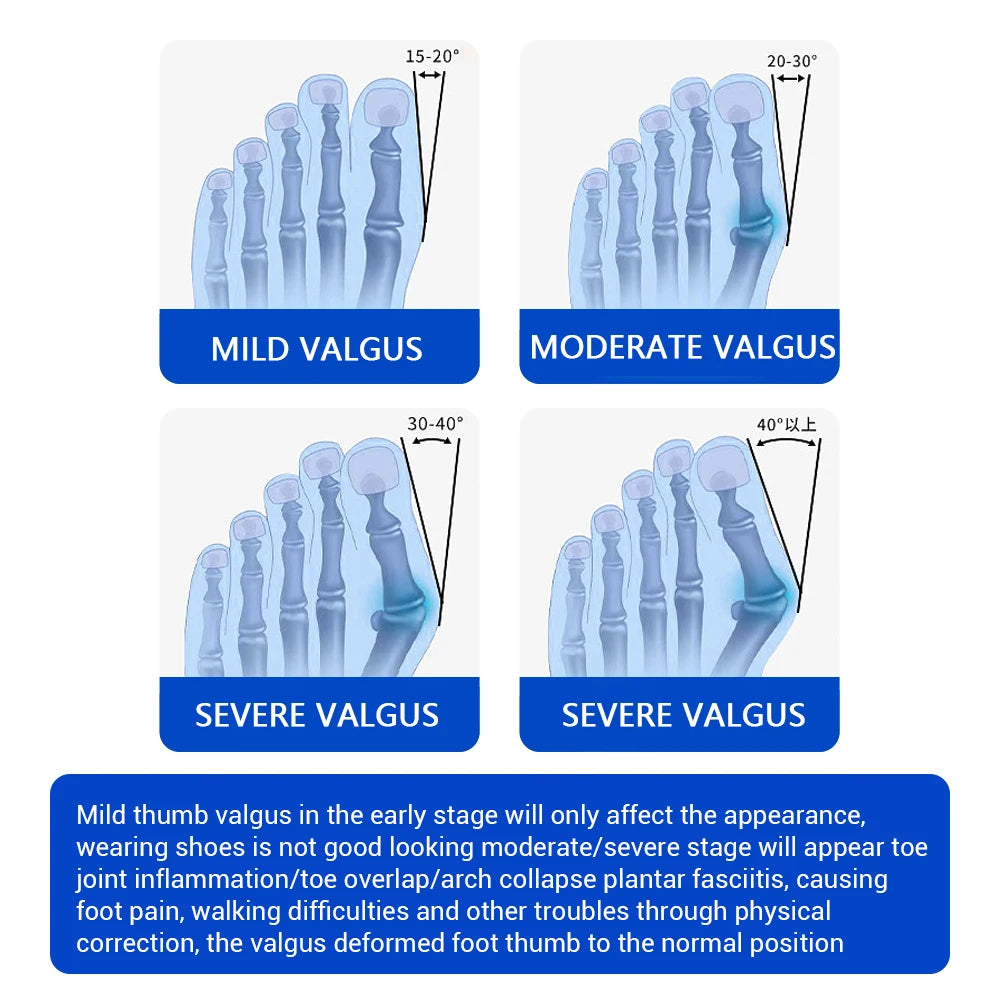
Hallux valgus toe corrector designed for daily wear and alignment support. See it in action.
What is a hallux valgus toe corrector?
A hallux valgus toe corrector is a wearable device designed to reduce pressure around a bunion while gently encouraging the big toe toward improved alignment. Although it cannot reshape bone, it can improve comfort and help manage symptoms during daily activities.
Common designs include:
- Adjustable splints with straps
- Gel or silicone toe separators
- Fabric support braces
- Night splints with rigid supports
Modern correctors typically use breathable fabrics, medical-grade silicone, flexible polymers, or lightweight plastic components to balance comfort with support.
How to choose the best toe corrector for bunions
Day vs night use
Choose flexible, low-profile models for daytime use inside shoes. Night splints provide stronger corrective positioning because they are worn while resting without the pressure of walking.
Soft vs rigid support
Soft correctors prioritize comfort and friction reduction, while rigid splints deliver greater alignment support for users who tolerate firmer correction.
Severity of bunion
Mild bunions often respond well to separators and fabric supports. Moderate cases usually benefit from adjustable braces, while severe deformities may require professional evaluation to determine whether surgery should be considered.
Shoe compatibility
If you intend to wear your corrector outside the home, look for a slim design that fits comfortably inside wide toe-box shoes without increasing pressure.
Best use cases by lifestyle (quick recommendations)
For active lifestyles (walking or running)
Select flexible toe separators that reduce rubbing while allowing your foot to move naturally.
For office or standing jobs
Breathable fabric correctors offer extended comfort throughout the workday without excessive bulk.
For at-home recovery
Adjustable splints are ideal while reading, watching television, or relaxing because they provide stronger corrective support.
For seniors or sensitive feet
Soft gel separators minimize pressure points and are often easier to tolerate during prolonged wear.
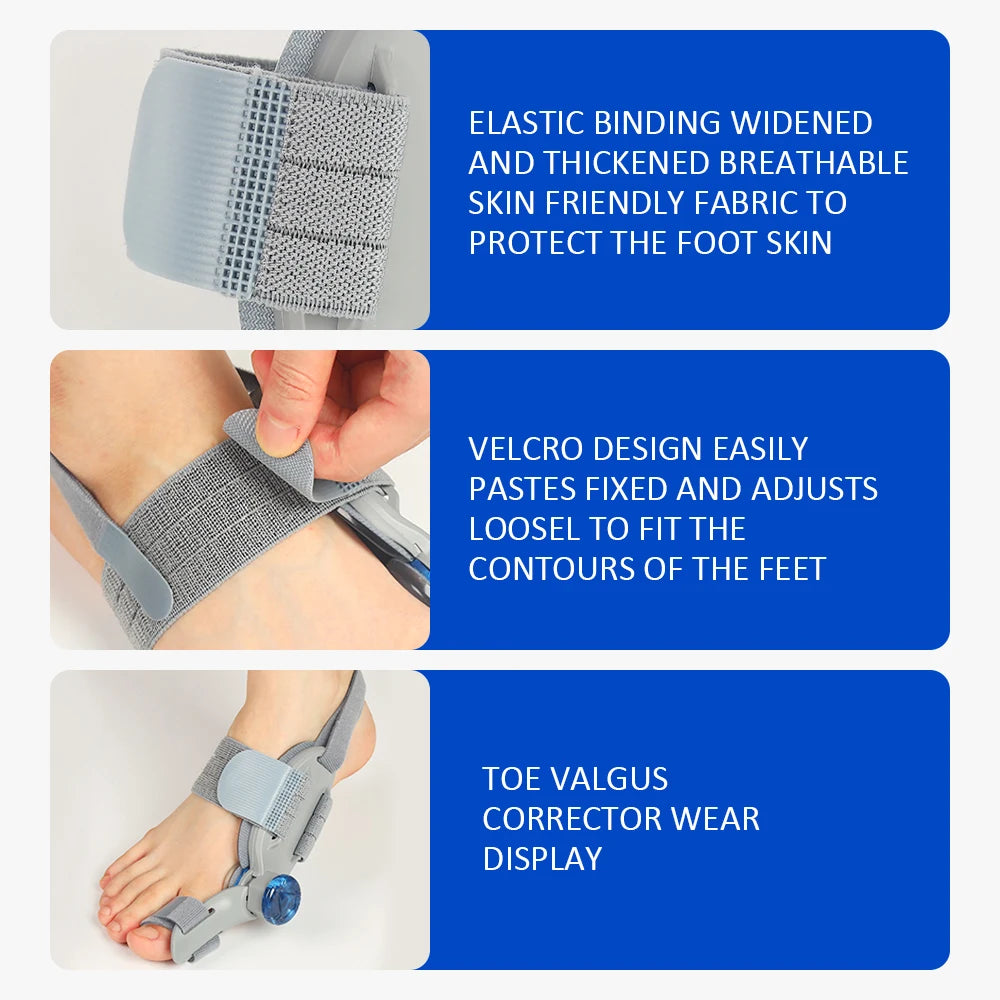
Comfort-focused toe corrector for bunions during long workdays. See it in action.
Comparing hallux valgus treatment options
Bunion treatment often combines several approaches rather than relying on a single solution.
| Treatment | Best For | Advantages | Limitations |
|---|---|---|---|
| Toe correctors | Mild to moderate bunions | Non-invasive, affordable, symptom relief | Cannot permanently correct bone alignment |
| Orthotics | Foot mechanics | Improves weight distribution | Does not reposition the toe |
| Supportive footwear | Daily prevention | Reduces pressure and irritation | Limited corrective effect |
| Foot exercises | Mobility and strength | Supports flexibility and muscle function | Requires consistency |
| Surgery | Severe deformity | Permanent structural correction | Recovery time and surgical risks |
Many healthcare professionals recommend beginning with conservative options before considering surgery, particularly when pain remains manageable.
How to use a hallux valgus toe corrector for real results
- Wear the corrector for 15–30 minutes initially.
- Gradually increase wear time over one to two weeks.
- Adjust the fit so it feels supportive but not painful.
- Use wide, supportive footwear if wearing it during the day.
- Clean reusable correctors regularly according to manufacturer instructions.
- Stay consistent, since gradual improvements typically require several weeks.
If you experience numbness, worsening pain, skin irritation, or circulation problems, discontinue use and seek advice from a healthcare professional.
Real user results: what to expect over time
Results depend on bunion severity, daily wear time, and footwear choices. While no conservative device permanently corrects advanced bunions, consistent use often improves comfort.
- Week 1–2: Less rubbing, reduced soreness, improved comfort in shoes
- Week 3–4: Better toe positioning while wearing the device
- Month 2+: More consistent comfort during daily activities and reduced irritation
Users who combine a toe corrector with wide toe-box shoes and supportive foot care habits generally report better long-term symptom management.
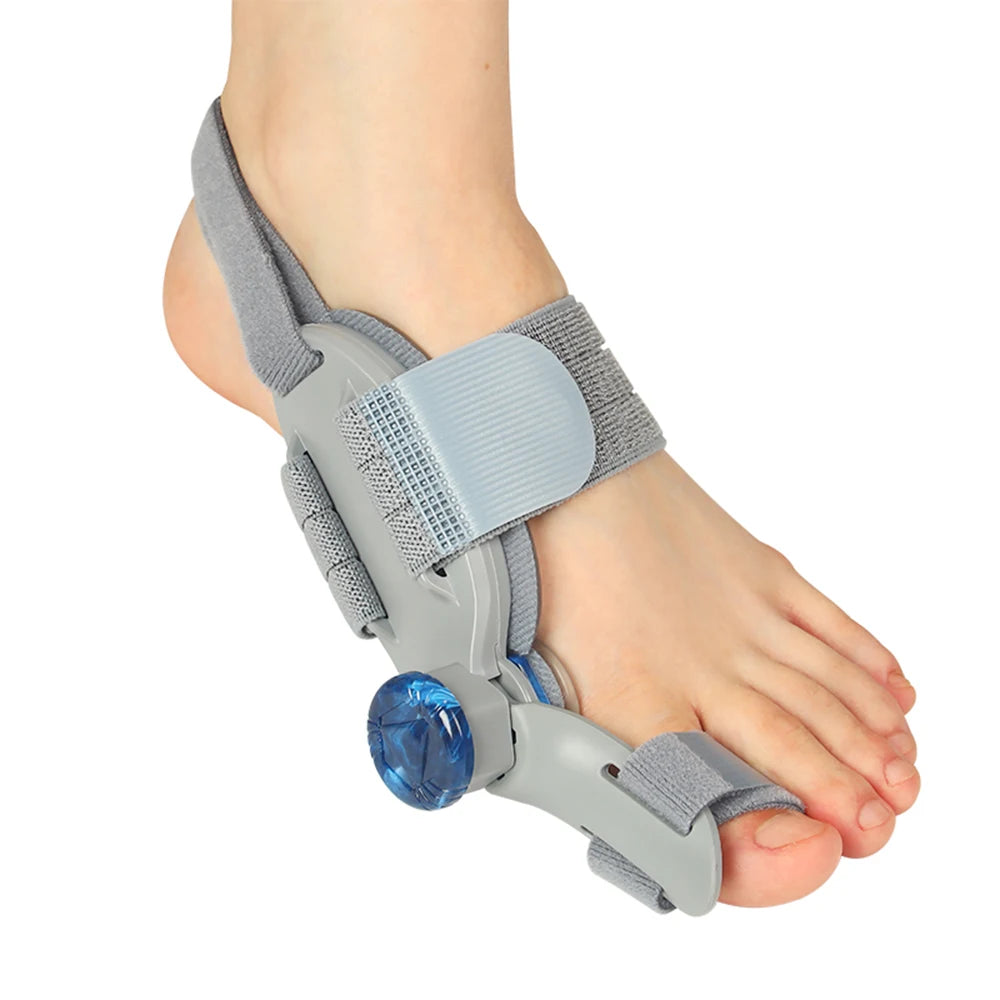
Adjustable orthopedic bunion corrector for long-term wear. See it in action.
FAQ: Hallux valgus toe correctors (before you buy)
Can I wear a hallux valgus toe corrector every day?
Yes. Most products are intended for regular use. Begin with shorter sessions and gradually increase wear time to improve comfort.
Does it fit inside regular shoes?
Low-profile gel separators and fabric correctors fit inside many shoes, although wider footwear generally provides the best comfort.
Is this a permanent fix?
No. Toe correctors help manage symptoms, improve temporary alignment during wear, and may slow progression, but they do not permanently reverse established bunions.
What is the best toe corrector for bunions?
The best choice depends on your goals. Adjustable splints provide stronger support, while gel separators excel in comfort for everyday wear.
Can I walk with a toe corrector?
Yes, provided you choose a flexible model specifically designed for walking. Rigid night splints should only be worn while resting.
Explore the KentDO hallux valgus toe corrector and see how thoughtful design can support comfort, confidence, and movement—no matter how your day unfolds.













