

Types of Foot Massagers: Which Works Best for Daily Relief
Discover the most popular types of foot massagers , how they work, and which options are ideal for daily use. From simple manual rollers to advanced shiatsu, EMS, and heated massage systems, this guide explains the benefits, limitations, and best use cases for every foot massage style so you can choose the right solution for your needs.
Do Foot Massagers Really Work?
Yes. Foot massagers can be an effective way to reduce everyday foot discomfort, relax tight muscles, and support circulation when used consistently. While they don't treat underlying medical conditions, many people experience temporary relief from soreness caused by standing, walking, exercise, or long workdays.
How Different Massage Technologies Affect the Feet
Different massage technologies target your feet in different ways:
- Rolling and kneading stretch muscles and fascia while reducing tightness.
- Air compression gently squeezes and releases the feet to encourage circulation and reduce swelling.
- Heat therapy helps muscles relax and may improve comfort before stretching.
- Vibration stimulates soft tissues with light rhythmic movement.
- EMS and TENS technologies use mild electrical stimulation to activate muscles or help manage discomfort in appropriate users.
For most healthy adults, combining regular foot massage with supportive footwear, stretching, and movement provides better long-term comfort than relying on massage alone.
What Are the Main Types of Foot Massagers?
Manual Foot Massagers
Manual foot massagers include wooden rollers, textured balls, massage sticks, and acupressure tools. You control the pressure yourself, making them affordable, portable, and suitable for daily use.
- Best for: Everyday soreness, travel, beginners
- Pros: Inexpensive, lightweight, no electricity required
- Cons: Requires manual effort and offers less consistent pressure
Roller & Reflexology Foot Massagers
These devices use rotating rollers or textured nodes that stimulate pressure points across the arch, heel, and forefoot. Many are inspired by reflexology techniques and help loosen tight plantar fascia.
- Best for: Tired feet, plantar fascia tightness, daily recovery
- Pros: Targets arches well and promotes flexibility
- Cons: Can feel intense during the first few sessions
Shiatsu Foot Massagers
Shiatsu foot massagers use rotating massage nodes that mimic the feeling of human thumbs pressing into muscles. Many premium models also include heat and adjustable intensity settings.
- Best for: Deep tissue relief and chronic foot fatigue
- Pros: Closest sensation to a professional massage
- Cons: May feel too firm for highly sensitive feet
Air Compression Foot & Leg Massagers
Air compression models inflate and deflate internal chambers around the feet—and sometimes the calves—to create rhythmic pressure that encourages circulation and reduces feelings of heaviness.
- Best for: Swelling, long periods of standing, recovery
- Pros: Gentle massage with adjustable compression
- Cons: Provides less deep muscle work than kneading devices
Vibration Foot Massagers
Vibration massagers generate rapid oscillations that stimulate muscles without aggressive pressure. They are often chosen for relaxation and light daily recovery.
- Best for: Mild fatigue and relaxation
- Pros: Comfortable for sensitive users
- Cons: Less effective for deep muscle knots
Heated Foot Massagers
Heat is frequently combined with rolling, kneading, or compression to help muscles loosen before deeper massage. Warmth also enhances comfort during colder months.
- Best for: Evening relaxation and muscle stiffness
- Pros: Comfortable and soothing
- Cons: Heat alone provides limited massage benefits
EMS & TENS Foot Massagers
EMS (Electrical Muscle Stimulation) activates muscles through electrical impulses, while TENS (Transcutaneous Electrical Nerve Stimulation) is primarily designed to help manage discomfort by stimulating nerves. Some devices combine both technologies.
- Best for: Muscle stimulation and advanced recovery routines
- Pros: Adjustable intensity with targeted stimulation
- Cons: Not suitable for everyone, including people with certain implanted medical devices
Foot Spa & Water-Based Massagers
Foot spas combine warm water with bubbles, rollers, or vibration to create a relaxing at-home spa experience while softening skin.
- Best for: Relaxation and foot care routines
- Pros: Comfortable, soothing, and ideal for pampering
- Cons: Larger footprint and more cleaning required
Massage Mats & Foot Massage Pads
Massage mats and EMS foot pads are designed for convenient daily sessions at home or under a desk. Many are lightweight and easy to store between uses.
- Best for: Office workers, travel, quick daily sessions
- Pros: Compact, portable, beginner-friendly
- Cons: Usually massage only the soles of the feet
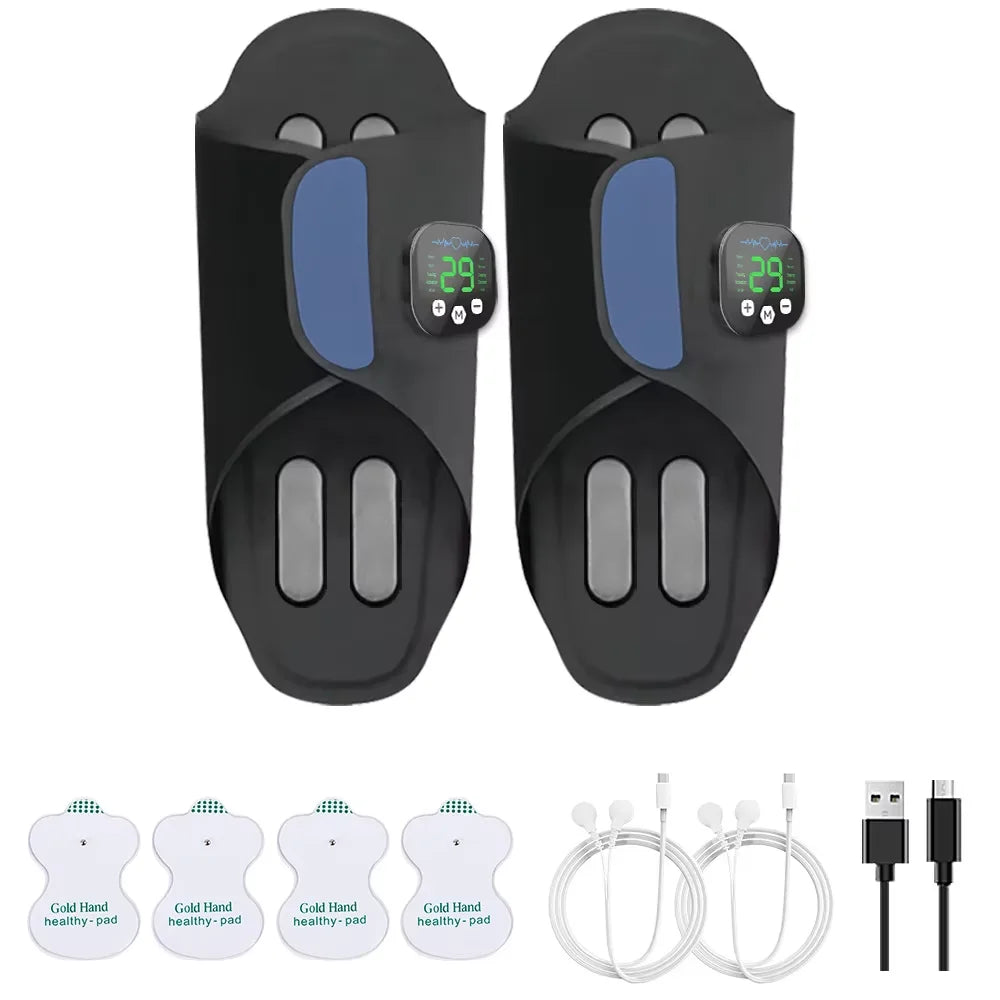
hand foot massagers for everyday comfort — See it in action
How Each Type of Foot Massager Works
Rolling & Kneading
Mechanical rollers rotate beneath the feet to stretch muscles and massage connective tissue. Premium shiatsu models create alternating pressure patterns that closely resemble hand massage.
Air Compression
Inflatable chambers gently squeeze and release the feet in cycles, encouraging circulation while providing a calming massage that is comfortable for many users.
Heat Therapy
Heating elements warm foot muscles before or during massage. Heat helps reduce stiffness and often improves the overall massage experience.
Electrical Stimulation
EMS and TENS technologies deliver controlled electrical impulses through conductive pads. Users typically experience a tingling sensation followed by rhythmic muscle contractions or nerve stimulation depending on the selected mode.
Vibration Therapy
High-frequency vibrations create gentle muscle stimulation and can help reduce feelings of fatigue after long periods of standing or exercise.
Which Type of Foot Massager Is Best for Your Needs?
Plantar Fasciitis
Roller and shiatsu foot massagers are often the best choices because they target the arch and heel where plantar fascia tightness commonly develops.
Neuropathy
People with neuropathy should consult a healthcare professional before using massage devices. If approved, gentle air compression or low-intensity vibration is generally more comfortable than aggressive kneading.
Athletes & Recovery
Shiatsu, heated, and compression massagers can help relax tired muscles after training and complement stretching and recovery routines.
Office Workers
Compact massage pads, EMS foot pads, and manual rollers fit easily under a desk for quick sessions throughout the workday.
Seniors
Many older adults prefer air compression or low-intensity heated massage because they provide comfortable pressure without excessive force.
Foot Massager Comparison Table
| Foot Massager Type | Intensity | Best Use Case | Portability | Maintenance |
|---|---|---|---|---|
| Manual Roller | Adjustable | Daily soreness | Excellent | Very low |
| Reflexology Roller | Medium | Arch massage | Excellent | Very low |
| Shiatsu | High | Deep muscle relief | Moderate | Low |
| Air Compression | Gentle to Medium | Circulation and swelling | Moderate | Low |
| Vibration | Light | Relaxation | Good | Low |
| Heated | Variable | Muscle relaxation | Moderate | Low |
| EMS/TENS | Adjustable | Muscle stimulation | Excellent | Very low |
| Foot Spa | Gentle | Home spa treatment | Limited | Moderate |
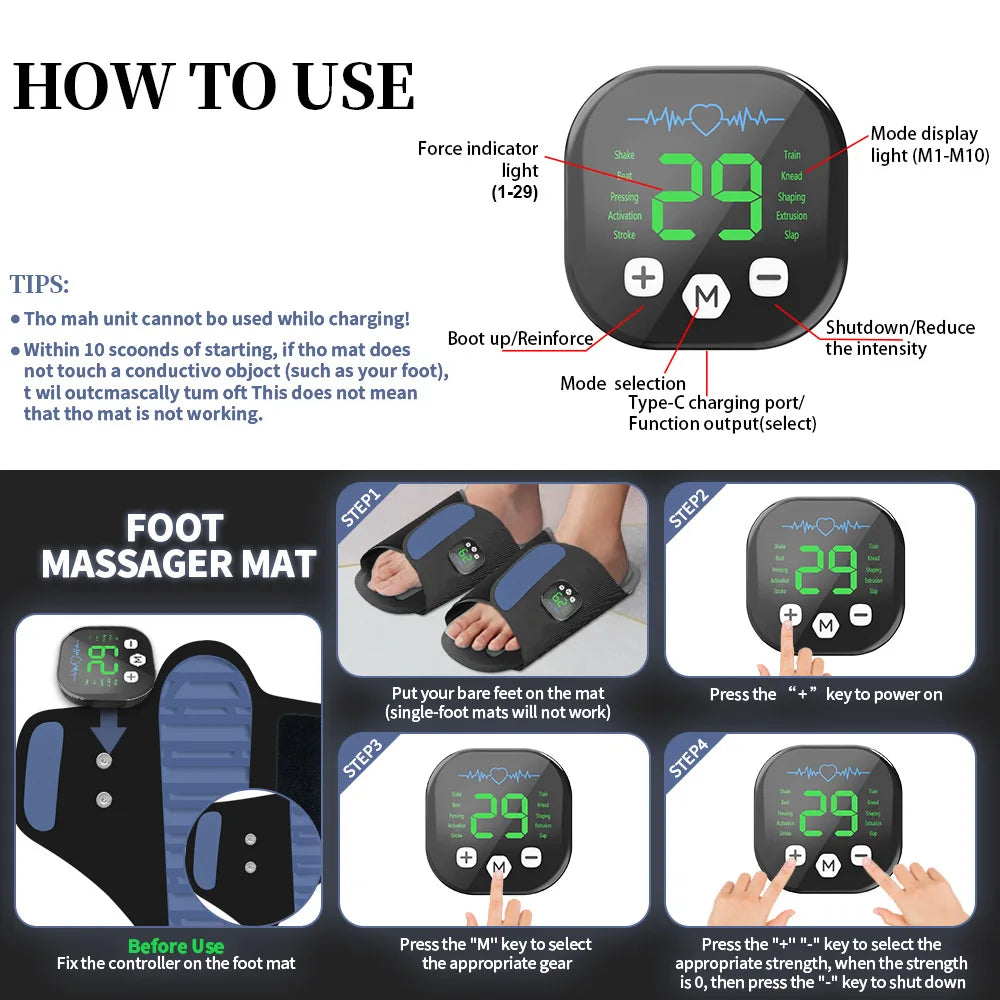
foot massage for foot pain with kneading support — See it in action
How to Choose Foot and Leg Massagers for Massage and Relaxation
Massage Style
Choose rolling or shiatsu for deeper pressure, air compression for circulation, vibration for relaxation, or EMS for muscle stimulation.
Size & Coverage
Consider whether you only need foot massage or prefer a model that also massages the ankles and calves.
Heat & Extra Features
Helpful features include adjustable intensity, automatic timers, removable washable covers, remote controls, and optional heat.
Safety Considerations
Select devices with automatic shut-off timers and adjustable settings so you can gradually increase intensity as your comfort improves.
How to Use a Foot Massager Safely
Session Length
Most users benefit from sessions lasting 10 to 20 minutes.
Frequency
Daily use is appropriate for many healthy adults, provided the massage remains comfortable and does not cause lingering pain.
People with severe circulatory disorders, open wounds, recent fractures, or certain implanted electronic medical devices should consult a healthcare provider before using EMS or intensive massage systems.
- Place the massager on a stable surface.
- Begin with the lowest comfortable setting.
- Increase intensity gradually over several sessions.
- Stop immediately if you experience significant pain, numbness, or unusual discomfort.
- Clean the device according to the manufacturer's instructions after regular use.
Pair your massage routine with stretching, hydration, and healthy movement habits. For additional self-care ideas, browse the Beauty & Self-Care Blog .
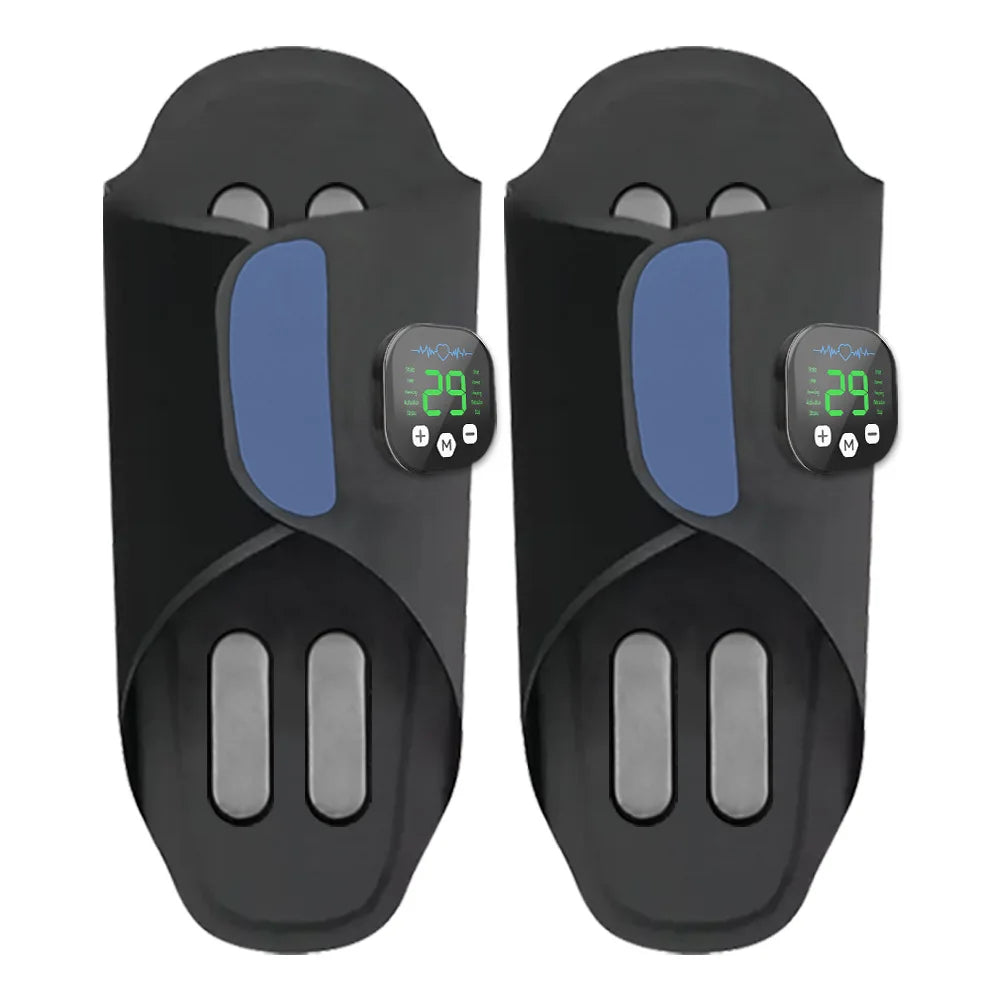
self foot massage techniques made simple — See it in action
KentDO Plantar Foot Massager Pad
Frequently Asked Questions
Which type of foot massager is best for plantar fasciitis?
Shiatsu and roller foot massagers are popular because they target the arch and heel, where plantar fascia tension is most common.
What type of massage is best for tired feet?
For general fatigue, shiatsu, heated massage, or gentle air compression provide excellent daily relief. Manual rollers are also effective after long periods of standing.
What is the difference between shiatsu and vibration foot massagers?
Shiatsu uses rotating kneading nodes that imitate hand massage, while vibration massagers create rapid oscillations that provide lighter muscle stimulation and relaxation.
Are EMS foot massagers safe to use every day?
Many healthy adults can use EMS devices daily following manufacturer recommendations. However, people with pacemakers, certain implanted medical devices, or specific health conditions should seek medical advice before use.
Which foot massager feels most like a real hand massage?
Shiatsu foot massagers with rotating kneading nodes generally provide the closest experience to a traditional hand massage.
Should I choose a manual or electric foot massager?
Manual models are affordable, portable, and easy to maintain. Electric massagers offer automated massage programs, adjustable intensity, heat, and deeper therapeutic features.
Can foot and leg massagers help improve circulation?
Air compression, gentle massage, and regular movement may temporarily promote healthy circulation and reduce feelings of heaviness in the feet and lower legs.
How long should I use a foot massager per session?
Most manufacturers recommend 10 to 20 minutes per session. Beginners should start with shorter sessions and increase duration gradually.
Related Guide: Under Desk Foot Massager: Best Fit for Office & Home Use













