Does Hand Therapy Equipment Really Work?
Yes. High-quality hand rehab equipment can improve grip strength, finger mobility, coordination, and functional hand use when it is matched to your condition and used consistently. Whether you're recovering from a stroke, hand surgery, arthritis, tendon injuries, or repetitive strain, the right hand therapy equipment provides structured exercises that encourage safe, repeatable movement and gradual strength gains.
Clinical rehabilitation programs commonly combine therapist-guided exercises with hand rehabilitation tools to improve range of motion, dexterity, and muscle activation. Modern hand therapy machines can add guided movement, adjustable assistance, and repetitive training that supports home rehabilitation between therapy sessions.
Evidence-Based Benefits
- Improves grip strength through progressive resistance training.
- Enhances finger flexibility and joint mobility with controlled movement.
- Supports coordination and fine motor skills needed for everyday tasks.
- Encourages consistent home exercise, an important factor in long-term recovery.
Who Benefits Most?
Hand therapy equipment can benefit people recovering from neurological conditions such as stroke, orthopedic injuries, tendon repairs, arthritis, carpal tunnel syndrome, fractures, or general hand weakness. Athletes, musicians, office workers, and older adults also use hand rehabilitation tools to maintain dexterity and reduce stiffness.
When Should Equipment Be Introduced?
The appropriate timing depends on your diagnosis and healthcare provider's recommendations. Early recovery often emphasizes gentle mobility exercises, while later stages gradually introduce strengthening and coordination training. Starting with the correct resistance level helps minimize discomfort while encouraging steady progress.
Quick Comparison: Best Hand Therapy Equipment at a Glance
If you're comparing options quickly, this overview highlights the best hand rehab equipment based on recovery goals, portability, resistance level, and ideal users.
| Equipment | Best For | Resistance | Portable |
|---|---|---|---|
| Smart Hand Therapy Machine | Stroke recovery and guided rehabilitation | Adjustable assistance | Moderate |
| Adjustable Grip Strengthener | Progressive strength building | Adjustable | Yes |
| Therapy Putty | Joint mobility and early rehabilitation | Multiple firmness levels | Yes |
| Finger Exerciser Bands | Finger extension and independence | Light to moderate | Yes |
| Finger Rehabilitation Device | Individual finger recovery after injury | Targeted | Yes |
Quick tip: Beginners usually achieve better results by focusing on low-resistance mobility exercises before progressing to higher-resistance grip training or assisted hand therapy machines.
Hand Rehab Equipment Review: Best Tools for Faster Recovery (2026)
Recovering hand strength requires more than simply squeezing a grip trainer. The most effective rehabilitation combines the right hand therapy equipment with consistent practice and exercises that match your stage of recovery. In this guide, you'll compare traditional rehabilitation tools, modern hand therapy machines, and practical options for improving grip strength, restoring dexterity, and supporting everyday independence.
⏱ 8 min read
Struggling to button a shirt, open a jar, type comfortably, or hold a coffee cup without dropping it?
Reduced hand strength can affect nearly every daily activity, but structured rehabilitation can often restore meaningful function over time.
We'll compare the most effective hand rehabilitation tools and explain which options work best for different recovery goals.
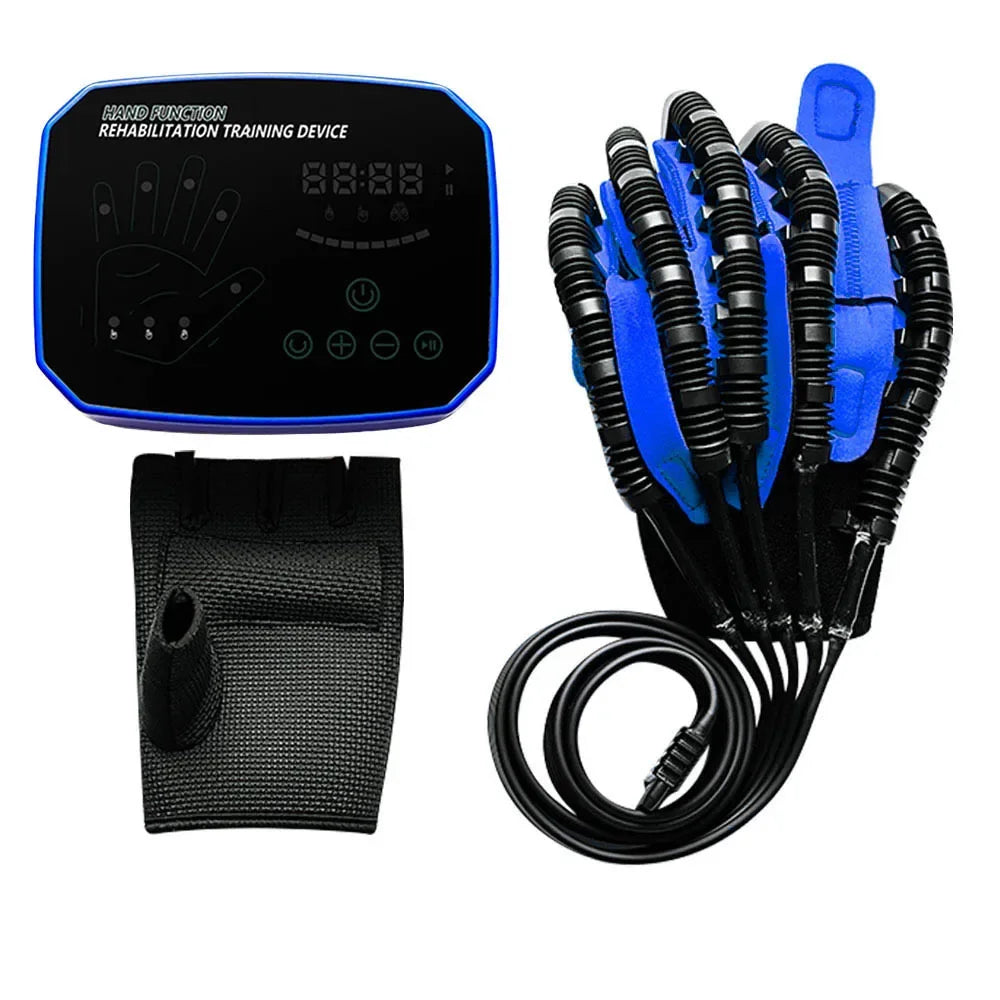
Smart hand rehab equipment designed for home recovery.
Best Hand Therapy Equipment by Condition & Goal
Best for Stroke Recovery
Smart hand therapy machines and assisted finger rehabilitation devices are designed to support repetitive movement practice, helping users perform guided flexion and extension exercises while promoting improved coordination and functional hand use. They are particularly valuable for individuals rebuilding movement patterns after neurological injury.
Best for Arthritis & Joint Stiffness
Therapy putty, soft resistance tools, and gentle finger exercisers help improve flexibility without placing excessive stress on painful joints. These options are well suited for maintaining mobility, reducing stiffness, and improving comfort during everyday activities.
Best for Grip Strength & Athletes
Adjustable grip strengtheners and resistance balls allow progressive loading as strength improves. They are useful for rebuilding hand endurance after injury and for athletes seeking stronger grip performance while maintaining balanced muscle development.
Best for Fine Motor & Finger Control
Finger exercisers and isolation devices target individual finger movement to improve dexterity, precision, and coordination. They are commonly used by musicians, office workers, and individuals recovering from nerve-related injuries that affect fine motor control.
Best for Post-Surgery Recovery
Following clearance from a healthcare professional, low-resistance hand rehabilitation tools can help restore mobility after many hand and wrist procedures. Recovery typically progresses from gentle range-of-motion exercises to strengthening as healing advances.
Best for Tendon Injury Rehabilitation
Controlled rehabilitation devices that provide gradual resistance help retrain tendon function while minimizing excessive strain. Progressive exercise plans are especially important for restoring grip strength and finger movement after tendon injuries.
In-Depth Hand Therapy Equipment Reviews
Smart Hand Therapy Machines
Smart hand therapy machines combine assisted movement with guided exercise programs to support structured rehabilitation at home. Many models incorporate programmable training modes and motion assistance, making them particularly useful for people recovering from stroke or other neurological conditions who have difficulty initiating finger movement independently.
- Pros: Guided exercises, measurable progress, adjustable assistance, consistent training sessions
- Cons: Higher initial investment and occasional setup or charging requirements
- Best for: Moderate to severe mobility limitations, neurological rehabilitation, and long-term home therapy
Grip Strength Trainers
Grip strength trainers use progressive resistance to rebuild hand power, endurance, and forearm strength. Adjustable models allow resistance to increase gradually as recovery progresses, helping users avoid advancing too quickly.
- Pros: Affordable, portable, durable, adjustable resistance
- Cons: Focuses primarily on grip strength rather than finger dexterity
- Best for: Strength rebuilding, sports rehabilitation, and later-stage recovery
Therapy Putty & Finger Exercisers
Therapy putty and finger exercisers remain staples in occupational and physical therapy because they provide gentle, low-impact resistance for improving flexibility, coordination, and finger mobility. Different resistance levels make them suitable throughout multiple recovery stages.
- Pros: Beginner-friendly, versatile, inexpensive, easy to use almost anywhere
- Cons: Progress is more difficult to measure compared with guided rehabilitation devices
- Best for: Arthritis management, early rehabilitation, mobility exercises, and dexterity training
Finger Rehabilitation Devices
Finger rehabilitation devices isolate individual fingers to improve coordination and address weakness that may remain after injury, surgery, or nerve-related conditions. They are particularly valuable when one or two fingers require additional attention.
- Pros: Targets individual fingers, improves coordination, supports balanced hand function
- Cons: Requires consistent practice to achieve noticeable improvements
- Best for: Fine motor recovery, tendon rehabilitation, and nerve injuries
Hand Exercise Balls & Flex Bars
Exercise balls and flex bars provide versatile resistance for strengthening the entire hand, wrist, and forearm. They can also help improve endurance and wrist stability while complementing more targeted rehabilitation exercises.
- Pros: Durable, portable, suitable for multiple exercise variations
- Cons: Less effective for isolated finger rehabilitation
- Best for: General strengthening, wrist conditioning, and ongoing maintenance
Why the Right Hand Therapy Equipment Speeds Recovery
Successful rehabilitation depends on gradual, repeatable movement rather than force alone. Well-designed hand therapy equipment helps users perform controlled exercises that improve range of motion, rebuild grip strength, and restore dexterity while minimizing unnecessary strain.
Using equipment that matches your current recovery stage also makes it easier to progress safely as strength and coordination improve.
How Poor Equipment Slows Progress
- ❌ Uneven or inconsistent resistance that increases unnecessary strain
- ❌ Poor ergonomics that encourage uncomfortable hand positioning
- ❌ Limited adaptability as strength improves over time
- ❌ Inconsistent movement patterns that reduce exercise quality
How Progressive Resistance Supports Recovery
- ✅ Gradually increases workload as grip strength improves
- ✅ Promotes safe improvements in strength and endurance
- ✅ Supports better finger control and functional hand use
- ✅ Helps prevent plateaus by matching exercise difficulty to recovery progress
OT & PT Best Practices
Occupational and physical therapists typically recommend short, consistent exercise sessions instead of infrequent, high-intensity workouts. Combining mobility exercises with progressive strengthening and adequate recovery time generally produces better long-term improvements in flexibility, coordination, and daily function.
Compare: Traditional vs Smart Hand Therapy Equipment
Traditional rehabilitation tools and smart hand therapy machines both play valuable roles in home rehabilitation. The best choice depends on your condition, recovery goals, desired level of guidance, and budget.
| Feature | Traditional Tools | Smart Hand Therapy Machines |
|---|---|---|
| Cost | Lower initial investment | Higher upfront cost |
| Guided Training | User-directed | Assisted programs and structured sessions |
| Progress Tracking | Usually manual | Often includes measurable performance tracking |
| Home Use | Simple and portable | Ideal for structured daily rehabilitation |
| Best For | General strengthening and maintenance | Neurological recovery and guided home therapy |
Key difference: Traditional tools emphasize independent exercise with simple equipment, while a hand therapy machine provides guided movement and more structured rehabilitation for users who benefit from additional assistance.
For many people, combining both approaches delivers the best results—using guided equipment for structured rehabilitation sessions and traditional tools for regular mobility and strengthening exercises throughout the week.
One option is the Rehabilitation Robot Glove Hand Recovery, which assists natural finger flexion and extension to support repetitive rehabilitation exercises at home.
Recovery Scenarios by Condition
Post-Stroke Home Recovery
A 62-year-old individual incorporated a smart hand therapy machine into a therapist-approved home exercise program. After approximately eight weeks of consistent daily practice, grip strength improved, finger coordination became more reliable, and everyday tasks such as holding utensils and buttoning clothing became easier to perform.
Carpal Tunnel Syndrome
A 41-year-old office worker completed 15-minute sessions using therapy putty and finger exerciser bands. Within four weeks, stiffness decreased, typing became more comfortable, and hand fatigue during extended computer work was noticeably reduced.
Arthritis Management
An older adult experiencing morning hand stiffness followed a routine combining gentle mobility exercises with therapy putty and soft resistance tools. Gradual improvements in flexibility helped make household tasks such as opening containers and turning doorknobs more comfortable.
Post-Fracture Rehabilitation
Following medical clearance, a patient recovering from a wrist fracture progressed from range-of-motion exercises to light grip strengthening and finger coordination training. Gradually increasing resistance helped restore functional hand strength without overloading healing tissues.
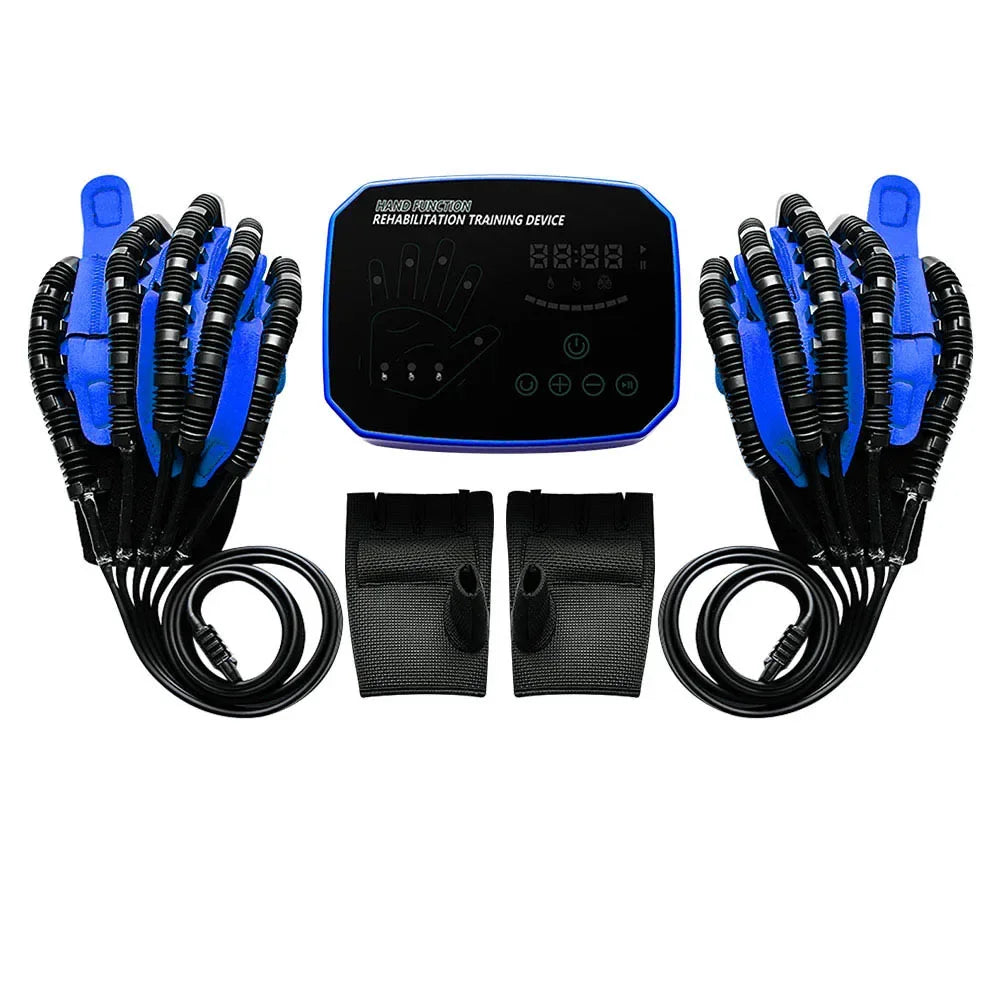
Modern hand therapy equipment supporting consistent home rehabilitation.
How to Choose the Best Hand Therapy Equipment
Choose by Condition
Select equipment that matches both your diagnosis and rehabilitation goals. Neurological conditions such as stroke often benefit from assisted movement devices, while muscle weakness, tendon recovery, or sports rehabilitation generally respond well to progressive resistance tools. Individuals with arthritis usually benefit most from gentle mobility-focused equipment that minimizes joint stress.
Choose by Recovery Stage
Recovery typically progresses through several phases. Early rehabilitation emphasizes flexibility and range of motion, followed by gradual strength building and eventually exercises that improve endurance, dexterity, and coordination. Choosing equipment with adjustable resistance allows your program to progress safely over time.
- Ergonomic design: Comfortable grips and natural hand positioning reduce unnecessary strain.
- Adjustable resistance: Supports progressive strengthening as function improves.
- Easy cleaning: Smooth, durable materials simplify regular hygiene and maintenance.
- Portability: Lightweight equipment encourages consistent use at home, work, or while traveling.
- Build quality: Durable construction withstands daily rehabilitation sessions.
Equipment Selection Flowchart
- Limited finger movement after stroke? → Choose an assisted hand therapy machine.
- Mild weakness or reduced grip? → Start with an adjustable grip strengthener.
- Joint stiffness or arthritis? → Begin with therapy putty or gentle finger exercisers.
- Need better finger coordination? → Use finger rehabilitation devices or isolation trainers.
- Building long-term strength? → Add resistance balls or progressive grip trainers.
Devices found within Body Care and Health Devices collections often combine ergonomic designs with durable construction suitable for long-term home rehabilitation.
For those building consistent wellness habits, complementary products from the Lifestyle collection can help support an overall recovery routine.
How to Use Hand Rehab Equipment Safely
Beginner Routine
- Warm up: Perform gentle finger and wrist stretches or use therapy putty for 3–5 minutes.
- Mobility exercises: Complete slow, controlled finger flexion and extension movements.
- Light strengthening: Use low-resistance equipment for one or two sets with comfortable repetitions.
- Cool down: Finish with relaxed stretching to reduce stiffness.
Intermediate Progression
Once exercises become comfortable and pain-free, gradually increase resistance or repetitions while maintaining proper technique. Focus on balanced training that develops grip strength, finger independence, and wrist stability together.
Advanced Strength & Dexterity
Advanced users can combine grip trainers, finger rehabilitation devices, and coordination exercises within the same session. Include rest days when needed to allow muscles and connective tissues to recover.
General guideline: Aim for 10–20 minutes of focused hand therapy on most days of the week. Consistent, moderate exercise is typically more effective than occasional high-intensity sessions.
Stop exercising and seek professional guidance if you experience increasing pain, significant swelling, numbness, or a sudden loss of hand function during rehabilitation.
Cleaning, Maintenance & Replacement
Proper care helps hand rehabilitation tools remain safe, comfortable, and effective throughout long-term use. Regular cleaning also reduces the buildup of sweat, dust, and bacteria, particularly on equipment used every day.
- Wipe hard plastic and silicone surfaces with a soft damp cloth after each session.
- Clean reusable accessories according to the manufacturer's instructions.
- Store equipment in a cool, dry place away from direct sunlight.
- Inspect straps, springs, resistance components, and moving parts regularly for signs of wear.
- Replace damaged or worn equipment promptly to maintain consistent resistance and user safety.
Pros and Cons of Hand Therapy Equipment
- Pros: Improves grip strength, increases range of motion, supports home rehabilitation, promotes consistent exercise, and may reduce the number of in-person therapy visits required.
- Cons: Requires regular use for meaningful progress, recovery varies by condition, and advanced hand therapy machines generally cost more than basic rehabilitation tools.
Final Verdict: Which Hand Therapy Equipment Is Worth It?
The best hand rehab equipment depends on your diagnosis, stage of recovery, and rehabilitation goals. Individuals rebuilding movement after stroke or significant neurological injury often benefit most from guided hand therapy machines, while grip strengtheners, therapy putty, and finger exercisers remain excellent choices for improving strength, flexibility, and dexterity during everyday home rehabilitation.
Best overall approach: Combine mobility, strengthening, and coordination exercises using equipment that matches your current ability, increasing resistance gradually as your hand function improves.
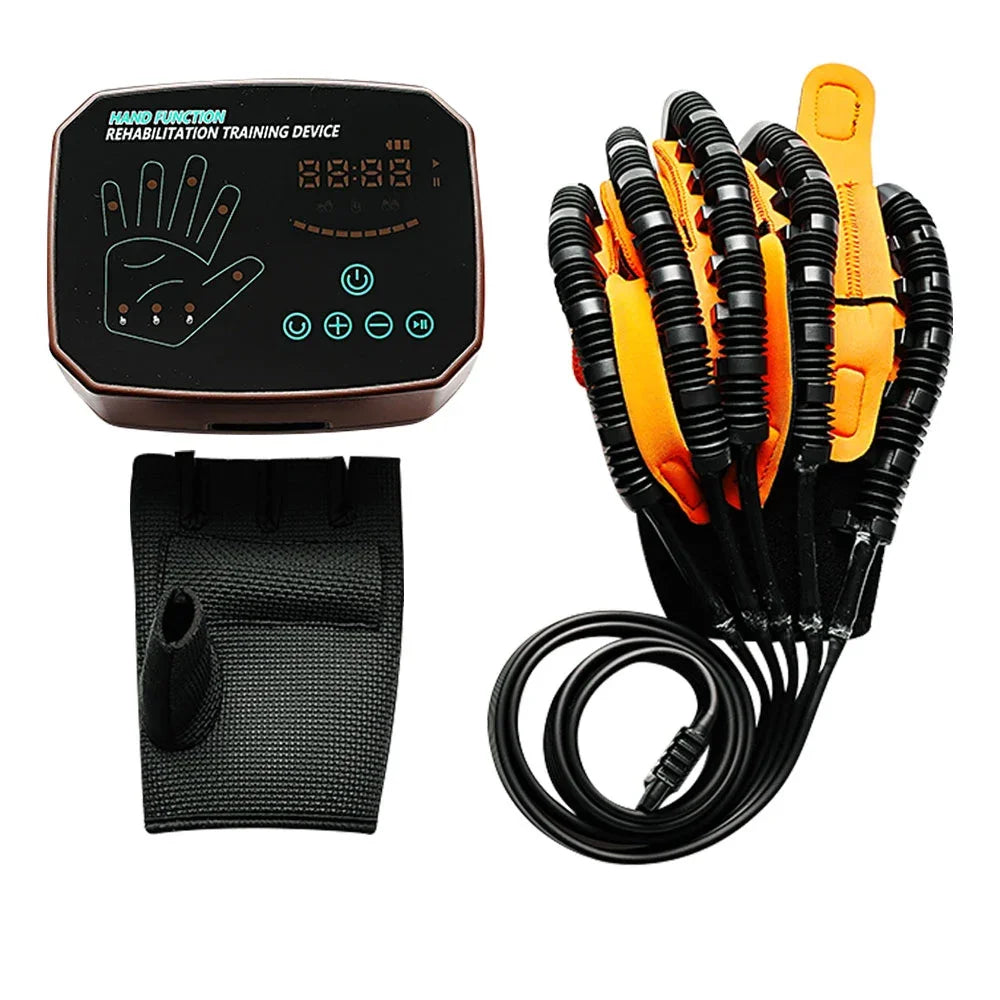
Advanced hand therapy equipment designed to support structured home rehabilitation.
Frequently Asked Questions
How long does hand therapy equipment take to work?
Many users notice improved flexibility, reduced stiffness, and smoother movement within two to three weeks of consistent practice. Grip strength, endurance, and coordination often require six to eight weeks or longer, depending on the condition, exercise program, and adherence.
Is a hand therapy machine better than manual exercises?
Hand therapy machines provide guided, repeatable movement that can be especially beneficial for moderate to severe weakness or neurological recovery. Manual exercises remain important, and combining both approaches often produces the best long-term outcomes.
Can I use hand rehab equipment without supervision?
Many home hand therapy equipment options are designed for independent use. However, people recovering from surgery, stroke, fractures, or complex neurological conditions should seek guidance from a healthcare professional before beginning a rehabilitation program.
How often should I perform hand therapy exercises?
Most rehabilitation programs recommend short sessions of approximately 10 to 20 minutes on most days of the week. Consistent practice with adequate rest is generally more effective than occasional high-intensity workouts.
Which equipment is best after stroke?
Assisted hand therapy machines and finger rehabilitation devices are commonly recommended because they support repetitive, controlled movement while helping improve coordination and functional hand use. The ideal choice depends on your level of impairment and your therapist's recommendations.
Can hand therapy equipment help arthritis?
Yes. Low-resistance rehabilitation tools such as therapy putty and gentle finger exercisers can help improve joint mobility, reduce stiffness, and maintain hand function when used consistently and comfortably.