

Handheld Fan for Commuting: How to Choose the Right One
A handheld fan for commuting can make hot walks, crowded trains, bus rides, and outdoor waits much more comfortable. But the best fan for daily travel is not necessarily the one with the strongest airflow. During a commute, size, weight, noise, battery needs, charging convenience, controls, and whether you need hands-free cooling can matter just as much as airflow.
A fan that works well beside a desk may feel inconvenient when you are carrying a bag, standing on public transportation, or moving through a crowded station. The right choice depends on how you actually travel and how often you expect to use the fan.
What Is the Best Fan for Commuting?
The best commuting fan is the one that matches your travel environment. A compact handheld fan is a strong choice when you want direct personal airflow and easy storage. A neck or wearable fan can be more convenient when keeping both hands free is the priority.
Quick recommendation by commuting style
- Short walking commutes: Choose a lightweight handheld fan that is easy to carry and point toward your face or upper body.
- Buses, trains, and subways: Prioritize compact storage, manageable noise, simple controls, and comfortable personal airflow in close spaces.
- Cycling and active commuting: Hands-free cooling may be more practical, but the fan should never interfere with steering, braking, visibility, or other essential riding tasks.
- Long or multi-stage commutes: Pay close attention to expected battery runtime and how easily the fan can be recharged during the day.
- Crowded commutes: A small, lightweight fan can be more useful than a larger design with maximum airflow because it is easier to carry and position.
Handheld vs. neck vs. wearable fans at a glance
- Handheld fan: Best for direct, adjustable airflow and compact storage, but it occupies one hand while in use.
- Neck fan: Best when hands-free cooling is important, although fit, comfort, noise, and bulk can vary between designs.
- Wearable fan: Useful for hands-free personal cooling when you need airflow positioned on or around the body during active travel.
Handheld vs. Neck vs. Wearable Fans for Commuting
The biggest decision is not simply which fan is most powerful. It is which form factor creates the fewest inconveniences during your commute. Think about what your hands are doing, how crowded your route is, how long you travel, and where you can safely position the airflow.
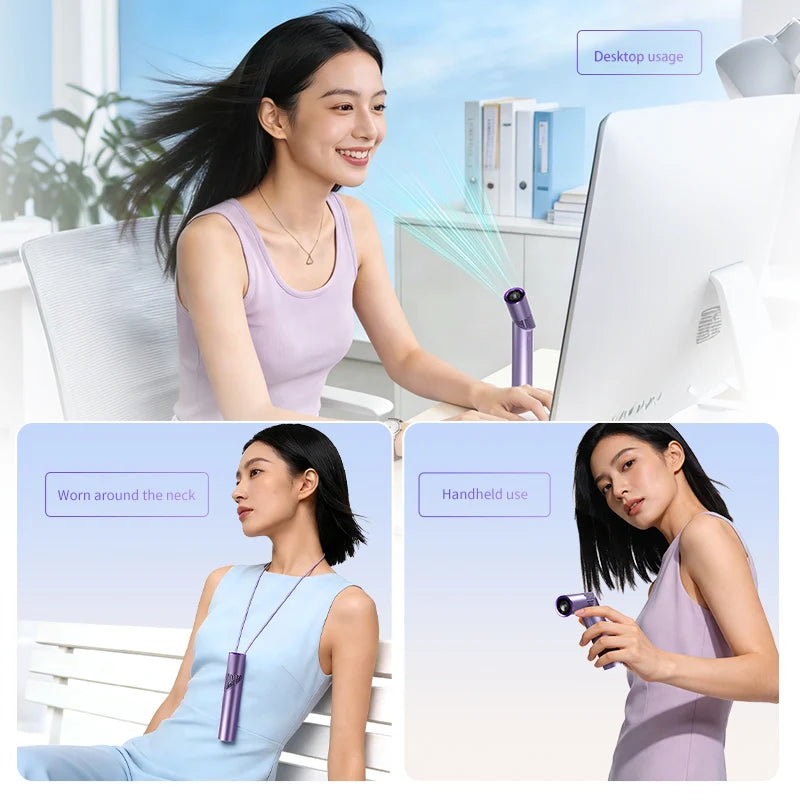
Handheld fans
A handheld fan gives you direct control over airflow. You can point it toward your face, neck, or another comfortable area and move it as your surroundings change. Compact models can also be stored in a bag when you are not using them.
The main trade-off is that a handheld design normally requires one hand while operating it. That may be perfectly acceptable during a walk or while waiting for transportation, but less convenient when carrying luggage, holding a phone, or managing other items.
Neck fans
Neck fans are designed around hands-free cooling. This can be valuable when commuting because you do not need to keep holding the device. They can be particularly useful for people who walk for longer periods or frequently carry bags.
However, hands-free does not automatically mean better. Neck-mounted designs can feel less comfortable depending on clothing and fit, and some models may produce noticeable operating noise. Consider comfort and the environment in which you will use the fan rather than choosing solely because it is wearable.
Wearable fans
Wearable fans provide another hands-free approach to personal airflow. Their usefulness depends heavily on positioning and the activity involved. For active commuting, the most important consideration is that the device does not interfere with movement, visibility, or safe operation of equipment such as a bicycle.
Which fan type fits your commute?
Choose a handheld fan when direct airflow, compactness, and flexible positioning are your main priorities. Choose a neck or wearable fan when keeping both hands available is more important than having a fan you can freely point in different directions.
If your commute changes from day to day, a foldable handheld design can provide useful flexibility because it can function as a handheld or nearby personal cooling device and can be stored more easily when not in use.
7 Features That Matter Most in a Commuting Fan
1. Portability and weight
Portability is one of the most important characteristics of a commuting fan. A device that feels fine at home can become annoying when carried every day. Look for a compact body, manageable weight, a comfortable grip, and a design that fits naturally into your bag or other daily essentials.
A foldable design can be particularly practical because it can reduce the space needed for storage and make it easier to move between handheld and nearby use.
2. Airflow and cooling performance
Personal cooling depends on useful airflow rather than the size of the fan alone. A commuting fan should direct air toward the area where you want relief. Adjustable positioning is valuable because your needs may change between walking outdoors, sitting at a station, and riding public transportation.
Do not assume that the highest airflow setting is always the best setting. A lower setting may provide adequate comfort while producing less noise and using less power.
3. Battery life
Battery requirements should be based on how long you actually expect to run the fan, not simply the total length of your commute. Someone traveling for an hour may only use the fan during hot outdoor portions, while another commuter may need airflow throughout several stages of a journey.
Also remember that higher fan speeds generally require more power. If runtime is important, consider how often you will use stronger airflow versus lower settings.
4. Charging convenience
Charging flexibility becomes increasingly important for long or multi-stage travel. A commuter who spends most of the day away from home benefits from a fan that fits naturally into their existing charging routine.
Do not assume that every portable fan uses the same charging connector or charging system. Check the manufacturer's specifications before buying if a particular charging method is essential to your routine.
5. Noise level
Noise matters more during commuting than many shoppers expect. A fan may be comfortable outdoors but distracting in an office, quiet train carriage, bus, waiting area, or other close environment.
When possible, consider how the fan sounds at the speed you are most likely to use. Maximum airflow is not always the setting you will want in a quiet environment.
6. Controls and speed settings
Simple controls are useful when you are walking or traveling. You should be able to adjust airflow without creating unnecessary distractions. Multiple speed settings can also help you balance cooling comfort, noise, and power consumption.
7. Durability and everyday handling
A commuting fan is likely to spend time in bags, on desks, in pockets or other storage spaces, and in your hand. Everyday handling therefore matters. Consider the construction, folding mechanism, controls, and how easily the fan can be stored between uses.
For example, the portable handheld fan described for this guide uses an ABS plastic body and a compact foldable design. Its stated construction includes a plastic fan cover and plastic fan rib, making it a lightweight-style option intended for everyday portability.
How to Choose a Handheld Fan for Your Commute
The simplest way to choose a handheld fan for commuting is to start with your route rather than with a product specification. Identify where you experience the most heat and what you will be doing while using the fan.
For short walking commutes
Prioritize low carrying burden, direct airflow, and convenient controls. If you only need cooling during a short outdoor walk, you may not need the largest battery or the most complicated feature set. A compact fan that is easy to grab and put away can be more useful.
For buses, trains, and subways
Public transportation creates different requirements. You may be surrounded by other passengers, have limited space, and need to keep your belongings close. Compact storage and manageable noise can therefore become more important than maximum airflow.
A small foldable fan can be convenient because it can be stored when you board, then used for personal airflow when conditions become uncomfortable.
For cycling and active commuting
Active travel requires an additional safety consideration. A fan should never interfere with your ability to control a bicycle or maintain visibility. If you need both hands for safe cycling, a handheld fan is not appropriate while riding. A hands-free design may be more suitable only when it can be used without interfering with safe operation.
For long or multi-stage commutes
Long travel days make runtime and charging more important. Estimate how many minutes you will actually use the fan across the entire journey and leave some margin rather than planning around the minimum possible runtime.
For crowded commutes
When space is limited, compactness becomes a major advantage. A small fan is easier to store and position without extending far into the space around you. Low noise can also improve comfort when people are nearby.
How Much Battery Life Do You Need for Commuting?
There is no single battery-runtime target that works for every commuter. The better approach is to match expected runtime to your actual fan use and your charging opportunities.
Match runtime to your daily travel time
Separate commute duration from fan operating time. If you travel for 90 minutes but only expect to use the fan outdoors for 30 minutes, your requirements are different from someone who wants continuous airflow for the entire journey.
Why speed settings change battery life
Higher airflow generally requires more electrical power. If you regularly use a higher setting, expect greater power consumption than when using lower airflow. Adjustable speeds can therefore help you manage comfort and power use according to the environment.
When flexible charging is especially useful
Charging flexibility is valuable when a commute involves multiple destinations. Before purchasing, verify the actual charging specifications of the fan rather than assuming a particular connector or charging method is included.
Practical Ways to Stay Cool While Commuting in Hot Weather
A portable fan works best as one part of a broader personal cooling strategy. A fan can improve comfort by moving air across the skin, but it should not be treated as a replacement for sensible heat-management habits.
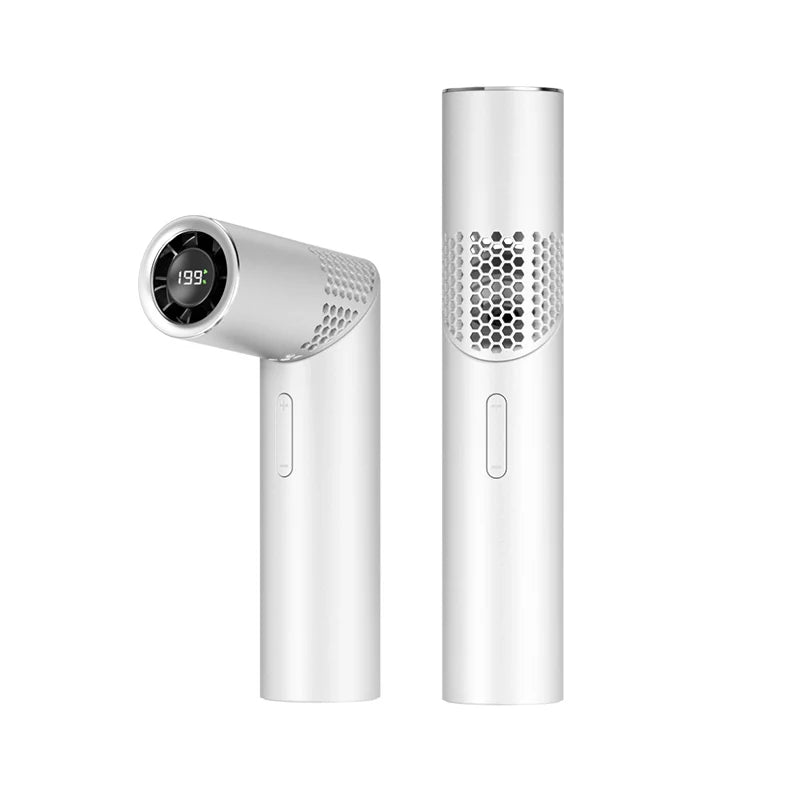
Use airflow strategically
Position the airflow where it provides the most useful personal comfort. During an outdoor walk, you may want direct airflow toward your face and neck. In a stationary setting, positioning the fan nearby can provide personal airflow without requiring you to hold it continuously.
Choose breathable clothing
Lightweight, breathable clothing can complement fan-based cooling. Clothing that allows heat and moisture to move away from the body can make airflow feel more comfortable during hot travel.
Carry water and plan around heat exposure
Hydration and sensible planning remain important during hot weather. When possible, use shaded routes, take breaks from prolonged heat exposure, and avoid unnecessary time in direct sun when conditions are particularly hot.
Use the fan before overheating
It is often more practical to use a personal fan as soon as the environment becomes uncomfortable rather than waiting until you feel significantly overheated. A fan is a comfort tool that can support your overall approach to hot-weather travel; it is not a substitute for appropriate heat-safety practices.
Commuting Fan Buying Checklist
Before choosing a portable fan, evaluate the features that directly affect your commute rather than buying based on generic claims about fan performance.
Before you buy, check these specifications
- Portability: Is the fan compact enough for your everyday bag?
- Weight: Will holding or carrying it become inconvenient during a full travel day?
- Airflow: Can it provide useful personal airflow for your typical environment?
- Battery: Does the expected runtime match your actual fan usage?
- Charging: Does its charging method fit your existing routine?
- Noise: Will the operating sound be acceptable on public transportation or in close spaces?
- Controls: Can you operate and adjust it conveniently while traveling?
- Storage: Does the design make it easy to put away when you no longer need cooling?
- Durability: Is the construction appropriate for repeated everyday handling?
When to choose a handheld fan instead of a neck fan
Choose a handheld model when you value direct airflow, flexible positioning, and compact storage more than hands-free operation. Choose a neck fan when keeping your hands free is a consistent priority and the fit, comfort, and noise characteristics work for your environment.
For shoppers looking for a compact option, the Portable Handheld Fan | Foldable Cooling Comfort for Travel! is designed around portability and flexible personal airflow. Its stated benefits include a compact ABS construction, foldable design, and use as a handheld, desktop, or neck-hanging personal cooling fan. The product is available in white, grey, and purple.
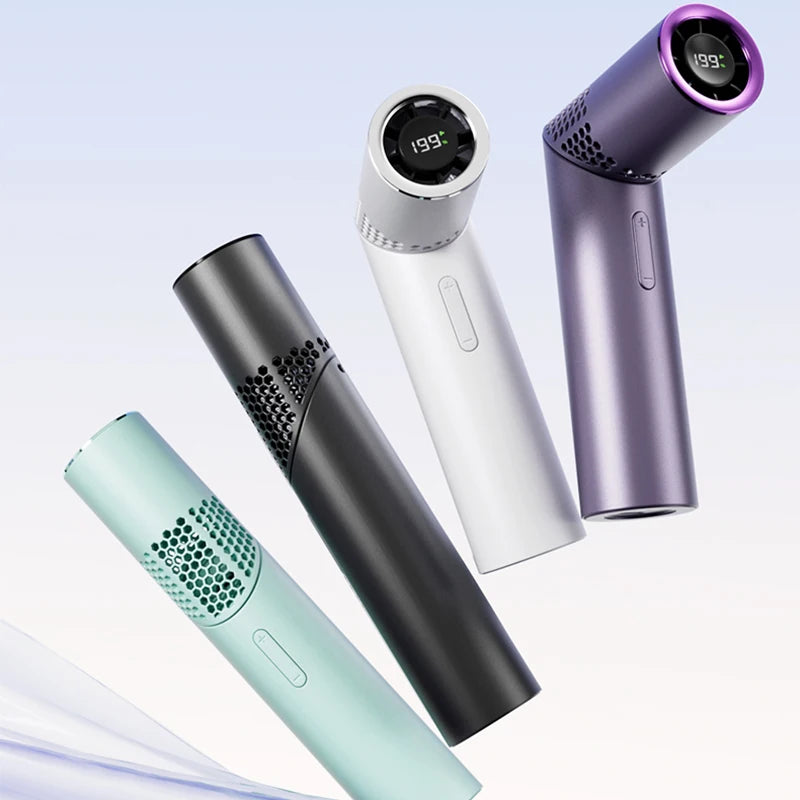
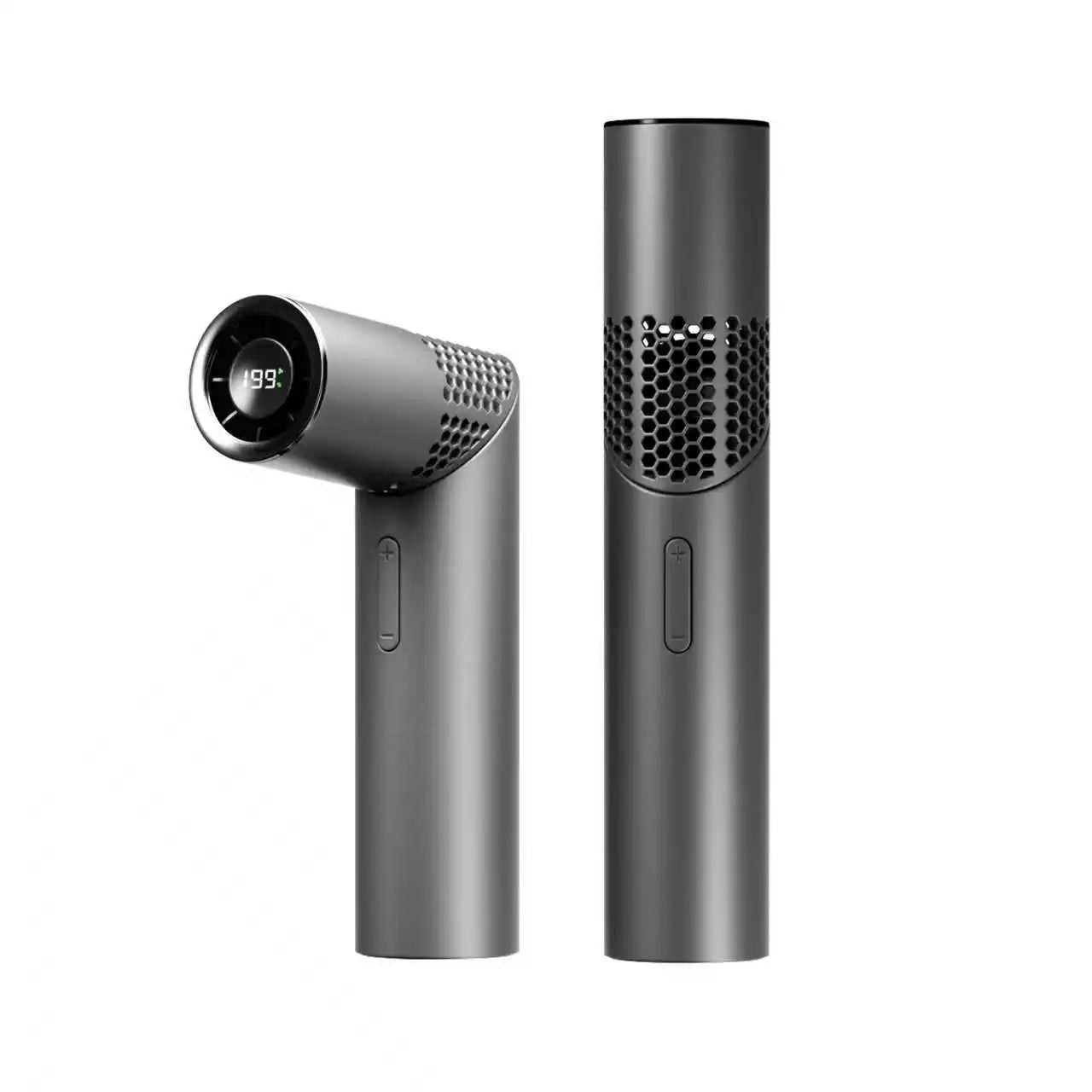
If a compact personal cooling format fits your commute, you can explore this foldable portable handheld fan as one option rather than treating it as a universal choice for every commuter.
Which Commuting Fan Is Right for You?
The right commuting fan depends on where, how, and how long you travel. For short walks, a lightweight handheld fan can provide convenient direct airflow. For trains and buses, compact storage and manageable noise may matter more. For active commuting, hands-free designs can be worth considering when they do not interfere with safe movement. For long travel days, actual operating time and charging opportunities deserve closer attention.

The key is to evaluate the complete commuting experience instead of choosing solely by airflow. A fan that is easy to carry, simple to position, comfortable to use, and suitable for your surroundings can provide more practical value than a larger fan that becomes inconvenient to bring along.
For everyday travel, a compact foldable design can be especially useful when you want personal airflow without carrying a bulky traditional fan. The goal is simple: choose the form factor and features that make staying comfortable easier throughout the parts of your commute where heat is most noticeable.
Pillar Article: Best Portable Handheld Fan for Travel: 2026 Tested Picks













