

Does a handheld percussion massage gun really work?
A handheld percussion massage gun uses rapid, repeated pulses to stimulate soft tissue and muscles. This type of percussion therapy may help temporarily reduce muscle soreness, improve circulation to treated areas, and support recovery after exercise or prolonged physical activity. Many people notice reduced muscle tightness after a short session, although results vary depending on the individual, activity level, and the cause of discomfort.
Research suggests percussion massage can be a useful addition to a recovery routine by promoting relaxation, maintaining range of motion, and reducing the sensation of delayed-onset muscle soreness (DOMS). While it is not a treatment for injuries or medical conditions, it can be an effective self-care tool for healthy adults looking to recover more comfortably between workouts or after long hours at a desk.
⏱ 6 min read
Handheld Percussion Massage Gun Benefits for Muscle Recovery and Daily Relief
Whether you're recovering from an intense workout, easing stiffness after a long workday, or preparing your muscles before exercise, a handheld percussion massage gun offers a convenient way to target tight muscles at home. With adjustable speeds, interchangeable massage heads, and portable designs, it can become a practical part of a consistent recovery routine.
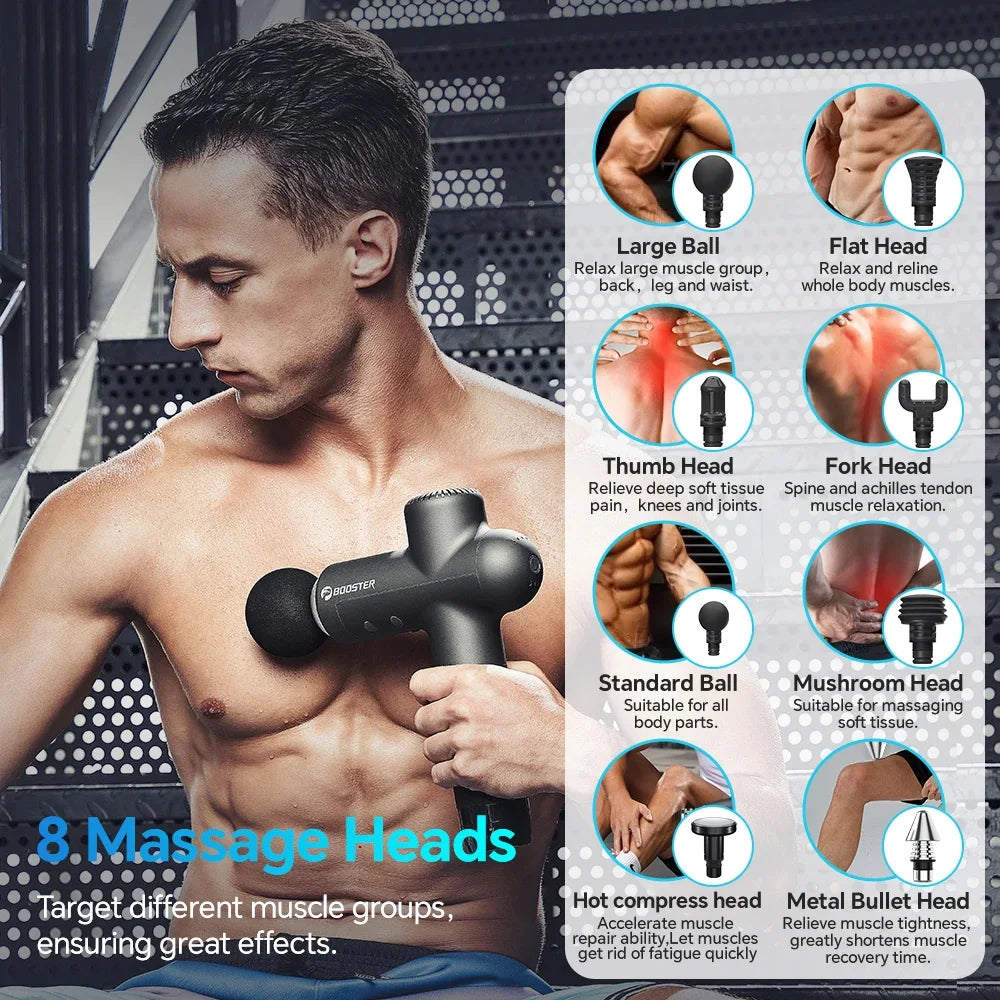
Experience targeted muscle relief with a handheld percussion massage gun.
Why a Handheld Percussion Massage Gun Works So Fast
Percussion massage works by delivering rapid, controlled bursts of pressure into muscle tissue. These repetitive movements stimulate the muscles without requiring sustained pressure, making it easier to treat areas that commonly become tight, such as the shoulders, calves, quadriceps, glutes, and upper back.
The benefits come from several recovery mechanisms working together:
- Increases blood flow to the treated muscles, delivering oxygen and nutrients.
- Helps relax tight muscle fibers after repetitive movement or prolonged sitting.
- Provides temporary pain relief by stimulating sensory receptors in the muscles.
- Improves flexibility and range of motion when used before stretching or exercise.
Although a massage gun cannot repair injuries or replace rehabilitation, it can make everyday recovery more comfortable and efficient when used consistently as part of an overall mobility routine.
Features That Deliver Real Results
Deep-Tissue Precision
A quality massage gun combines adequate stall force, amplitude, and interchangeable massage heads to target different muscle groups. Round heads are often used for larger muscles, while bullet or flat attachments provide more focused treatment for smaller areas.
Ergonomic Design
An ergonomic handle helps you comfortably reach the neck, shoulders, lower back, and legs without placing unnecessary strain on your wrists. Lightweight models are particularly helpful for longer sessions or users with limited grip strength.
Battery Performance
Reliable battery life allows multiple recovery sessions between charges. Many modern massage guns provide several hours of use depending on the selected speed, making them suitable for home, gym, or travel use.
Adjustable Speed Settings
Different muscle groups and recovery goals benefit from different speeds.
- Low speed: warm-up, relaxation, and sensitive muscles.
- Medium speed: everyday muscle tension and recovery.
- High speed: larger muscle groups after intense training.
- Variable modes: customize treatment based on comfort and muscle condition.
Explore more recovery tools in Body Care and Health Devices to build a complete routine.
How Powerful Should a Massage Gun Be?
Power is determined by several specifications—not just motor strength. Stall force indicates how much pressure the device can withstand before slowing, while amplitude measures how deeply the massage head travels into the muscle. Speed settings control how quickly each percussion is delivered.
| User Type | Recommended Power | Best Use |
|---|---|---|
| Beginners | 20–30 lbs stall force | Light recovery and daily relaxation |
| Active lifestyle | 30–45 lbs stall force | Regular exercise recovery and muscle maintenance |
| Athletes | 45–60 lbs stall force | Deep muscle treatment after high-intensity training |
If you're choosing your first massage gun, a mid-range model with multiple speed settings typically offers the best balance of comfort and versatility. Higher power is not always better—using the appropriate setting for the muscle being treated usually delivers better results.
Benefits You'll Feel After First Use
Many people notice positive changes after a single session, especially when treating muscles that feel tight from exercise or prolonged sitting. Immediate effects are typically related to comfort and mobility, while long-term improvements depend on regular use.
- Reduced feeling of muscle tightness
- Temporary relief from post-workout soreness
- Improved joint mobility before stretching
- Greater relaxation after a physically demanding day
- More comfortable movement during daily activities
Using a massage gun before exercise may help prepare muscles for movement, while using it afterward can support recovery by reducing muscle stiffness. Results are generally most noticeable when combined with proper hydration, stretching, sleep, and balanced training.
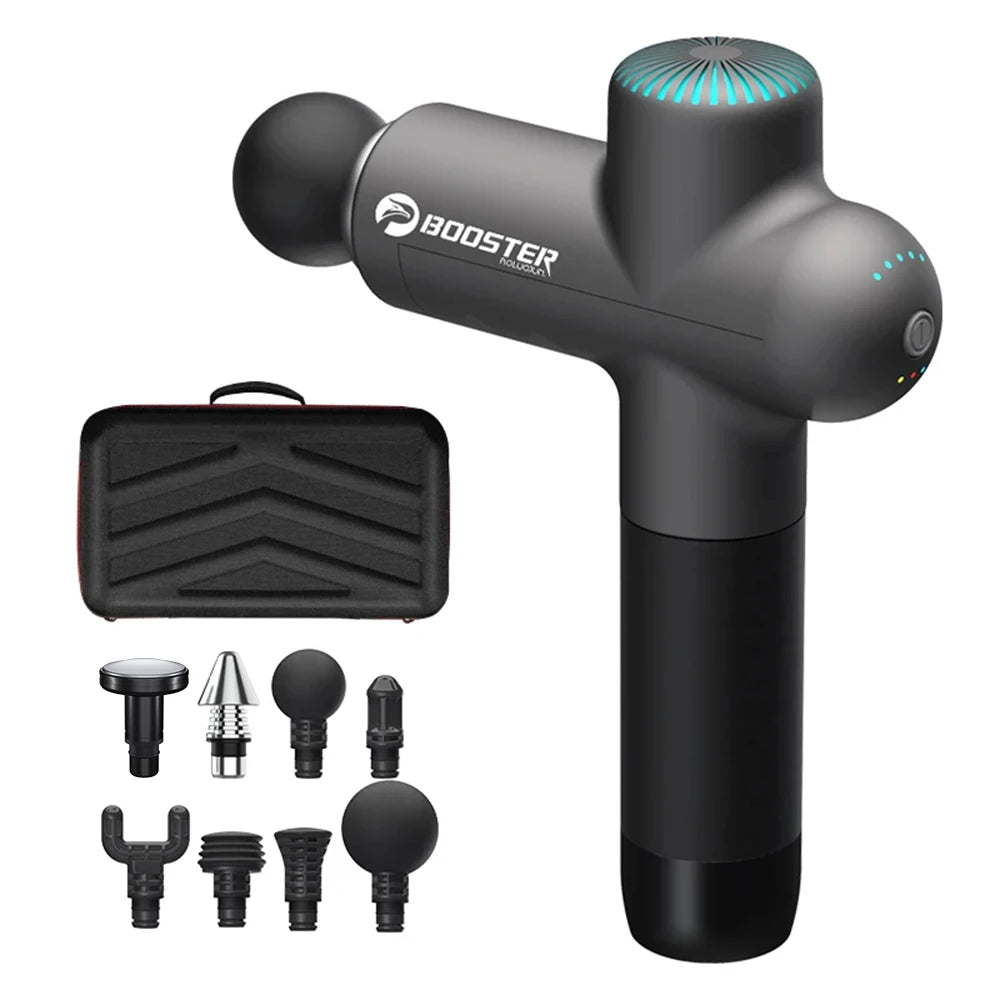
Target larger muscle groups with adjustable percussion settings.
Massage Gun vs Traditional Recovery Tools
| Recovery Tool | Best For | Advantages | Limitations |
|---|---|---|---|
| Massage Gun | Targeted muscle recovery | Portable, precise, adjustable intensity | Requires proper technique |
| Foam Roller | Large muscle groups | Affordable and effective for broad pressure | Less precise and requires body positioning |
| Manual Massage | Personalized treatment | Professional assessment and technique | Higher ongoing cost |
| Heat Therapy | General muscle relaxation | Comfortable and easy to apply | Does not provide deep mechanical stimulation |
Each recovery method has its strengths. Many people combine stretching, heat therapy, foam rolling, and percussion massage to create a more complete recovery routine rather than relying on a single tool.
How to Use It for Maximum Results
- Begin with the lowest comfortable speed.
- Glide the massage head slowly across the muscle instead of pressing firmly.
- Spend about 30 to 90 seconds on each muscle group.
- Pause briefly over areas of tightness without applying excessive pressure.
- Avoid bones, joints, bruises, open wounds, and areas of acute injury.
- Stop if you experience sharp pain or unusual discomfort.
Short sessions of 5 to 10 minutes are often sufficient for most users. Consistency is generally more beneficial than long or aggressive treatments.
Real User Results and Feedback
Users commonly report that percussion massage helps them feel less stiff after workouts, long commutes, or extended desk work. Athletes often use massage guns as part of their warm-up and cooldown routines, while office workers appreciate the convenience of treating neck and shoulder tension at home.
Common experiences include:
- Improved comfort after strength training or running.
- Greater flexibility before stretching.
- Reduced muscle tightness after long periods of sitting.
- Convenient recovery without scheduling professional appointments.
It's also important to set realistic expectations. Massage guns provide temporary symptom relief and recovery support, but they are not designed to diagnose or treat injuries, chronic pain conditions, or persistent musculoskeletal problems. If pain continues or worsens, consult a qualified healthcare professional.
Ready to upgrade your recovery routine? Try the electric massage gun deep tissue relief for targeted muscle recovery at home.
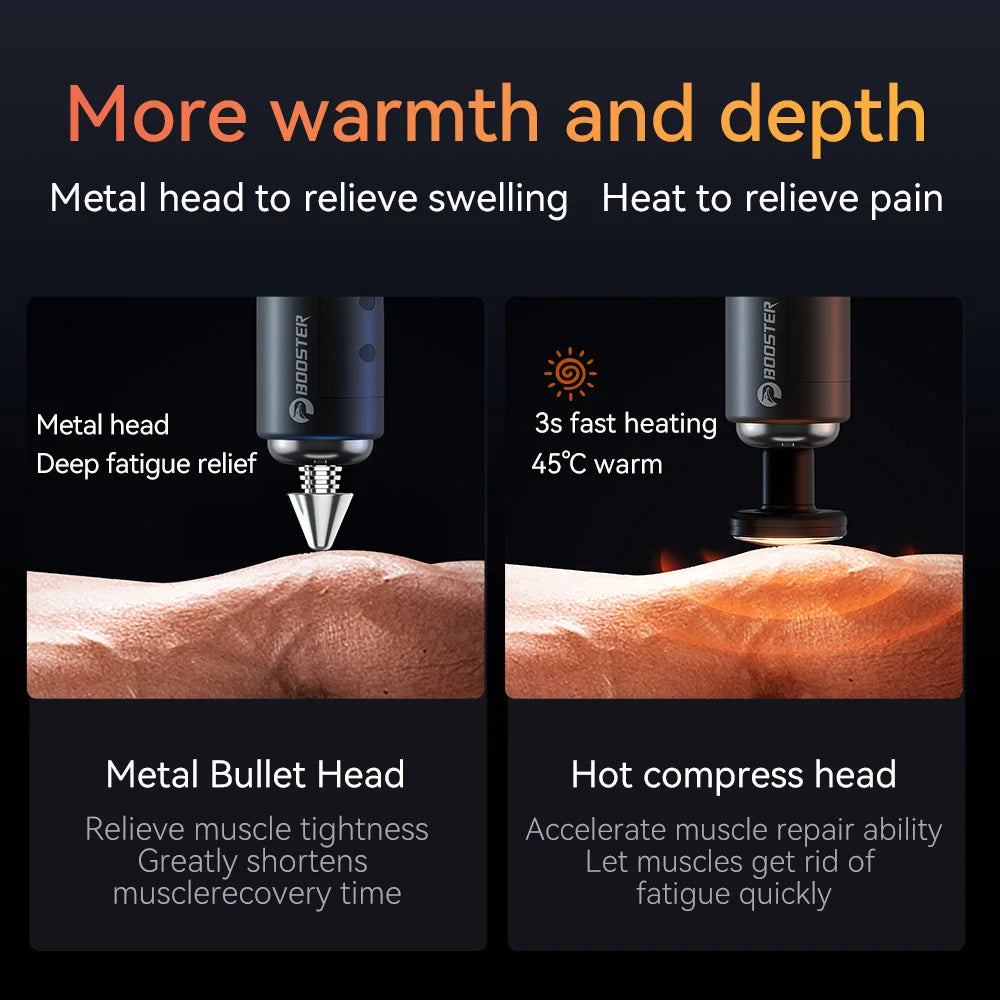
A rechargeable massage gun can support recovery at home, at the gym, or while traveling.
Frequently Asked Questions
Can I use a handheld percussion massage gun every day?
Yes. Daily use is appropriate for most healthy adults when sessions are kept short and comfortable. Five to ten minutes per muscle group is generally sufficient. Avoid prolonged treatment on the same area.
Is it suitable for beginners?
Yes. Start with the lowest speed and use the round attachment until you become familiar with the pressure. Increase intensity gradually based on comfort.
Does it replace professional massage therapy?
No. A massage gun is a convenient self-care tool that complements professional treatment. It can help manage everyday muscle tightness between appointments but does not replace evaluation or treatment from a qualified healthcare provider when needed.
What areas can I use it on?
It can be used on major muscle groups including the shoulders, upper back, lower back, glutes, thighs, calves, and arms. Avoid using it directly over bones, joints, the front of the neck, or injured and inflamed areas unless advised by a healthcare professional.
For more self-care tools, explore Body & Face Blog and discover smarter ways to feel your best every day.
Pillar Article: Electric Massage Guns Explained: Features That Matter Most
Other Related Articles:
Explore More:













