

Should you use heat or massage first for neck tension?
In most cases, applying heat before massage works best. Heat relaxes tight muscles and improves circulation, making massage more effective and comfortable. Start with 10–15 minutes of heat, then perform gentle neck or upper back massage to release remaining tension and improve mobility.
Heat and Massage for Neck: How to Relieve Neck Tension Safely and Effectively
Neck stiffness is one of the most common forms of muscle tension, especially for people who spend long hours at a computer or looking at a phone. Combining heat and massage for neck pain is a simple and effective way to relax tight muscles, improve circulation, and restore comfortable movement.
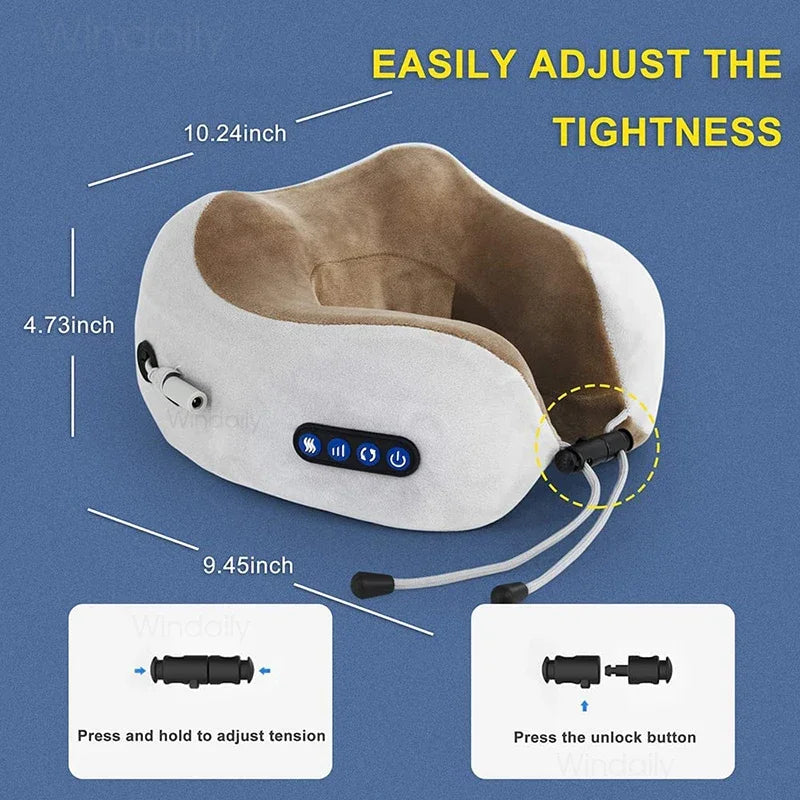
Whether you're using a heated massage pad, a heated massage pad for chair use, or an electric heated massage pillow, understanding when to apply heat and how to combine it with massage can significantly improve your results. Many people also use a portable neck body massager to maintain regular muscle relaxation throughout the day.
⏱ 7 min read
Heat therapy combined with massage can help release neck and upper back tension faster.
How Heat and Massage Work Together
Combining heat and massage often provides greater relief than using either treatment alone. Heat relaxes muscles, increases circulation, and improves tissue flexibility, allowing massage to work more effectively on tight muscles and trigger points.
How Heat Therapy Improves Blood Flow
Heat expands blood vessels and improves circulation, helping deliver oxygen and nutrients to tight muscles while removing metabolic waste.
How Massage Relieves Muscle Tension
Massage gently compresses and stretches muscle fibers, helping reduce stiffness, release trigger points, and restore normal movement.
Why Combining Heat and Massage Produces Better Results
Applying warmth before massage decreases stiffness and allows deeper pressure with less discomfort.
- Loosens tight muscles
- Improves circulation
- Enhances flexibility
- Improves comfort during massage
What Research Says About Neck Pain Heat Therapy
Research suggests superficial heat therapy can temporarily reduce pain and improve flexibility in muscular neck discomfort, especially when combined with manual techniques like massage.
Common Causes of Neck Tension
Most neck discomfort is caused by muscle strain rather than injury.
Poor Posture and Screen Time
Prolonged device use strains the cervical spine, leading to stiffness and fatigue.
Stress-Related Muscle Tightness
Stress often causes unconscious tightening of the neck and shoulders.
Sleeping Position and Pillow Support
Improper pillow height or firmness can lead to overnight stiffness.
Does Heat Help Neck Pain?
Heat therapy is most effective for muscle-related neck pain caused by tension, posture, or mild strain.
Heat for Tight Neck Muscles
Warmth helps muscles relax, making them easier to stretch and massage.
Heat for Neck Strain
After initial inflammation subsides, heat may improve comfort by increasing circulation.
Heat for Sore Neck
Heat can reduce soreness after long workdays or poor sleep posture.
When Heat Therapy Is Most Effective
- Chronic tightness
- Morning stiffness
- Stress-related tension
- Desk-related pain
Heat Before or After Massage?
For most neck pain, applying heat before massage produces better results.
Why Heat Before Massage Usually Works Best
- Apply heat for 10–15 minutes
- Massage gently for 10 minutes
- Stretch lightly afterward
When Massage First Makes Sense
If muscles are already warm or heat is unavailable, starting with massage can still help.
Heat Alone vs Massage Alone vs Combined Therapy
- Heat: Best for stiffness
- Massage: Best for knots
- Combined: Best overall relief
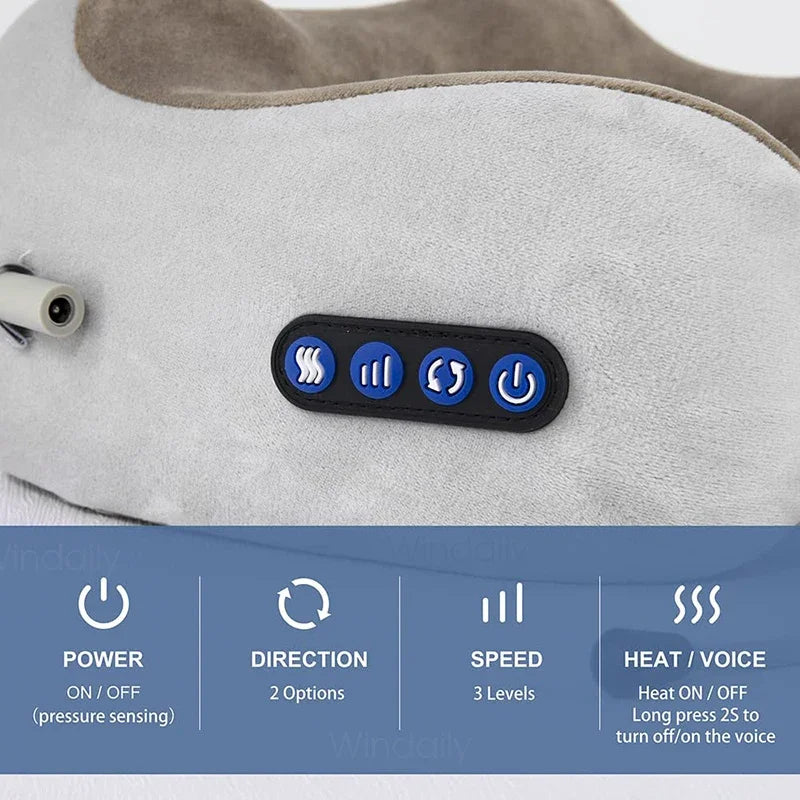
Heated massage pads and neck pillows can be combined for full upper-body relaxation.
Step-by-Step Routine for Heat and Massage for Neck Relief
- Apply gentle heat for 10–15 minutes
- Massage tight muscles slowly
- Extend to shoulders and upper back
- Perform gentle stretches
- Maintain good posture afterward
This routine helps reduce recurring tension and improves mobility.
Best Heat Therapy Options
Modern devices combine heat and massage for convenient home use.
Warm Towels and Heating Pads
Simple and effective for mild stiffness.
Neck Massage Pillow with Heat
Compact and ideal for targeted neck relief.
Electric Heated Massage Pillow
Provides continuous heat with rotating massage nodes.
Heated Massage Chair Pad
Covers neck, shoulders, and back.
Heated Seat Massager
Improves comfort during long sitting sessions.
Heated Massage Pad for Chair
Portable option for work or home use.
Infrared Heat Devices
Offer deeper heat penetration for chronic stiffness.
Heated Neck Massagers Buying Guide
Massage Modes
- Kneading
- Shiatsu
- Vibration
- Percussion
Heat Settings
Choose adjustable heat with safety shut-off.
Ergonomics
Ensure proper neck and shoulder fit.
Portability and Battery Life
Rechargeable models are better for travel.
Corded vs Rechargeable
Corded offers power; rechargeable offers convenience.
Self-Massage Techniques
Finger Pressure Technique
Apply circular pressure along the base of the skull.
Shoulder Release
Squeeze trapezius muscles gently.
Using a Portable Neck Body Massager
Provides consistent pressure without strain.
Common Mistakes During Self-Massage
- Too much pressure
- Massaging inflamed tissue
- Ignoring pain signals
- Using excessive heat
- Overuse
Using Heated Massagers for Neck and Back
Back Massage with Heat
Relaxes larger muscles before massage.
Neck and Shoulder Massage with Heat
Improves comfort during kneading.
Warming Back Massager Benefits
- Relaxation
- Improved comfort
- Reduced stiffness
When One Device Can Treat Multiple Areas
Adjustable devices can target neck, shoulders, and back.
Heat vs Cold for Neck Pain
When Heat Works Best
- Chronic stiffness
- Posture-related tension
When Cold Therapy Is Better
- Inflammation
- Recent injury
When Neither Is Enough
If symptoms persist or worsen, seek medical evaluation.
Safety, Risks, and Contraindications
Who Should Avoid Heat Therapy
- Reduced sensation
- Inflammation
- Recent injury
Who Should Avoid Heated Massage
- Open wounds
- Skin infections
- Acute injuries
Safe Session Duration
10–20 minutes per session is recommended.
Warning Signs to Stop Immediately
- Burning sensation
- Increased pain
- Dizziness
When to See a Doctor
Seek help if pain persists or includes numbness or weakness.
Frequently Asked Questions
Is heat good for a stiff neck?
Yes, especially for muscle-related stiffness.
Is heat good for neck strain?
Yes, after the initial inflammation phase.
Does heat help neck pain?
Heat can reduce pain caused by muscle tension.
Can I use a heated massage pad every day?
Yes, if used safely and within recommended time.
How long should I use heat?
Typically 10–20 minutes per session.
Can I use heat before or after massage?
Before massage is generally most effective.
Can I use heat while working?
Yes, with safe, chair-based devices.
Which device is best for office use?
Heated chair pads or seat massagers work best.
Pillar Article: How to Use a Shiatsu Massager Neck Pillow for Maximum Relief
Other Related Articles:
- Stop Doing This with Your Neck Massager (It’s Making Pain Worse)
- Can You Sleep with a Heated Neck Pillow? Read This First
- How Long Should You Use a Heated Massage Pad Daily?
- The Right Way to Use Your Neck Pillow with Heat (Avoid These Mistakes)
Explore More:













